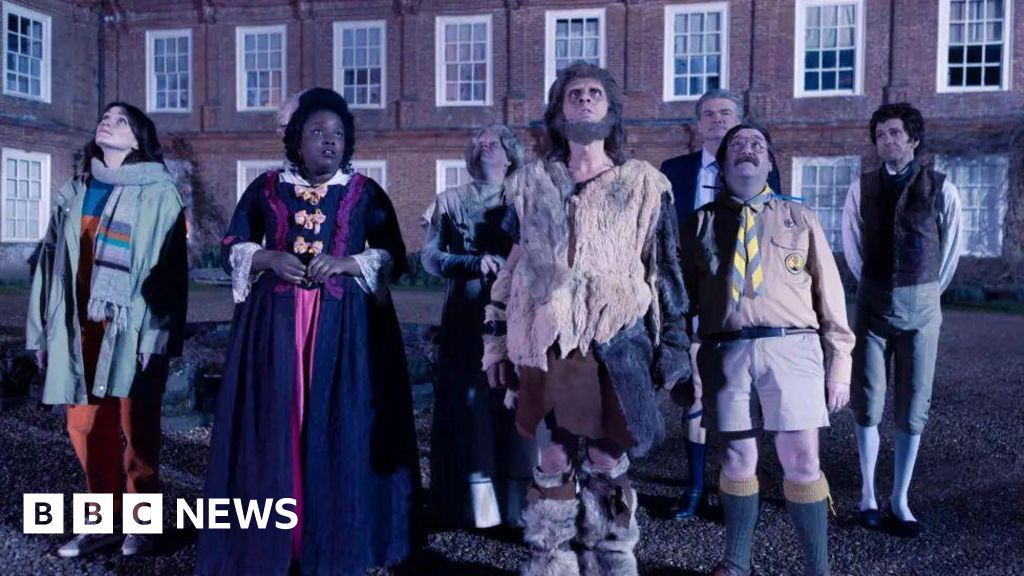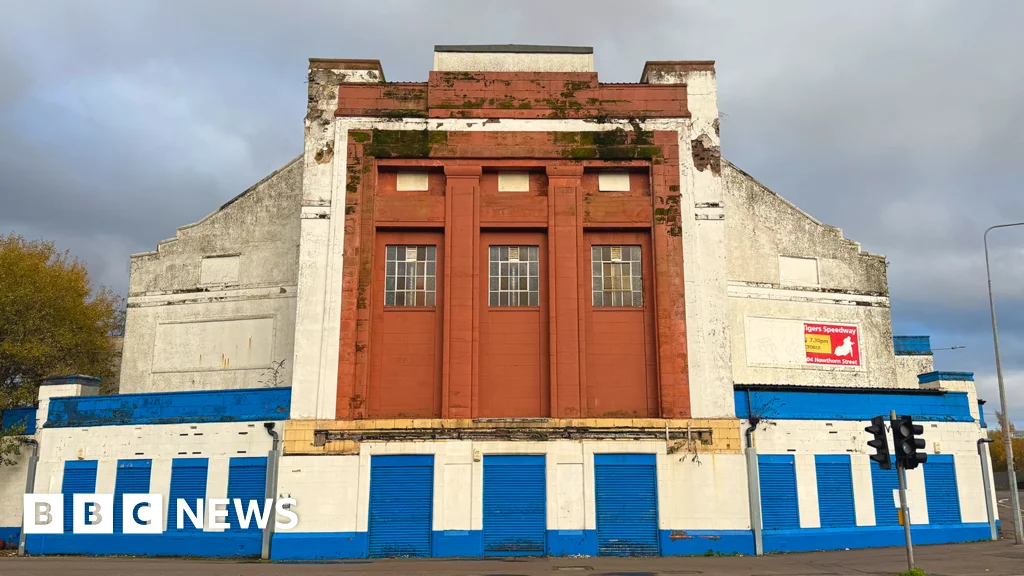
A detailed 3D digital survey of Surrey's West Horsley Place, used for preservation and visitor engagement, could lead to a digital twin that enhances conservation efforts and public interaction with historic sites.
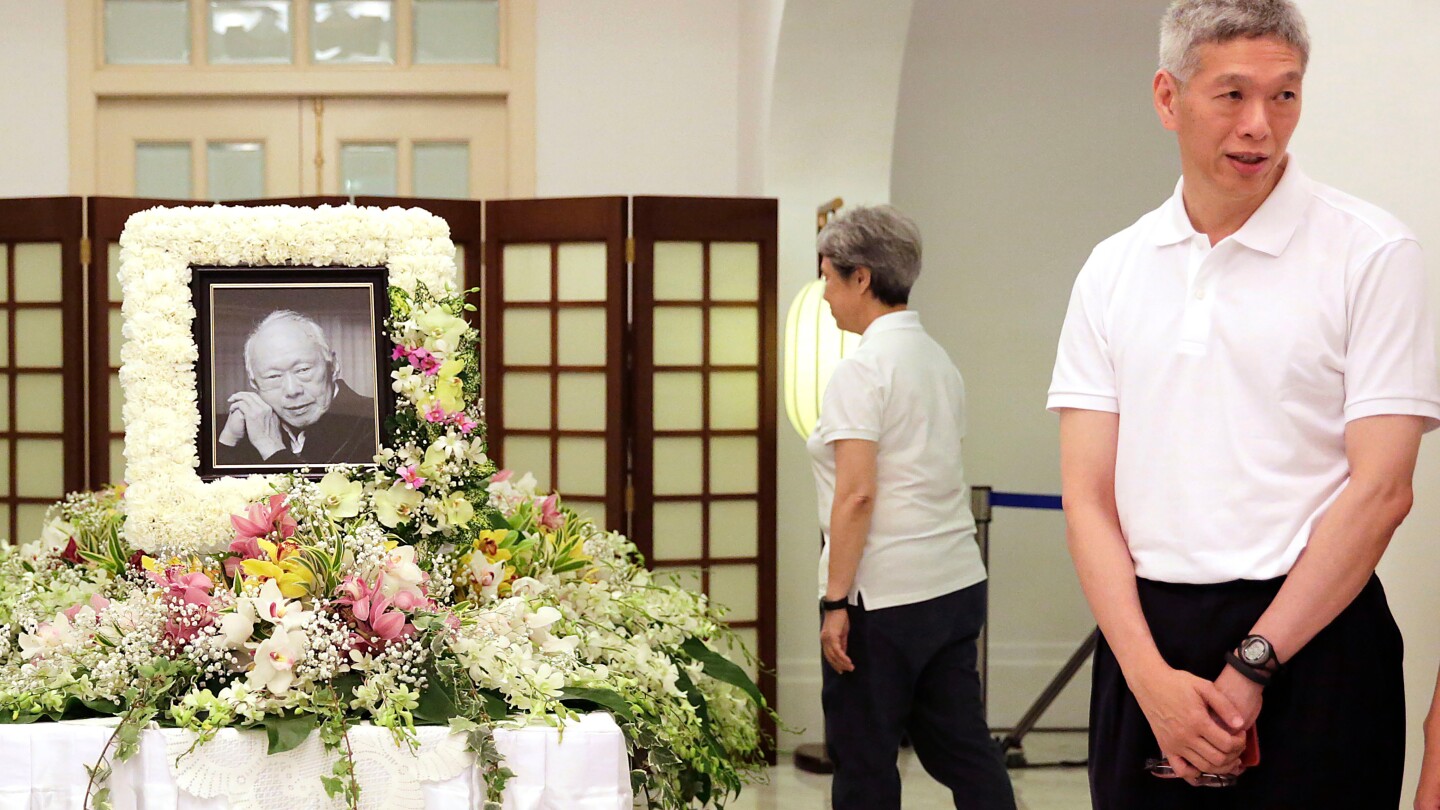
Singapore plans to preserve Lee Kuan Yew's house as a national monument, sparking controversy and a family dispute, with his youngest son criticizing the move and reaffirming his father's wish for demolition.
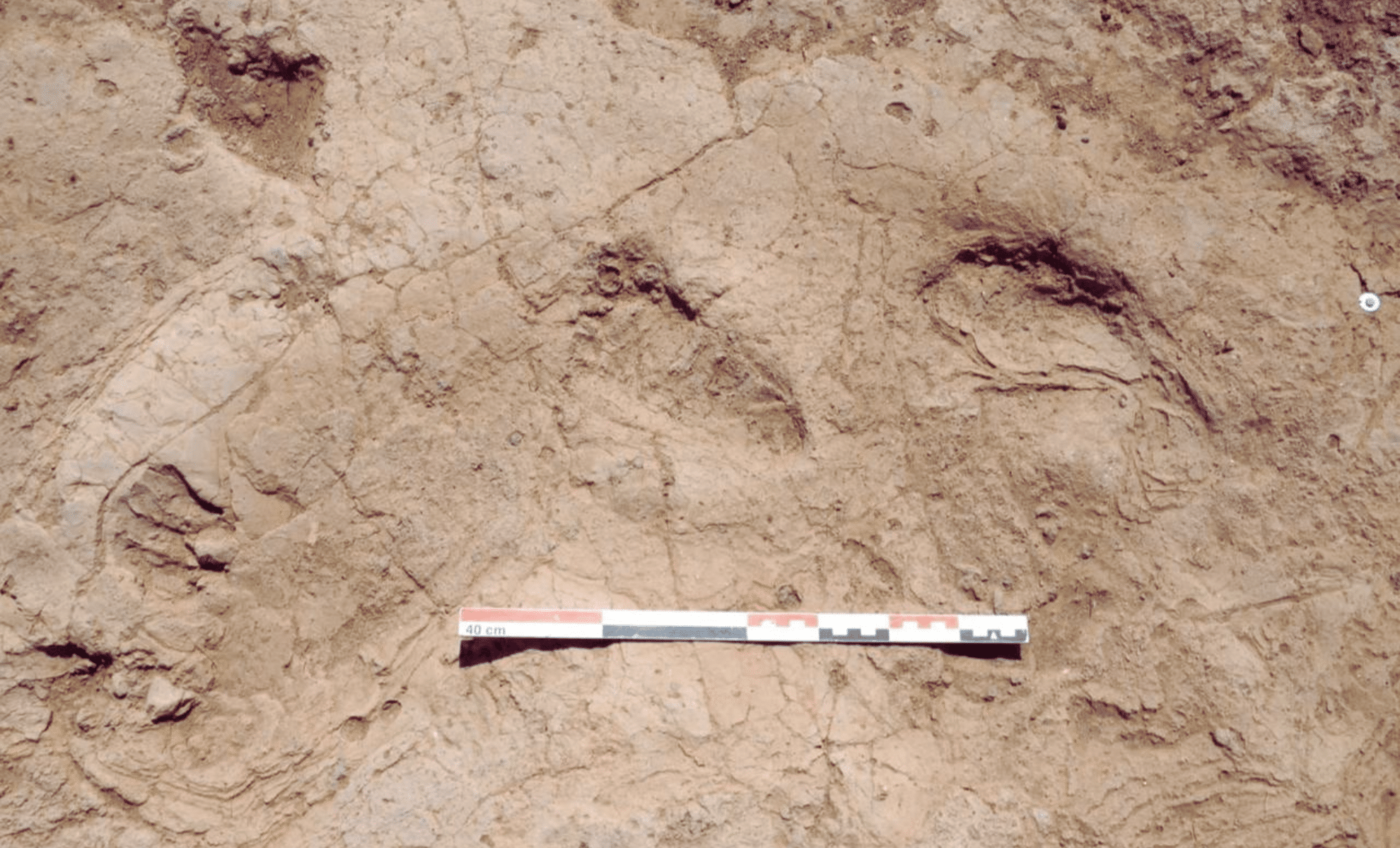
Archaeologists in Hatay, Turkey, discovered 7,000-year-old human footprints from the Ubaid period, providing rare insight into prehistoric life and highlighting Turkey's efforts in heritage preservation and modern archaeological practices.
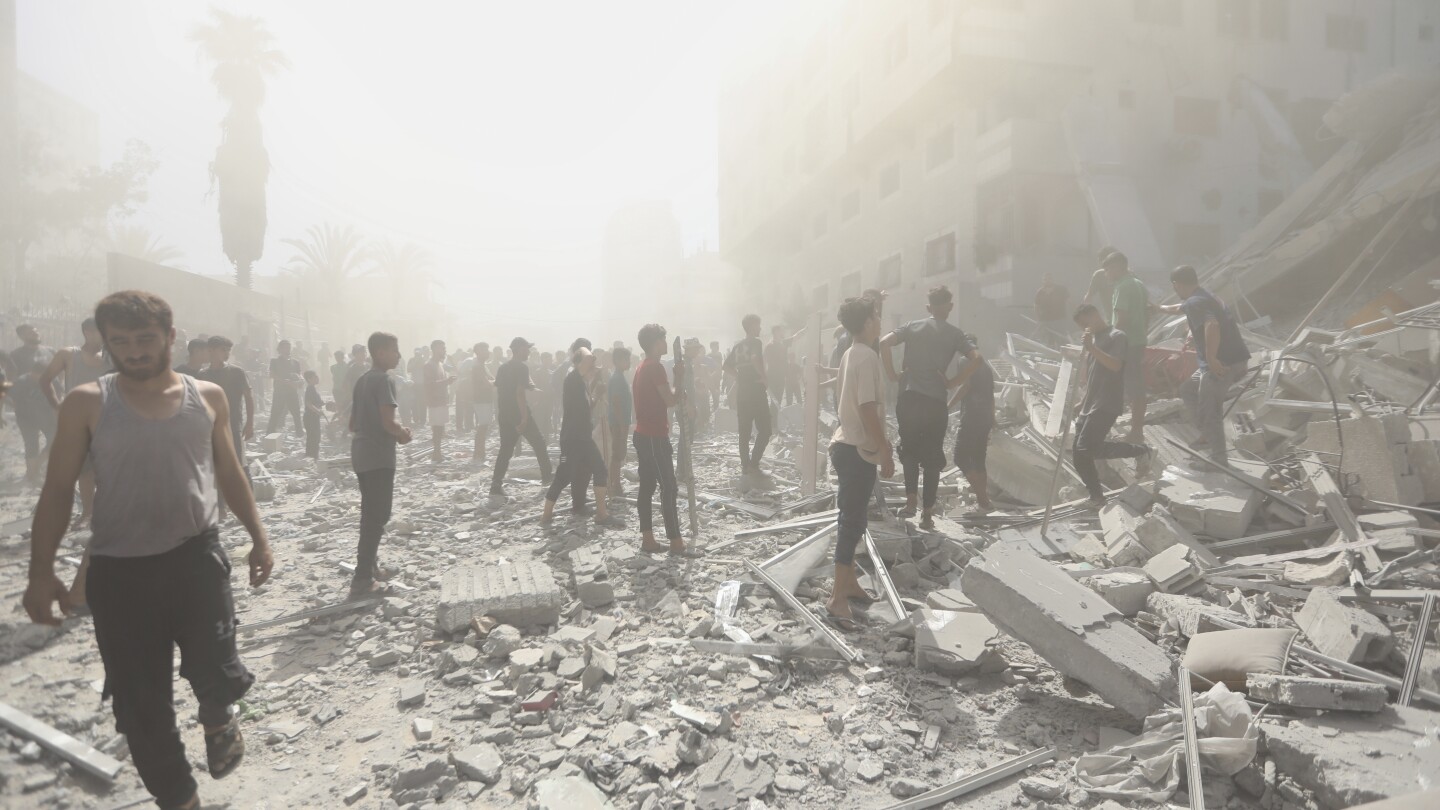
Aid workers in Gaza conducted a last-minute rescue of priceless artifacts from a warehouse before it was destroyed by an Israeli airstrike, highlighting the urgent efforts to preserve cultural heritage amid ongoing conflict, despite the challenges and risks involved.
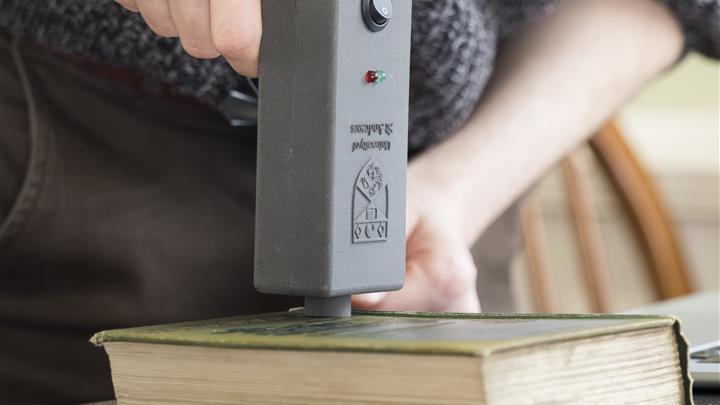
Scientists have developed a portable tool that quickly detects arsenic-based green pigments in historic books, helping libraries identify and manage hazardous materials safely, especially in collections with potentially toxic bindings like emerald green.
The legacy of celebrated Blackfeet chief John Two Guns White Calf, the face of the NFL’s Washington Redskins for 48 years, has been erased by cancel culture, prompting nationwide efforts to preserve indigenous heritage. Pro-Native American activists are fighting against the National Congress of American Indians (NCAI) and its woke agenda, which led to the removal of Native logos and representations in pro sports. Despite widespread support for the Redskins name and logo, communities are facing challenges in reclaiming their Native American heritage from the impact of cancel culture.
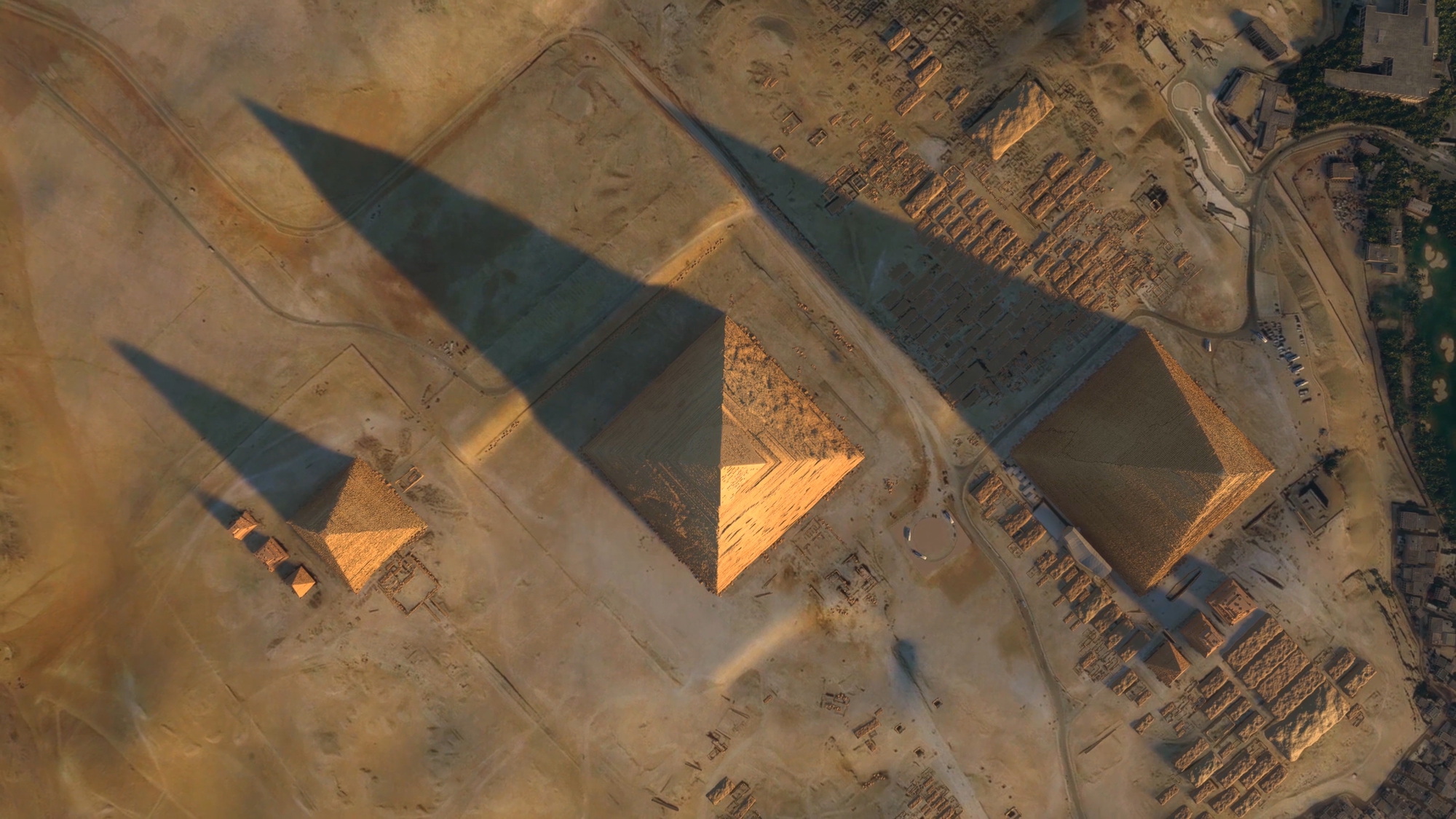
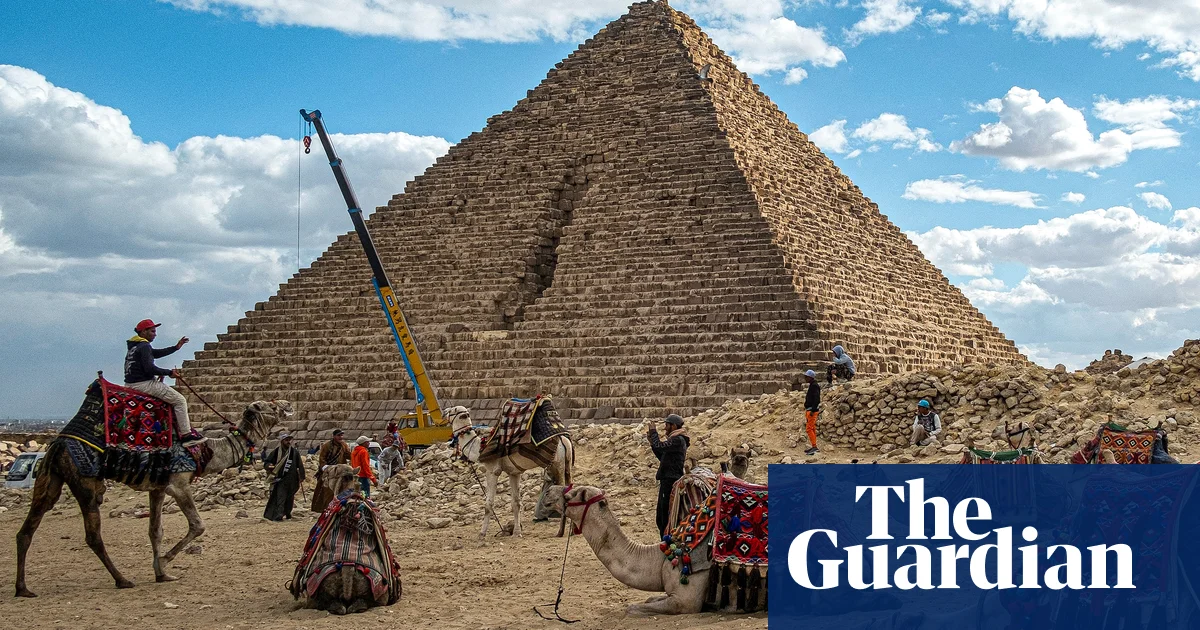
The ongoing renovation of Egypt's Menkaura Pyramid at Giza has sparked controversy, with critics expressing concerns about the departure from global renovation guidelines and the potential impact on Egypt's rich legacy. The dispute reflects broader worries about historic preservation in Egypt, a nation heavily reliant on tourism, and raises questions about the balance between preservation and modernization. Similar debates on heritage preservation are also taking place in other parts of the world, such as the inaugural conference in Tashkent and restoration works for Lever House in New York.
A video showing renovation work on Egypt's Menkaure pyramid has sparked criticism and outrage, with experts and commentators decrying the project's "absurdity" and violation of international principles on renovations. The project aims to restore the pyramid's original style by reconstructing its granite layer, but critics argue that such interventions are prohibited and call for immediate mobilization by archaeologists. The issue of heritage preservation in Egypt, a significant source of its GDP, continues to be a subject of heated debate, with recent controversies over the destruction of historic areas and the repainting of a 15th century mosque.
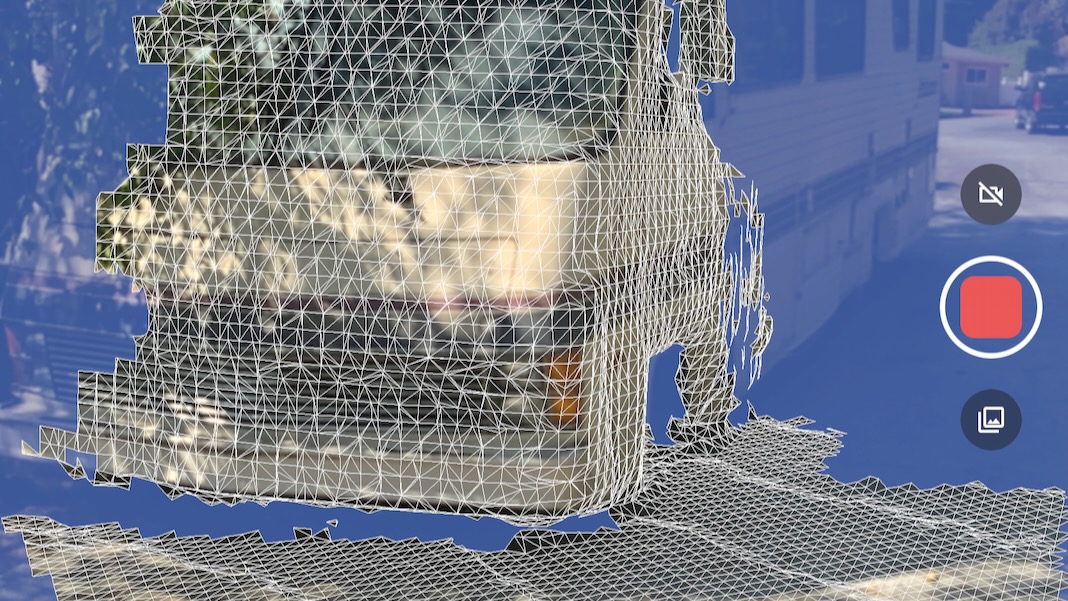
A collaborative project called Backup Ukraine, developed by the Danish UNESCO National Commission and Polycam, is enabling anyone with a smartphone to scan and capture high-quality 3D models of heritage sites, democratizing the process of preserving cultural heritage. This is made possible by the rapid progress of 3D capture and graphics technologies, driven by the drop in cost of cameras and sensors, the use of artificial intelligence for constructing 3D assets, and the proliferation of computing power. New rendering techniques like gaussian splatting are gaining attention for their ability to generate highly detailed and textured 3D assets. The shift towards 3D content is aligned with the future of spatial computing, and the hope for a real-time 3D map of the world. Additionally, 3D memory capture is seen as a powerful application, allowing people to preserve and revisit important places and moments.
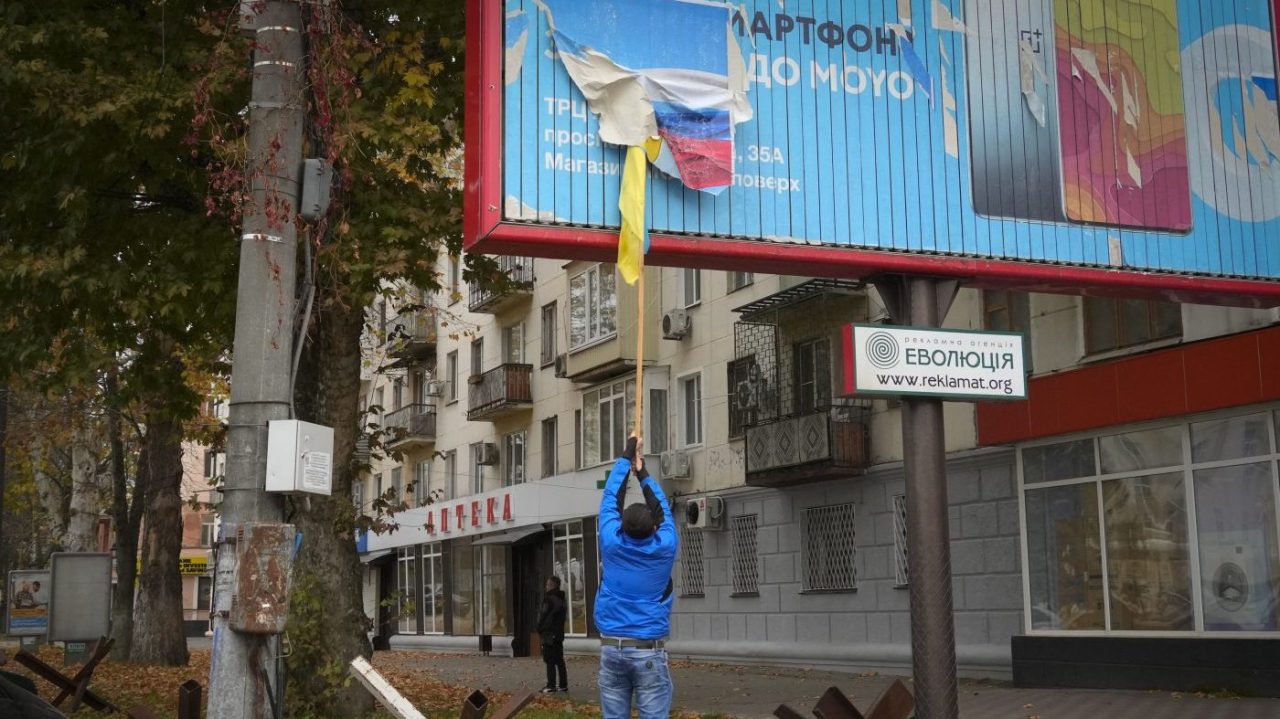
Experts warn that Russia's war on Ukraine risks "cultural genocide" as part of a larger campaign to erase Ukrainian culture, with nearly 1,700 instances of likely damage to museums, archives, and libraries reported. International collaboration is needed to rebuild Ukrainian heritage, starting with understanding the history of Ukrainian culture. The renewed attention has resulted in international support from both the private and public sector, who have provided money, training, and ideas on how to preserve Ukrainian culture.
Experts warn that Russia's war on Ukraine risks "cultural genocide" as part of a larger campaign to erase Ukrainian culture. Nearly 1,700 instances of likely damage to museums, archives, and libraries have been reported. International collaboration is needed to rebuild Ukrainian heritage, which starts with understanding the history of Ukrainian culture. The rebuilding process will take years and billions of dollars, but international support from both the private and public sector has provided money, training, and ideas on how to preserve Ukrainian culture.