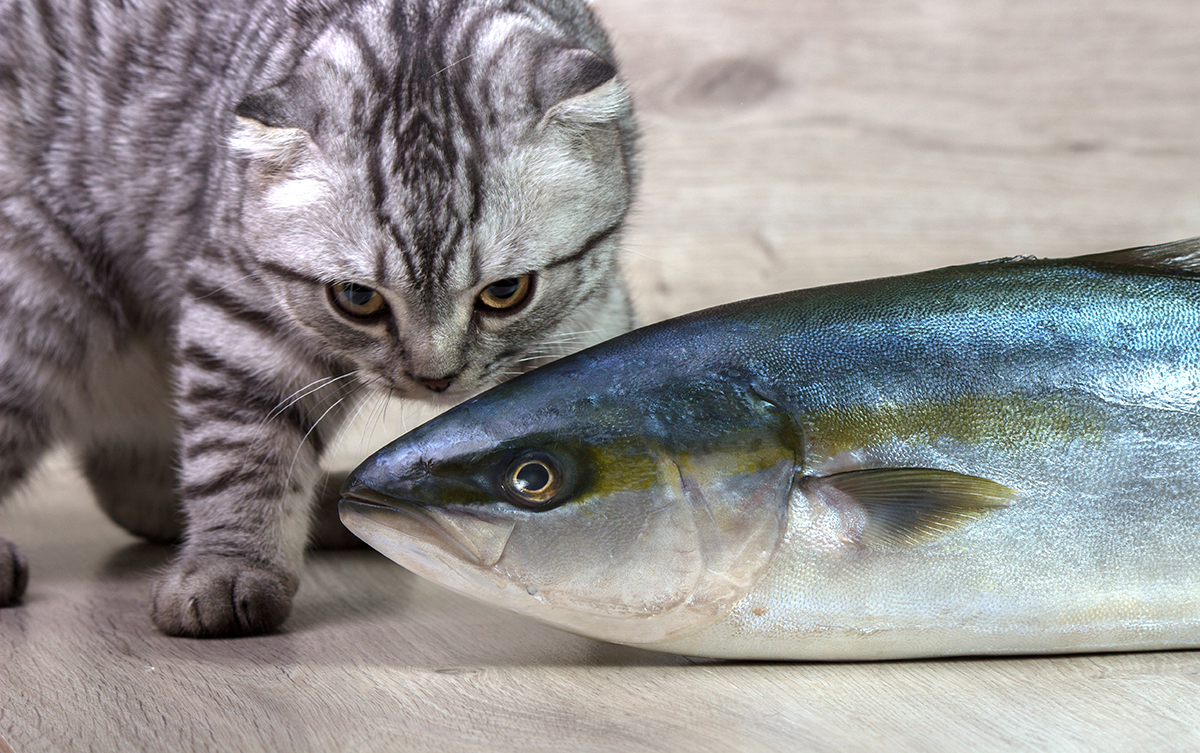
Scientists have discovered that cats' love for tuna is due to their taste receptors binding to chemicals found in high concentrations in tuna, enhancing the umami experience for cats. Tuna contains nucleotide inosine monophosphate and the amino acid L-Histidine, which are strong umami enhancers and essential for cats. This molecular understanding of cats' taste preferences could lead to the development of more appealing cat food and medicines.
Scientists have discovered that cats have the necessary taste bud receptors to detect umami, the savory flavor found in meats. In taste tests, cats showed a preference for compounds present in high levels in tuna, indicating their particular hankering for the fish. This research could help manufacturers develop more appealing cat food and medications. The evolution of cats' taste for fish, including tuna, remains a mystery, but it may have provided them with an advantage over their counterparts who relied solely on rodents and birds.
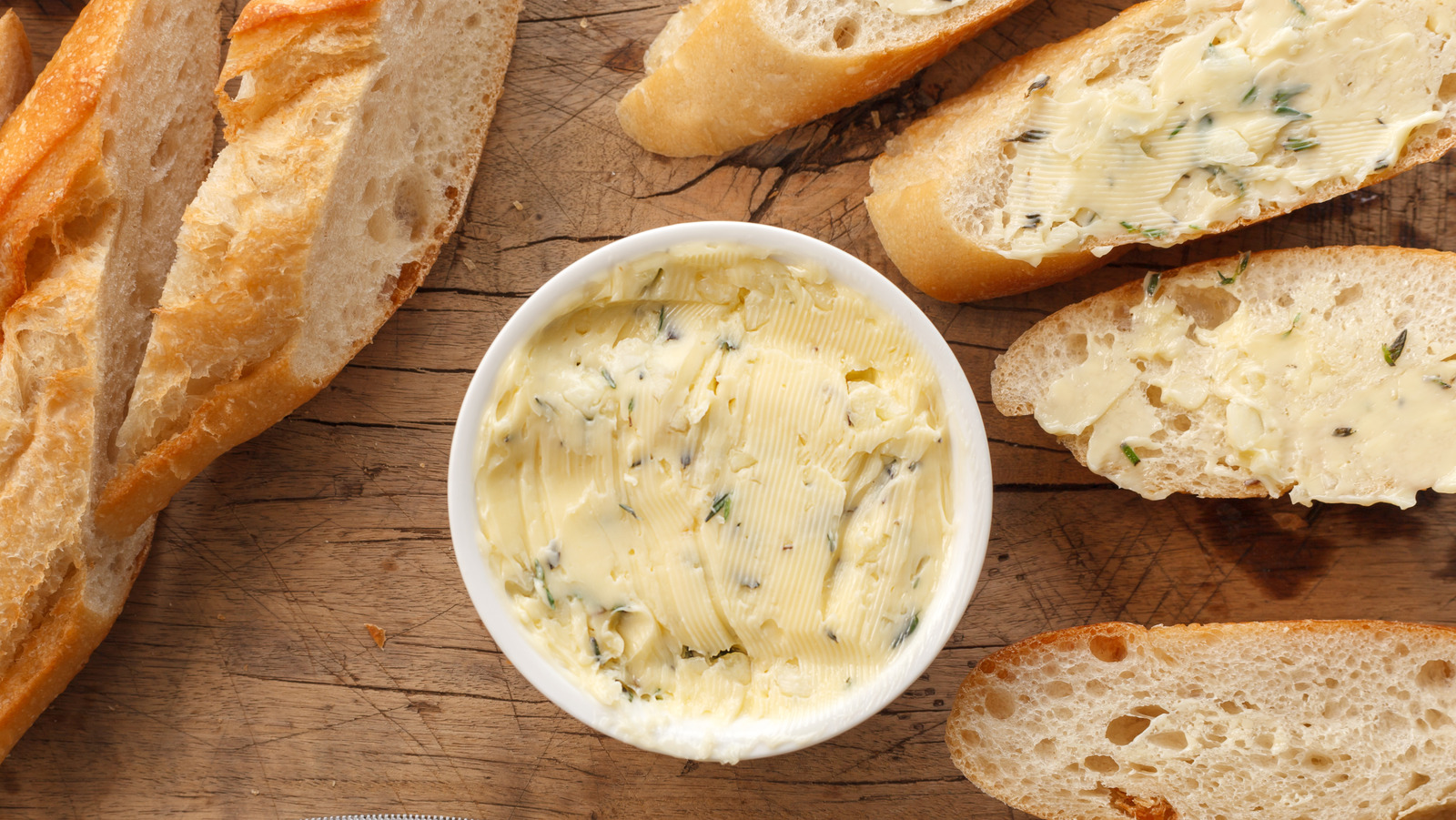
Anchovy compound butter is a low-effort, high-reward recipe that only requires two ingredients: butter and anchovies. Simply soften the butter, mash the anchovies, and mix to combine. Opt for high-quality anchovies and unsalted butter. Refrigerate for at least an hour to help the butter set up, then use it to elevate dishes like steak, roasted vegetables, eggs Benedict, and more.
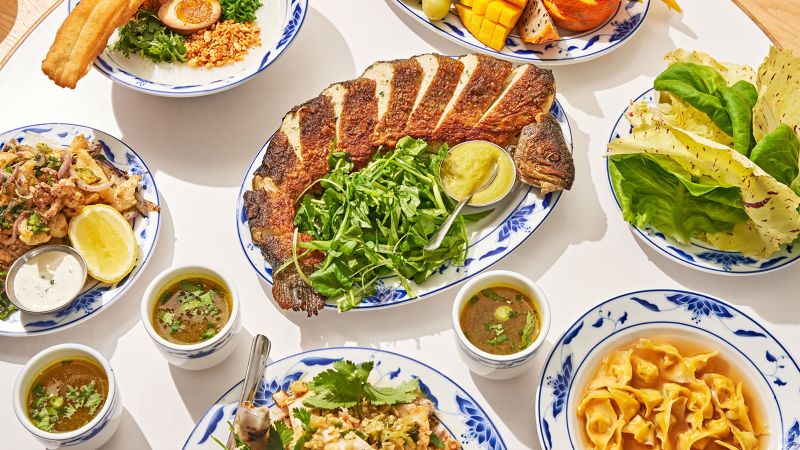
Chefs like Calvin Eng are embracing MSG and trying to destigmatize the century-old seasoning, which has been misunderstood due to a letter written by a US doctor in 1968. Despite continued claims of negative reactions to MSG from diners, decades of scientific trials have failed to prove the existence of MSG sensitivity. MSG is plant-derived and is made by fermenting plants with sugar and microbes to create glutamate, an amino acid found in food that acts as a neurotransmitter. MSG is safe to eat and can reduce sodium intake.