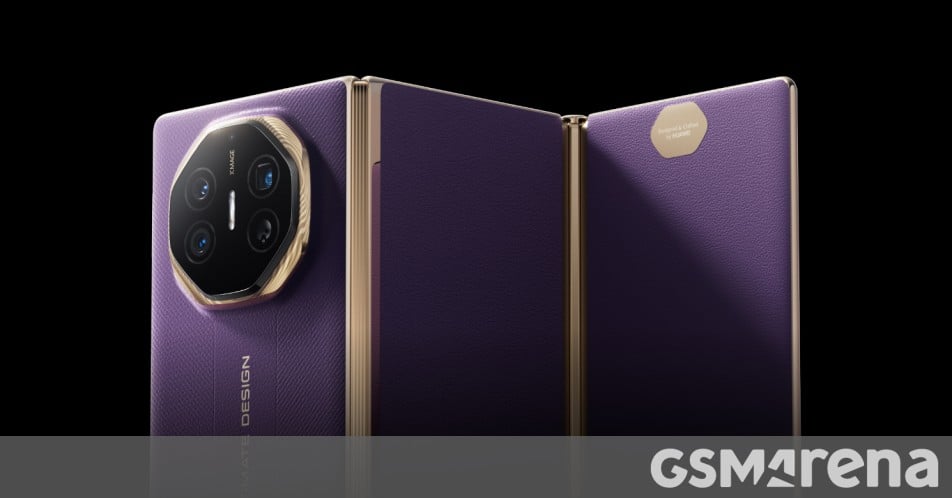
Huawei announced the Mate XTs, a tri-fold foldable smartphone featuring a 10.2-inch OLED display, upgraded 40MP ultrawide camera, Kirin 9020 chipset offering 36% performance boost, and HarmonyOS 5.1, with prices starting at $2,520 in China and no international release details yet.
The Galaxy Z Fold 6 features a new 12-megapixel ultrawide camera sensor that performs better in low-light conditions compared to the Z Fold 5. Testing in various dimly lit environments, including the Paris Catacombs, showed that the Z Fold 6 generally produced brighter and more detailed photos, although not consistently. The improvements in the ultrawide camera, along with design refinements, make the Z Fold 6 a more polished device, but it comes with a higher price tag of $1,900.
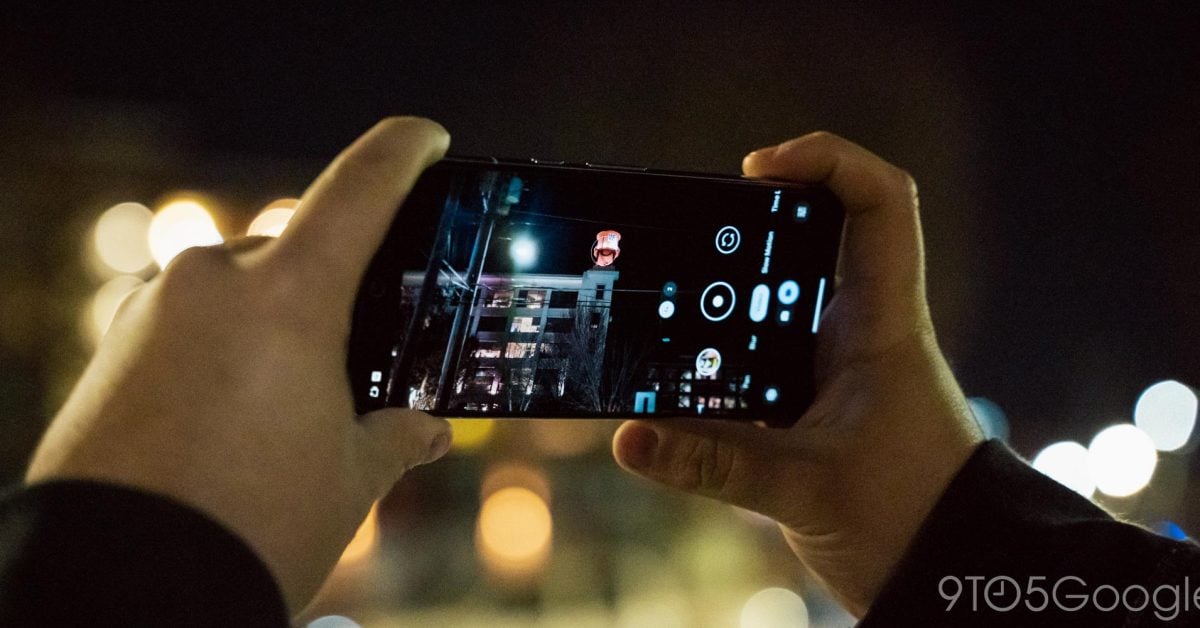
Google Camera is bringing back ultrawide astrophotography, but only on the Pixel 8 Pro. The feature was initially introduced in the Pixel 4 and later expanded to the Pixel 5 and Pixel 4a 5G. However, it was removed in subsequent Pixel devices. Now, with the Pixel 8 Pro, users can take ultrawide astrophotography shots by triggering the astrophotography mode and selecting the 0.5x option. This is likely due to the Pixel 8 Pro using a different hardware sensor for the ultrawide camera.
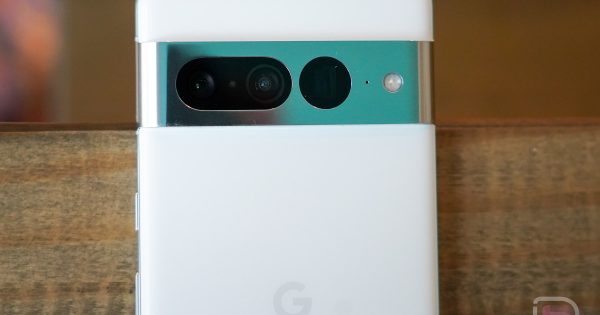
The Pixel 8 and Pixel 8 Pro are expected to launch in four months, and a recent report has revealed the camera specs for both models. The Pixel 8 Pro will feature a 50MP Samsung ISOCELL GN2 main camera, a 64MP Sony IMX787 ultrawide camera, and an 8×8 ToF VL53L8 sensor. The Pixel 8 will have the same main camera but an older Sony IMX386 ultrawide camera. Google is also working on software features such as an "Adaptive torch" and bokeh controls for video recording.