Tag

Ultracold Molecules

All articles tagged with #ultracold molecules

science-and-technology1 year ago

Coldest US Lab Achieves Exotic Quantum State with Molecules

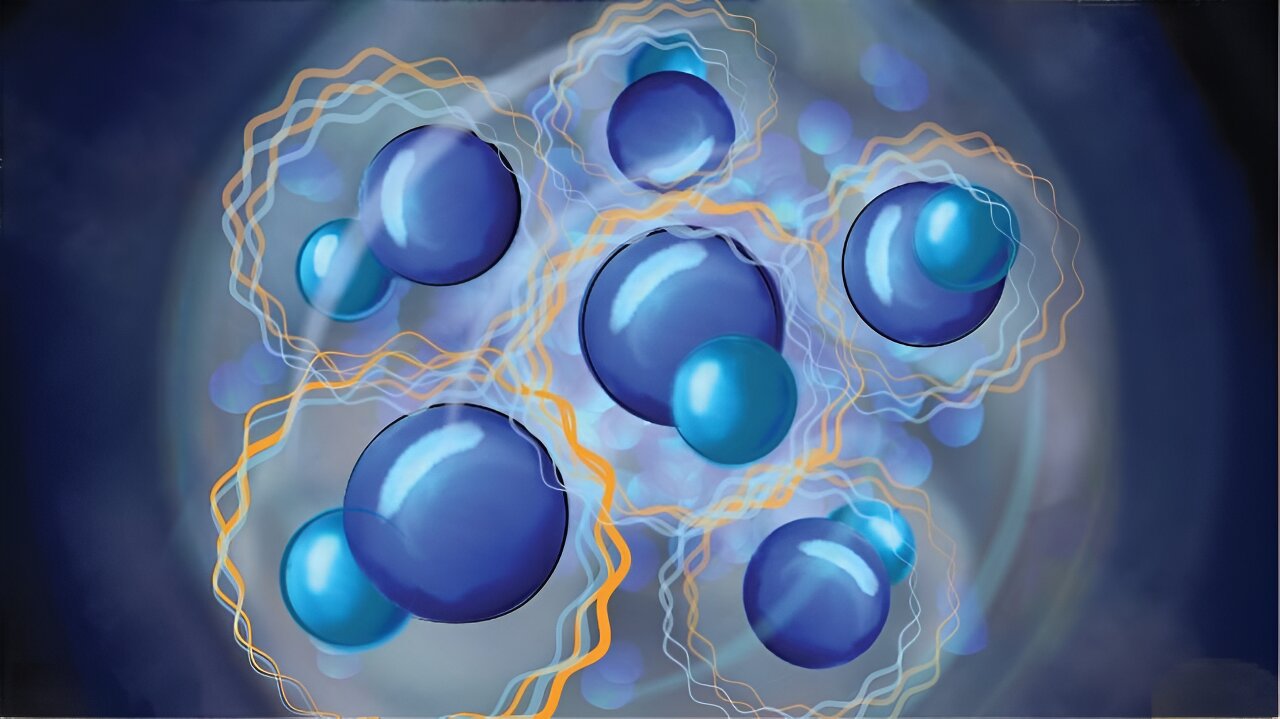
Researchers at Columbia University have created a Bose-Einstein Condensate (BEC) using sodium-cesium molecules cooled to five nanoKelvin, stable for two seconds. This breakthrough opens new avenues for exploring quantum phenomena and simulating complex materials' quantum properties, marking a significant advancement in quantum physics and ultracold molecule research.
science1 year ago

"Tetratomic Supermolecules Achieve Nanokelvin Temperatures"

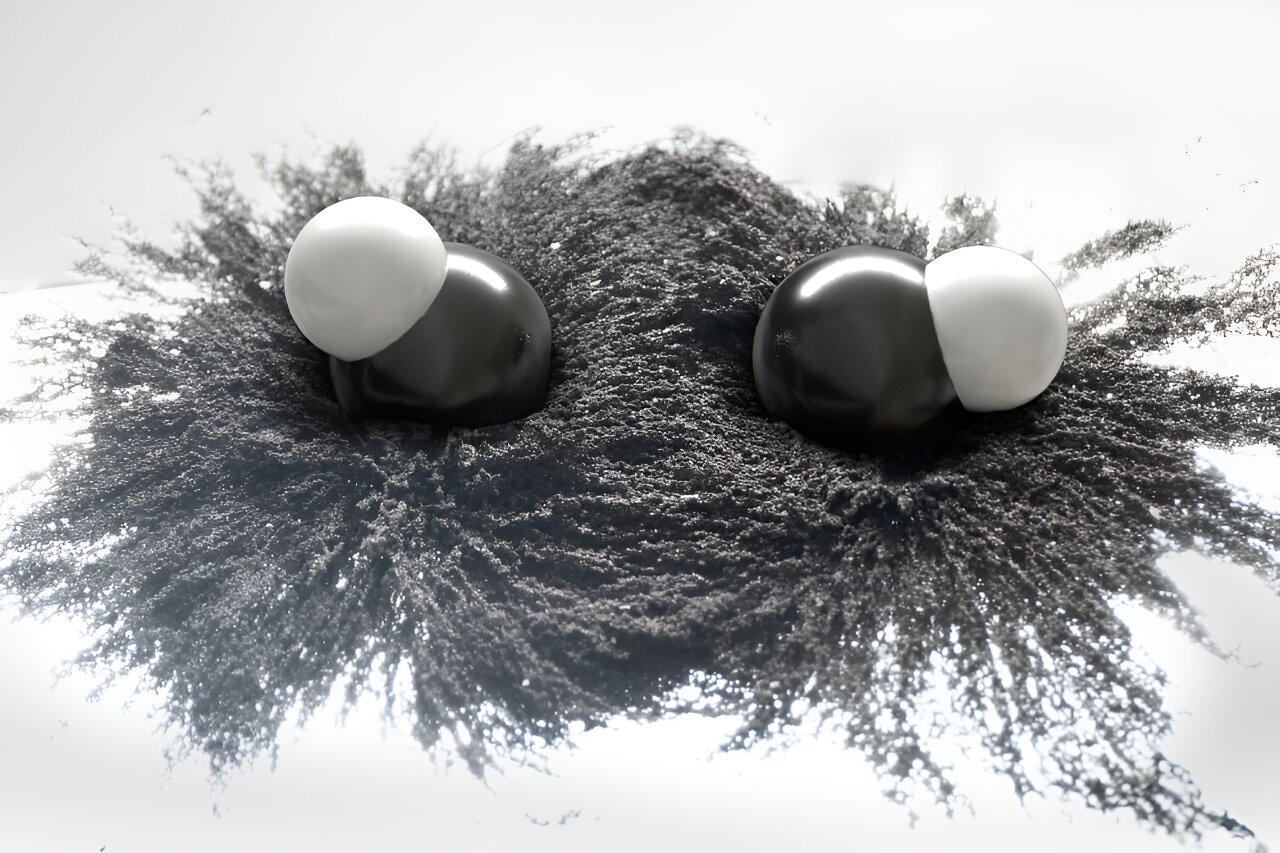
Researchers at the Max Planck Institute of Quantum Optics and the Chinese Academy of Sciences have successfully created and stabilized tetratomic "supermolecules" at ultracold temperatures, a significant advancement in the study of exotic ultracold matter. These fragile molecules, composed of more than two atoms, were cooled down to 134 nanokelvin, over 3,000 times colder than previously achieved. The discovery, published in Nature, offers new possibilities in cold chemistry, precision measurements, and quantum information processing, with potential implications for quantum physics and quantum chemistry.

physics1 year ago

"Formation of Ultracold Field-Linked Tetratomic Molecules"

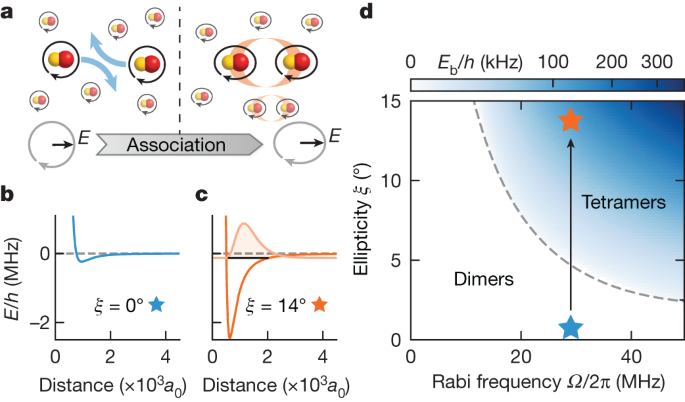
Researchers have demonstrated a new method to create weakly bound ultracold tetratomic molecules by electroassociating pairs of fermionic NaK molecules in microwave-dressed states. These tetratomic molecules are created at ultracold temperatures and exhibit highly tunable properties with the microwave field. The approach can be applied to a wide range of polar molecules and opens up possibilities for investigating quantum many-body phenomena.

science2 years ago

"Revolutionary Microwave Shield Enables Ultracold Dipolar Molecules"

Researchers have developed a new technique using microwaves to create shields around sodium-cesium molecules, allowing them to stabilize and cool the molecules to extremely low temperatures. This brings scientists closer to creating an elusive molecular Bose-Einstein condensate (BEC), a state of matter predicted by Satyendra Nath Bose and Albert Einstein. The technique involves using microwaves to prevent the molecules from sticking to each other and getting lost from the sample, enabling successful evaporative cooling. The ultracold sodium-cesium molecules offer a new platform to explore fundamental physics and could lead to the study of new physics phenomena and the understanding of complex molecular interactions.