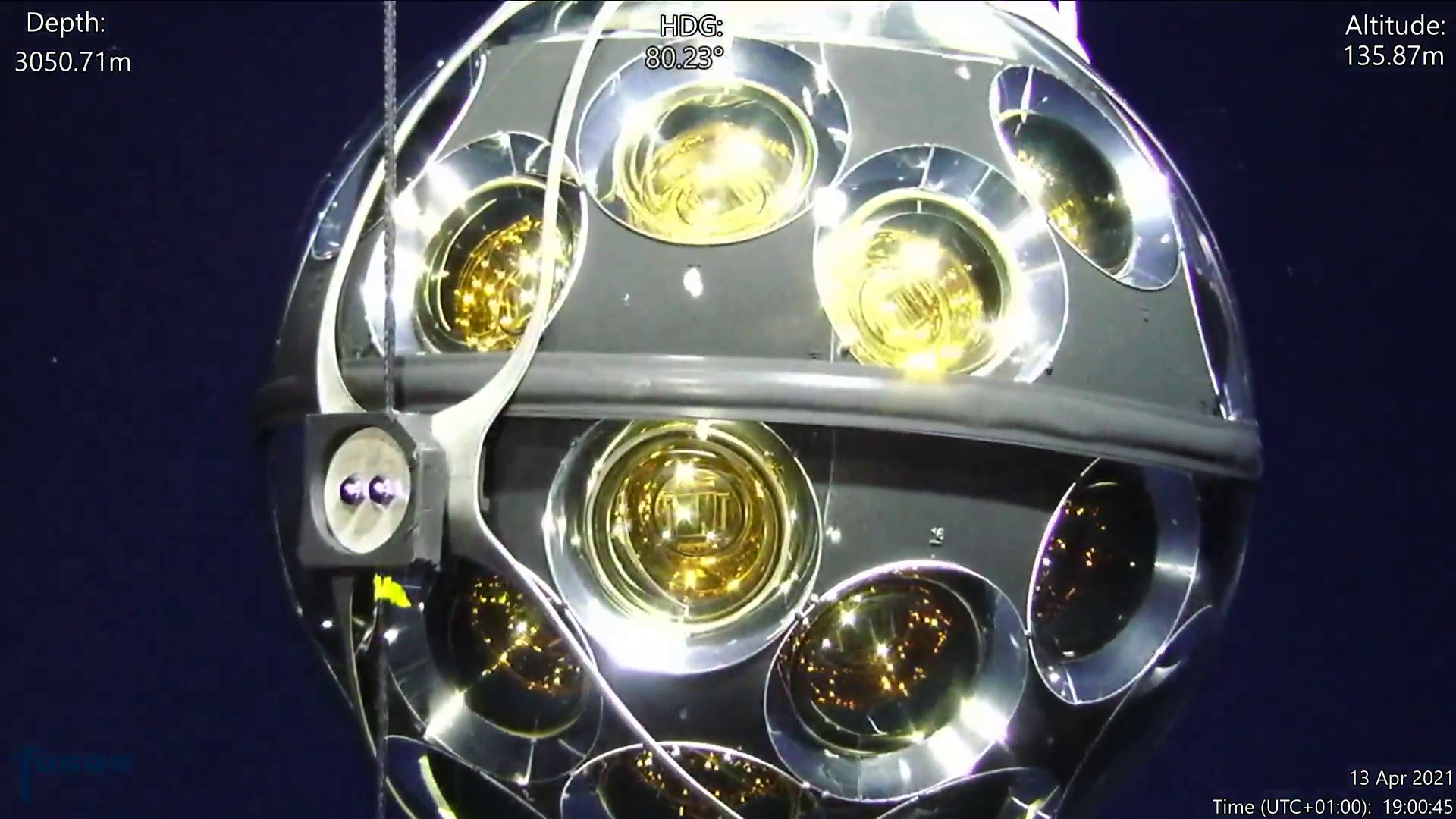
A 2023 detection by the KM3NeT/ARCA neutrino detector has confirmed a record-breaking 220 PeV cosmic neutrino event, likely of cosmogenic origin, highlighting the rarity and significance of ultra-high energy neutrino observations in Earth's oceans.
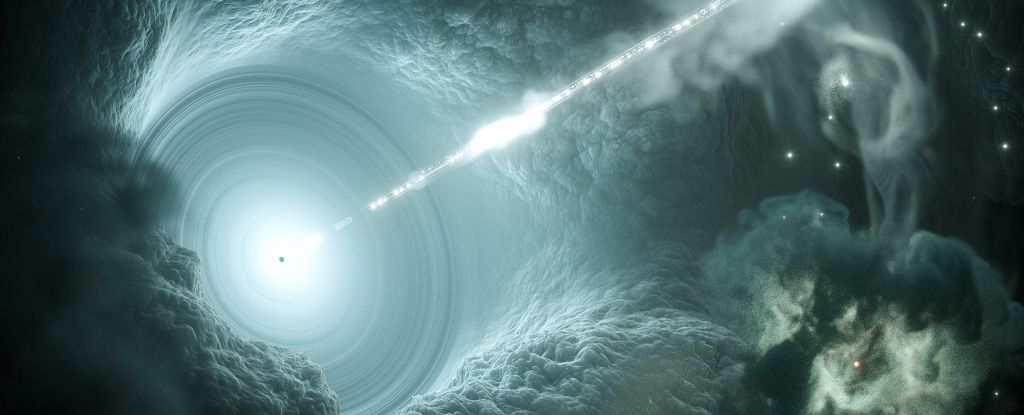
Scientists detected a record-breaking 220 PeV neutrino using the KM3NeT detector deep in the Mediterranean Sea, marking the highest energy neutrino ever observed and opening new avenues in ultra-high-energy neutrino astronomy, though its exact origin remains uncertain.
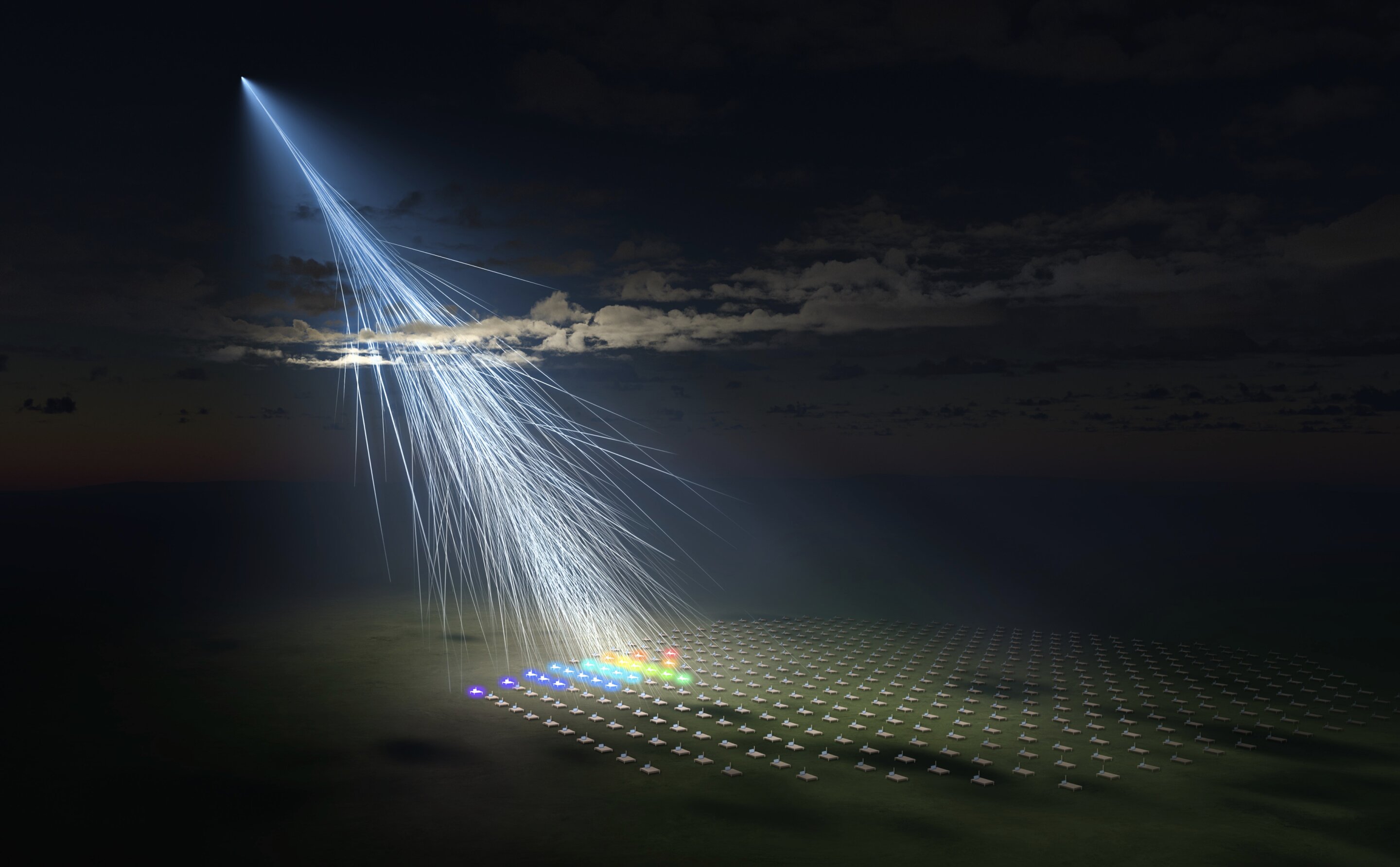
Astrophysicists at the University of Utah and the Telescope Array have detected ultra-high-energy cosmic rays, including the newly discovered Amaterasu particle, which challenge current understanding of particle physics. These particles have energies beyond theoretical limits and their origin and propagation remain a mystery. The Telescope Array, an ongoing research project, aims to unravel the unknown cosmic phenomena behind these rare cosmic rays.
The Telescope Array experiment has detected the second-highest-energy cosmic ray ever observed, with an energy equivalent to dropping a brick on your toe from waist height. The origin and mechanism of these ultra-high-energy cosmic rays remain unknown, as they surpass the theoretical limits of known sources. Researchers speculate that these rare phenomena may follow particle physics unknown to science. The Telescope Array is expanding its detectors to capture more events and shed light on the mystery.
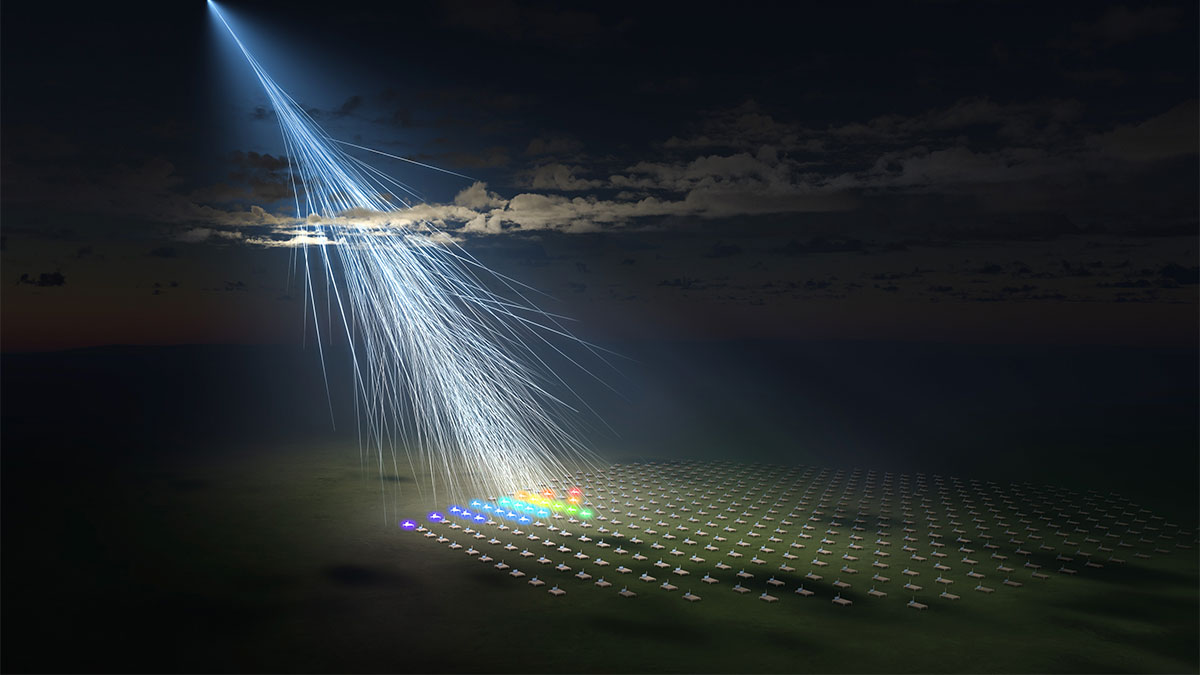
The Telescope Array, a collaboration between the University of Utah and the University of Tokyo, has detected the second-highest extreme-energy cosmic ray ever observed. Dubbed the "Amaterasu particle," this subatomic particle has an energy equivalent to dropping a brick on your toe from waist height. The origin of these ultra-high-energy cosmic rays remains a mystery, as they surpass the theoretical limit for cosmic ray energy and come from seemingly empty areas of space. Researchers speculate that unknown particle physics or defects in spacetime could be responsible. The Telescope Array is expanding its detectors in hopes of capturing more events and gaining further insights into these phenomena.