
Tag

Ultra Fast Winds

All articles tagged with #ultra fast winds

astronomy1 year ago

"Space Telescope Observes Massive Black Hole Unleashing Ultra-Fast Winds"

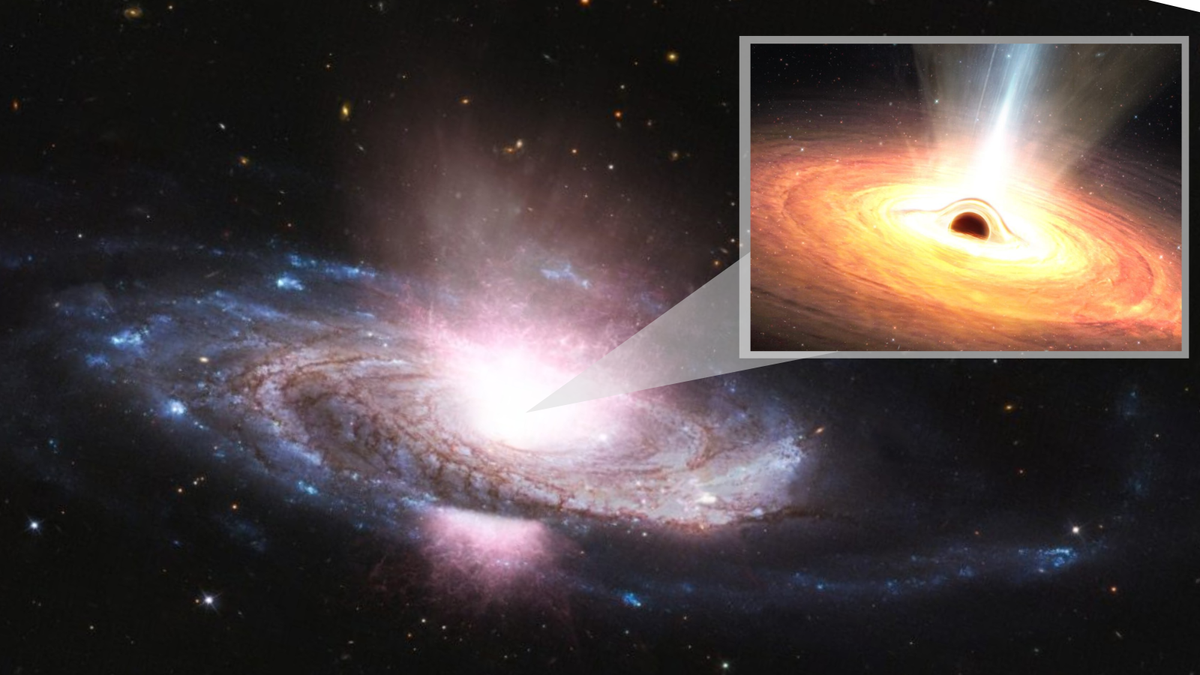
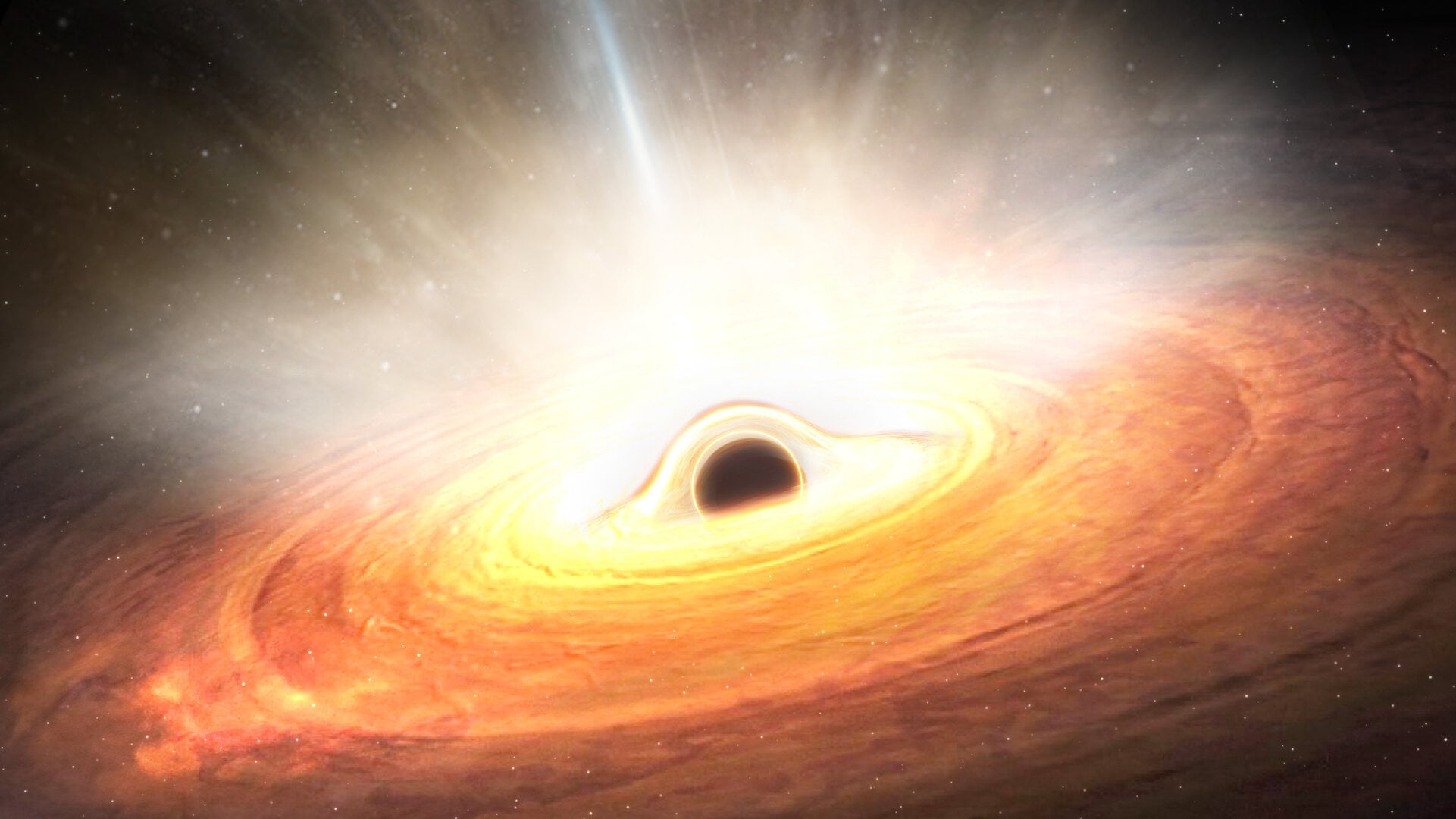
The European Space Agency's XMM-Newton telescope has detected ultra-fast winds emanating from the accretion disc of a supermassive black hole in the spiral galaxy Markarian 817. These powerful winds, observed for about a year, could potentially hinder the formation of new stars within the galaxy, indicating that black holes may have a greater impact on reshaping their host galaxies than previously believed, according to astronomers.
"Galactic Chaos: Black Hole's Massive Tantrum Unbalances Entire Galaxy"
astronomy1 year ago

"Galactic Chaos: Black Hole's Massive Tantrum Unbalances Entire Galaxy"

Astronomers have observed a supermassive black hole in the galaxy Markarian 817 throwing a tantrum by emitting ultrafast winds, effectively cutting off its parent galaxy's gas supply needed for star formation. This behavior, detected by the European Space Agency's XMM-Newton space telescope, challenges previous assumptions about the conditions under which such winds are generated. The discovery suggests that even lightly feeding supermassive black holes can expel powerful winds capable of reshaping their host galaxies, and that such winds may be more common than previously thought. This finding could provide insights into the formation of galaxies and the role of black holes in their evolution.

"Rampaging Black Hole: XMM-Newton Observations Uncover Unprecedented Activity"
science-and-exploration1 year ago

"Rampaging Black Hole: XMM-Newton Observations Uncover Unprecedented Activity"

ESA's XMM-Newton has observed a black hole, located in the galaxy Markarian 817, emitting ultra-fast winds that are disrupting the formation of new stars in its vicinity. This discovery sheds light on the intricate relationship between black holes and galaxies, suggesting that black holes may have a more significant impact on their host galaxies than previously thought. The study, led by undergraduate researcher Miranda Zak, utilized data from XMM-Newton's EPIC instrument, as well as observations from NASA's Swift and NuSTAR missions, to uncover this phenomenon.