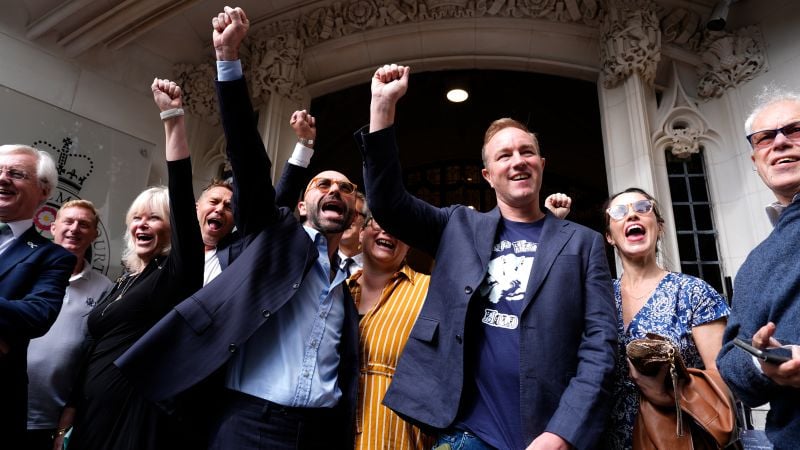
The UK Supreme Court unanimously overturned the conviction of former trader Tom Hayes for Libor interest rate rigging, citing unfair trial procedures and the right to a fair defense, after Hayes served five and a half years of an initial 14-year sentence.
The UK Supreme Court has ruled that AI cannot be named as an inventor, stating that only humans or companies can be considered creators. The decision aligns with a similar ruling in the US, where the US Patent and Trademark Office denied a petition from Stephen Thaler, the founder of the AI system DABUS, to claim AI as an inventor. Thaler had sought to register DABUS as the inventor of a food container and a flashing light beacon, but the UK Intellectual Property Office rejected the request. The case raises questions about how to deal with AI-generated material and whether it can be protected under the law.
The UK Supreme Court has upheld previous decisions rejecting a bid to allow an artificial intelligence (AI) to be named as an inventor in a patent application. The court concluded that "an inventor must be a person" and that an AI cannot be named as an inventor to secure patent rights. The decision does not address whether the AI in question actually invented the items. The Intellectual Property Office (IPO) welcomed the judgment and stated that the UK patent system will continue to support AI innovation. However, legal experts anticipate growing pressure for changes to existing laws as AIs become more capable of generating novel ideas.
The UK Supreme Court has ruled that artificial intelligence (AI) cannot be recognized as an inventor in a landmark case regarding patent rights. The case involved a U.S. computer scientist who sought to register patents for inventions created by his AI system. The UK's Intellectual Property Office rejected the application, stating that an inventor must be a human or a company. The Supreme Court unanimously upheld this decision, clarifying that under UK patent law, an inventor must be a natural person. The ruling has raised questions about how the patent system should handle AI-generated inventions, and the government will review this area of law.
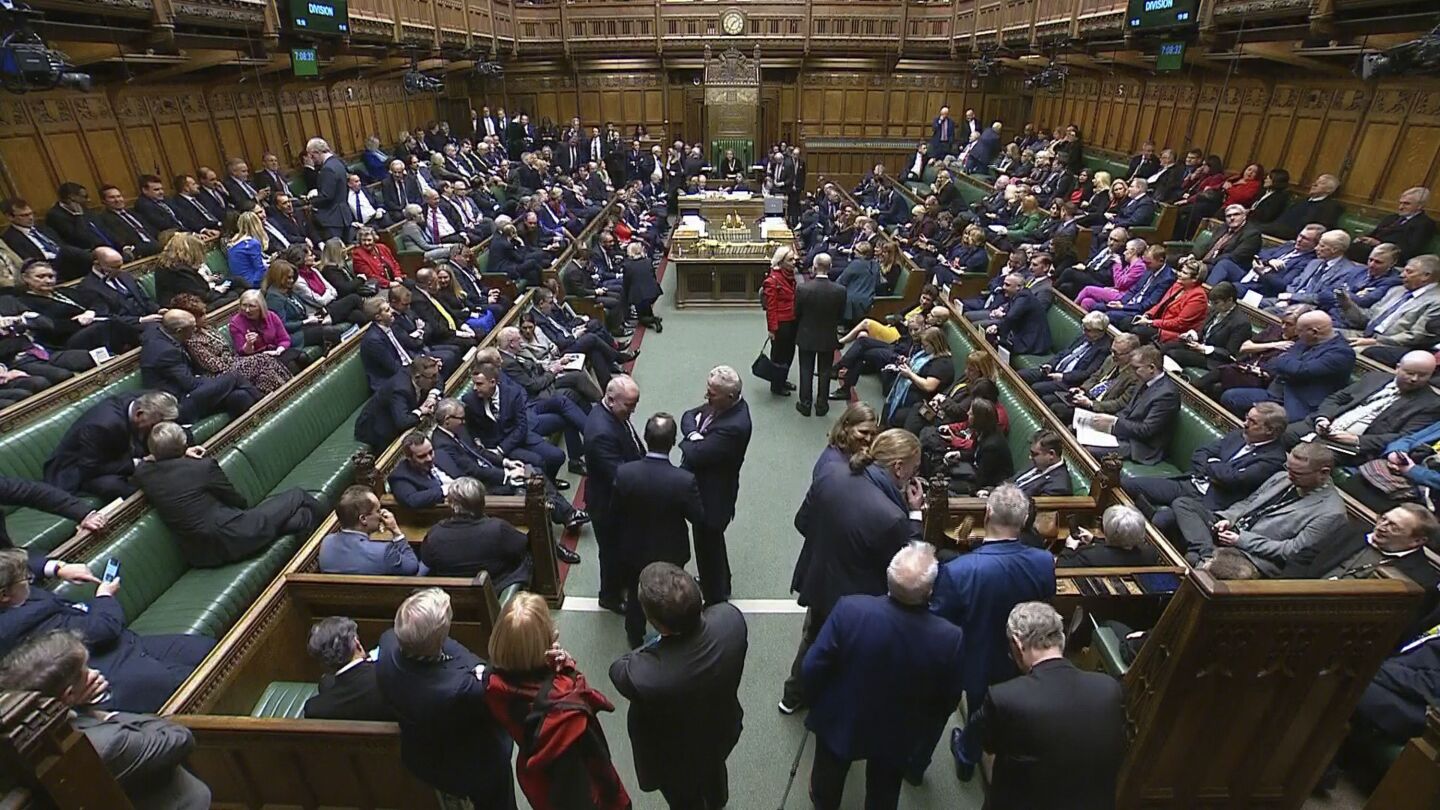
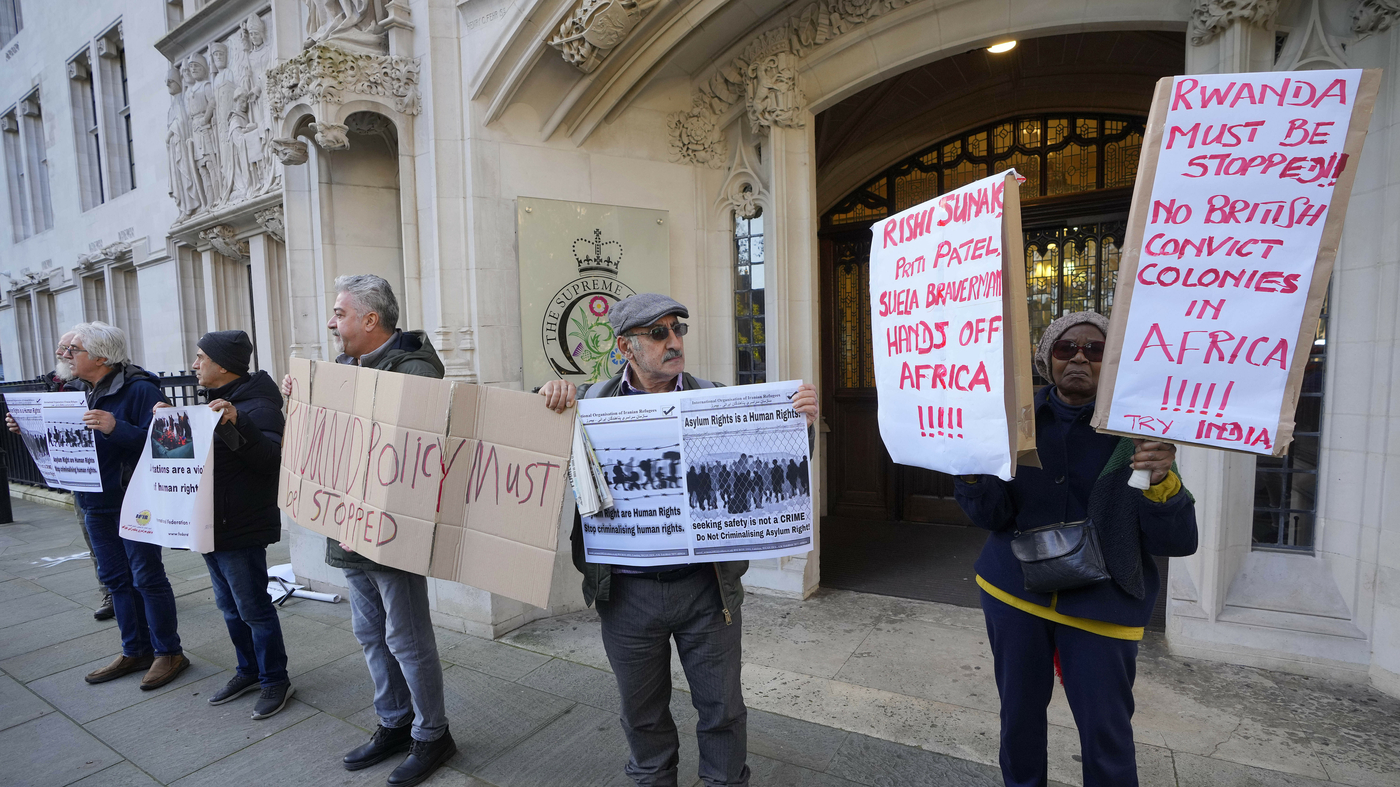
British lawmakers have voted in favor of the government's plan to send asylum-seekers to Rwanda, despite criticism from human rights groups and legal challenges. The bill seeks to overcome a ruling by the UK Supreme Court that deems the plan illegal. The controversial policy, which has cost the UK at least $300 million, aims to deter unauthorized migrants from crossing the English Channel from France. Prime Minister Rishi Sunak sees delivering on this promise as crucial for closing the gap in opinion polls with the opposition Labour Party ahead of the upcoming election. However, critics argue that the plan is unworkable, unethical, and undermines the rule of law.
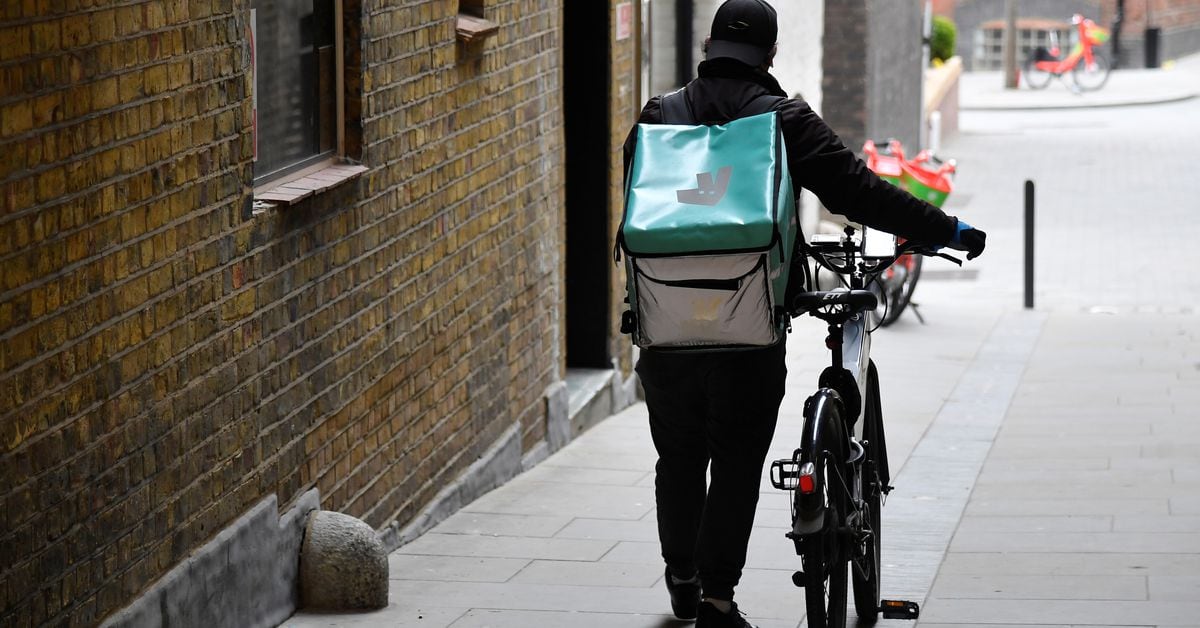
The United Kingdom's Supreme Court has ruled that Deliveroo riders cannot be represented by a trade union for collective bargaining purposes. The Independent Workers Union of Great Britain (IWGB) had sought to negotiate pay and conditions on behalf of Deliveroo riders, but the court unanimously dismissed their appeal. The court stated that Deliveroo riders do not have an employment relationship with the company and are not entitled to compulsory collective bargaining. The ruling provides certainty for platform economy companies with flexible operating models, while the IWGB expressed disappointment and emphasized the importance of worker unity in demanding change.
The UK Supreme Court has unanimously ruled that the government's plan to send asylum-seekers to Rwanda is unlawful, stating that there is a real risk of ill-treatment if they were removed to Rwanda. Prime Minister Rishi Sunak has vowed to pass emergency legislation to deem Rwanda a safe country and not allow foreign courts to block the flights. The European Court of Human Rights had previously blocked the first planned flight to Rwanda, and critics argue that there is no evidence that the threat of deportation to Rwanda would deter migrants from crossing the English Channel. The ruling leaves the government with no legal routes to salvage its signature immigration policy, which aimed to criminalize boat crossings without a visa and threaten deportation to Rwanda. Refugee charities have welcomed the ruling, while some hard-liners in Sunak's Conservative Party are pushing for the country to withdraw from the European Convention on Human Rights.
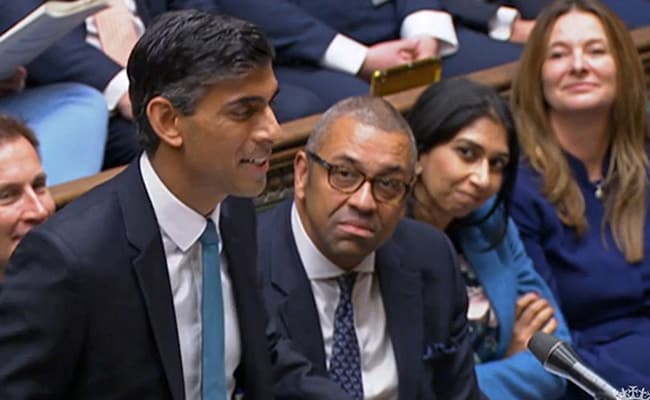
UK Prime Minister Rishi Sunak faces a challenging week as he decides whether to fire Home Secretary Suella Braverman, who has faced criticism for her comments on police tactics during pro-Palestinian protests in London. Keeping Braverman may weaken Sunak's image, while firing her could lead to a revolt within the Conservative Party. The protests have drawn over 300,000 participants and have been blamed for increasing community tensions. Additionally, Braverman's role in overseeing immigration policy is linked to a Supreme Court ruling on the government's plan to deport asylum-seekers to Rwanda, further complicating Sunak's decision.
The U.K. Supreme Court is set to deliberate on the legality of the British government's plan to deport migrants to Rwanda, a policy aimed at deterring unauthorized crossings of the English Channel. The government had signed a deal with Rwanda to take in migrants who had sought asylum in the U.K. but had never been to Africa. Critics argue that the policy is discriminatory and amounts to an asylum ban for most migrants. The Supreme Court ruling, expected in November, will be the final say on the matter. The U.K. has seen a spike in legal and illegal migration, with the English Channel becoming a major route for undocumented migrants.
The UK Supreme Court has ruled that Ukraine can mount a defense against a Eurobond lawsuit brought by Russia, centered on billions of dollars borrowed from Moscow by pro-Russian Ukrainian President Viktor Yanukovich. The court decision hinged on Ukraine's assertion that Moscow's threats of military force amounted to illegitimate pressure on Ukraine to assume the $3 billion debt in 2013. The ruling allows Ukraine to stave off any further repayments, and the Eurobond case will now go to a full public trial.