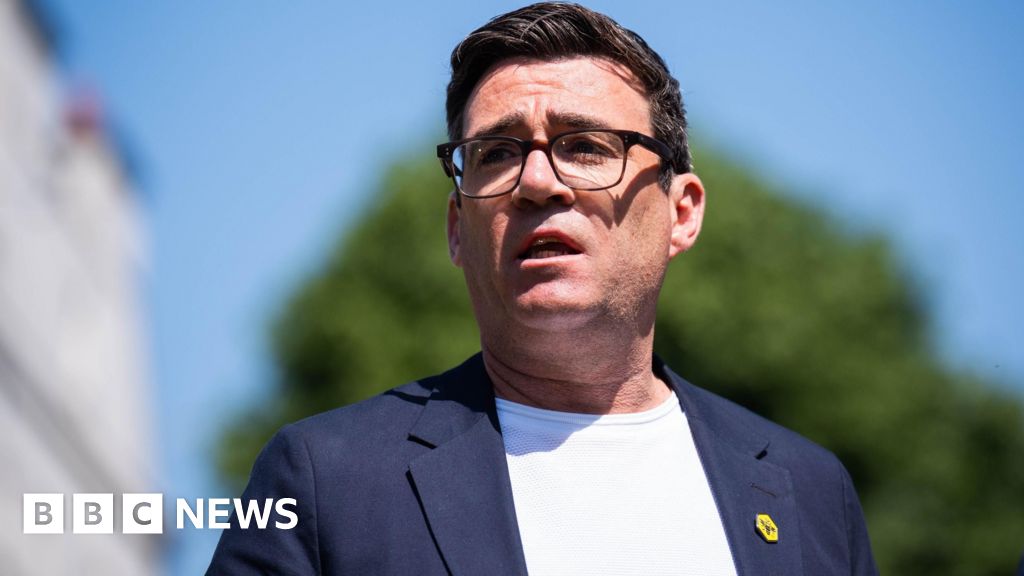
Manchester Mayor Andy Burnham expressed concerns about the balance of the Labour Party's cabinet following Angela Rayner's resignation, which triggered a major reshuffle and a forthcoming deputy leadership contest, highlighting internal party tensions and regional representation issues.
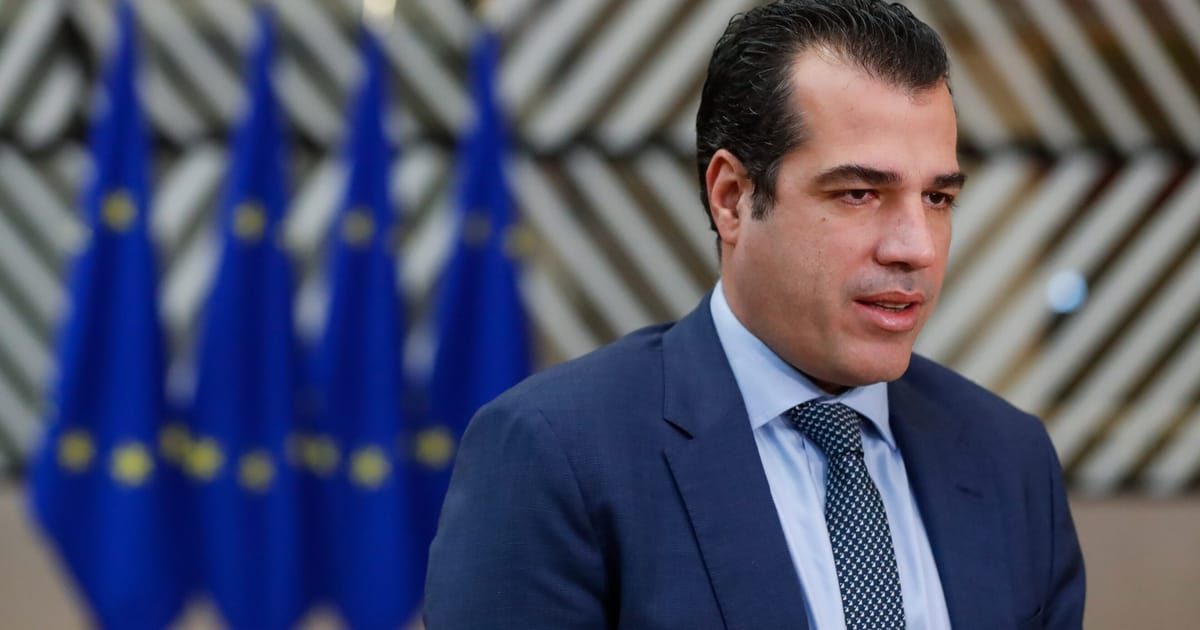
Greece's government announced cabinet changes following high-profile resignations linked to a large-scale fraud scheme involving EU agricultural funds, with Thanos Plevris appointed as migration minister amid opposition criticism.
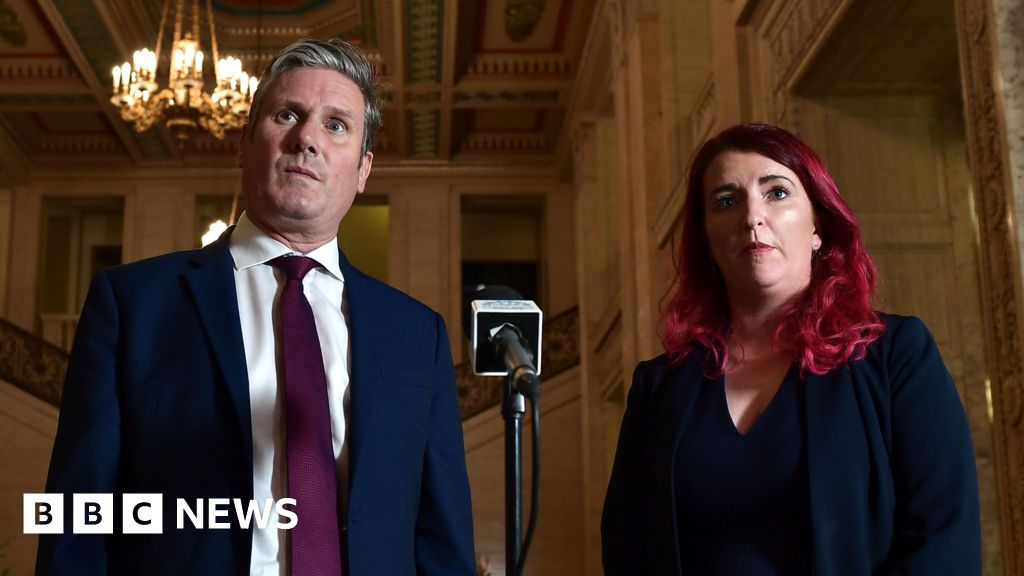
Louise Haigh's resignation from the UK cabinet has sparked questions and political maneuvering, particularly concerning her past fraud conviction, which she disclosed to Labour leader Keir Starmer but not to the government's propriety and ethics team. Her departure, seen by some as a strategic move to avoid prolonged controversy, has led to Heidi Alexander's appointment as her successor. The situation raises questions about Starmer's judgment, especially given his previous stance that 'lawbreakers can't be lawmakers.'
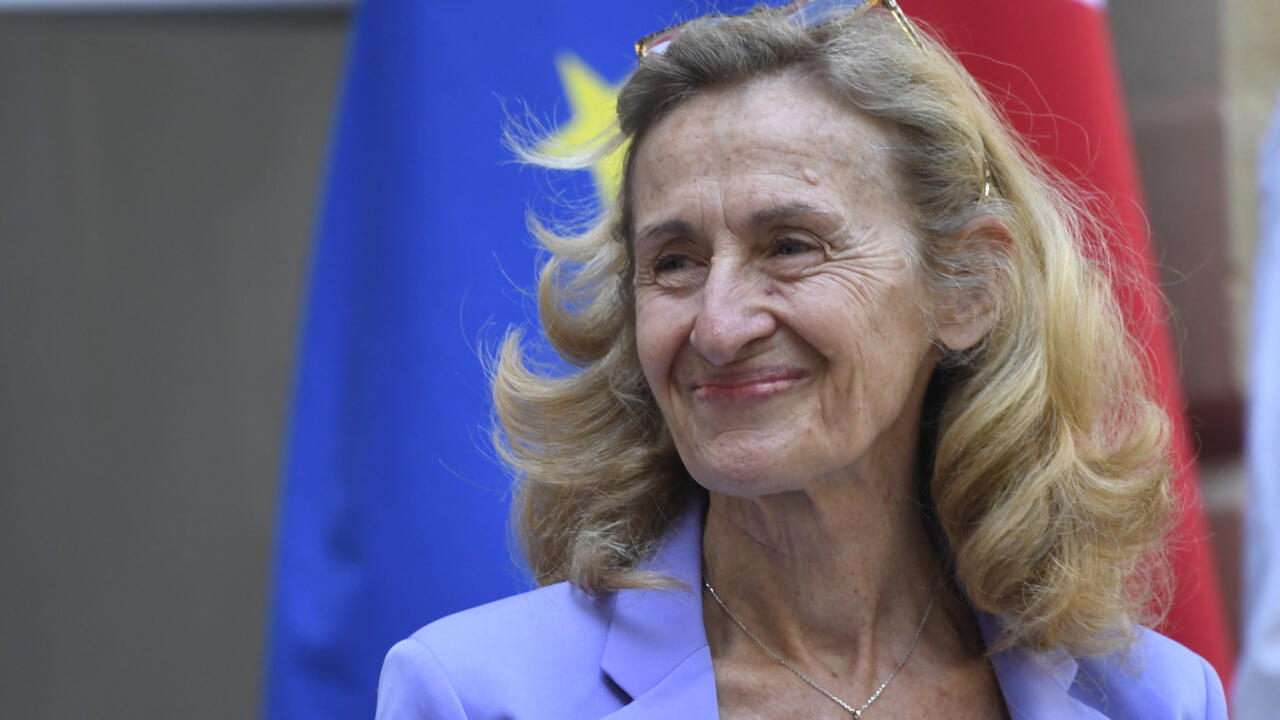
French President Emmanuel Macron replaced education minister Amelie Oudéa-Castéra with former justice minister Nicole Belloubet after a series of controversies, including Oudéa-Castéra's decision to send her child to a private school and the school's investigation for homophobic comments. The reshuffle comes as Macron seeks to regain momentum for the final phase of his presidency under Prime Minister Gabriel Attal, with the government also finalizing the line-up of junior ministers.
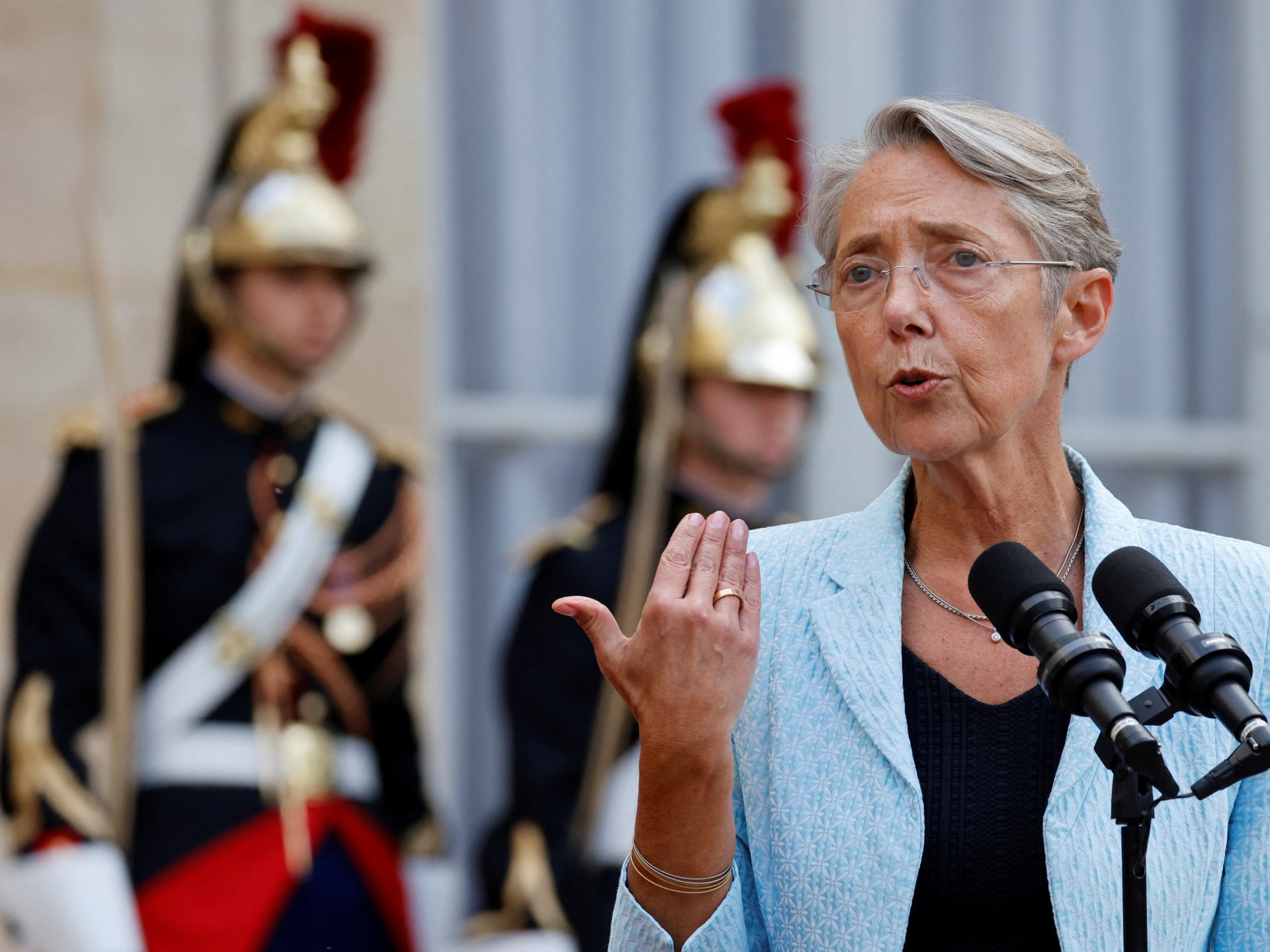
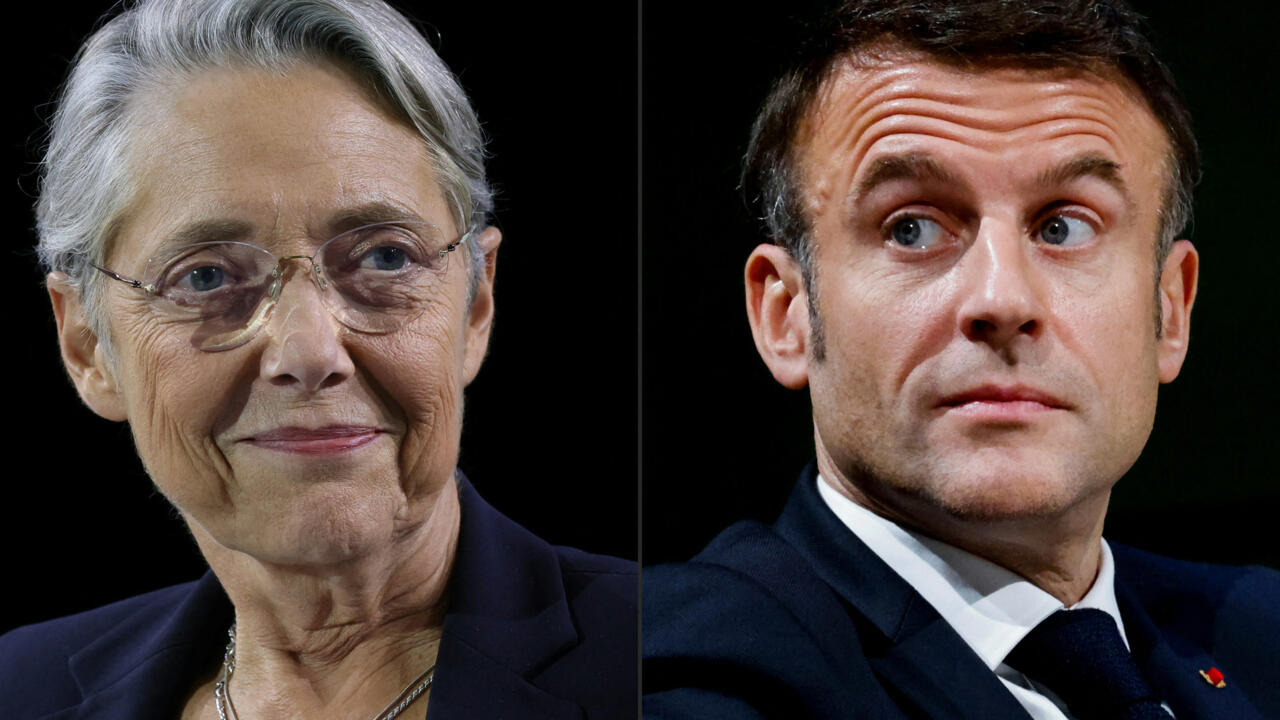
French Prime Minister Elisabeth Borne has resigned, paving the way for a cabinet reshuffle as President Emmanuel Macron seeks to revitalize his presidency. Speculation surrounds potential candidates to replace Borne, with a focus on new priorities such as achieving full employment. Macron's government has faced challenges in passing laws, and the reshuffle may impact the race within his camp to succeed him in the next presidential election.
French President Emmanuel Macron is considering a cabinet reshuffle, possibly replacing Prime Minister Elisabeth Borne, following political challenges including the recent rejection and subsequent controversial changes to an immigration bill. Macron's consultations with key figures indicate a desire for a new look for the government, with potential candidates for the prime minister position being Sebastien Lecornu and Julien Denormandie, both of whom have ties to Macron. The decision comes amid growing challenges from the far-right National Rally and internal disagreements within Macron's political party.
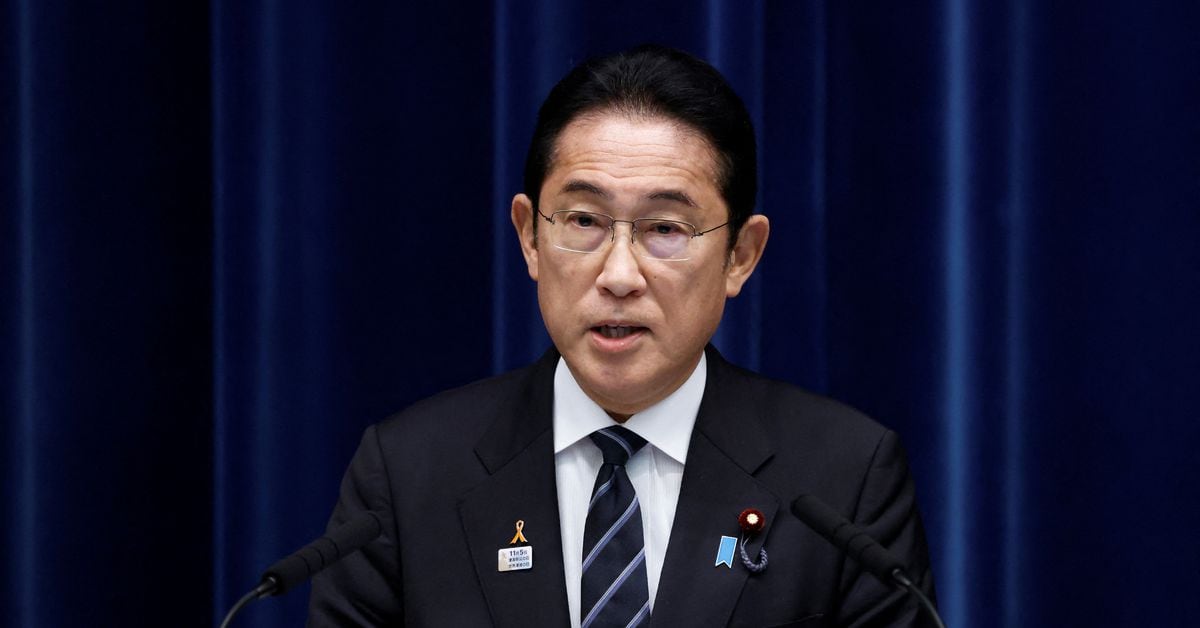
Japanese Prime Minister Fumio Kishida has vowed to restore trust in his government following a fundraising scandal that has caused a decline in public support. Reports suggest that Kishida plans to replace several cabinet ministers implicated in the scandal, including top government spokesman Hirokazu Matsuno. The scandal poses a significant challenge to the ruling Liberal Democratic Party (LDP), which has seen its approval ratings drop. Kishida is expected to hold a press conference to address the issue, and a cabinet reshuffle may take place as early as Thursday.
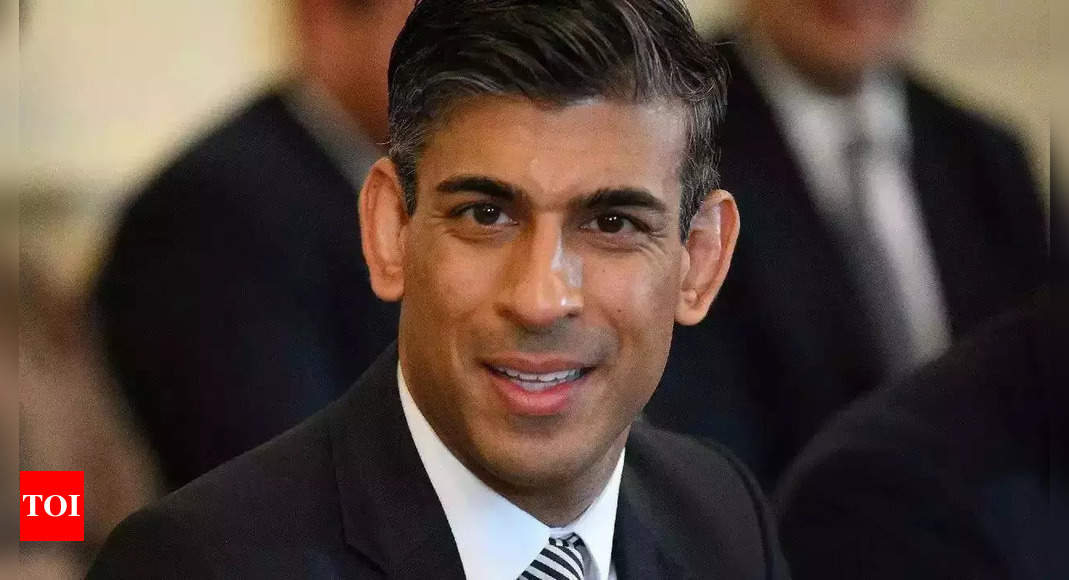
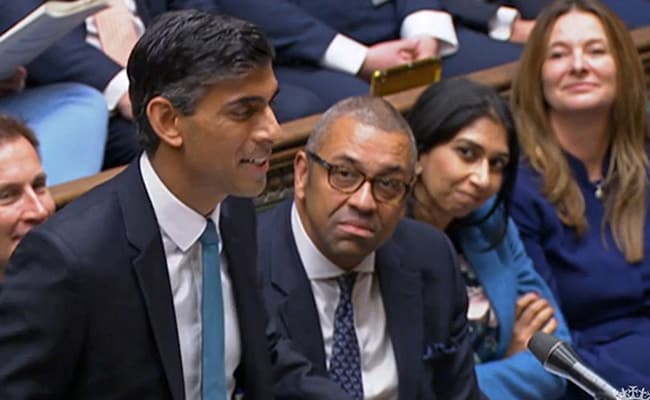
UK Prime Minister Rishi Sunak has received his first no-confidence letter from party member Andrea Jenkyns, who criticized him for firing interior minister Suella Braverman and accused him of purging the center-right from his cabinet. Jenkyns called for Sunak's removal, citing his unpopularity among party members and the public. A vote of confidence in Sunak's leadership would be initiated if 15 percent of Conservative Party MPs send letters indicating their choice for a new leader. The reshuffle was prompted by Braverman's criticism of the police, and former UK Prime Minister David Cameron was appointed as the foreign minister.
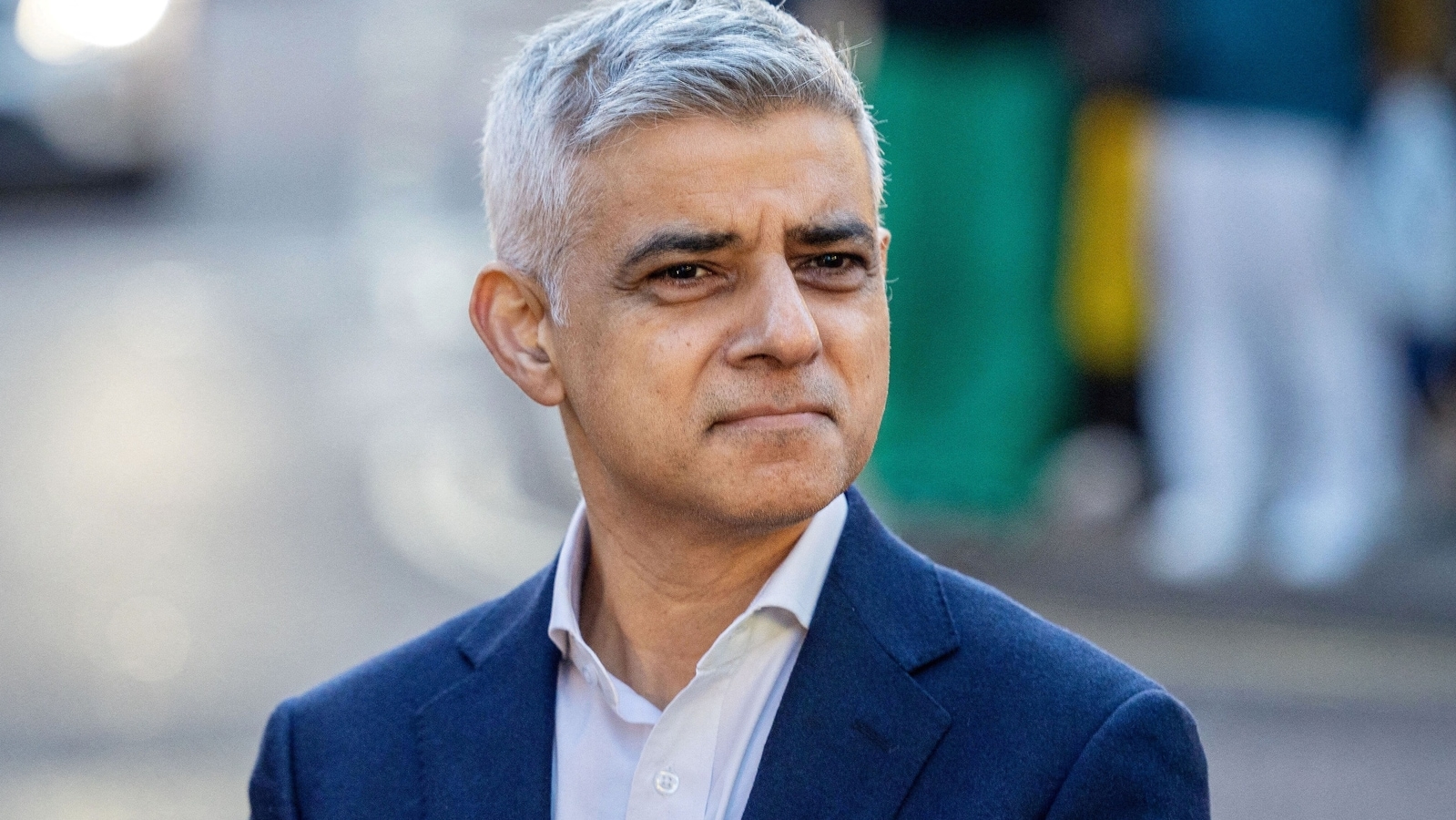
London mayor Sadiq Khan praises UK Prime Minister Rishi Sunak for sacking Suella Braverman as home secretary, stating that Sunak has "grown a backbone." Khan accuses Braverman of undermining the police and stirring up the far-right. Last weekend, Khan blamed Braverman's words for violent clashes involving counter-protesters on Armistice Day. Sunak also condemns the clashes and expresses support for peaceful expression of views.
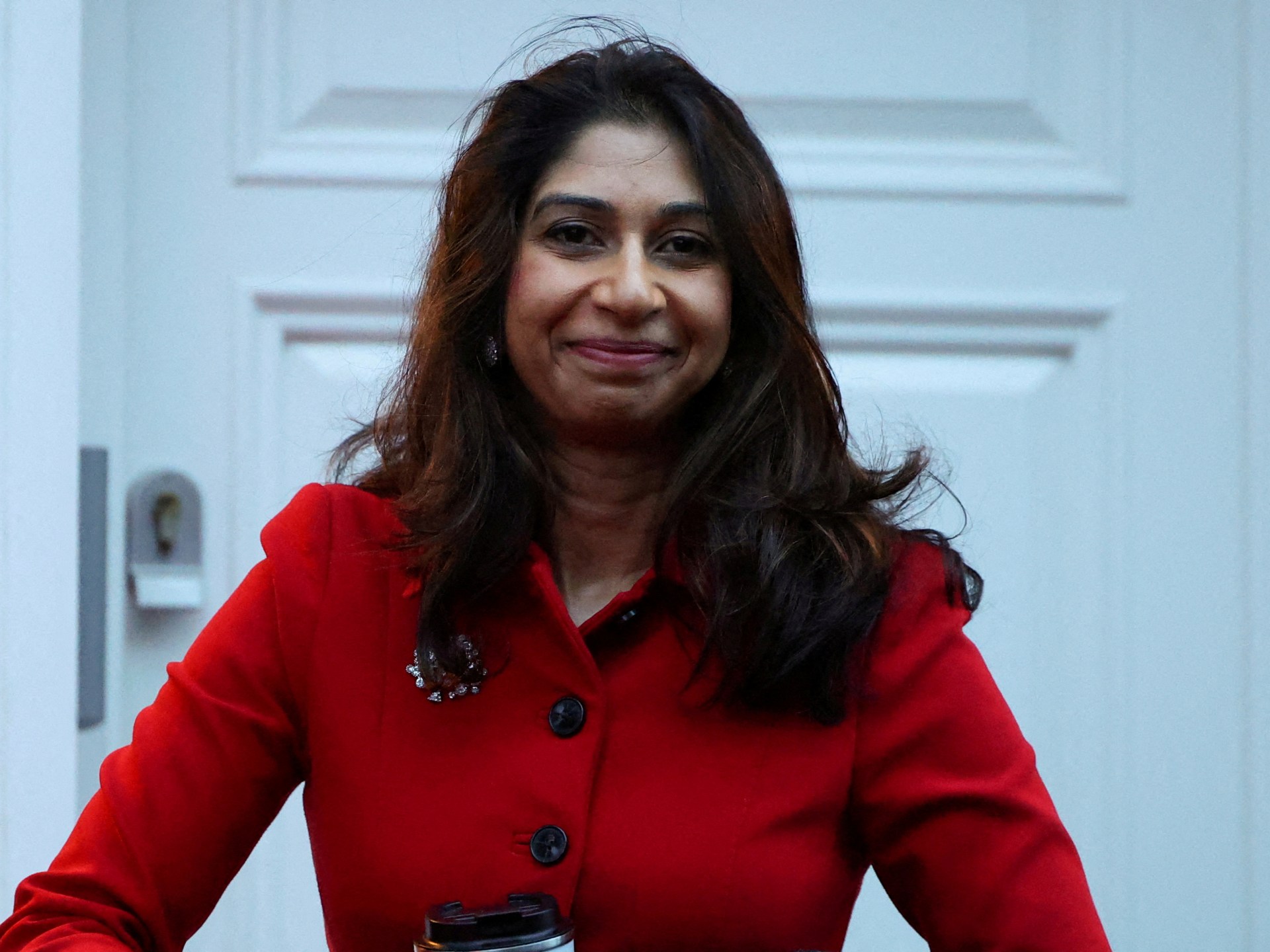
UK Home Secretary Suella Braverman was fired by Prime Minister Rishi Sunak following her criticism of the police's leniency towards pro-Palestinian protesters. Braverman's dismissal came after she wrote an opinion piece blaming the police for "playing favorites" and taking a lenient stance. Sunak cited a violation of the ministerial code as the reason for her firing. James Cleverly has been appointed as the new Home Secretary, while former Prime Minister David Cameron has been appointed as the new Foreign Secretary, sparking criticism from both Conservatives and the opposition Labour Party.
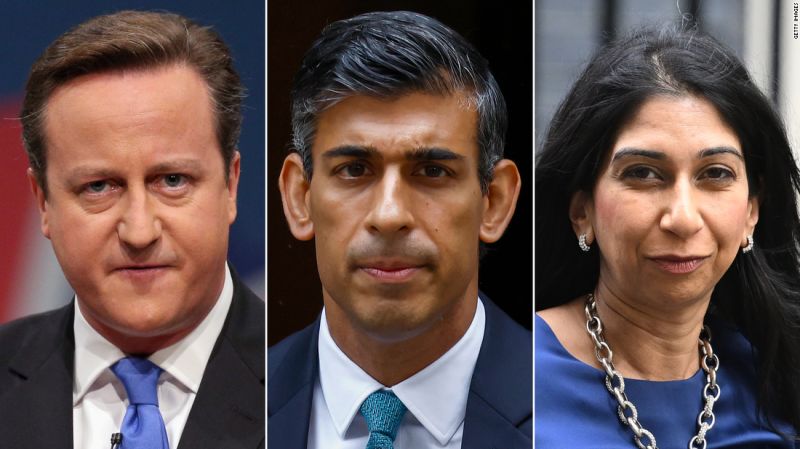
Britain's Prime Minister Rishi Sunak fired his controversial Home Secretary Suella Braverman, who had made inflammatory comments about the policing of pro-Palestinian protests. In a surprising move, former Prime Minister David Cameron was brought back to the government as foreign secretary after a seven-year absence from politics. Cameron's return is seen as an attempt to project stability, but risks deepening the perception that the Conservative Party has run out of ideas. Braverman's dismissal sets up a potential power battle within the ruling party, with speculation that she may be eyeing a leadership bid after the upcoming general election.
UK Prime Minister Rishi Sunak has fired Suella Braverman, a senior and divisive minister, in a cabinet reshuffle that unexpectedly brought former Prime Minister David Cameron back into government. Braverman had stirred tensions with her article criticizing the police's handling of a pro-Palestinian protest. She was replaced by James Cleverly at the Home Office, while Cameron was appointed as foreign secretary. Braverman's departure highlights the challenges Sunak faces as he grapples with low poll numbers, a stagnant economy, and a restless party.
British Prime Minister Rishi Sunak has conducted a cabinet reshuffle, removing Suella Braverman as Home Secretary following accusations of inflaming tensions with her comments about a pro-Palestinian rally. Braverman has been replaced by James Cleverley, while former Prime Minister David Cameron has made a surprise return to frontline politics as Foreign Minister. Opposition parties criticized Braverman for emboldening far-right groups and undermining the police's operational independence.
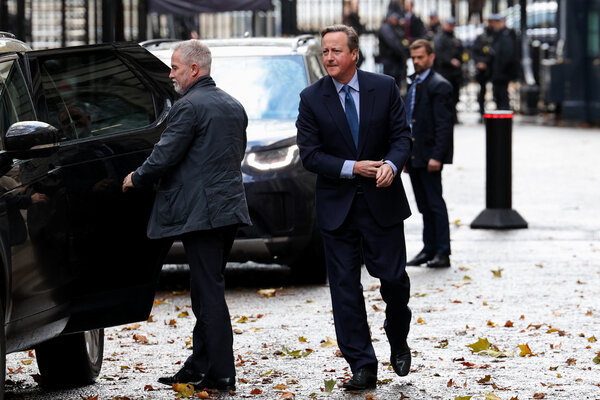
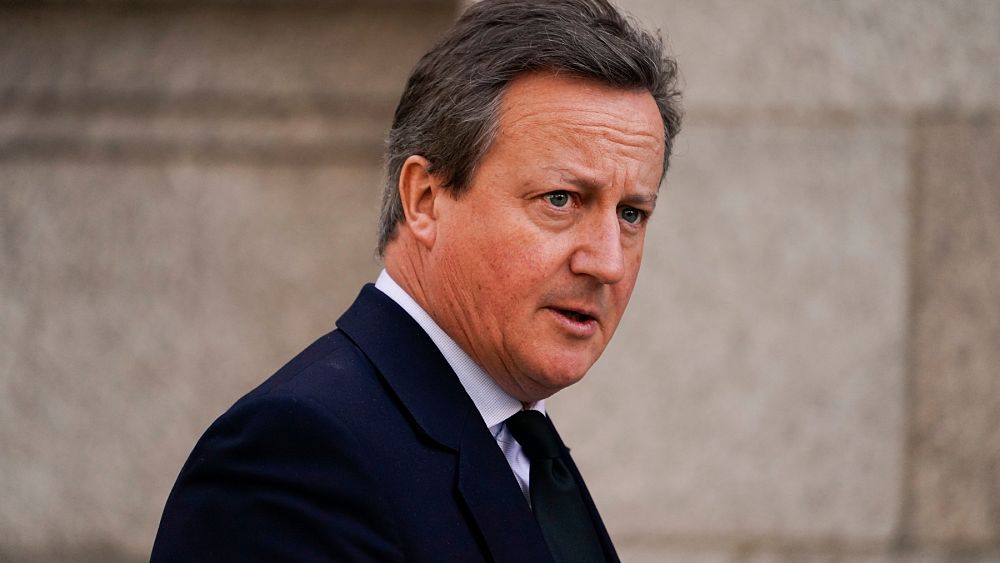
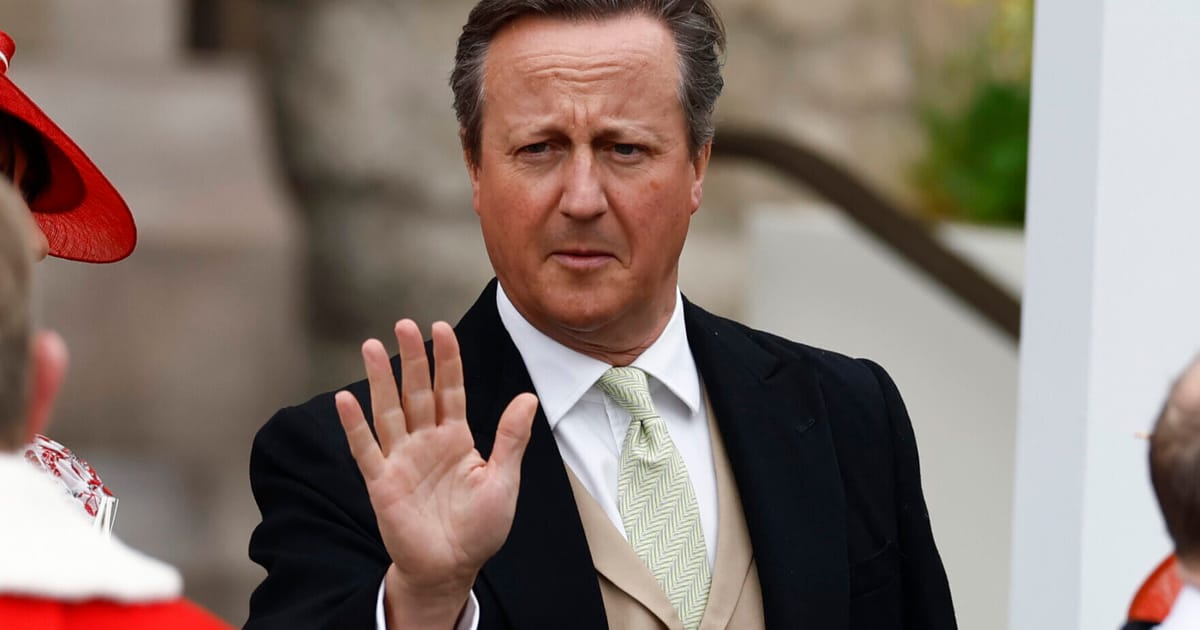
Former UK Prime Minister David Cameron has made a surprise comeback as the new foreign secretary in Rishi Sunak's government reshuffle. Cameron, who resigned in 2016 after losing the Brexit referendum, will become a life peer in the House of Lords to take on the role. This move comes as Sunak aims to boost his party's popularity in opinion polls. The appointment has caused shockwaves within Westminster and the Conservative Party, as it marks the first time a former prime minister has served in a successor's Cabinet since the 1970s. Despite their differing stances on Brexit, Cameron expressed his support for Sunak and his leadership, stating his desire to help deliver security and prosperity for the country.
UK Prime Minister Rishi Sunak faces a challenging week as he decides whether to fire Home Secretary Suella Braverman, who has faced criticism for her comments on police tactics during pro-Palestinian protests in London. Keeping Braverman may weaken Sunak's image, while firing her could lead to a revolt within the Conservative Party. The protests have drawn over 300,000 participants and have been blamed for increasing community tensions. Additionally, Braverman's role in overseeing immigration policy is linked to a Supreme Court ruling on the government's plan to deport asylum-seekers to Rwanda, further complicating Sunak's decision.