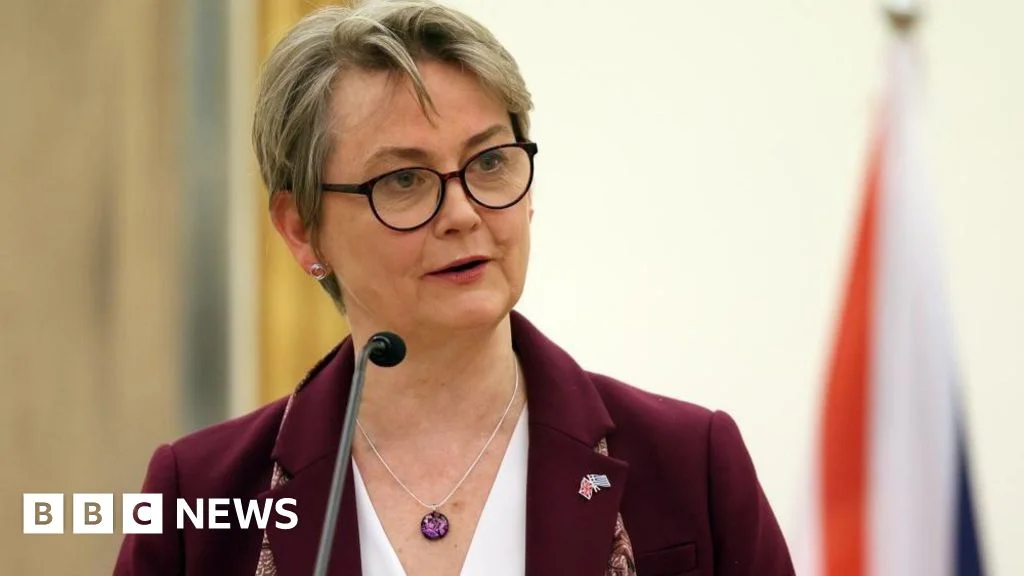
The UK has imposed sanctions on Syrian militia leaders, groups, and businessmen involved in violence and supporting the Assad regime, including asset freezes and travel bans, as part of efforts to promote accountability and support Syria's political stability.
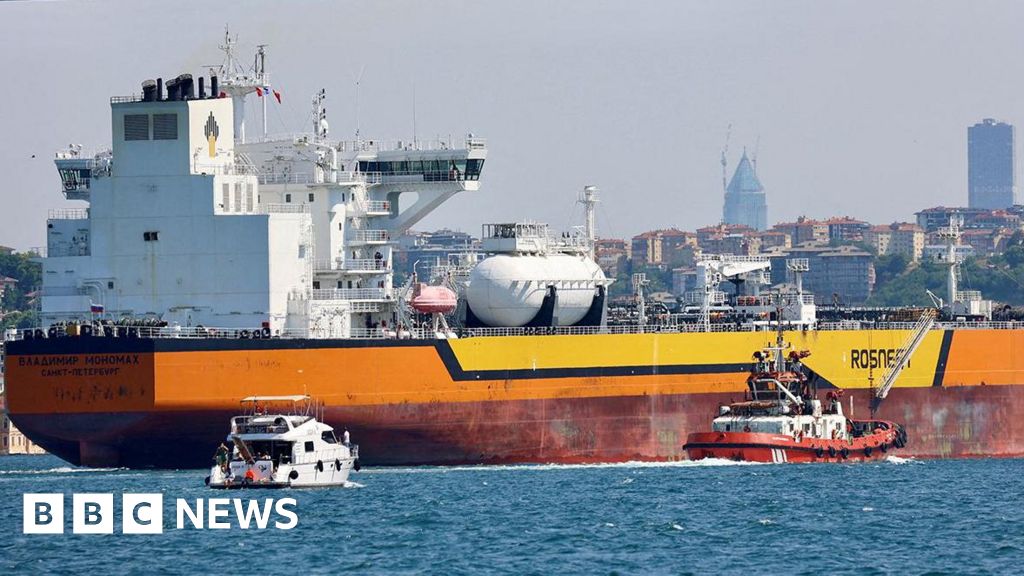
The UK has imposed sanctions on Russia's largest oil companies, Lukoil and Rosneft, along with a shadow fleet of oil tankers, and targeted Indian and Chinese oil terminals to cut off funding for Russia's war in Ukraine, aiming to significantly impact Russia's economy and military capabilities.
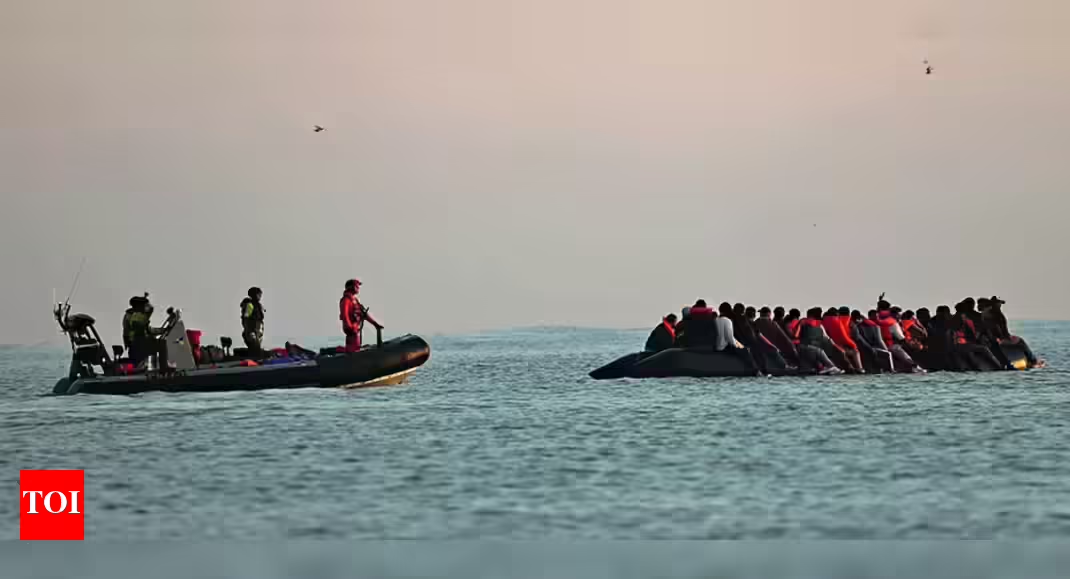
The UK has introduced its first-ever sanctions targeting individuals involved in smuggling illegal migrants, aiming to disrupt organized crime networks and their financial operations, though experts question the effectiveness of these measures in significantly reducing Channel crossings.
The UK has imposed sanctions on 18 Russian military intelligence officers and units for malicious cyber activities, linking them to efforts to destabilize Europe and target Ukraine, amid broader EU sanctions aimed at pressuring Russia over its invasion of Ukraine. The sanctions include asset freezes and target activities such as cyber espionage and disinformation, as Western allies seek to increase pressure on Russia to end the conflict.
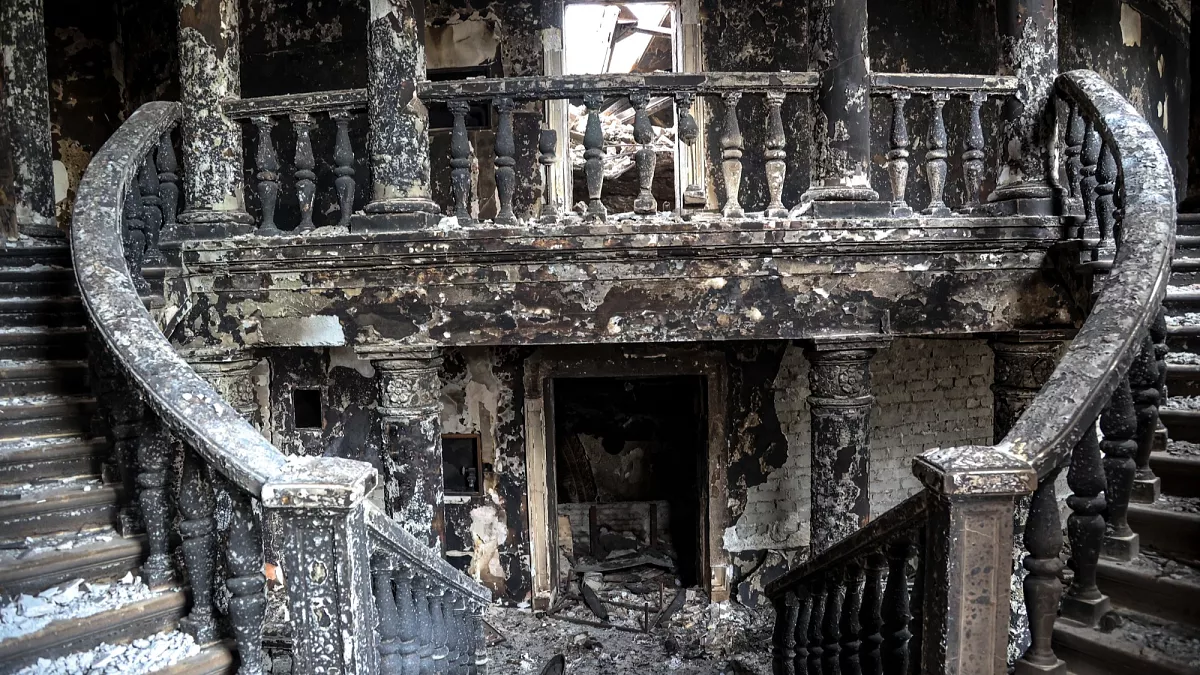
The UK has sanctioned 18 Russian military intelligence officers and three units, including the GRU, for their roles in the 2022 Mariupol theatre air strike that killed around 600 civilians, and for conducting cyber espionage and disinformation campaigns across Europe, Ukraine, and the US, aiming to destabilize and undermine support for Ukraine.
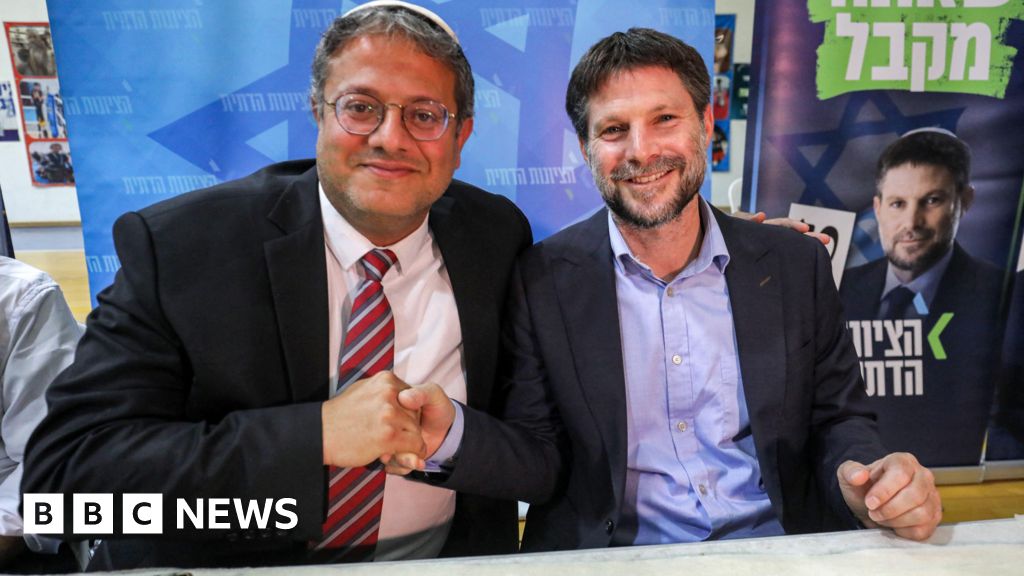
The UK has imposed travel bans and asset freezes on Israeli far-right ministers Itamar Ben-Gvir and Bezalel Smotrich due to their comments on Gaza, citing incitement of violence and human rights abuses, amid ongoing tensions in the region.
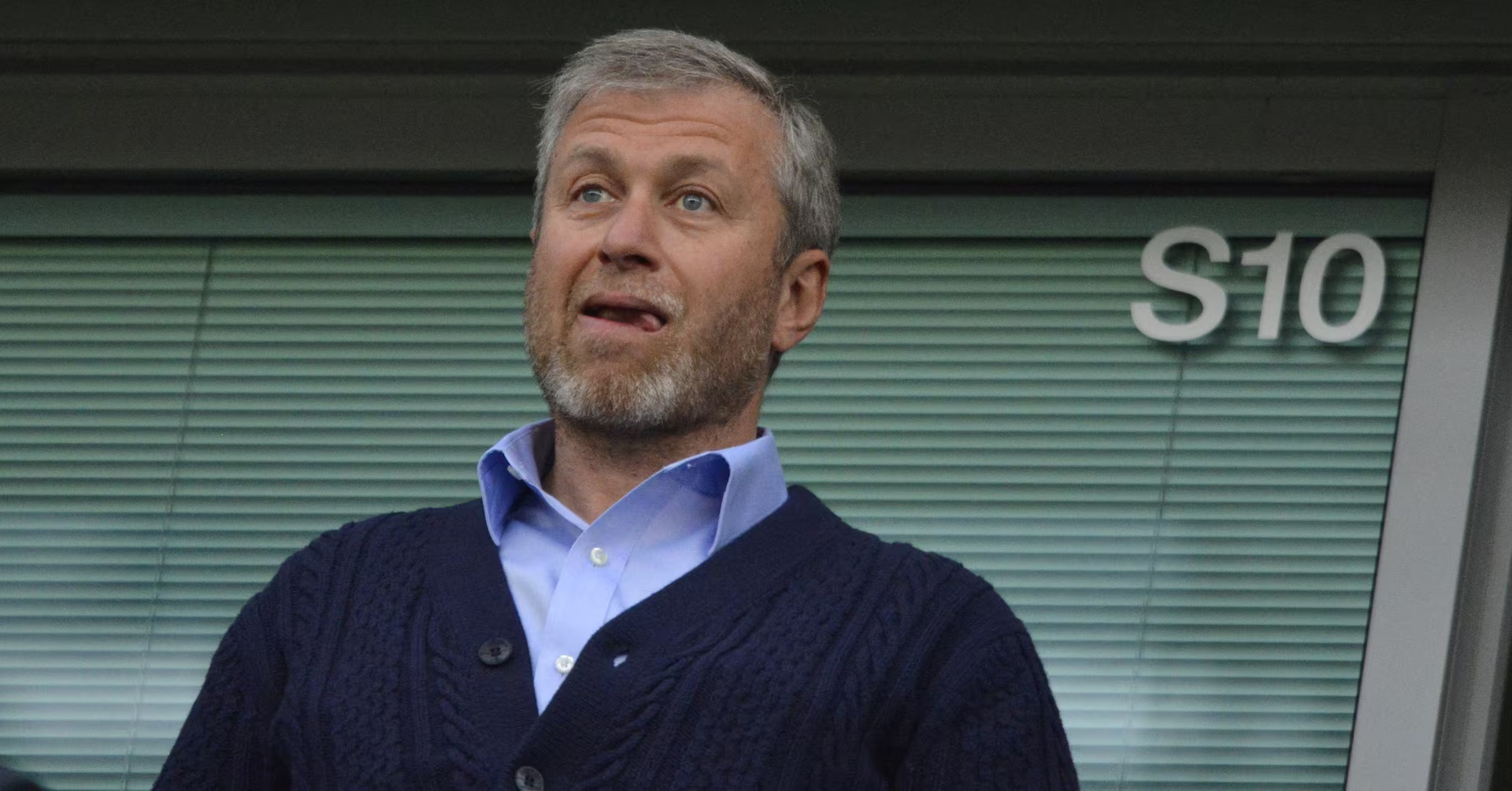
Britain has threatened to sue Roman Abramovich over the 2.5 billion pounds from the sale of Chelsea, which was frozen due to sanctions related to Russia's invasion of Ukraine. The UK government aims to ensure the funds are used for humanitarian aid in Ukraine and is prepared to pursue legal action if necessary, while Abramovich seeks more flexibility on the use of the proceeds.
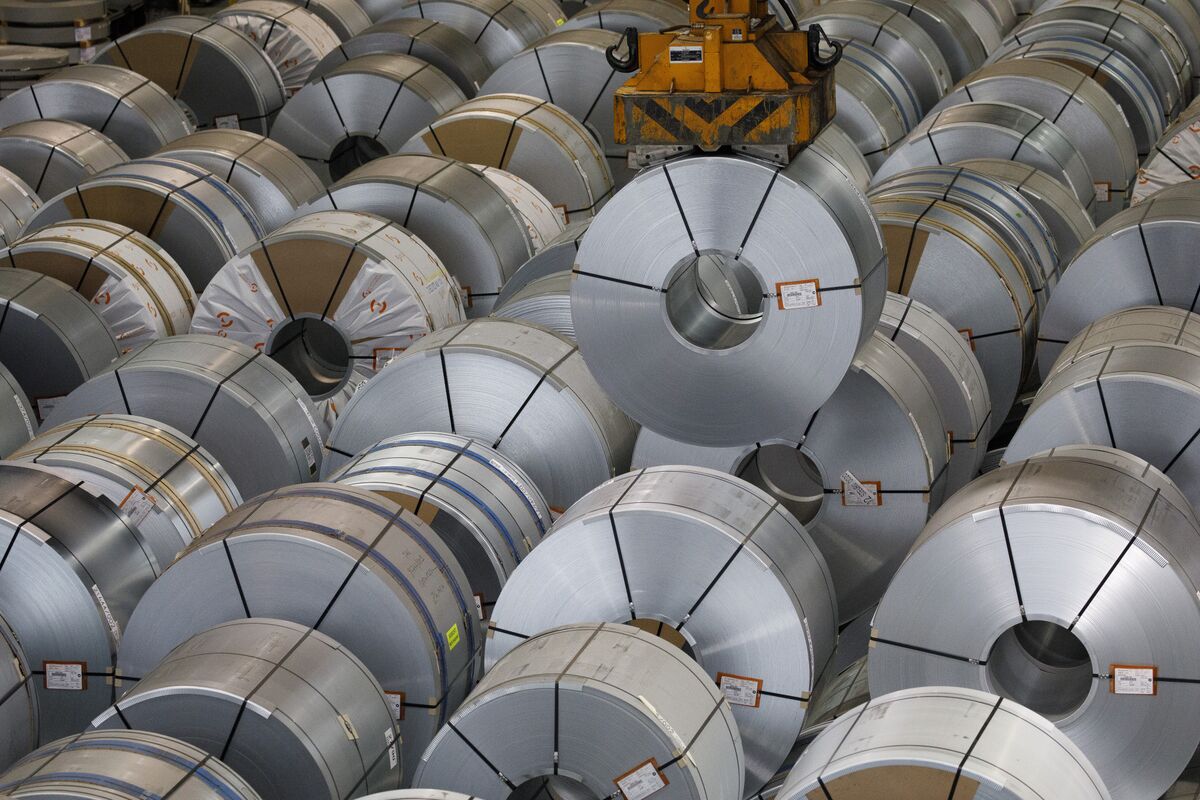
Aluminum and nickel prices soared on the London Metal Exchange following the imposition of US and UK sanctions prohibiting the delivery of Russian metal produced after midnight on Friday. The sanctions, designed to limit President Putin's military funding, have introduced significant uncertainties into the metals market, which has already been affected by Russia's invasion of Ukraine.
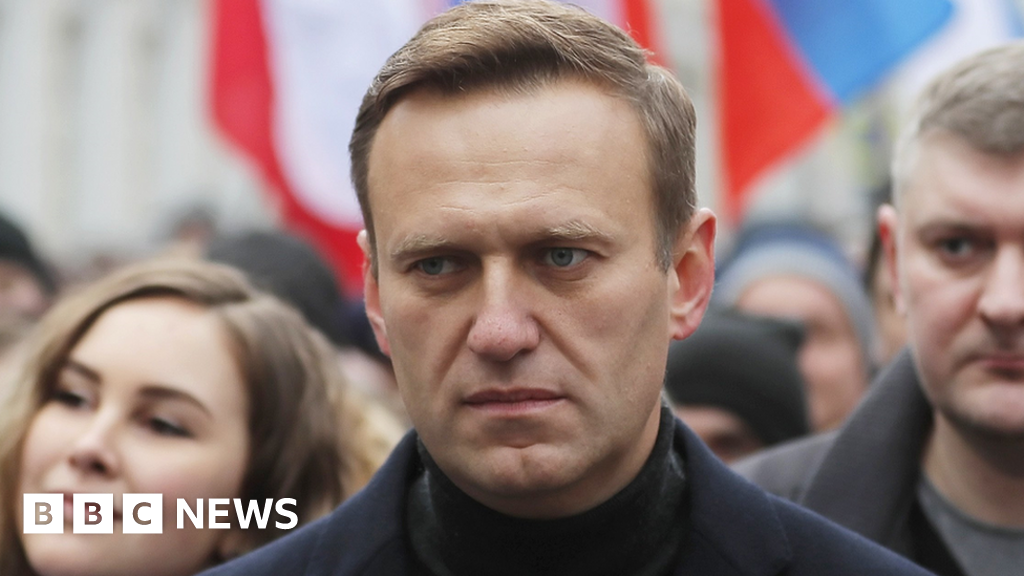
The UK has imposed sanctions on six Russian prison officials following the death of opposition leader Alexei Navalny, freezing their assets and banning them from entering the country. The US is also set to announce sanctions against Russia over Navalny's death and the conflict in Ukraine. Western leaders blame the Russian authorities, including President Putin, for Navalny's death and are calling for a transparent investigation. Navalny's family alleges that his body is being held for "chemical analysis," while Russian authorities have not confirmed its whereabouts.
The UK has imposed sanctions on four Israeli settlers accused of violence against Palestinians in the occupied West Bank, citing human rights abuses and illegal behavior. The Foreign Office called on Israel to take stronger action to end settler violence, as tensions have escalated since the Gaza war. The move follows US sanctions on Israeli settlers and reflects growing international impatience with the situation. Israel has expressed dissatisfaction with the sanctions, asserting that it takes action against law-breakers, but the UK continues to call for accountability and a halt to settlement expansion.
The UK has imposed sanctions on four Israeli individuals under its Global Human Rights sanctions regime for their involvement in aggression and violence against Palestinians in the West Bank, with financial and travel restrictions being set. The US has also recently signed a special presidential order against four Israeli settlers involved in violence against Palestinians in the West Bank, marking an unusually severe measure typically reserved for terrorists in times of war.