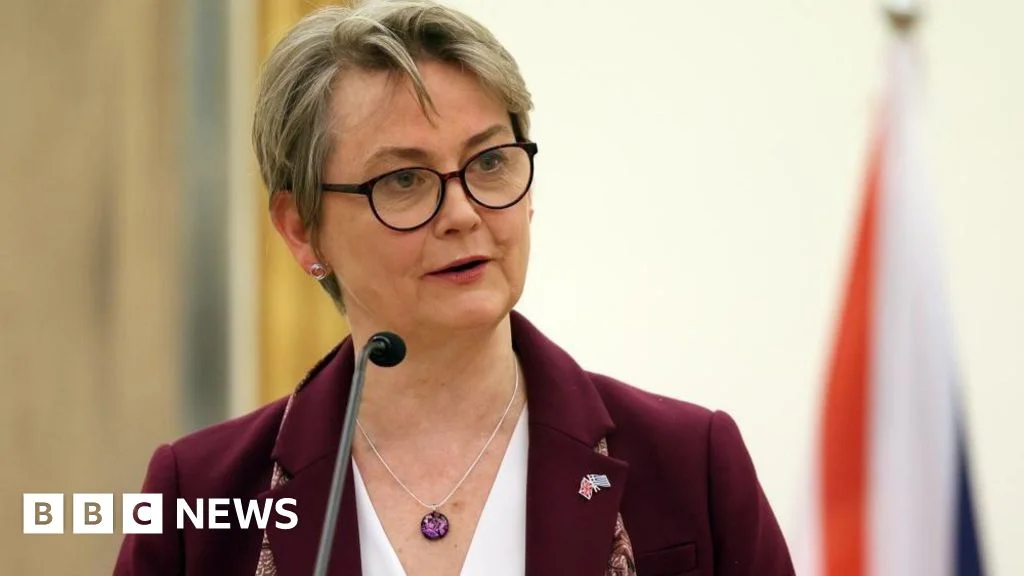
The UK has imposed sanctions on Syrian militia leaders, groups, and businessmen involved in violence and supporting the Assad regime, including asset freezes and travel bans, as part of efforts to promote accountability and support Syria's political stability.
The Securities and Exchange Commission (SEC) has obtained emergency relief, including a temporary asset freeze and restraining order, against Digital Licensing Inc., also known as "DEBT Box," and its principals, along with 13 other defendants, in connection with a fraudulent scheme to sell unregistered securities called "node licenses." The defendants allegedly raised approximately $50 million and undisclosed amounts of Bitcoin and Ether from hundreds of U.S. investors by falsely claiming that the licenses would generate crypto asset tokens through mining activity. The SEC's complaint alleges that the node licenses were a sham, and the defendants lied about the revenues of businesses driving the token values. The SEC seeks permanent injunctive relief, the return of ill-gotten gains, and civil penalties.
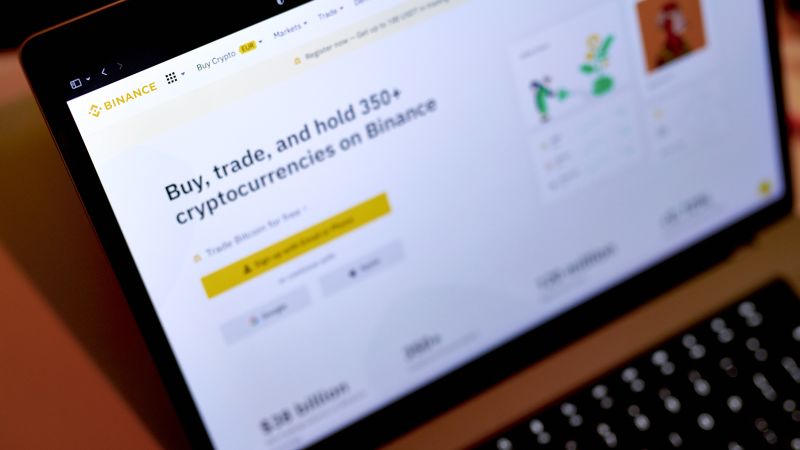
Lawyers for the US Securities and Exchange Commission (SEC) struggled to justify their request for a near-total financial freeze order against Binance.US, as they had no clear evidence that US customer funds were being moved offshore. The SEC's request for an emergency injunction to freeze the assets of Binance.US and repatriate assets held abroad by related entities was part of its attempt to paint Binance as a fraudulent parallel to FTX. Judge Amy Berman Jackson rejected the SEC's request for an emergency asset freeze, an early defeat in a potentially lengthy trial.
Binance and the US Securities and Exchange Commission have reached an agreement to keep customer assets in the United States and avoid a full asset freeze of the platform in the US. The agreement was reached amid a lawsuit filed by the SEC, accusing the company of running an illegal securities exchange. The defendants, including CEO Changpeng Zhao, agreed to repatriate assets held for the benefit of US customers and ensure those assets are protected and remain in the United States to prevent them from moving offshore.
Binance, Binance.US, and the SEC have been ordered to attend a mediation conference on Wednesday to negotiate restrictions on operations as the regulator's case against the companies continues. The SEC alleged that the Binance entities sold unregistered securities in violation of US laws and later moved to obtain a temporary restraining order to freeze Binance.US' assets. Negotiating limits would allow the firm to continue operations, and the first mediation session is set for June 14.
Binance.US and the SEC have until June 15 to reach a deal that could prevent a full asset freeze for the exchange. US District Judge Amy German Jackson has encouraged the SEC to find middle ground with Binance.US, and has chosen a magistrate judge to help negotiations. The SEC has suggested a new deal that would relax certain limitations which previously demanded a total freeze of assets. The proposed agreement provides some guarantees to Binance affiliate BAM Trading, allowing the firm to maintain control over its US assets for paying salaries and fulfilling other financial obligations.
A US judge has declined to order a temporary restraining order freezing the assets of Binance.US, allowing the US arm of the company to continue doing business while hashing out restrictions with the regulator. The judge ordered Binance.US to provide a list of its business expenses to the court, and ordered the parties to continue negotiating. The SEC sued Binance and Binance.US, alongside Binance founder Changpeng "CZ" Zhao, last week, alleging they were operating as an unregistered securities exchange, brokerage and clearing agency.
Binance.US argues that the SEC's attempt to freeze its funds is a "draconian and unduly burdensome" move that would effectively end its business. The SEC sued Binance, Binance.US and its founder last week on allegations that the companies operated as an unregistered securities exchange, broker and clearinghouse all in one to allow U.S. customers to buy and trade certain cryptocurrencies that the regulator claimed were unregistered securities. Binance.US proposed an alternative stipulation that calls for the company to repatriate all assets to BAM Trading's "possession, custody and control," affirm that only Binance.US employees have access (which would exclude Zhao) and ensure that no one from the global Binance exchange can access these funds.
The SEC has requested permission from the District of Columbia Court to freeze the assets of BAM Trading and BAM Management, the companies operating as Binance.US, and serve Binance CEO Changpeng Zhao via unspecified non-traditional methods. The SEC is seeking to "repatriate and freeze" the assets of BAM Management and BAM Trading and compel the firms to provide full accounting information and refrain from concealing or destroying any relevant documents. Earlier this month, the SEC sued Binance for allegedly violating securities laws and filed a motion to freeze the assets of BAM Trading and BAM Management.
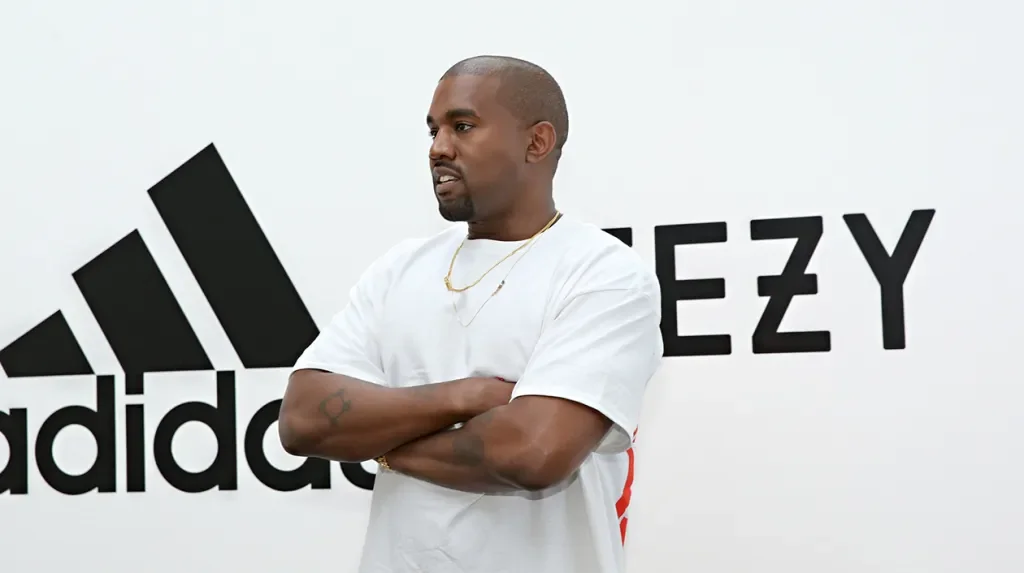
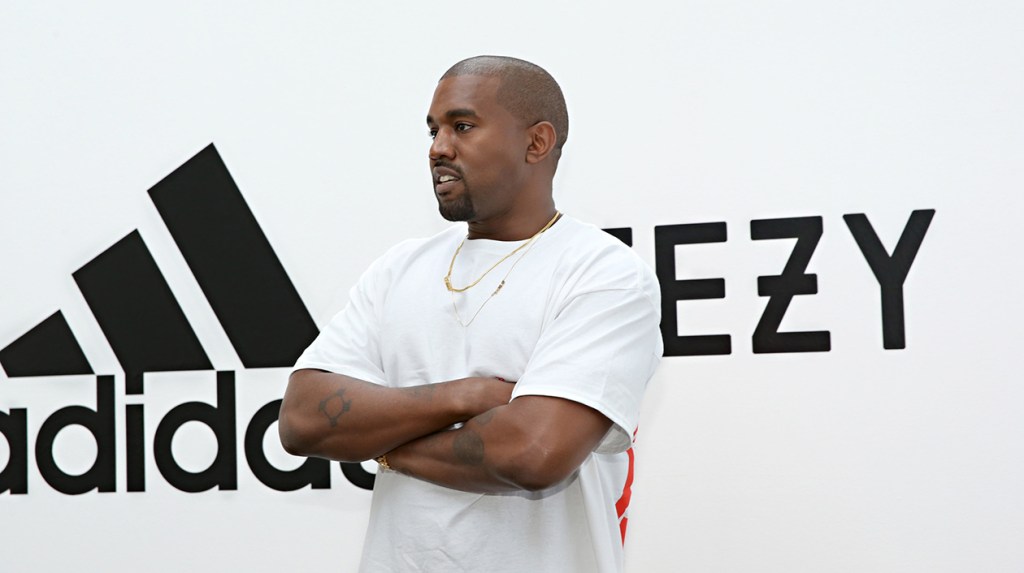
A federal judge has overturned a court order that froze $75m in bank accounts held by Kanye West's Yeezy brand, ruling that Adidas had failed to "confirm" the order against Yeezy with additional proceedings in court. The freeze on Yeezy's bank accounts was lifted and had actually been "rendered null some six months ago when Adidas failed timely to move to confirm the order". The arbitration case filed by Adidas remains pending, and Yeezy could still owe some or all of that money when the case is finally decided.
Adidas secretly filed a legal action last year in federal court that successfully froze $75 million in bank accounts held by Kanye West’s Yeezy brand after their high-profile split. Adidas filed the case to ensure such funds were not transferred out of Yeezy’s bank accounts while the two companies litigated their business divorce via private arbitration. The newly-revealed litigation with Yeezy is just one piece of a messy breakup for Adidas.
South Korean courts have frozen $2 billion worth of assets tied to Do Kwon, the CEO of Terraform Labs, as part of an investigation into the collapse of cryptocurrencies Terra Classic and Luna Classic. Kwon is facing criminal charges in the United States and is awaiting trial in Montenegro for passport fraud charges. The asset freeze prevents Kwon from disposing of assets or profits obtained through criminal activities. The frozen assets include luxury cars, apartments, financial holdings, and cryptocurrencies held in various exchanges.