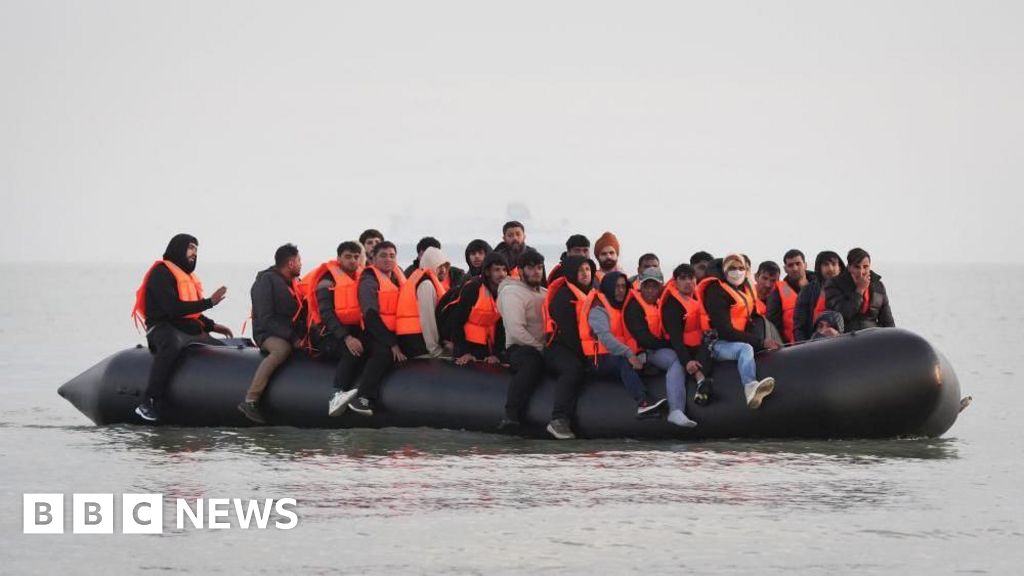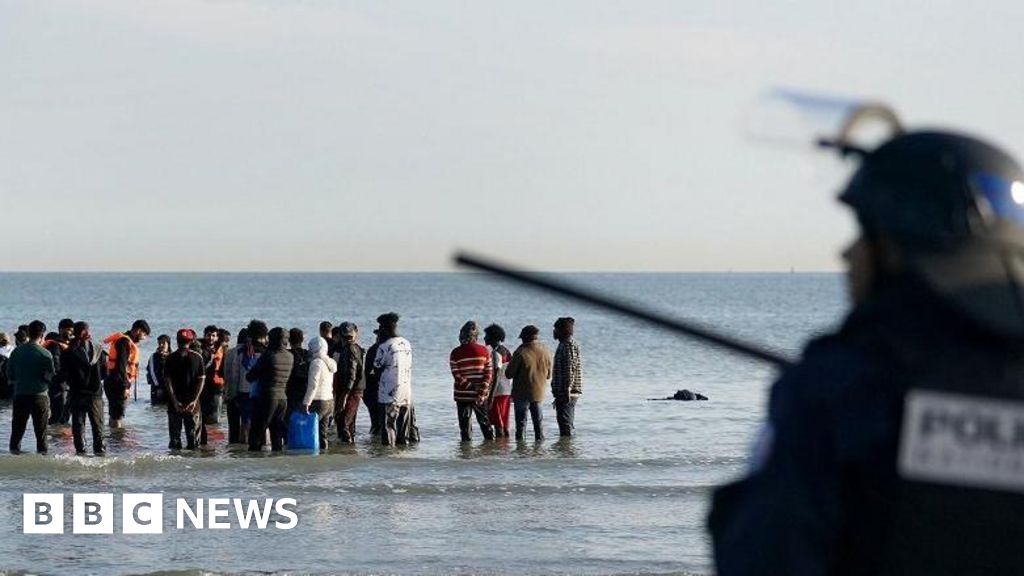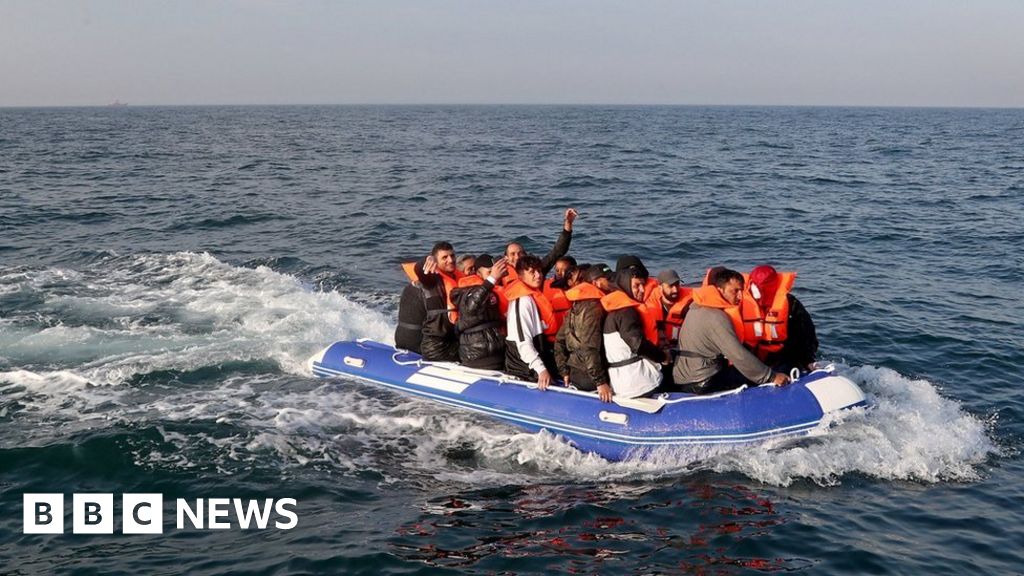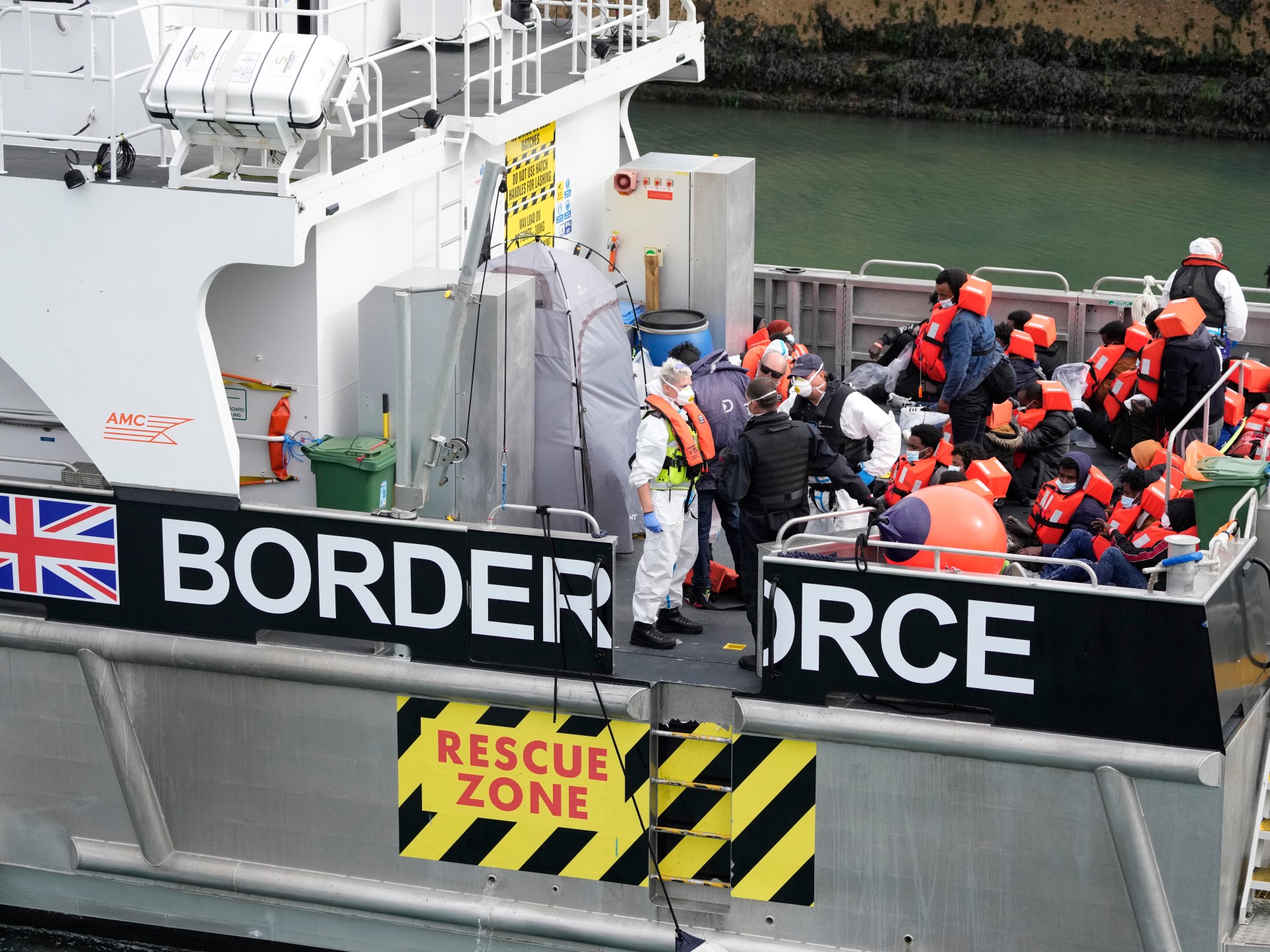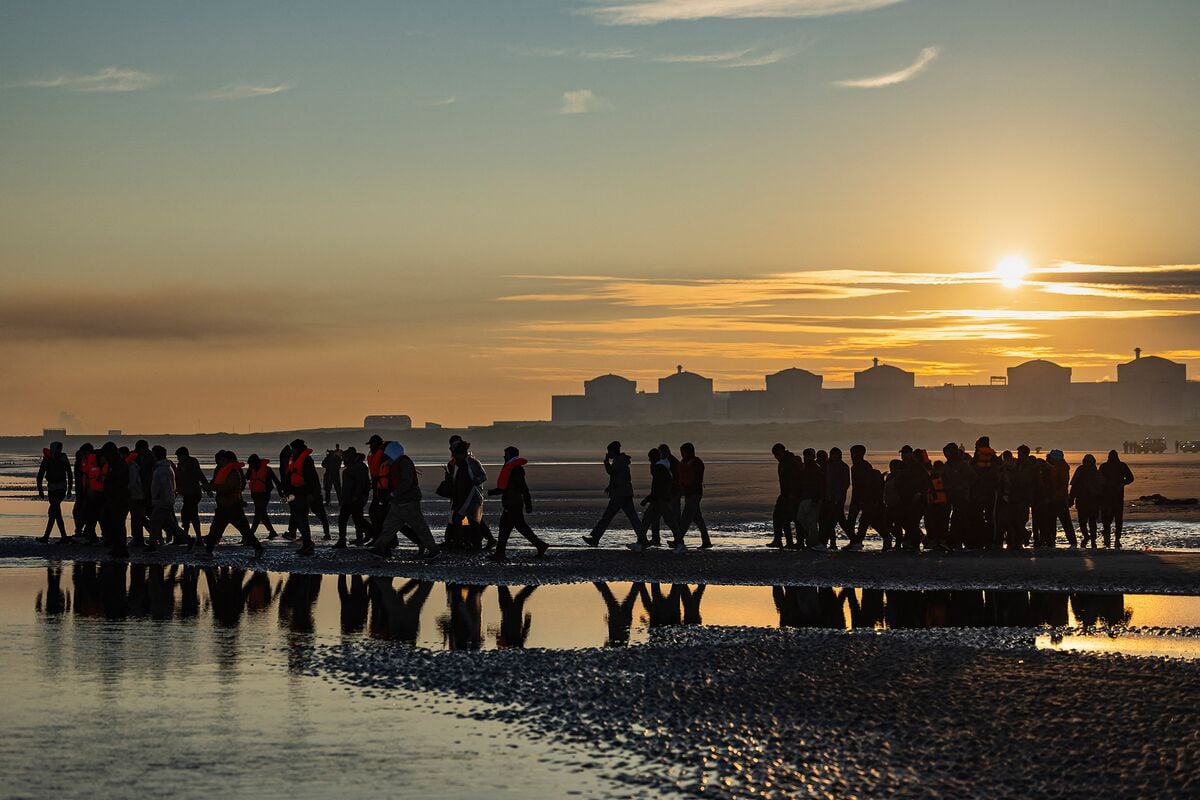
The UK experienced its largest-ever migrant arrival via the English Channel, with 125 people on a single vessel, amid record-breaking crossings despite new agreements with France. Home Secretary Shabana Mahmood emphasized border protection, while political tensions rise as Labour seeks to address the crisis and counter anti-immigration parties. The situation remains a significant political and humanitarian challenge, with discussions ongoing about intercepting boats in French waters.

During his state visit to the UK, Donald Trump suggested using the military to stop Channel migrant boats, sparking various headlines and discussions about UK-US relations, immigration, and political reactions, with mixed interpretations of his influence and intentions.
The UK has introduced its first-ever sanctions targeting individuals involved in smuggling illegal migrants, aiming to disrupt organized crime networks and their financial operations, though experts question the effectiveness of these measures in significantly reducing Channel crossings.
UK and France have agreed on a new 'robust' migrant returns scheme aimed at deterring small boat crossings, with plans to exchange migrants on a 'one in, one out' basis, though legal challenges and political criticisms remain.
The UK and France have agreed on a 'one in, one out' migrant exchange deal to deter dangerous crossings of the English Channel, allowing each country to return migrants without family ties and grant asylum to others with connections, amid ongoing migration challenges and EU objections.
Senior government officials believe a new Franco-British agreement aimed at returning migrants crossing the English Channel could be a breakthrough, but its success depends on whether it effectively deters crossings; critics argue the initial scale may be insufficient to significantly reduce numbers, and failure to do so could be seen as a failure of the deal.
UK and France are close to implementing a 'one in, one out' migration deal, where around 50 migrants would be returned to France weekly in exchange for the same number of asylum seekers with genuine reasons to stay in the UK, aiming to curb small boat crossings across the Channel.
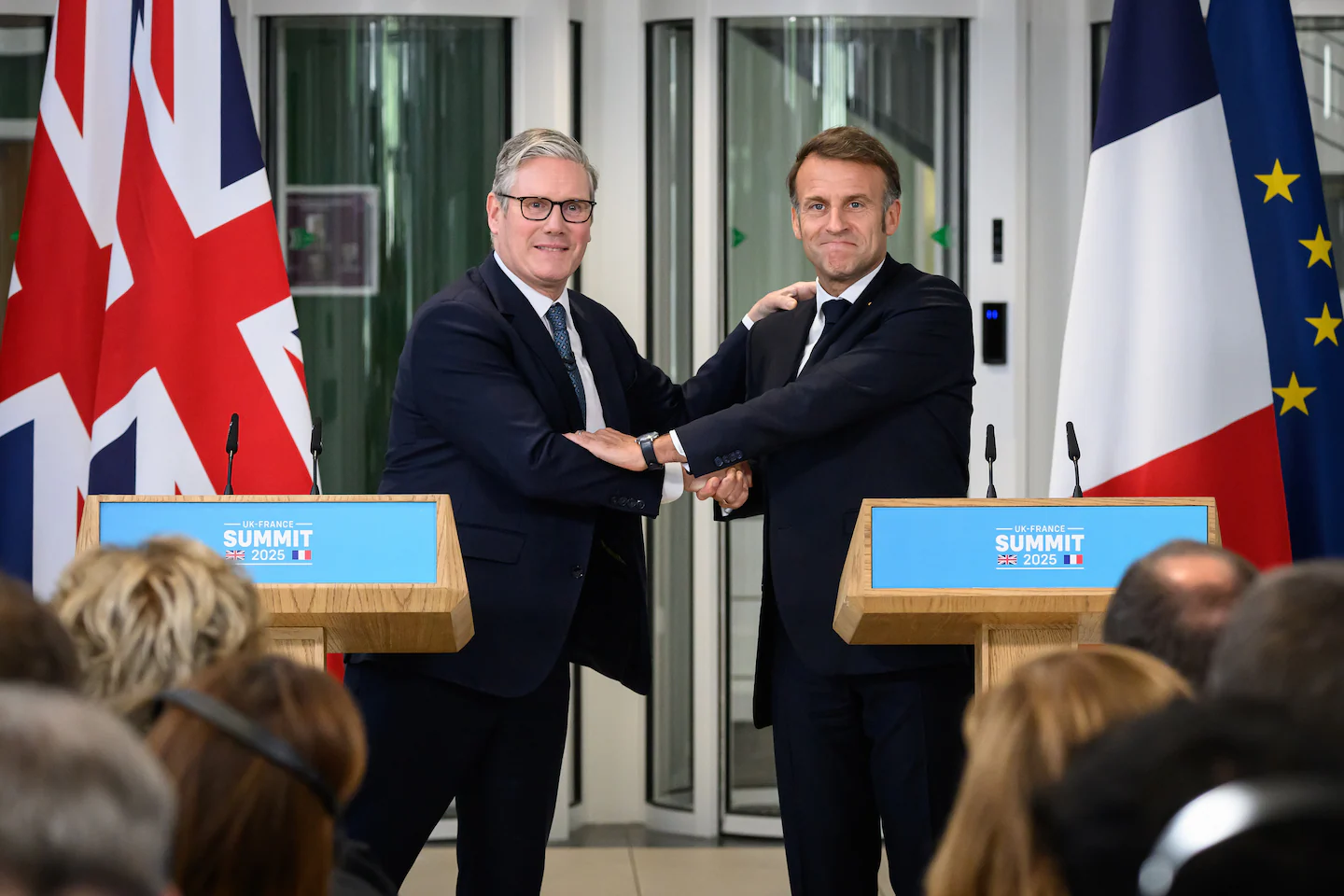
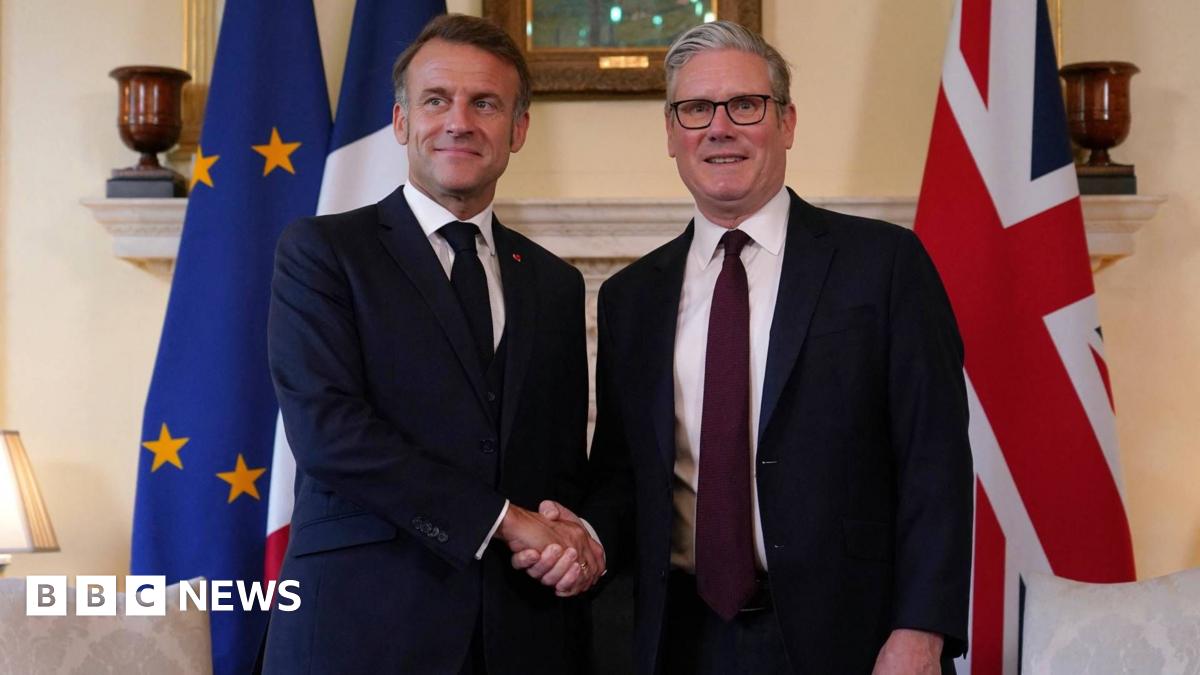
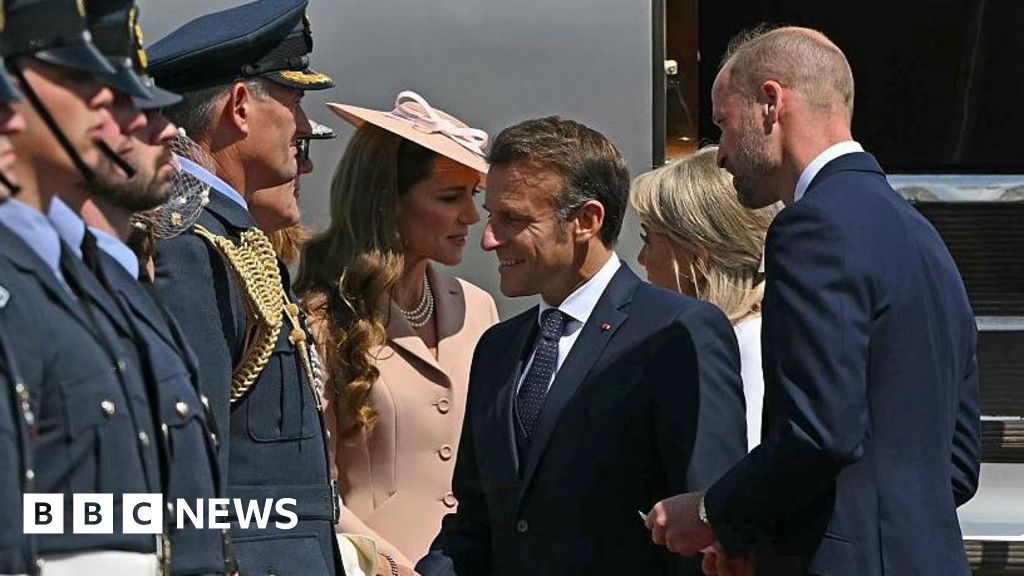
French President Emmanuel Macron begins a three-day state visit to the UK, greeted by King Charles, aiming to strengthen UK-France relations, discuss issues like Channel crossings, and showcase shared history and values, amid broader geopolitical and security concerns.
The UK government has announced that fines for businesses and landlords who knowingly support illegal migrants will triple under new rules. Repeat offenders could face fines of up to £60,000 per breach, while landlords could be fined up to £10,000 per lodger and £20,000 per occupier for multiple breaches. The government hopes that these increased penalties will deter illegal migration and dangerous Channel crossings. However, critics argue that stronger enforcement action is needed alongside tougher penalties.
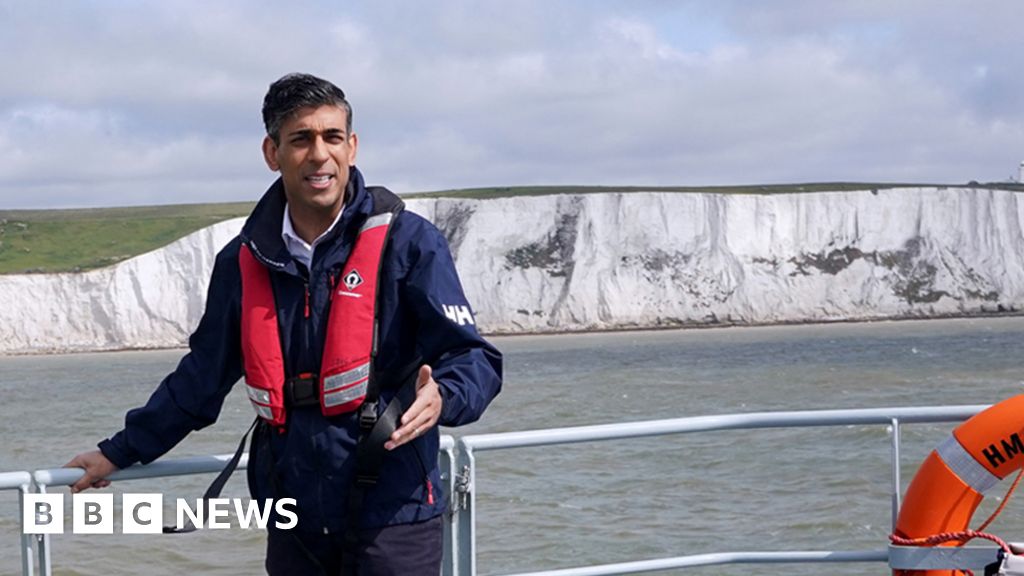
The UK government's plans to tackle the issue of people crossing the English Channel in small boats have been signed off by Parliament with the passing of the Illegal Migration Bill. However, the centerpiece of the plan, which involves sending migrants to Rwanda, is currently being challenged in court and awaits a decision from the Supreme Court in the autumn. The bill includes measures such as seizing the mobile phones of those crossing and weakening their case if they have discarded any documents at sea. While the government sees this as a "big win," critics, including former Prime Minister Theresa May, argue that the plan undermines efforts to combat modern slavery. The long-term challenge of finding workable solutions to migration flows remains, and the effectiveness of this bill will be closely watched.
The UK government has leased a barge to house around 500 asylum seekers on England's south coast to reduce the cost of lodging for migrants and refugees arriving on its shores. The barge, docked in Portland Port, will accommodate single adult men while their asylum claims are processed. The UK government is hoping to send thousands of asylum seekers to Rwanda as part of a £120m deal to deter people from crossing, but the first deportation flight was blocked by an injunction from the European Court of Human Rights.