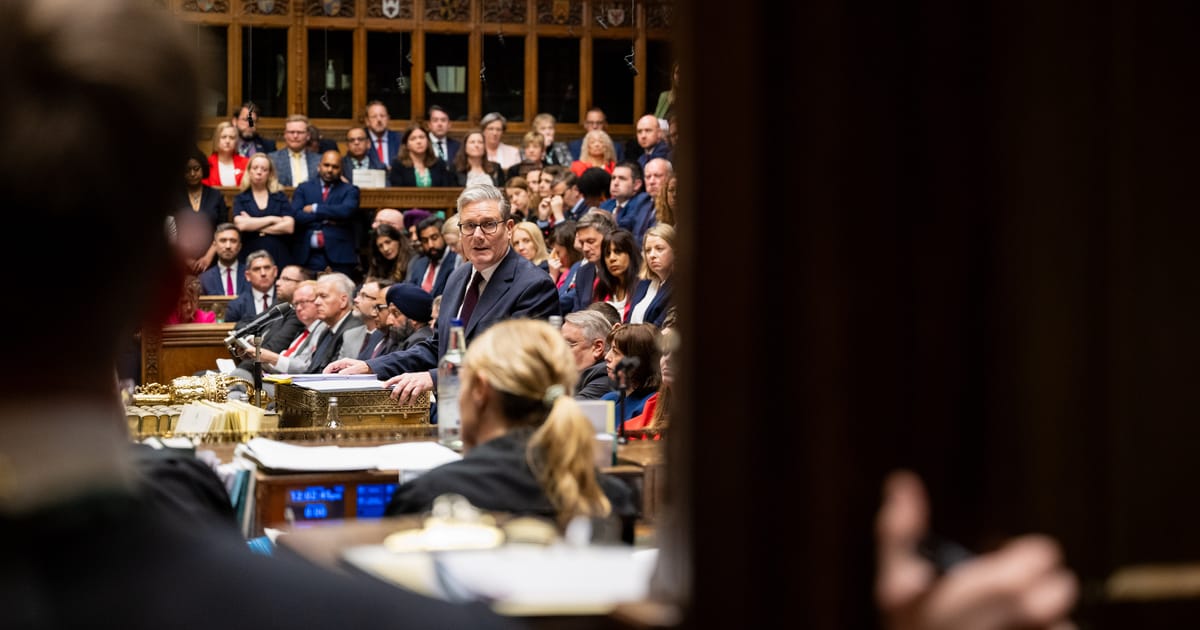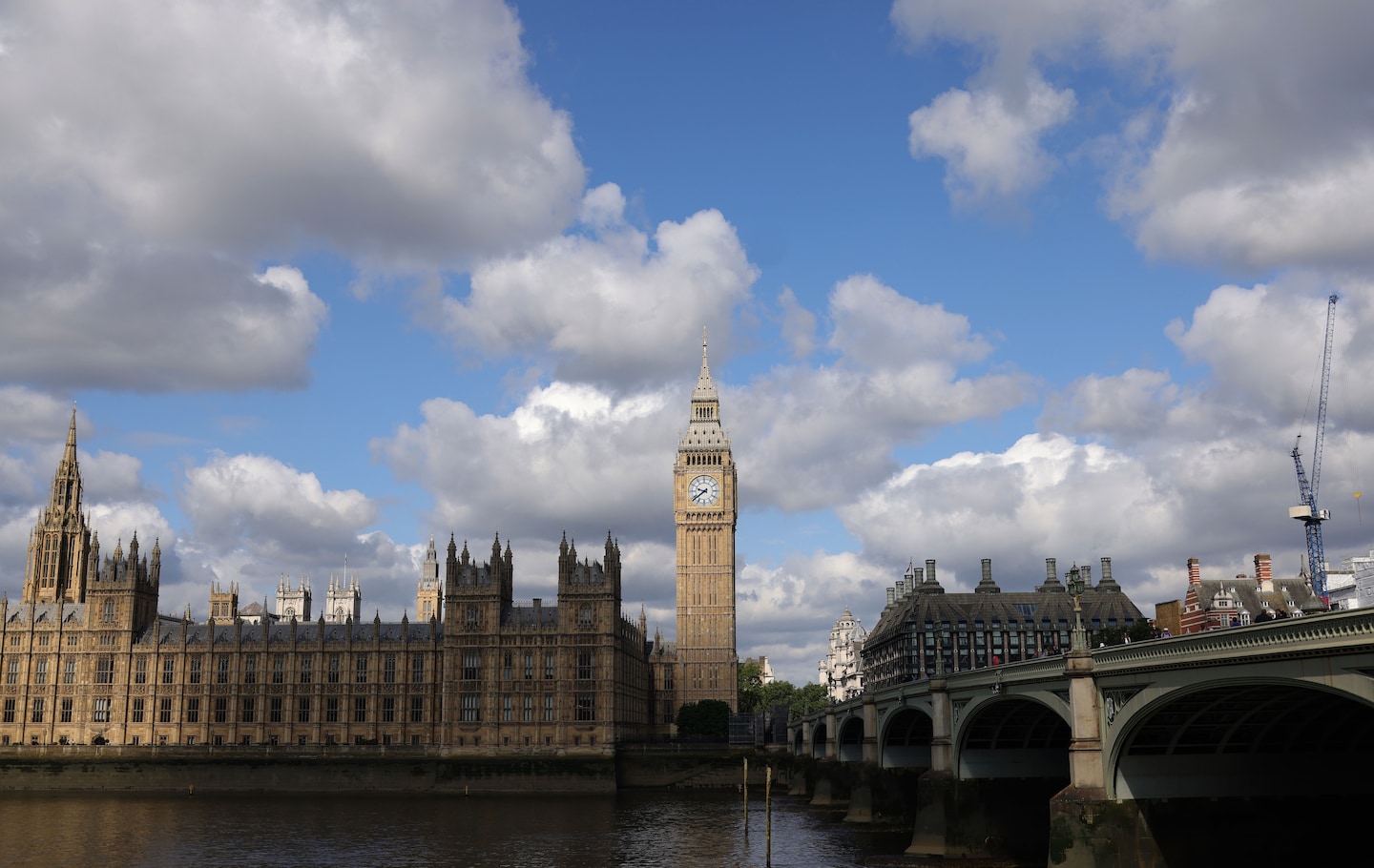
The UK parliament debated the Stop Killing Games petition, which calls for regulation on game server shutdowns, but the government maintains existing laws are sufficient and emphasizes better communication by companies. They acknowledge challenges in mandating ongoing game support and are considering guidance for businesses instead. MPs raised concerns about long-term industry impacts and responsibility issues, but no legislative changes were made.
Donald Trump is returning to Britain but is reluctant to address the UK Parliament, with the government stating it is not shielding him from scrutiny, despite some public calls for a proper address.
King Charles has scheduled Donald Trump's second UK state visit for September 17-19, during a parliamentary recess to avoid a speech to parliament, amid mixed reactions and controversy over Trump's previous visits and policies.
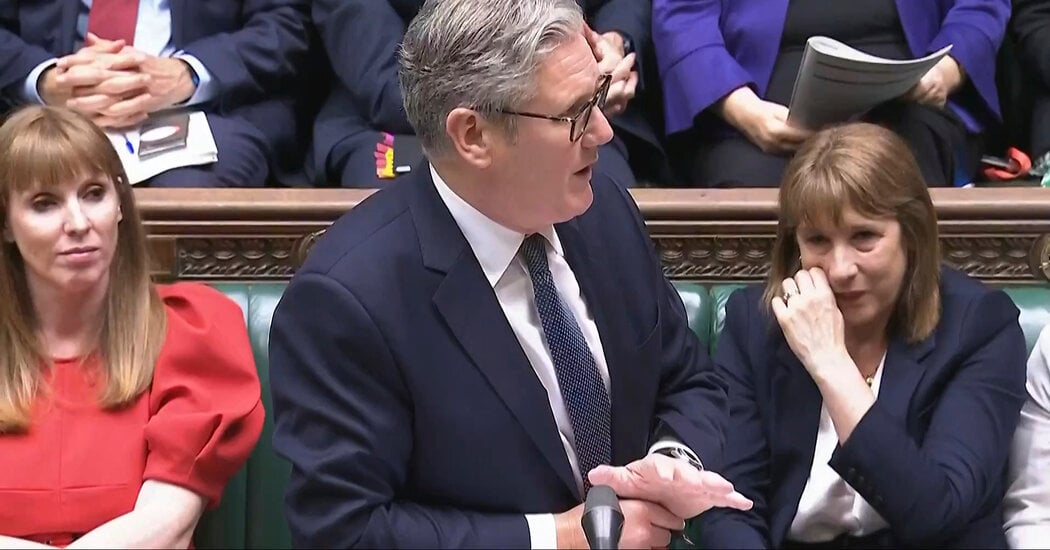
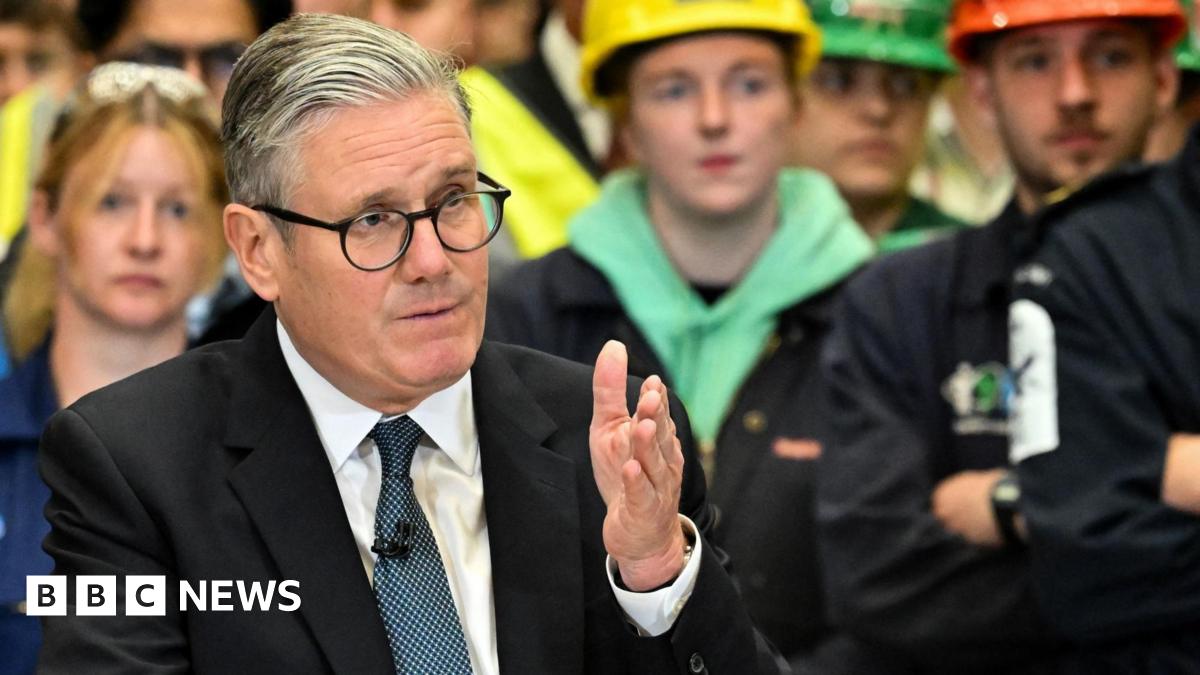
Rachel Reeves, the UK's Chancellor of the Exchequer, was visibly upset in Parliament amid questions about her job security and ongoing debates over fiscal policy and social welfare reforms, with Prime Minister Keir Starmer avoiding a direct guarantee of her position amidst political tensions.
UK Prime Minister Keir Starmer faced a significant rebellion within his Labour Party over proposed welfare cuts, leading to concessions that limited the scope of the changes, but exposing deep divisions and weakening his leadership.
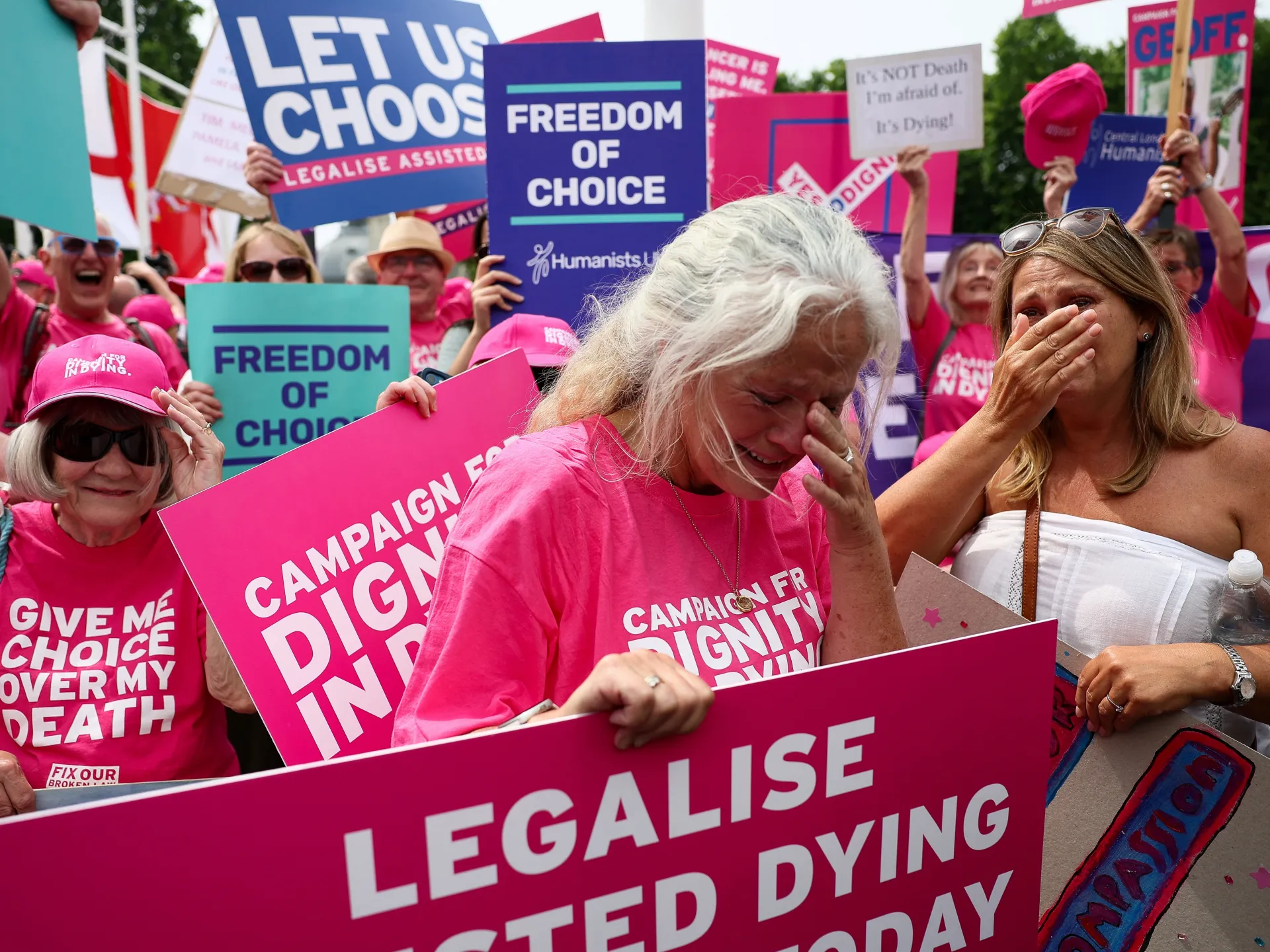
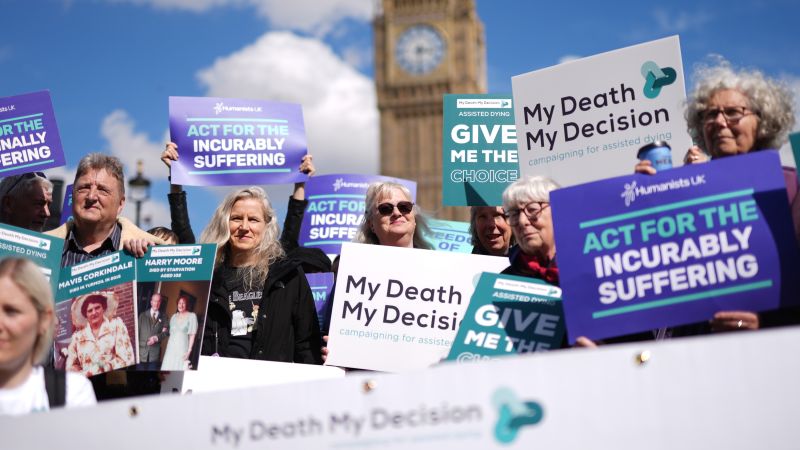
The UK Parliament has approved a bill to legalize assisted dying for terminally ill, mentally competent adults with less than six months to live, passing the biggest social legislation in a generation, with the bill now moving to the House of Lords for further scrutiny.
UK Defence Secretary John Healey announced increased defence spending plans in the House of Commons amid broader economic pressures, with a goal to reach 3% of GDP by 2034, including a £15bn investment in nuclear deterrence and new submarines. Labour leader Keir Starmer outlined his defence goals, emphasizing readiness, Nato contribution, and innovation, while political reactions highlighted concerns over the pace and timeline of spending commitments amidst global threats and economic constraints.
Senior doctors in the UK are urging the government to prioritize fixing the palliative care system before advancing legislation on assisted dying, which recently passed its first parliamentary hurdle. Concerns have been raised that funding for assisted dying could detract from palliative care resources, which are already insufficient. The debate highlights the need for improved end-of-life care, with calls for a government-led commission to address the issue. While some MPs believe assisted dying could enhance palliative care, others worry about potential neglect of vulnerable patients.
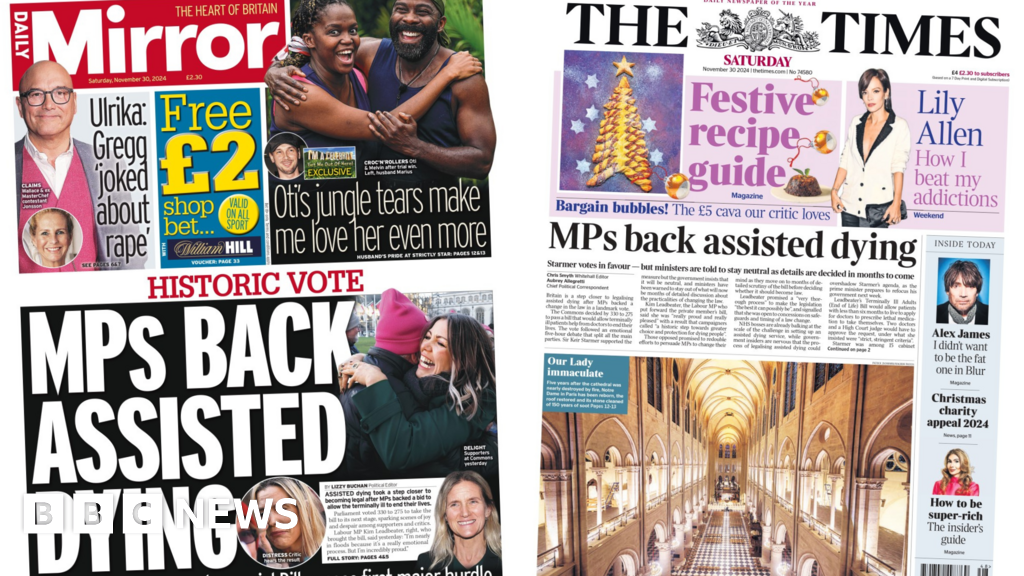
MPs in England and Wales have voted in favor of a bill on assisted dying, marking a significant step towards legalizing the practice, though it remains controversial and faces further debate. The vote has been described as historic, with mixed emotions and calls for careful consideration of its implications. Meanwhile, Notre-Dame Cathedral in Paris has reopened after extensive restoration following a devastating fire five years ago. Other news includes allegations against TV personality Gregg Wallace and Ukrainian President Zelensky's comments on territorial negotiations with Russia.
British lawmakers have given initial approval to a bill that would legalize assisted dying for terminally ill adults in England and Wales, following a close 330-275 vote. The bill, which allows adults with less than six months to live to seek assistance in ending their lives, will undergo further scrutiny before a final vote. The debate highlighted ethical concerns and the need for safeguards, with supporters advocating for dignity in death and opponents warning of potential coercion of vulnerable individuals. The bill does not apply to Scotland or Northern Ireland.
British lawmakers are set to vote on a bill to legalize assisted dying for terminally ill patients, sparking a heated debate in Parliament. The proposed legislation would allow those with less than six months to live to end their lives with medical assistance, subject to approval by two doctors and a High Court judge. The issue has divided MPs, with proponents arguing it offers dignity and relief from suffering, while opponents raise concerns about safeguards and the readiness of the NHS. The vote is seen as a significant step, though further review is required if passed.
The UK Parliament is set to debate and vote on a bill that would allow terminally ill individuals the right to assisted dying, marking the first such discussion in nearly a decade. The proposed legislation has sparked strong emotions and divided opinions, with supporters advocating for the right to a dignified death and opponents fearing potential coercion and the devaluation of vulnerable lives. The bill, introduced by Labour MP Kim Leadbeater, faces a complex legislative process even if it passes the initial vote, reflecting broader societal debates on ethical and moral grounds.
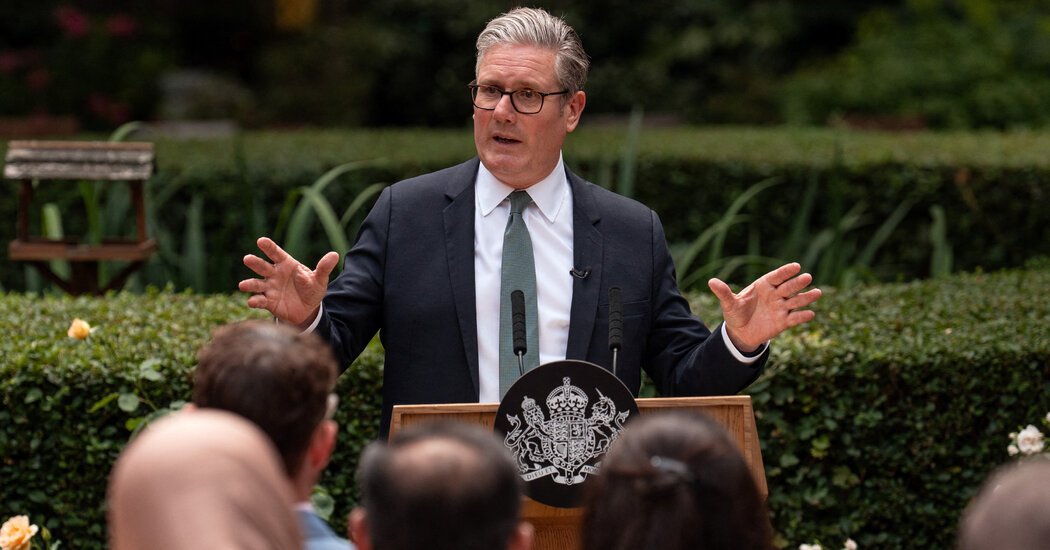
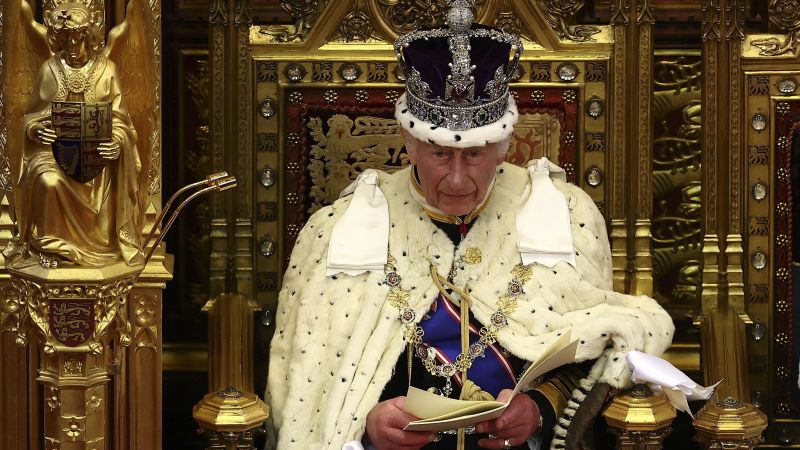
In the state opening of the new UK parliament, King Charles III presented Prime Minister Keir Starmer's ambitious agenda, marking the end of 14 years of Conservative rule. Starmer's plans focus on national renewal, including nationalizing railways, addressing the housing crisis, and tackling illegal migration. The agenda aims to restore public trust in politics and includes 40 new bills, targeting both older and younger generations. The event highlighted the blend of royal tradition and political change, with Starmer's Labour government promising significant reforms and modernization efforts.
The British Parliament has been dissolved, initiating the campaign for the upcoming July 4 election. Prime Minister Rishi Sunak's Conservative Party is emphasizing "security," while Keir Starmer's Labour Party is advocating for "change." Labour currently leads by 20 percentage points in polls, suggesting a potential shift from 14 years of Conservative rule. The campaign has seen Sunak stumble with awkward moments, while Starmer plays it safe with cautious promises. Immigration and economic issues are key topics, with the Conservatives facing internal challenges and defections.
As the UK Parliament closed ahead of the 4 July election, several key bills were either rushed through or abandoned. Notable bills that passed include the Leasehold and Freehold Bill, Post Office (Horizon System) Offences Bill, and the Digital Markets, Competition and Consumers Bill. However, significant legislation such as the Tobacco and Vapes Bill, Renters (Reform) Bill, and Football Governance Bill were dropped due to time constraints.