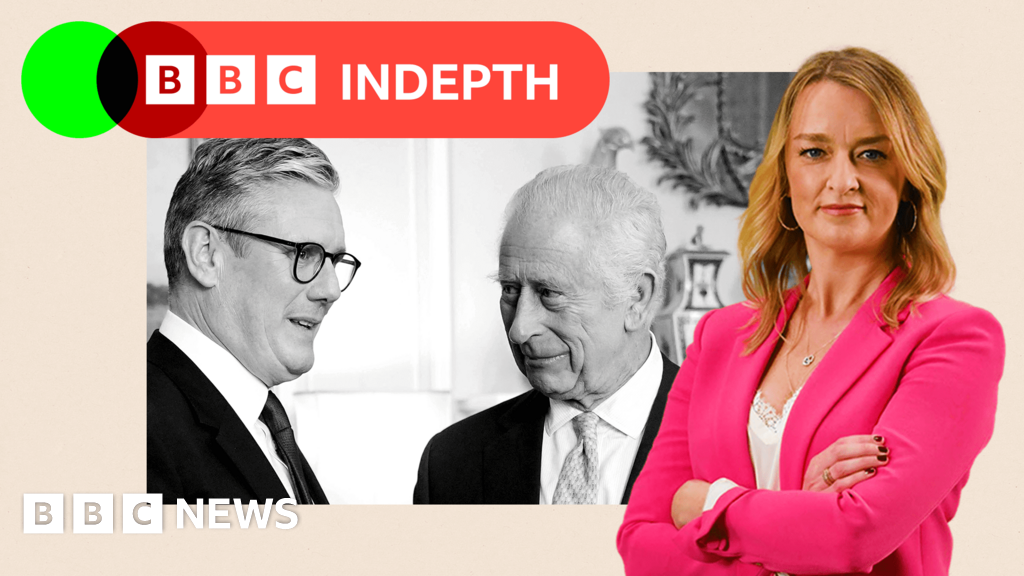
Four years into the Covid pandemic, long Covid continues to disproportionately affect poorer communities, frontline workers, and those with pre-existing health conditions, exacerbating existing inequalities. Despite the Labour government's promises to address these issues, their plans lack clarity and sufficient funding, particularly for long Covid services and workplace protections. The NHS remains under strain, and advocacy groups are stepping in to fill gaps left by government inaction. The situation highlights the urgent need for bold, decisive action to address the systemic inequalities worsened by long Covid.
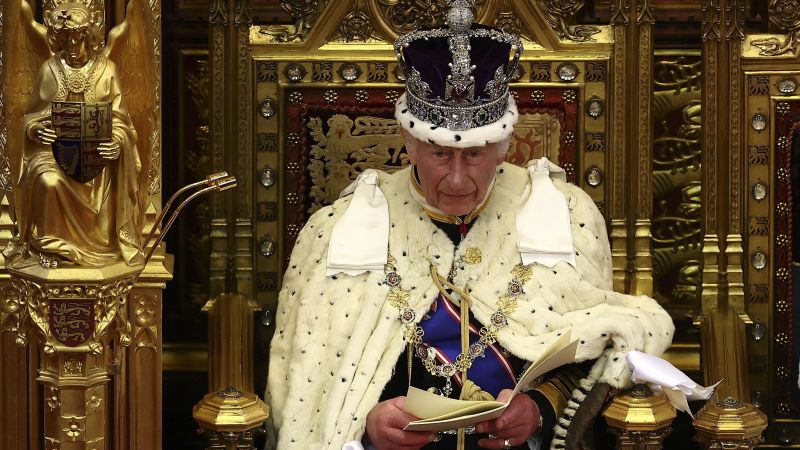
In the state opening of the new UK parliament, King Charles III presented Prime Minister Keir Starmer's ambitious agenda, marking the end of 14 years of Conservative rule. Starmer's plans focus on national renewal, including nationalizing railways, addressing the housing crisis, and tackling illegal migration. The agenda aims to restore public trust in politics and includes 40 new bills, targeting both older and younger generations. The event highlighted the blend of royal tradition and political change, with Starmer's Labour government promising significant reforms and modernization efforts.
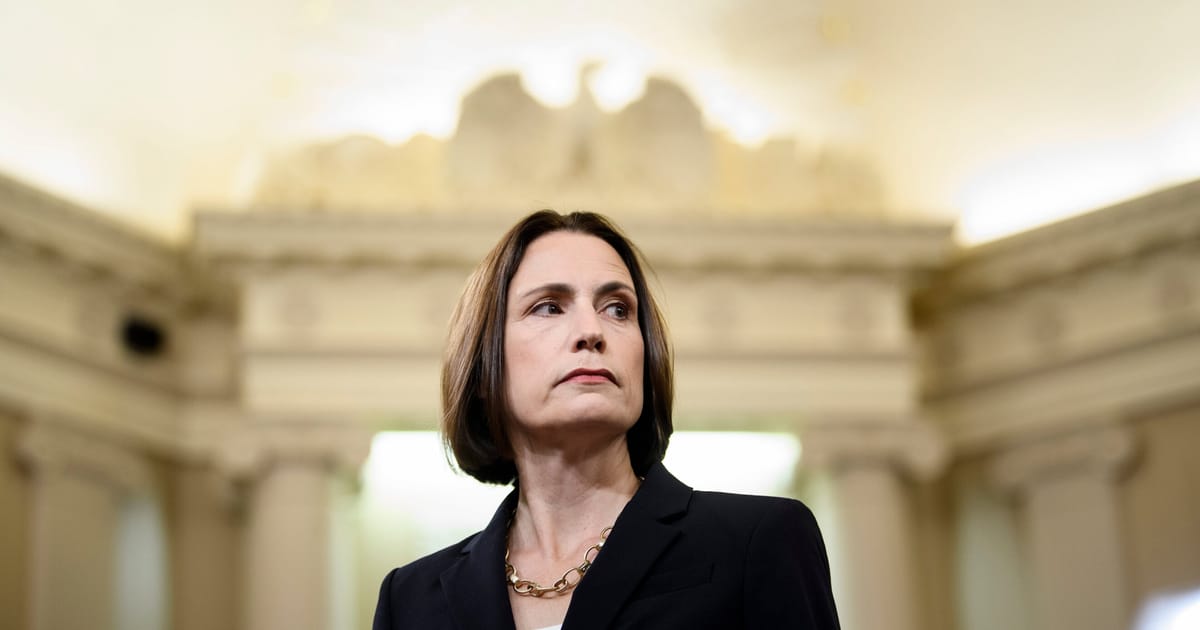
Former Trump adviser Fiona Hill has been appointed by the new Labour government in the UK to lead a review of defense capabilities, signaling an effort to build ties with Republicans ahead of a potential Trump victory in the upcoming U.S. election. The review, led by former NATO boss George Robertson, aims to assess and potentially increase military spending, with a focus on threats from countries like Russia and China.
Labour's new government, led by Prime Minister Sir Keir Starmer, is set to outline its legislative agenda in the first King's Speech, focusing on economic growth, energy, workers' rights, and various reforms. The speech will mark the beginning of Labour's efforts to implement its manifesto promises, amidst challenges inherited from the previous Tory government.