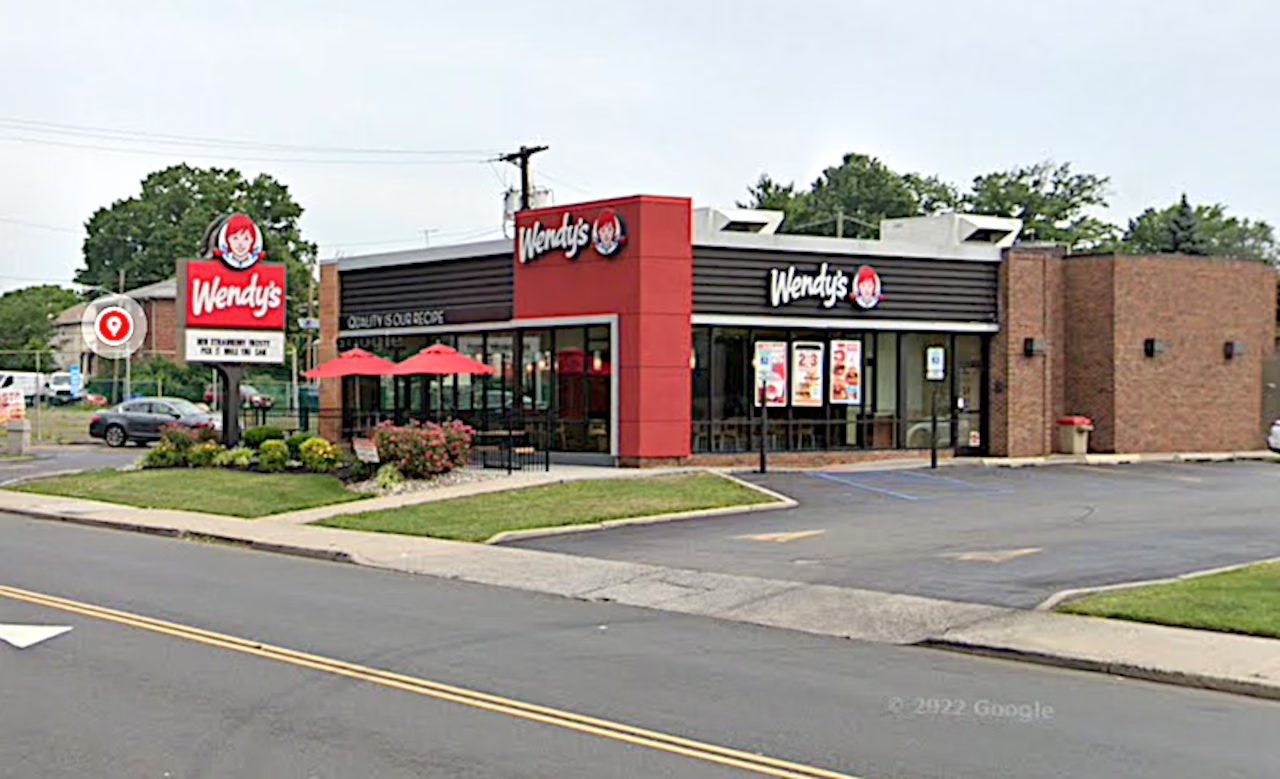
Wendy's plans to close 250-300 underperforming restaurants as part of a strategic revamp called 'Project Fresh,' amid declining U.S. sales and ongoing efforts to revitalize the brand and improve profitability.
Wendy's plans to close around 200 to 350 underperforming US restaurants as part of a strategic turnaround to improve sales and profitability, following a previous closure of 140 locations and recent declines in same-store sales, despite positive reception to its new chicken tenders.
Wendy's stock has plummeted nearly 50% this year due to declining same-store sales, leadership changes, and outdated restaurant infrastructure. The company is implementing a strategic turnaround plan focused on marketing, franchisee support, and technological upgrades, but faces stiff competition from McDonald's and Burger King, which have successfully modernized and increased promotions. Industry experts suggest Wendy's deeper issues stem from long-standing restaurant modernization challenges, and the effectiveness of its new initiatives remains to be seen.
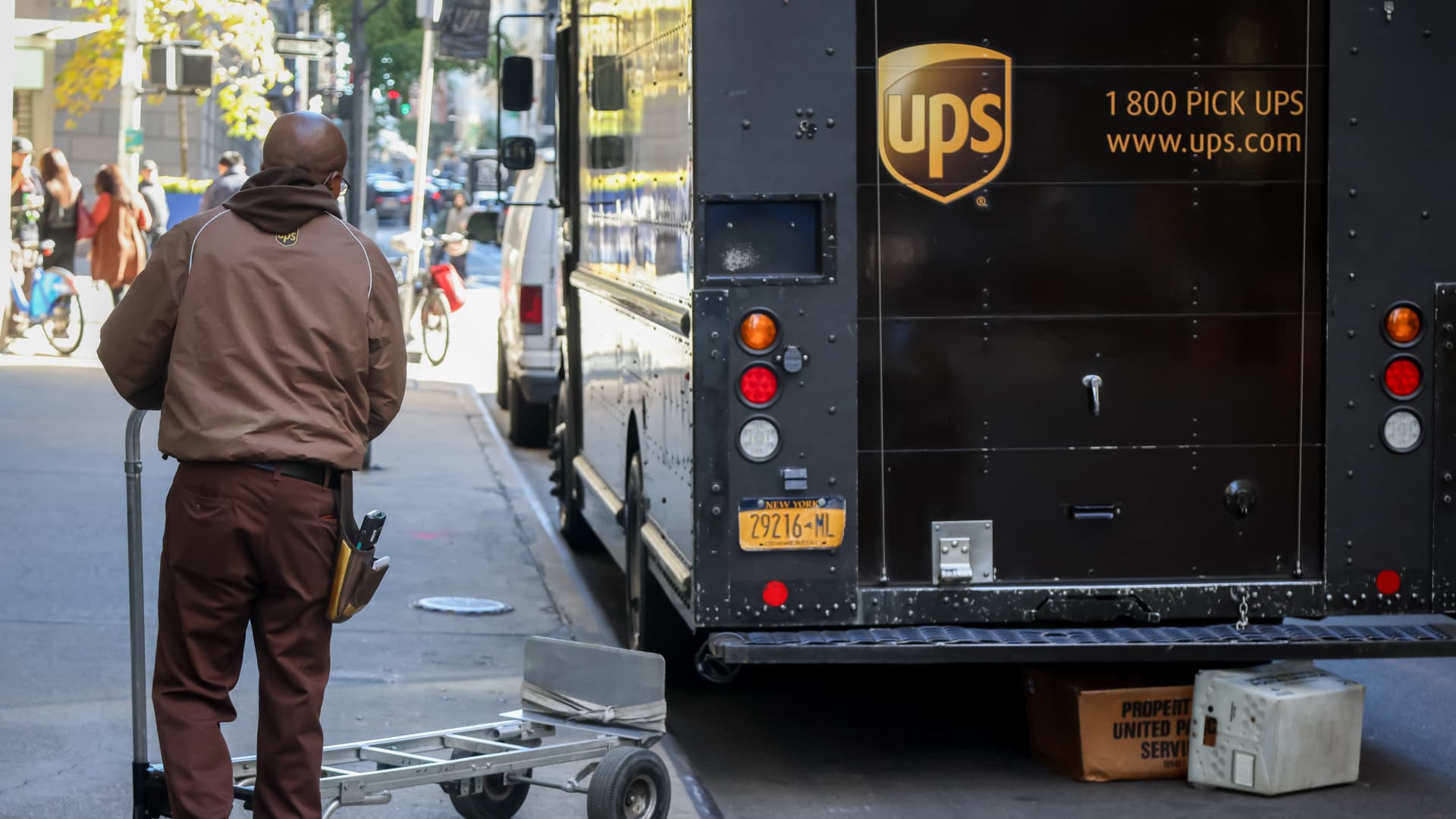
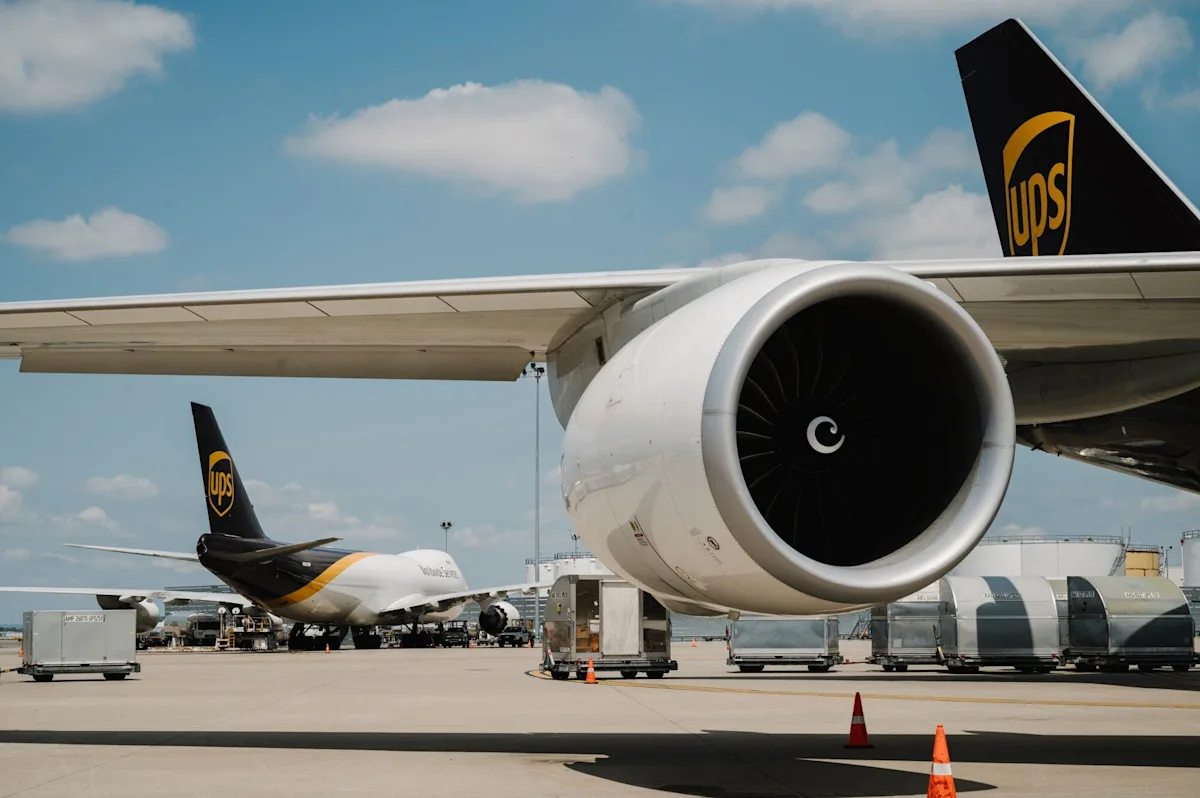
UPS exceeded Wall Street earnings expectations in Q3, driven by a major turnaround plan that included workforce reductions and property sales, leading to a 10% premarket stock increase and an optimistic outlook for the holiday season.
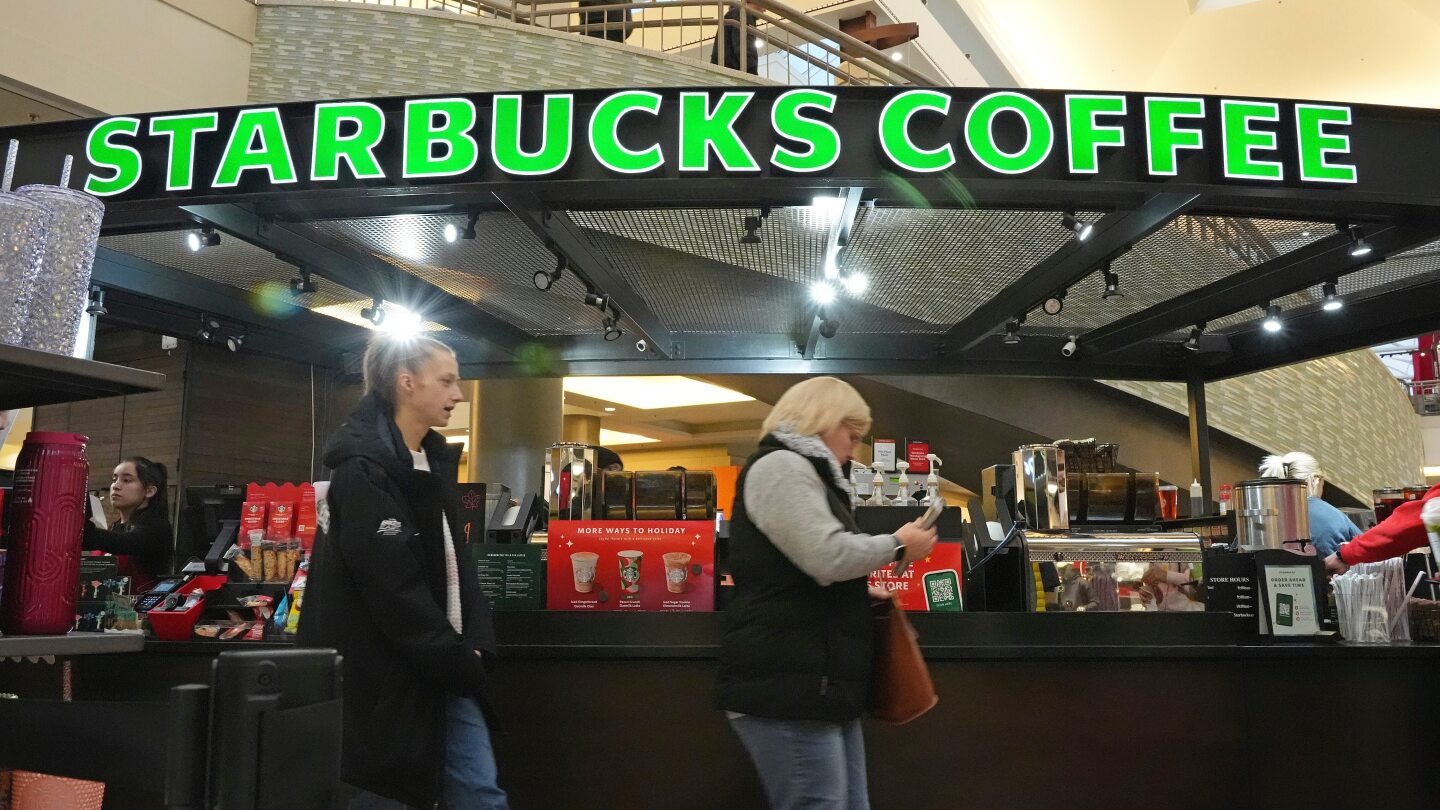
Starbucks is closing hundreds of stores and laying off 900 employees in North America as part of a restructuring effort led by CEO Brian Niccol, aiming to improve financial stability and customer experience, despite ongoing unionization efforts and recent sales challenges.
Starbucks CEO Brian Niccol is implementing a turnaround plan focused on improving service quality, seating, and customer experience, but baristas are feeling increased pressure due to new policies requiring greeting customers, making eye contact, and writing personalized messages, all while managing complex drinks like the Strawberry Matcha Strato Frappuccino.
UPS shares fell sharply as the company cited ongoing economic volatility, trade policy impacts, and sluggish workforce reduction efforts, leading to uncertainty and a lack of full-year guidance, despite better-than-expected revenue in the recent quarter.
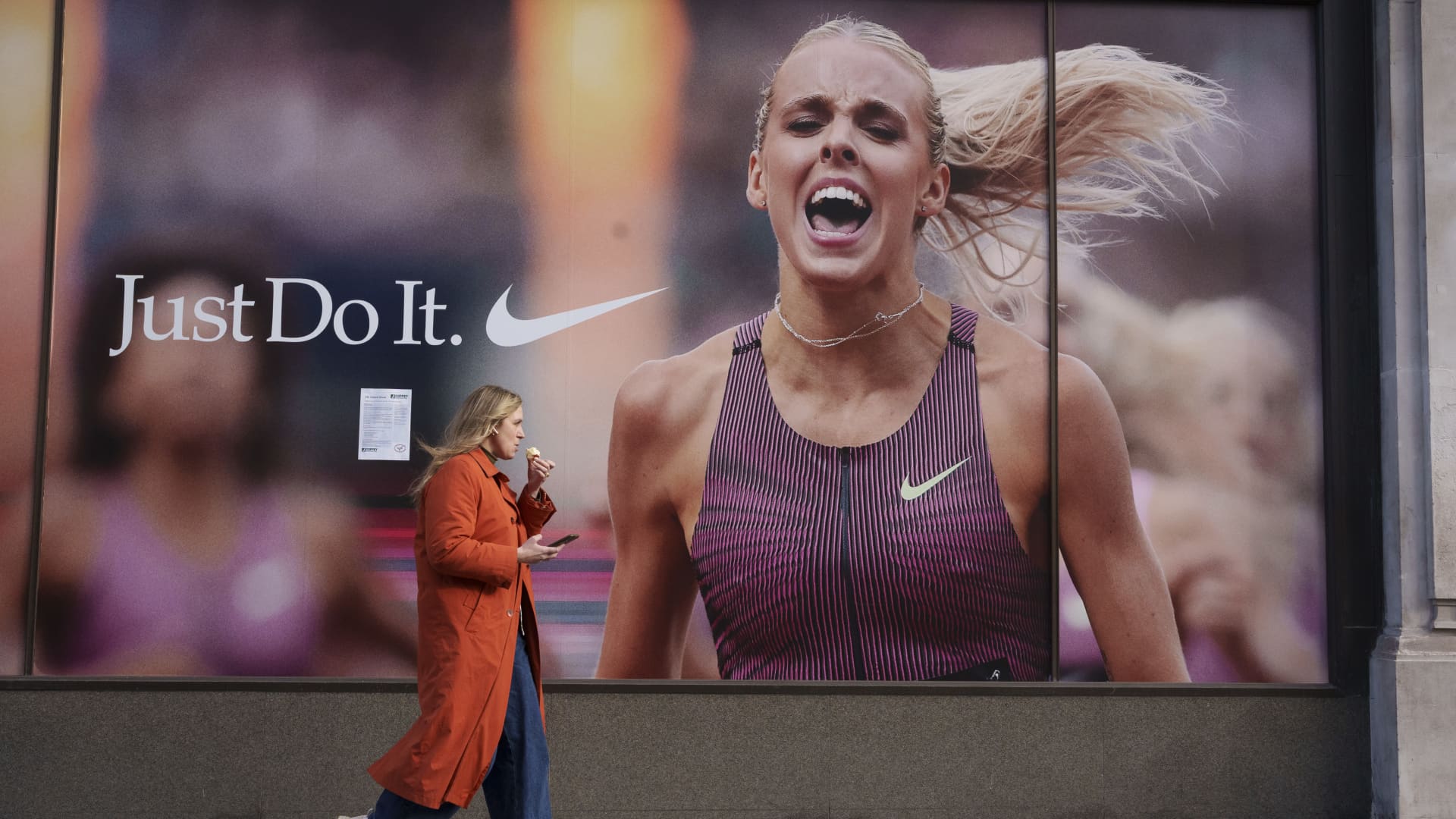
Nike's stock jumped 17% after the company reported a better-than-expected Q4 earnings and reassured investors that its turnaround strategy is beginning to show positive results, despite ongoing challenges like inventory clearance and economic headwinds.
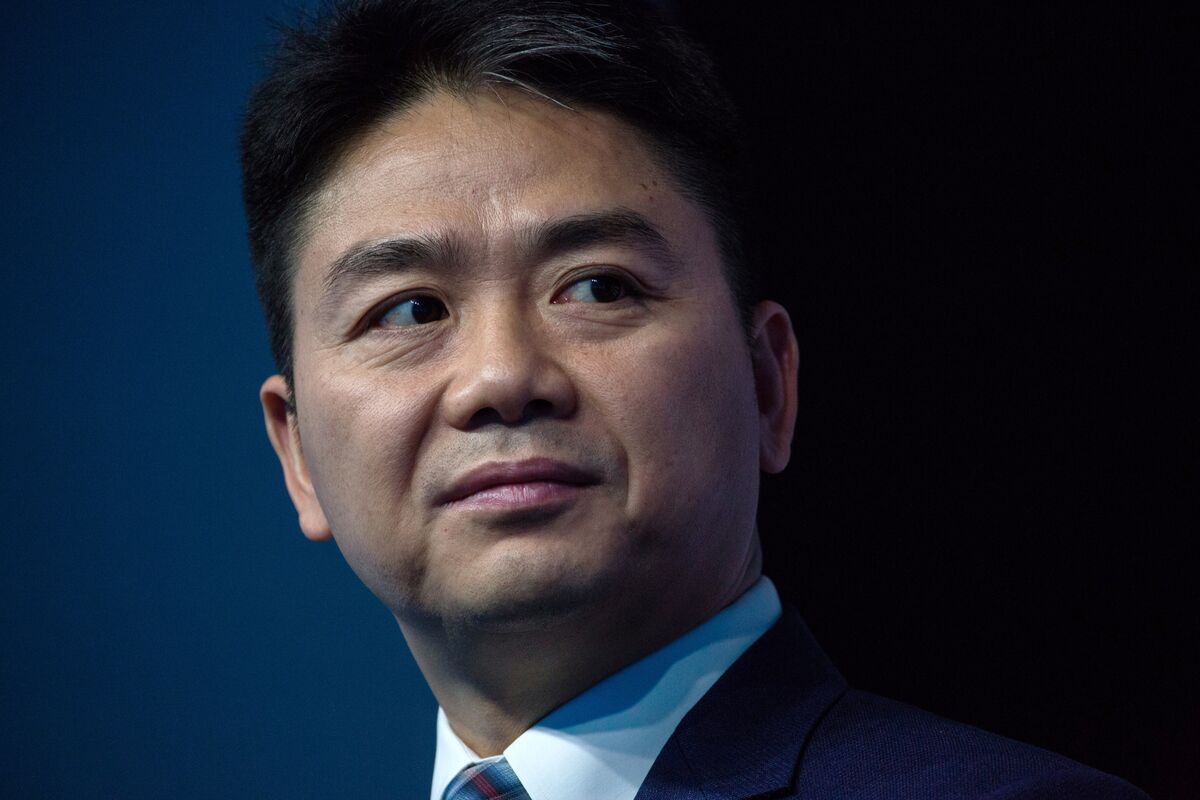
JD.com founder Richard Liu announced a strategic turnaround focusing on overseas expansion, competing with Meituan in food delivery and travel, leveraging its logistics network, and planning to enter European markets by 2026, amid a period of stagnation since 2020.
Intel is undergoing a new turnaround plan under interim CEO David Zinsner, focusing on strengthening its products division to become a leading-edge silicon provider. The company aims to boost internal orders by improving its foundry's performance. Intel also announced new board members, Steve Sanghi and Eric Meurice, both prominent figures in the chip industry. Despite a significant drop in share price over the past year, analysts maintain a Hold consensus on Intel stock, with a potential upside of 17.06%.
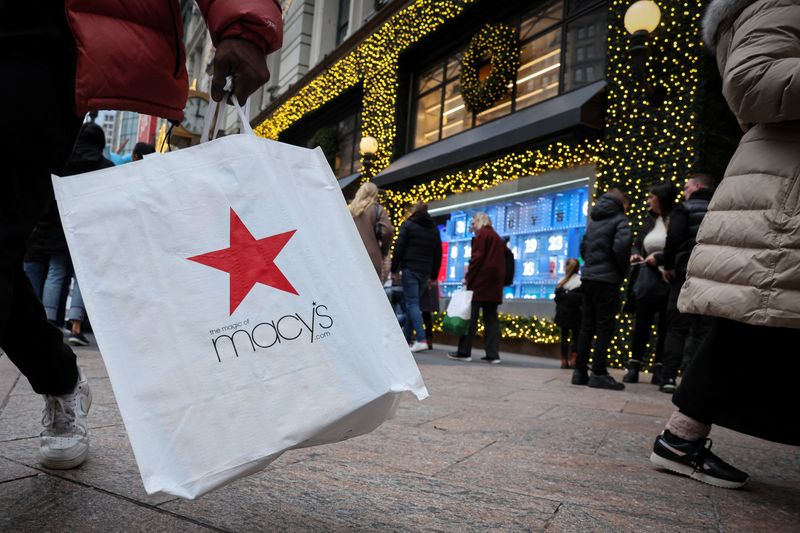
Macy's shares plummeted by 16%, the largest drop in four years, after the company ended buyout talks with Arkhouse Management Co. and Brigade Capital Management due to insufficient financing. CEO Tony Spring plans to focus on a self-executed turnaround strategy, including closing underperforming stores, investing in top-performing locations, and expanding the Bluemercury chain. The decision aims to eliminate distractions and restore growth amid a challenging retail environment.
Foot Locker's stock surged after a positive quarterly earnings report, indicating that CEO Mary Dillon's turnaround plan is showing progress. The retailer's stock has been upgraded and removed from the penalty box, though challenges remain.
Intel's financial update reveals declining revenue and widening losses at its manufacturing operations, with the new Intel Foundry division reporting a $7 billion operating loss in 2023. CEO Pat Gelsinger aims to make the division more independent to pursue chip production for other companies. Intel anticipates peak losses in 2024 and aims for profitability by 2030. The company faces competition from industry leaders like TSMC and Nvidia, but has secured Microsoft as a customer for its foundry business. Despite challenges, Intel is pushing ahead with a costly expansion of its factories in the US and Europe.
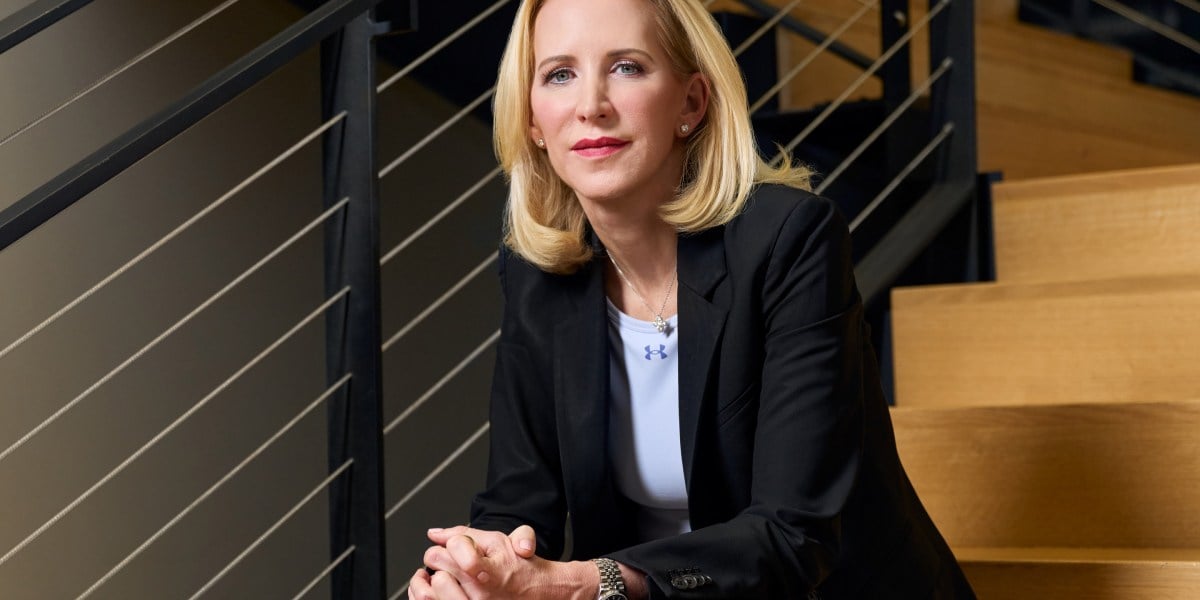
Under Armour's founder Kevin Plank is returning as CEO, ending Stephanie Linnartz's three-year turnaround plan after just over a year. Linnartz, who took over the struggling sportswear chain in 2023, will be leaving the CEO role at the end of this month. Plank, who first stepped down in 2020, will become the company's fourth CEO in four years. The abrupt CEO change comes as Under Armour continues to face challenges in revenue and brand identity, while Plank's continued presence and the company's political and personal controversies remain ongoing concerns.
Macy's shares surged 14% after investors Arkhouse Management and Brigade Capital increased their take-private bid to $6.58 billion, valuing the department store operator at $24 per share. The company, which has struggled with sales growth and profitability, is reviewing the new offer after rejecting a prior bid in January. The investors have identified global lenders for financing and are pressuring Macy's by nominating director candidates. Macy's forward price-to-earnings multiple is lower than industry peers, including Kohl's and Nordstrom.