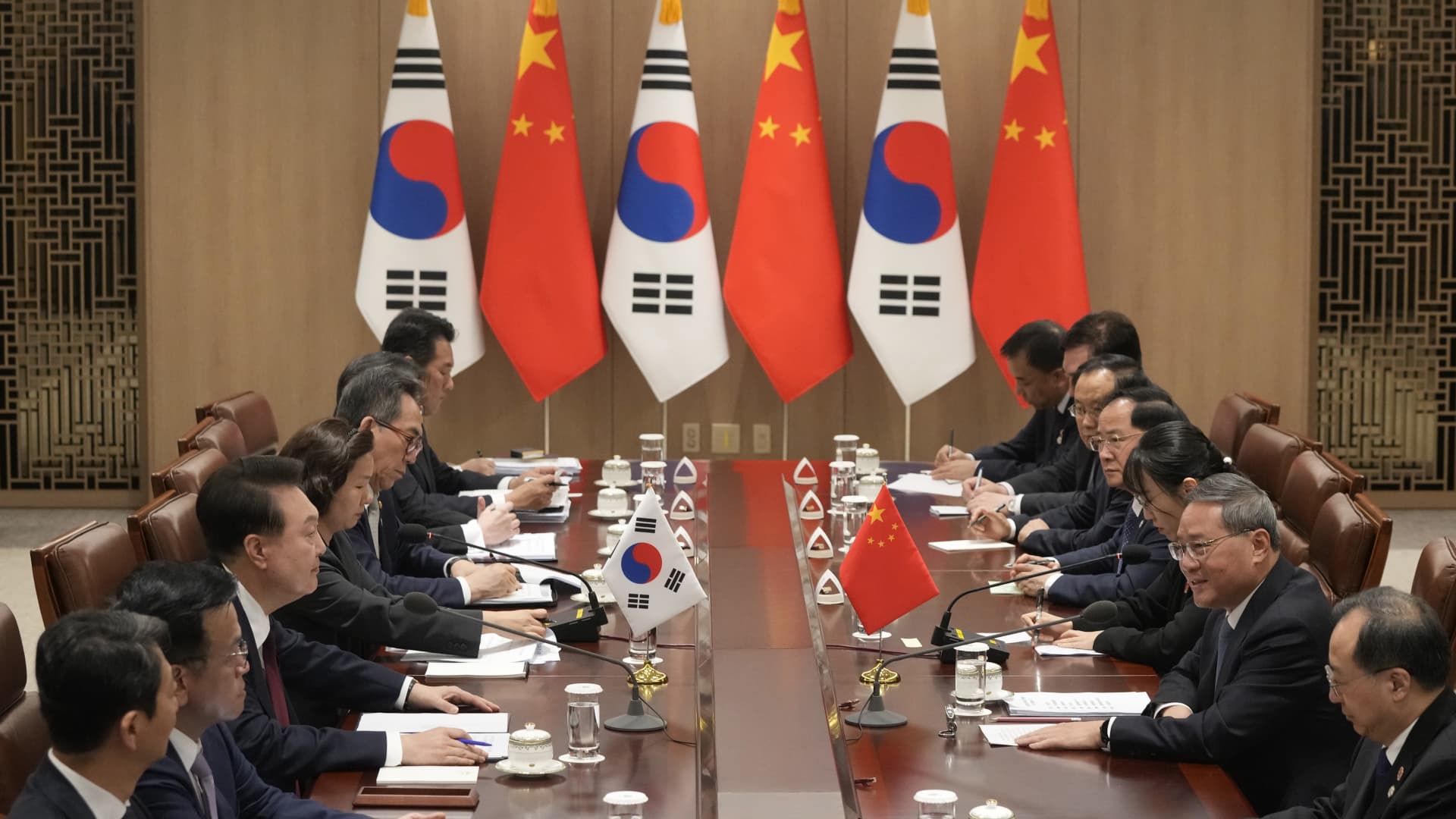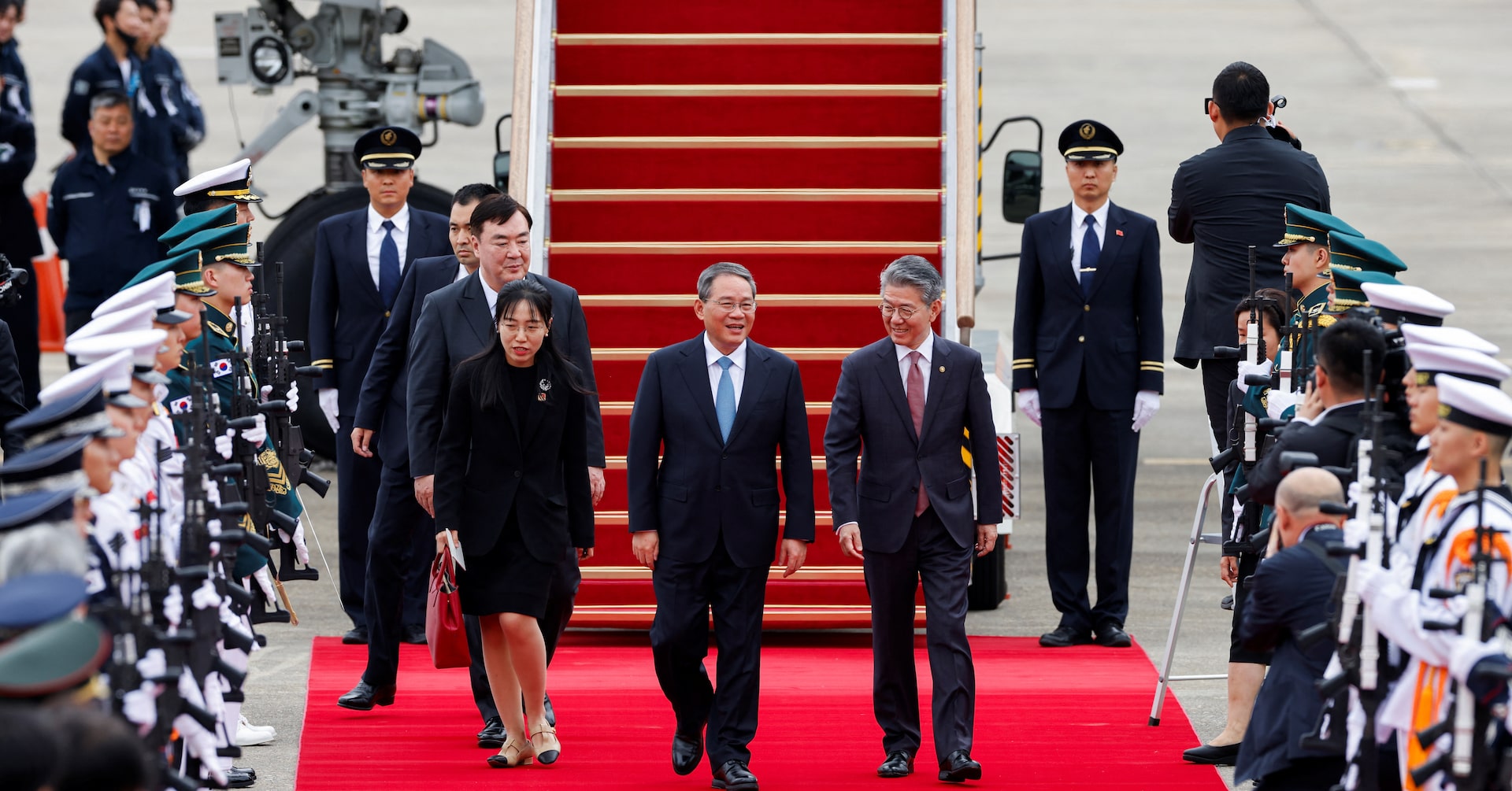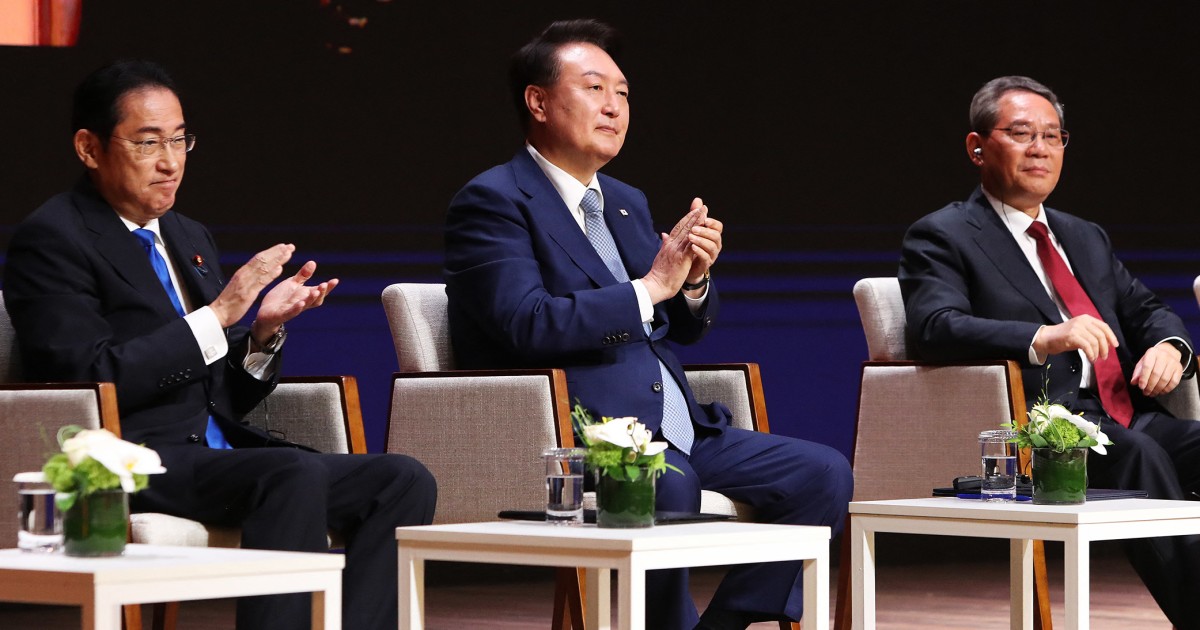
China, South Korea, and Japan held their first trilateral summit in over four years, agreeing to revive cooperation on economic and cultural issues amid global uncertainties. Chinese Premier Li Qiang expressed concerns over Japan and South Korea's growing security ties with the U.S., urging for strategic autonomy and multipolarity. The meeting was also overshadowed by North Korea's planned satellite launch, which drew calls for international action from South Korea and Japan.
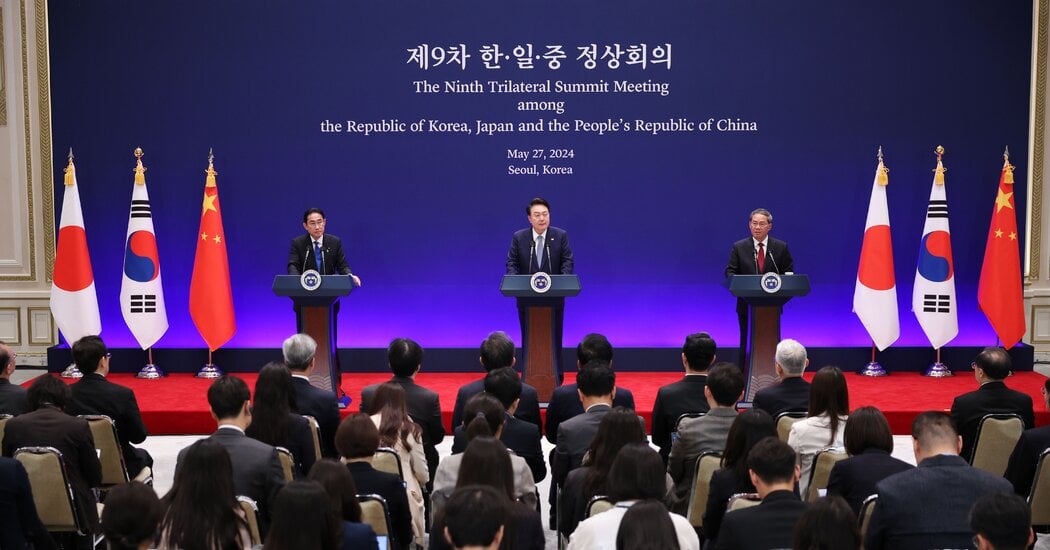
China, Japan, and South Korea held their first trilateral summit since 2019, focusing on trade and cultural exchange while avoiding contentious security issues. The meeting, aimed at restoring economic cooperation, was overshadowed by tensions between China and the U.S., and North Korea's announcement of a military spy satellite launch.
At a trilateral summit in Seoul, China urged Japan and South Korea to reject protectionism and uphold free trade, emphasizing economic cooperation over political and security issues. The leaders agreed to institutionalize their cooperation and expedite free trade agreement negotiations. The summit aimed to stabilize regional relations amid North Korean threats and U.S. influence, with China seeking to maintain its economic ties with both countries.
Chinese Premier Li Qiang praised the restart of relations with Japan and South Korea during the first trilateral summit since 2019, emphasizing the need to separate politics from economic and trade issues. The leaders agreed to revive trade and security dialogues, enhance cooperation in various sectors, and increase people-to-people exchanges. Despite progress, the summit focused more on reducing frictions rather than reshaping geopolitics amid ongoing regional and global tensions.
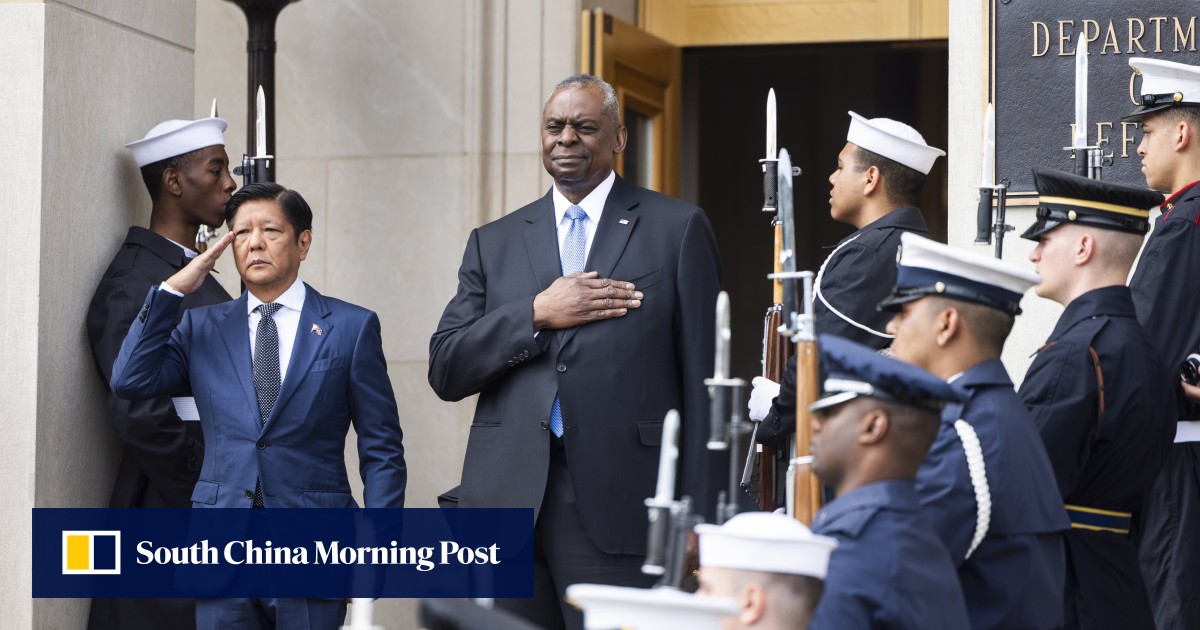
The US reassures China that its recent trilateral summit with Japan and the Philippines is not aimed at any specific nation, but rather at strengthening alliances and partnerships in the Indo-Pacific region. The summit addressed territorial disputes with China, with President Biden warning that any attack on Philippine forces in the South China Sea would invoke the mutual defense treaty. The three countries pledged to support each other against Beijing's "aggressive behavior" and announced plans for trilateral exercises and maritime activities. China has condemned the trilateral cooperation, warning Tokyo and Manila to engage less in activities that it perceives as confrontational.
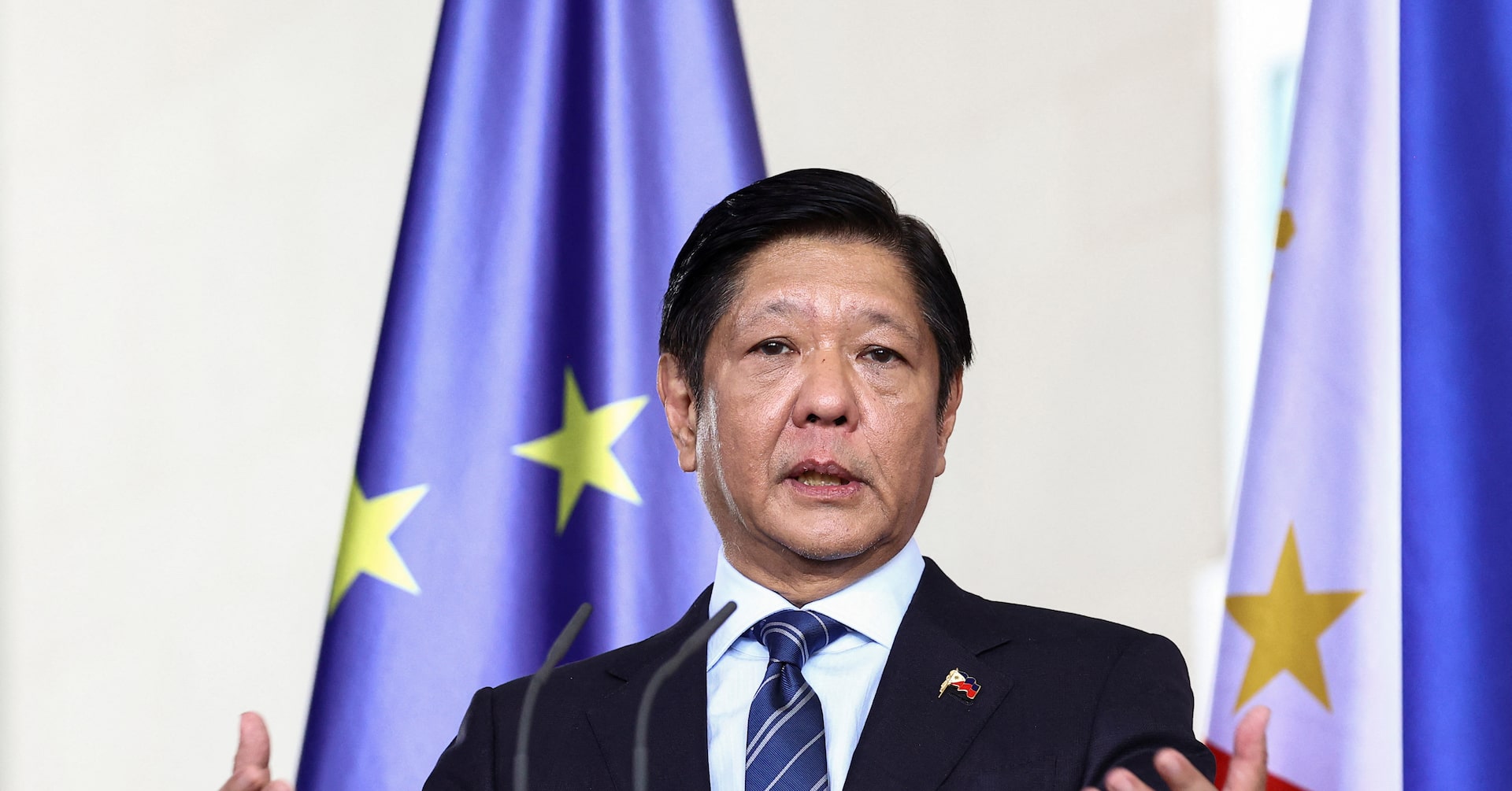
Philippine President Ferdinand Marcos Jr. announced that the upcoming trilateral summit with the U.S. and Japan will focus on maintaining security and freedom of navigation in the South China Sea, while also aiming to strengthen economic ties. The summit will cover areas such as infrastructure, semiconductors, cyber security, critical minerals, renewable energy, and defense and maritime cooperation. Marcos emphasized the importance of peace and freedom of navigation in the South China Sea, as the Philippines deepens military ties with the U.S. and Japan amid escalating maritime tensions with China. Additionally, Marcos denied the existence of a reported "gentleman's agreement" with Beijing regarding the Second Thomas Shoal, expressing concern over compromising the Philippines' territory and sovereignty.
President Biden will host the first trilateral U.S.-Japan-Philippines leaders’ summit at the White House, where the leaders will discuss cooperation on economic growth, clean energy, and peace and security in the Indo-Pacific. Additionally, President Biden will meet with President Marcos to review U.S.-Philippines relations and emphasize the U.S. commitment to upholding international law and promoting a free and open Indo-Pacific.
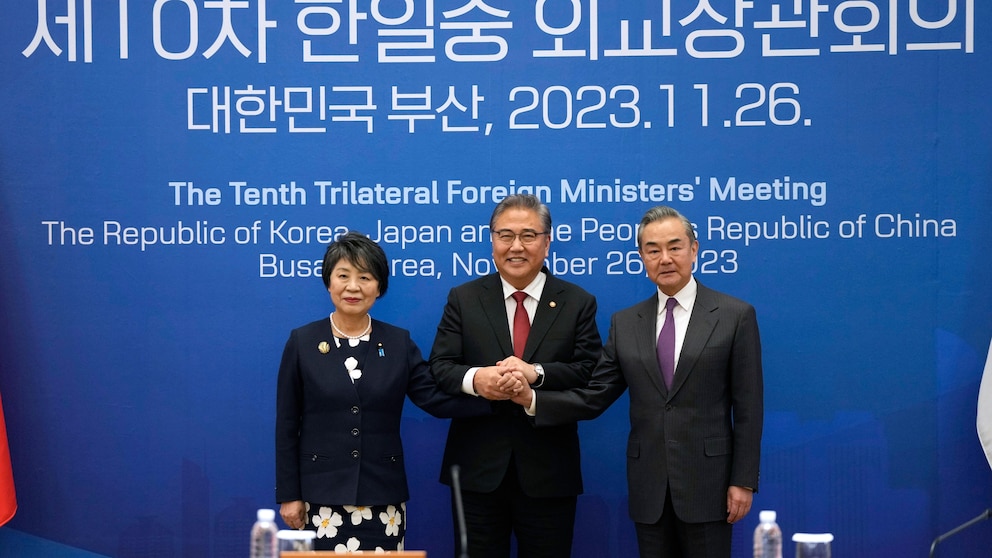
The top diplomats of South Korea, Japan, and China have met for the first time in four years to revive cooperation and resume their trilateral summit, although no specific timing has been set. The three countries, which account for about 25% of global GDP, have faced challenges in boosting cooperation due to historical disputes and strategic competition. While the lack of agreement on the timing suggests the summit won't happen this year, the meeting signals a step towards reviving three-way cooperation. The diplomats agreed to push for diverse cooperation projects in various areas and discussed issues such as seafood imports, North Korea's nuclear program, and the recent court ruling on compensation for Korean victims of Japanese wartime sexual slavery.
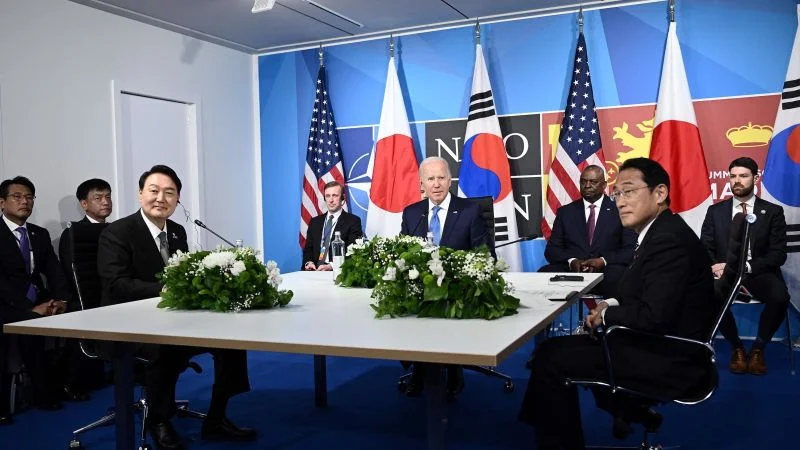
Chinese and Russian warships sailed close to Japan's southern islands, prompting "grave concern" from Japan ahead of a trilateral summit with South Korea and the United States. The 11 naval vessels, including missile destroyers, conducted joint patrols and exercises in the Pacific, but did not intrude into Japan's territorial waters. Japan has expressed concerns about these joint activities, which it sees as a show of force against its national security. The incident highlights the security challenges posed by North Korea and a rising China, as the US, Japan, and South Korea aim to deepen defense, technology, and economic cooperation at the upcoming summit.
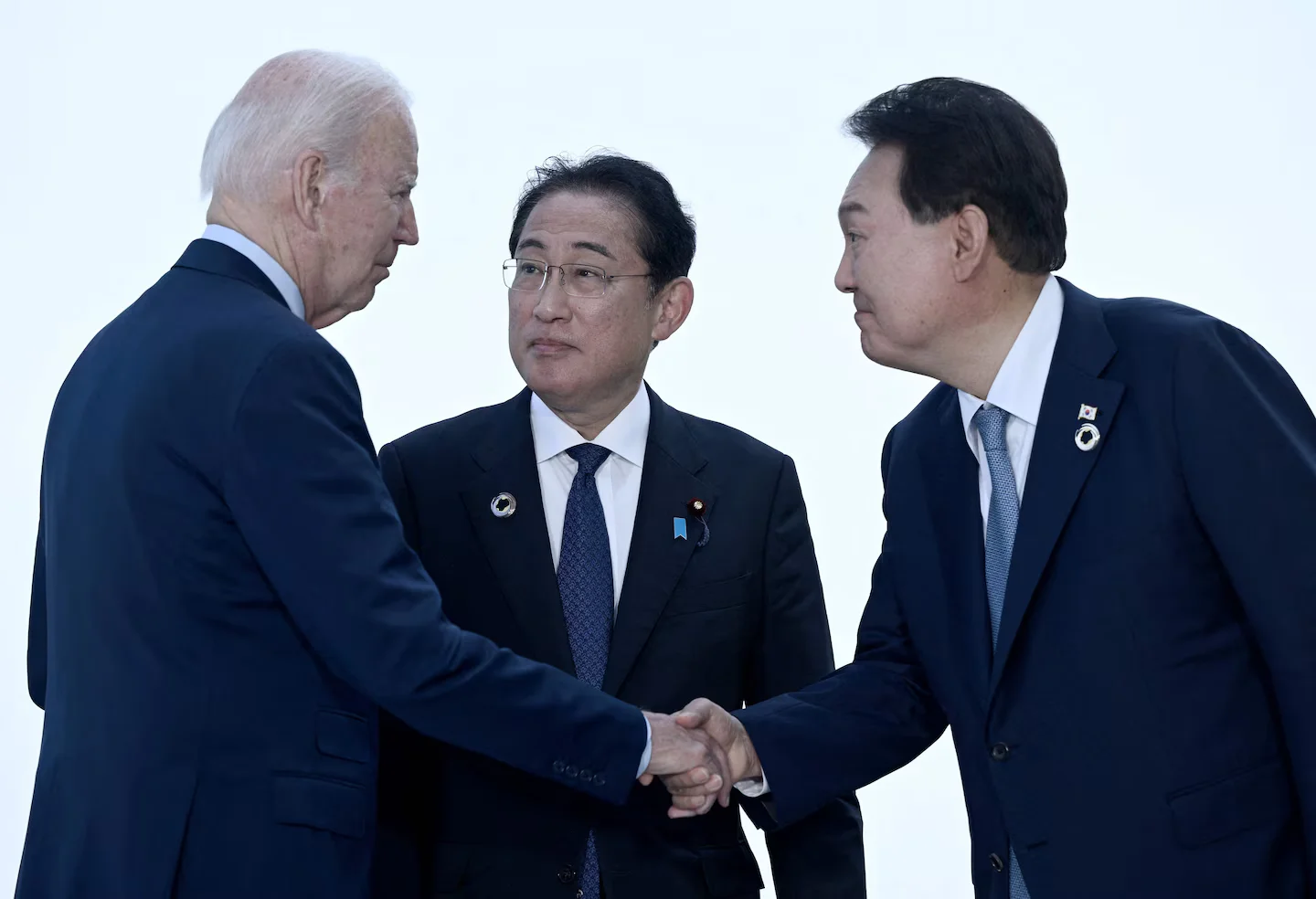
President Joe Biden is hosting the first-ever trilateral summit with Japan and South Korea at Camp David, focusing on shared security challenges and deepening ties with allies in the Indo-Pacific. The leaders will discuss defense, technology, and economic cooperation, establish annual military exercises, and set up a three-way hotline for crisis consultation. While the summit falls short of a collective defense agreement, it underscores the unity of the three countries in the face of challenges from North Korea and China. The gathering at Camp David highlights Biden's mission of reinvigorating alliances and countering China's influence.
President Biden will host a stand-alone summit with the leaders of Japan and South Korea at Camp David, marking the first time the three nations' leaders will hold a meeting to discuss trilateral issues. The summit aims to strengthen the security partnership between the United States and its Asian allies in the face of rising threats from China and North Korea. While not resulting in a collective defense pact, the meeting sends a powerful political message to Beijing and Pyongyang. The leaders are expected to affirm the link between their nations' security and commit to consulting each other in the event of a regional security crisis. The summit also marks a significant milestone in convening two major U.S. treaty allies whose historical frictions have complicated efforts to forge a trilateral partnership.
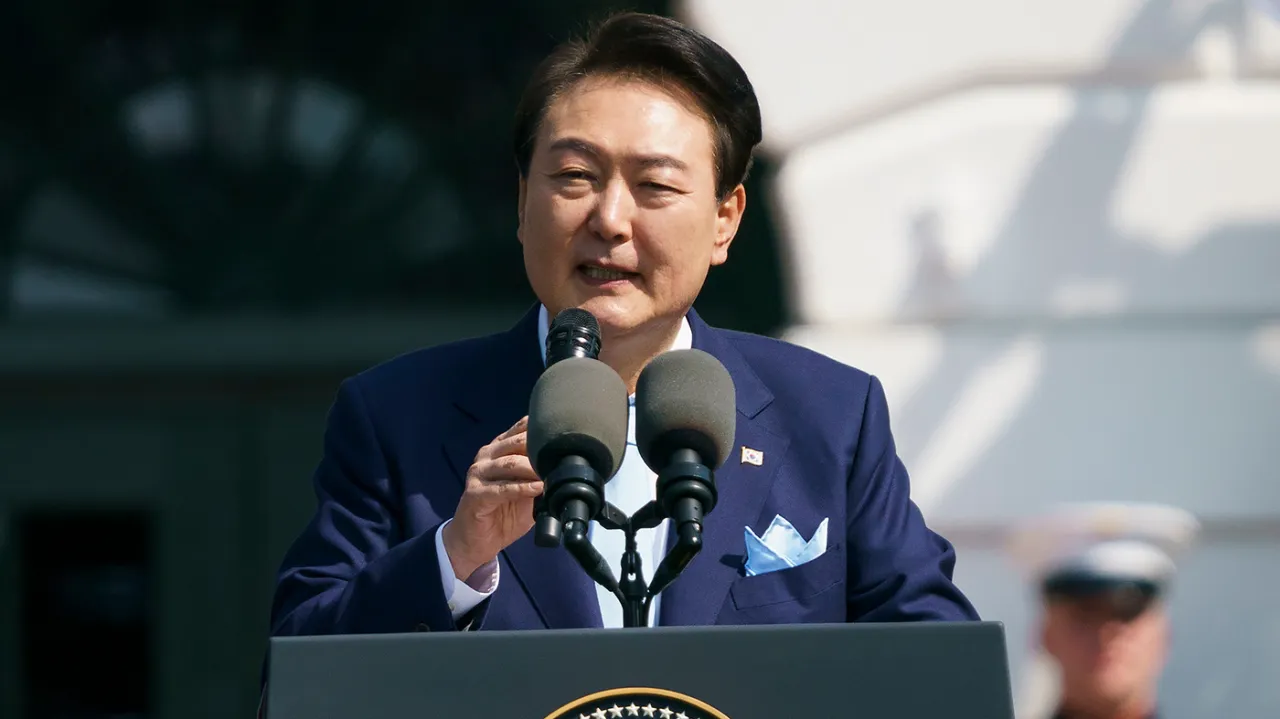
South Korean President Yoon Suk Yeol called for deeper defense and security cooperation with the United States ahead of a trilateral summit with President Biden and Japan's prime minister. Yoon emphasized the threat posed by North Korea's "communist totalitarian" state and the importance of standing united in the spirit of solidarity. He also highlighted the need to work with allies globally, including strengthening ties with NATO. The upcoming summit is expected to address rising tensions with North Korea and China in the Indo-Pacific, with discussions on expanding military cooperation and technology development. China expressed opposition to "exclusionary groupings" and called for regional peace and stability.