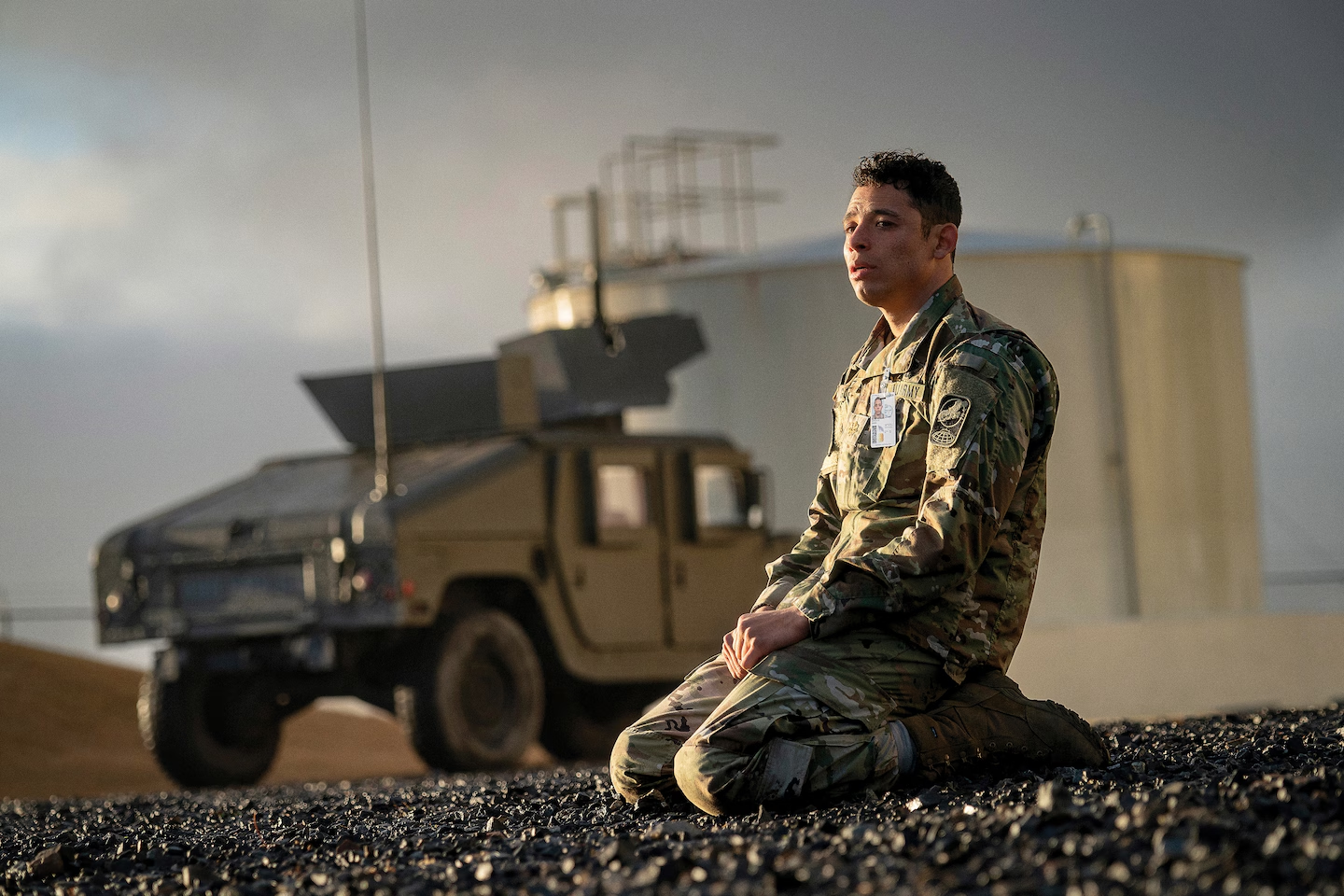
On October 10, 1983, President Reagan watched a screening of the dystopian film 'The Day After' at Camp David, which depicts a nuclear apocalypse in the U.S., highlighting fears of nuclear conflict.
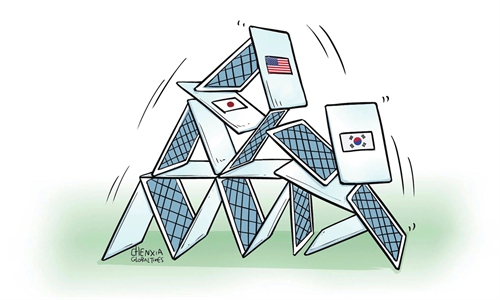
The Camp David meeting between the US, Japan, and South Korea has signaled a tightening of ties between Japan and South Korea with the US against China, which will have a significant impact on economic and trade cooperation in the region. The distrust among the three countries caused by geopolitical divisions has reached a critical point, and it is crucial to prevent further deterioration and rebuild trust, especially in the economic and trade sectors. The split between China, Japan, and South Korea will harm current economic and trade connections and impact the development and future of the world's leading economies.
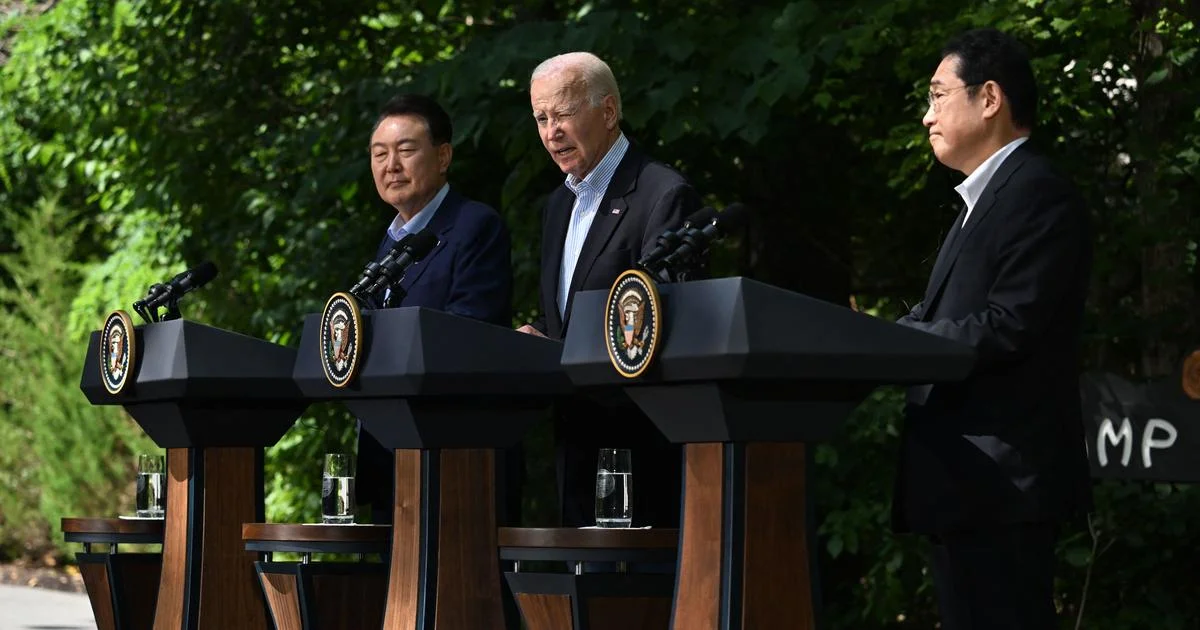
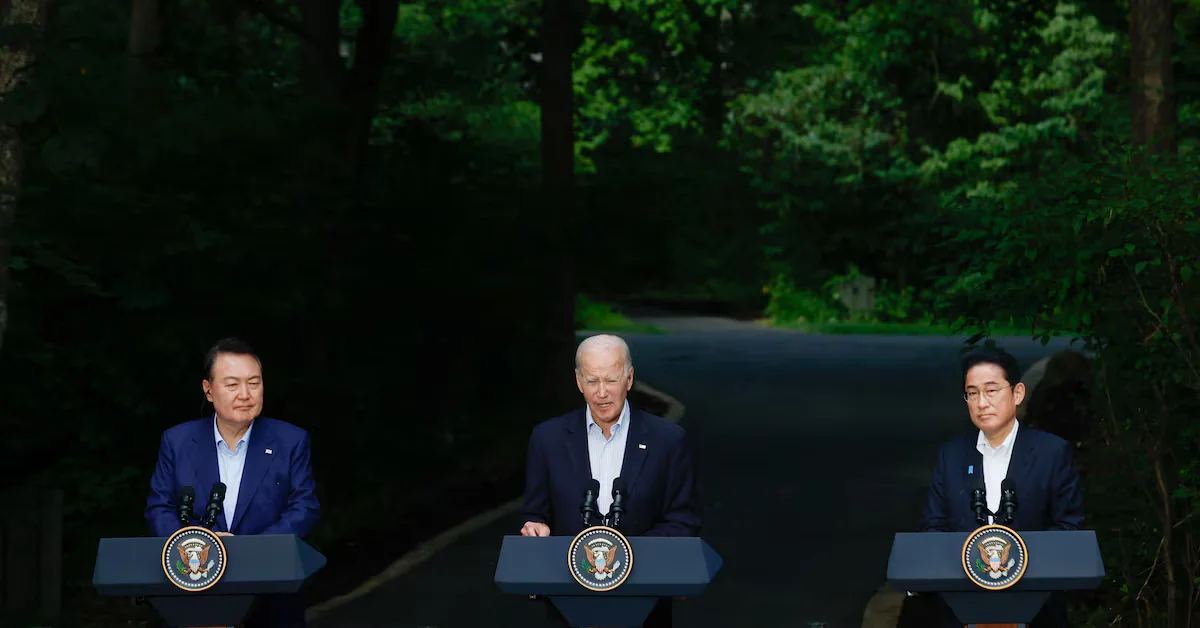
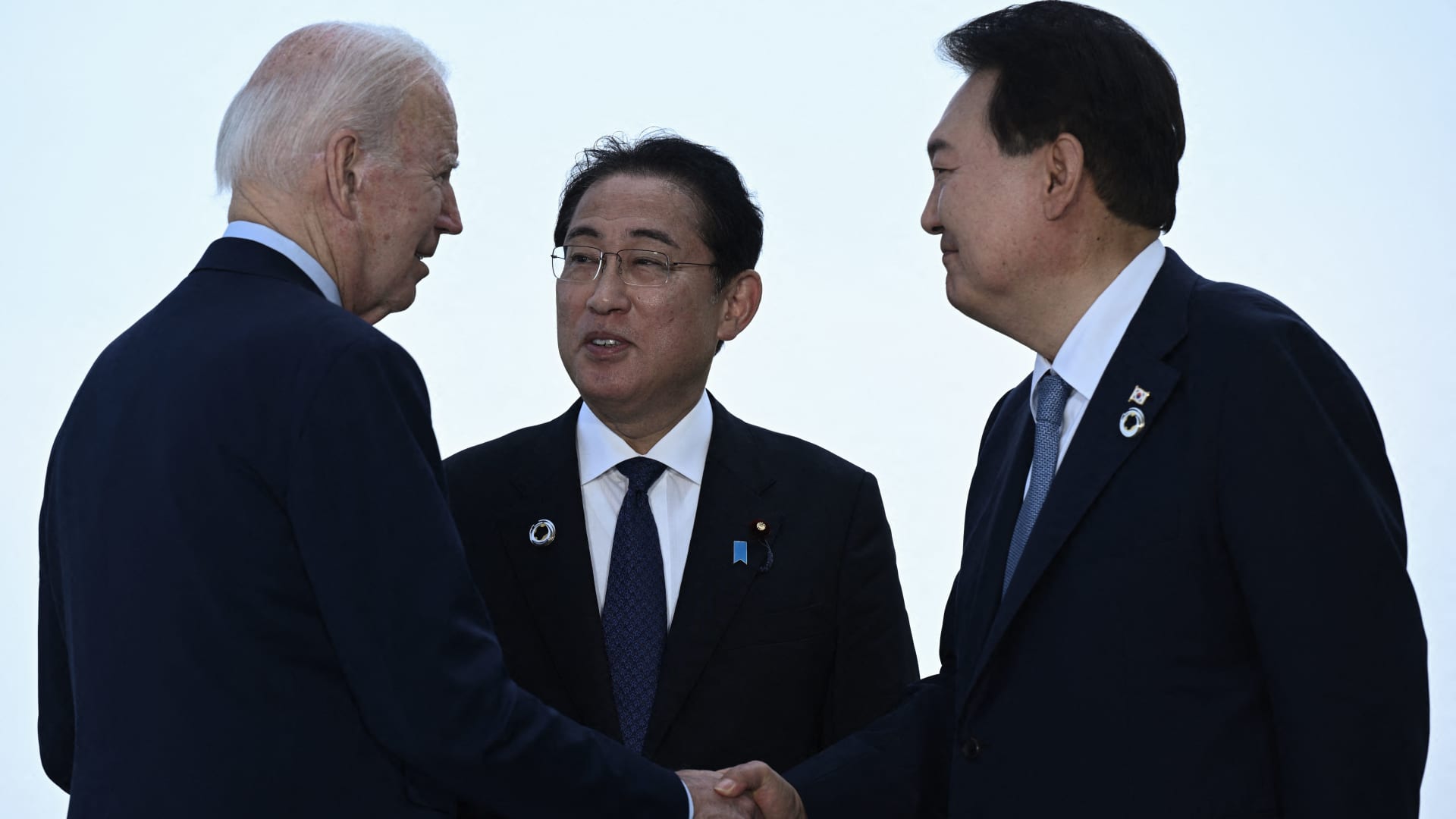
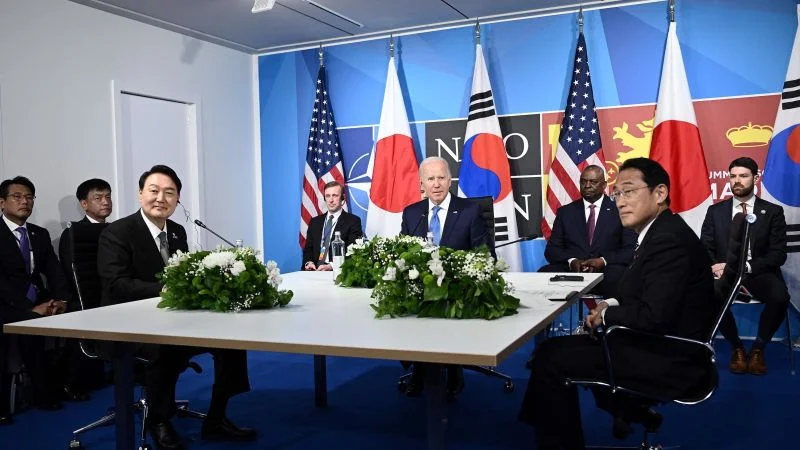
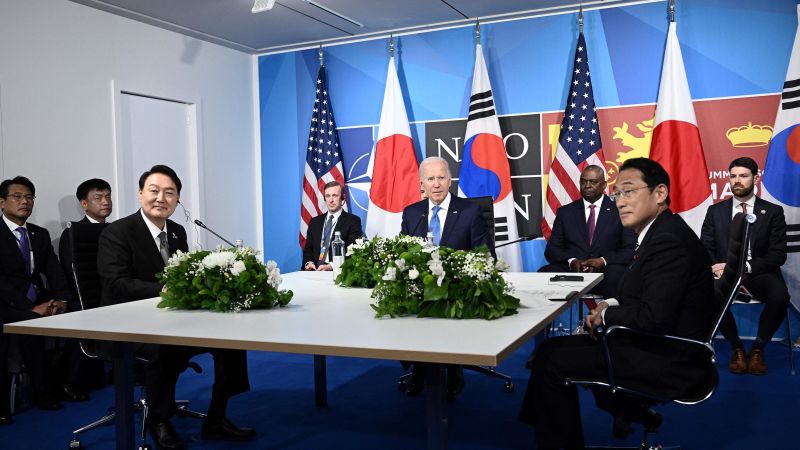
President Biden hosted a trilateral summit at Camp David with the leaders of Japan and South Korea, announcing a strengthened agreement to deepen security and economic commitments. The three nations committed to new coordination efforts, including a crisis hotline, information sharing about North Korean missile launches and cyber activities, and bolstered missile-defense cooperation. They also reaffirmed their commitment to peace and stability in the Taiwan Straits. On the economic front, they will work on early-warning system pilots to address possible supply-chain disruptions. The leaders will meet annually, and Cabinet-level officials will gather regularly. The summit aimed to mend relations between Japan and South Korea, as both countries are concerned about China's assertiveness and North Korea's nuclear threats.
The leaders of the United States, South Korea, and Japan held a summit at Camp David, where they agreed to deepen military and economic cooperation and issued their strongest joint condemnation of China's "dangerous and aggressive behavior" in the South China Sea. The three countries committed to consult and coordinate responses to regional challenges, hold military training exercises annually, and share real-time information on North Korean missile launches. While not a formal alliance, the summit represents a significant step for Seoul and Tokyo, given their historical tensions. The leaders' strong language on China is likely to provoke a response from Beijing, which is a vital trading partner for both South Korea and Japan.
President Joe Biden will host a trilateral meeting with the leaders of Japan and South Korea at Camp David, aiming to improve the historically strained relationship between the two countries and enhance military cooperation in the face of rising tensions from China and North Korea. This marks the first time Biden has used the Maryland retreat for a summit during his presidency. The meeting comes amidst geopolitical competition, the climate crisis, Russia's aggression against Ukraine, and nuclear provocations. Japan and South Korea are crucial U.S. allies in the Indo-Pacific region, which is home to more than half of the world's largest standing militaries. The summit takes place as tensions between Beijing and Washington escalate over China's territorial expansion, aggression towards Taiwan, and allegations of espionage and human rights abuses.
President Joe Biden hopes to strengthen the bond between South Korea and Japan during a summit at Camp David, aiming to counter China's influence in the region and bolster defense of Taiwan. While the summit is unlikely to result in a formal security arrangement, the leaders will establish a mutual understanding of regional responsibilities. The easing tensions between South Korea and Japan are driven by shared concerns about an aggressive China and an erratic North Korea. However, previous attempts to improve ties have stumbled, and the success of this initiative relies on the personal efforts of the three leaders. Challenges remain, including China's suspicions and North Korea's criticism of deepening military ties between the three nations.
President Joe Biden is hosting the first-ever trilateral summit with Japan and South Korea at Camp David, focusing on shared security challenges and deepening ties with allies in the Indo-Pacific. The leaders will discuss defense, technology, and economic cooperation, establish annual military exercises, and set up a three-way hotline for crisis consultation. While the summit falls short of a collective defense agreement, it underscores the unity of the three countries in the face of challenges from North Korea and China. The gathering at Camp David highlights Biden's mission of reinvigorating alliances and countering China's influence.
President Joe Biden will host Japanese Prime Minister Kishida Fumio and South Korean President Yoon Suk Yeol at Camp David next month to strengthen the trilateral relationship between the United States, Japan, and South Korea. The leaders will discuss expanding cooperation in the Indo-Pacific, addressing the threat posed by North Korea, and strengthening ties with ASEAN and the Pacific Islands. This visit marks the first time a foreign leader has visited Camp David since Biden took office and the first since 2015. The meeting aims to mend ties between South Korea and Japan, which have been strained by historical disputes, and present a united front against North Korea and China.