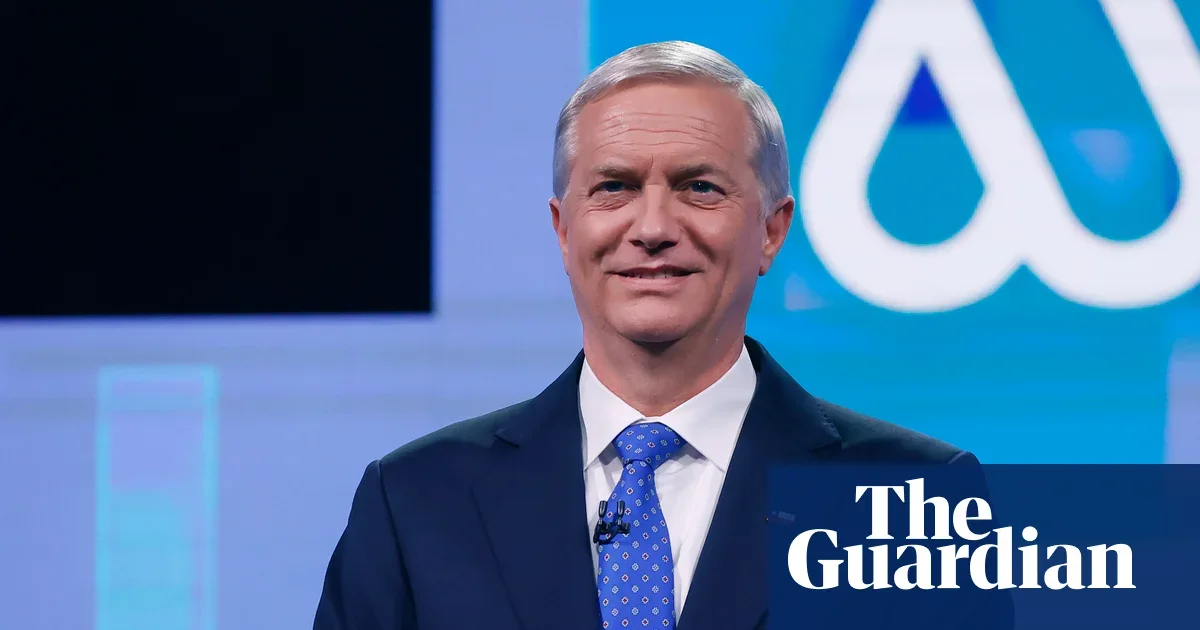
José Antonio Kast, a far-right candidate in Chile's upcoming presidential election, advocates for strict immigration controls and law-and-order policies inspired by leaders like Trump and Bukele, promising to restore security and national sovereignty, amid concerns from opponents about the feasibility and human rights implications of his plans.
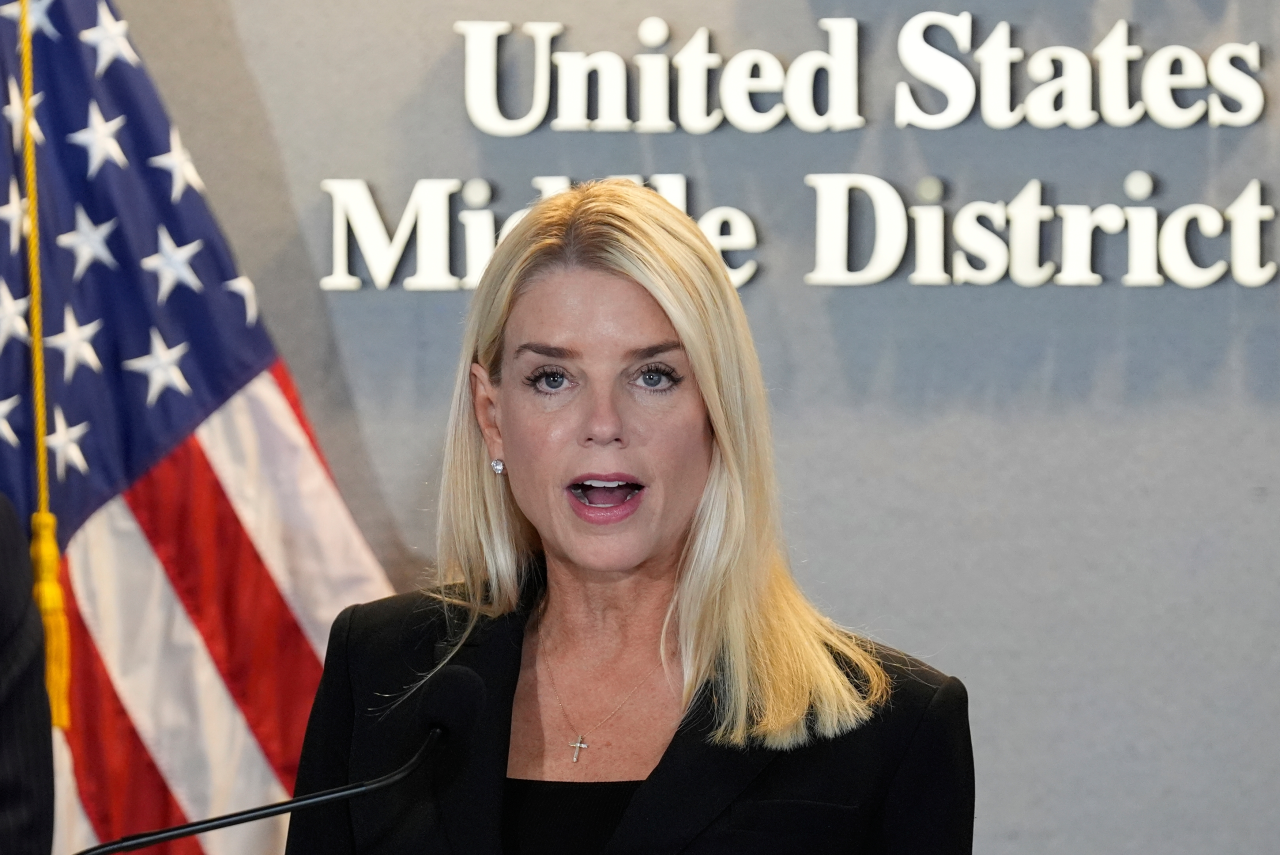
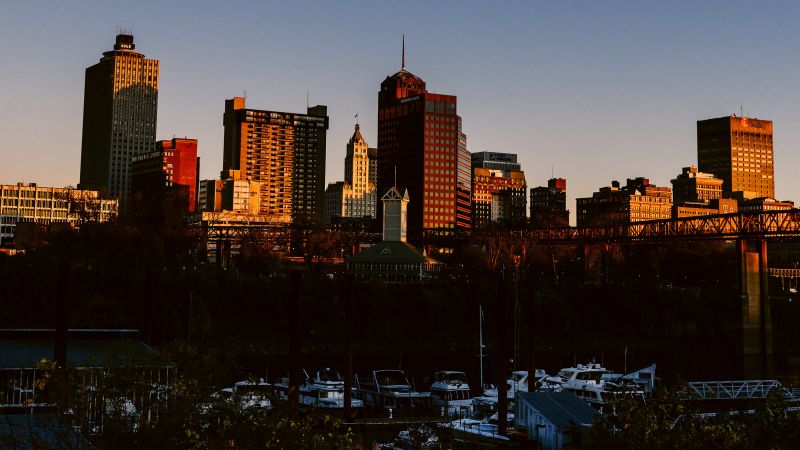
A federal task force in Memphis has arrested 93 individuals, including a member of the Venezuelan Tren de Aragua gang, seizing 28 illegal guns, as part of a crackdown on crime in the city, with high-profile officials emphasizing zero tolerance for criminal activity.
Starting Monday, federal agents from 13 U.S. agencies, including the FBI and DEA, along with Tennessee Highway Patrol troopers, will be deployed in Memphis as part of a federal effort to combat crime, with the National Guard supporting in non-arrest roles; the operation aims to reduce violent crime and is part of a broader national strategy.
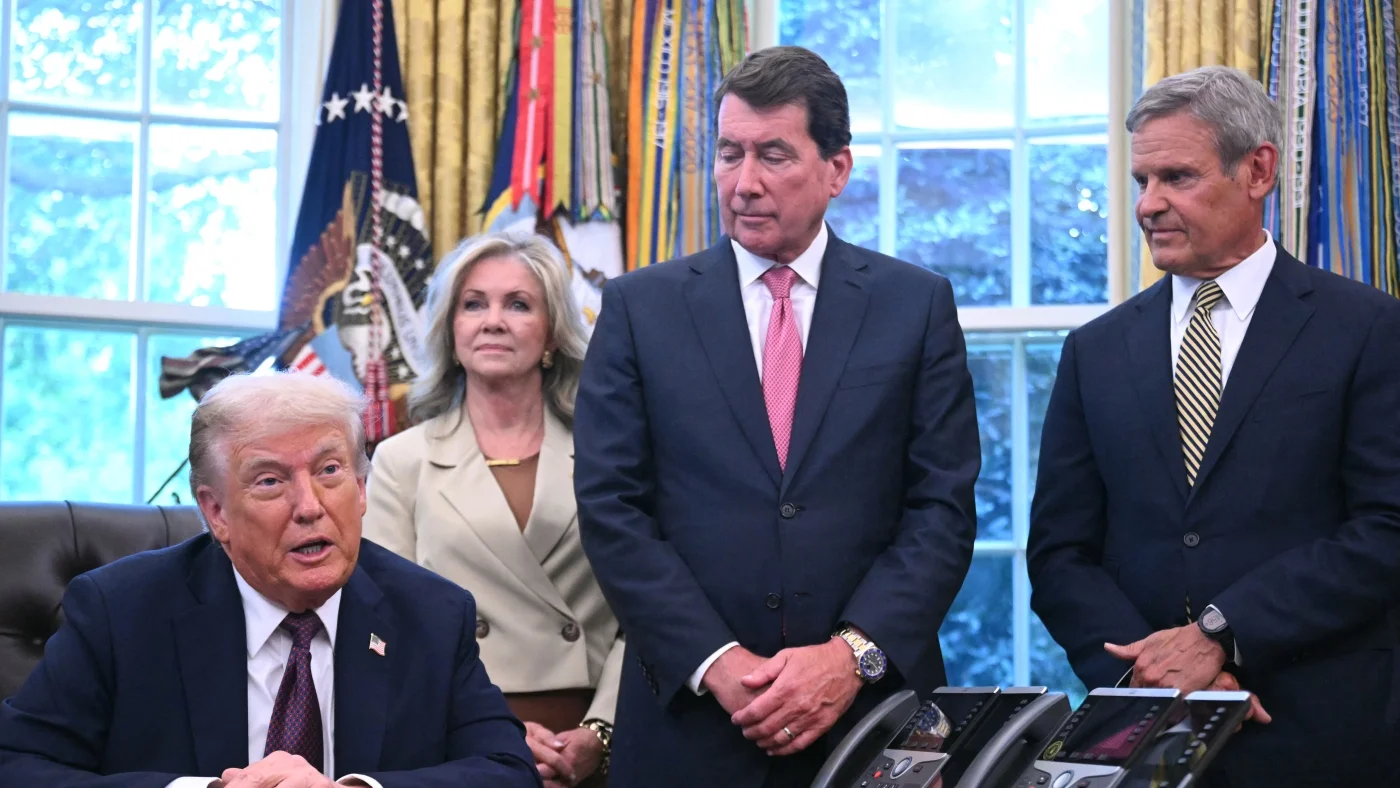
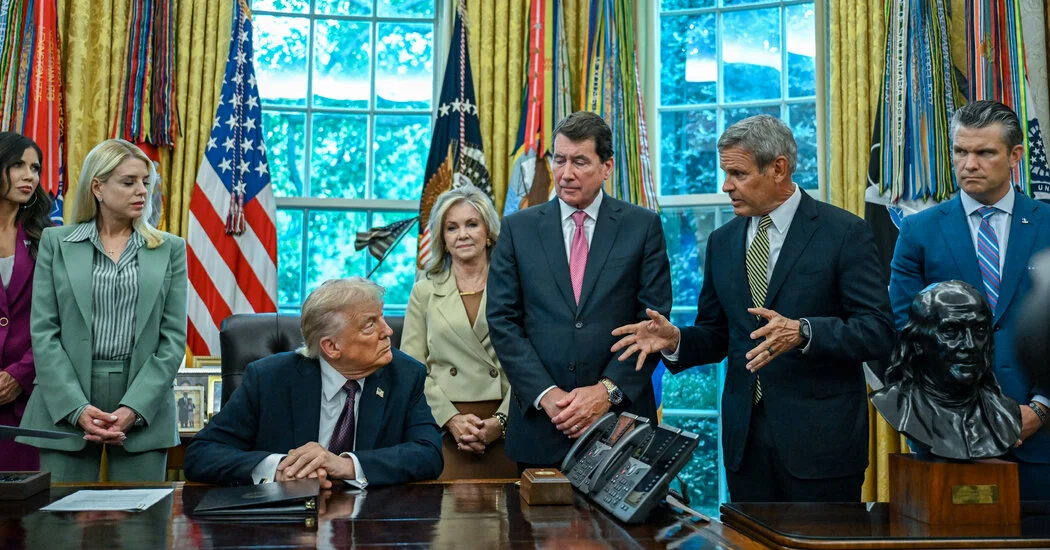
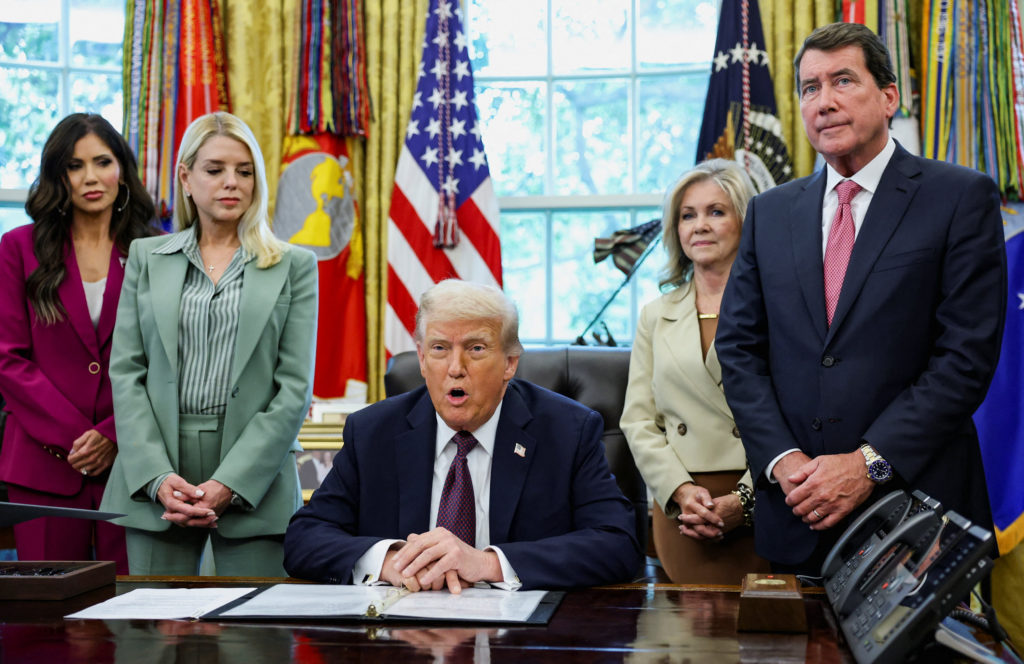
Federal forces, including over a dozen agencies and the National Guard, are set to arrive in Memphis next week to support local law enforcement as part of a broader federal crackdown on crime, authorized by President Trump and led by Tennessee Governor Bill Lee.
President Trump signed an order to deploy the National Guard to Memphis as part of a crime crackdown, with hints that Chicago might be next, despite opposition from local officials and previous statements ruling out troop deployment there.
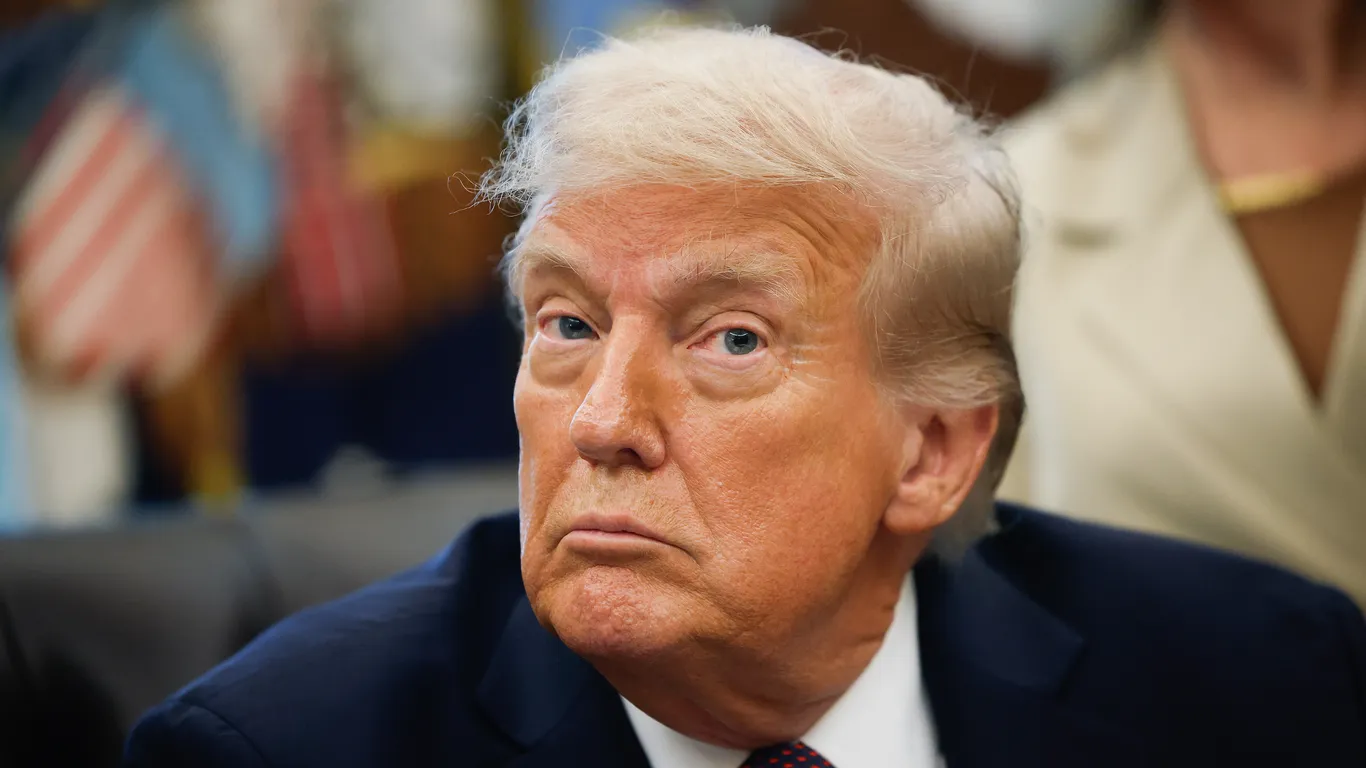
President Donald Trump deployed the National Guard to Memphis to address crime, mirroring his previous efforts in Washington, involving federal agencies and sparking local and political reactions amid ongoing crime concerns.
President Trump announced plans to deploy National Guard and potentially military forces to Memphis to address its high violent crime rate, citing support from local officials and a meeting with Union Pacific CEO Jim Vena, amidst local opposition and concerns about federal intervention.
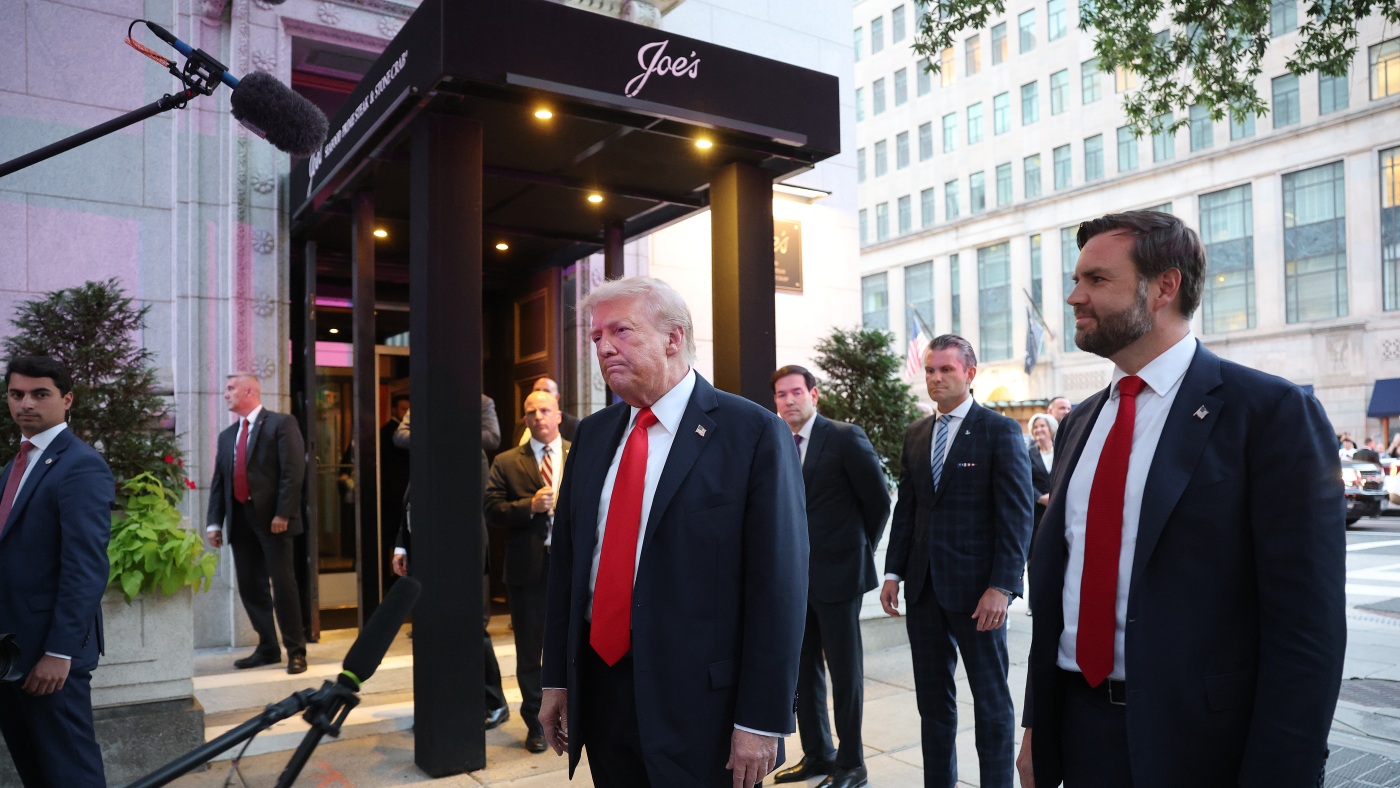
President Trump made a rare D.C. restaurant visit amid ongoing debates over his crime policies, claiming the city is safer, while facing protests and mixed public reactions, with data showing a complex picture of D.C.'s safety and restaurant industry impact.
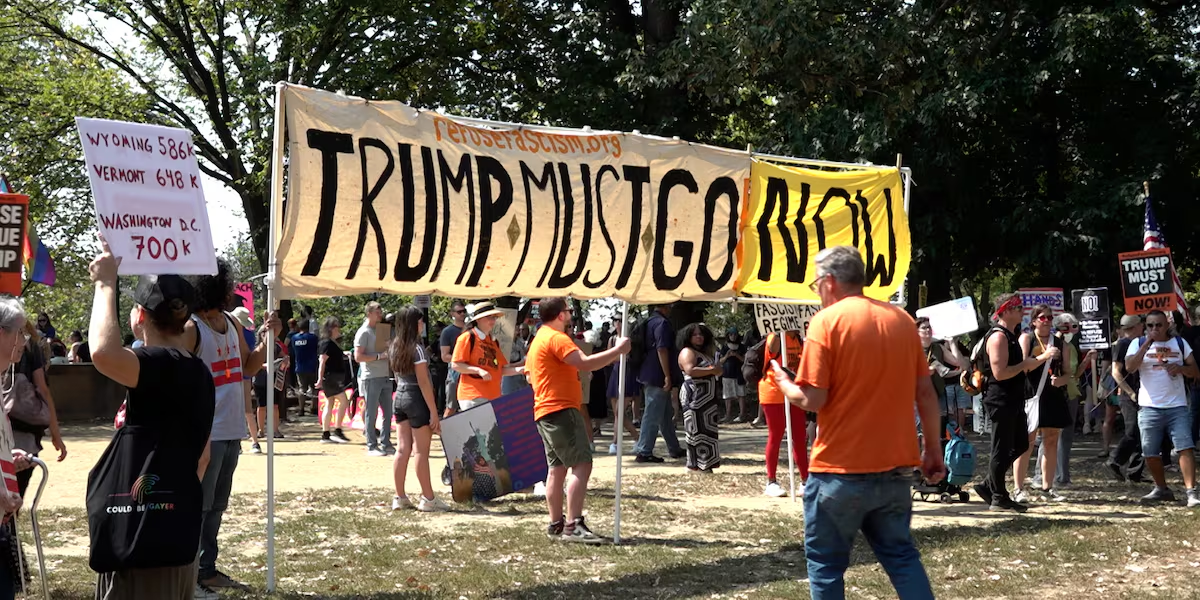
Thousands protested in Washington D.C. against the federal government's increased military presence and crime crackdown, arguing it constitutes an illegal occupation, amid ongoing debates over National Guard deployment and local control.
The Trump administration's recent aggressive gun enforcement in Washington D.C., including confiscating around 150 weapons and making numerous arrests, marks a significant shift from its usual stance of deregulation and reduced federal oversight of firearms, causing unease among gun rights supporters and raising questions about the effectiveness of the crackdown on crime.
Following President Trump's declaration of a crime emergency in Washington DC and a crackdown involving federal agencies and military presence, violent crime has reportedly decreased significantly over the past two weeks, with police data indicating a 23% drop in violent crimes and a temporary streak of no murders, though some experts caution that reporting delays and broader context should be considered. Arrests have exceeded 1,000, and the court system is experiencing increased pressure, with longer detention times and federal prosecutions rising.
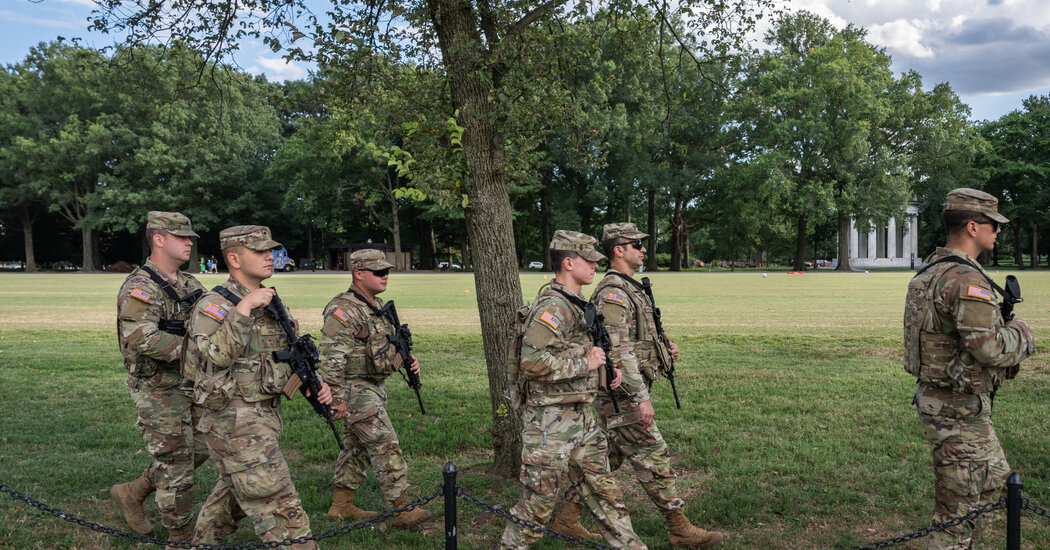
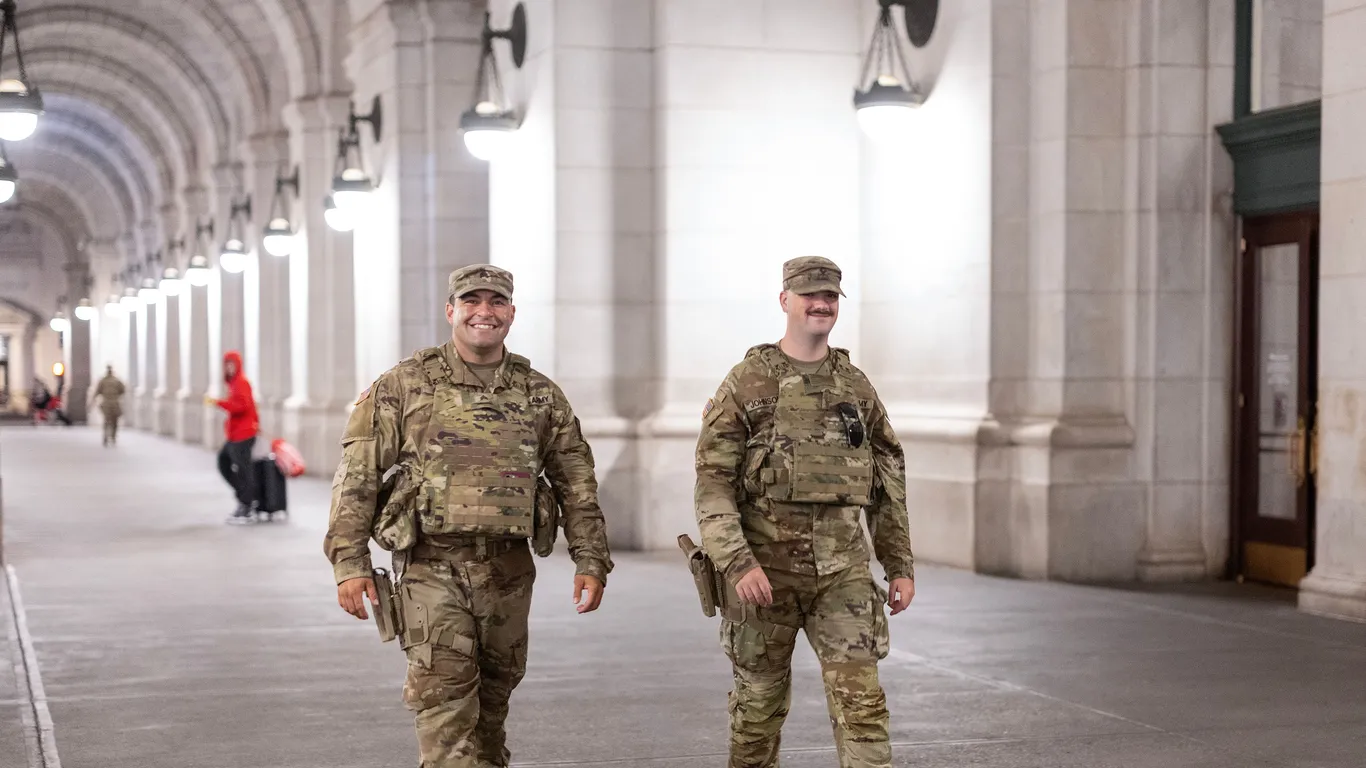
National Guard troops in Washington D.C. began carrying weapons on August 24th, authorized by Secretary of Defense Pete Hegseth, as part of a crime crackdown following President Trump's executive order, with around 2,000 troops deployed to support law enforcement efforts.
Democrats criticize President Trump's proposal to deploy federal law enforcement and National Guard troops to Chicago without local approval, viewing it as an overreach of presidential authority and a distraction from local issues. Trump claims support from some residents and plans to target other cities, but officials like Illinois Gov. Pritzker and Chicago Mayor Johnson oppose such actions, emphasizing the lack of emergency and proper coordination.
President Trump threatened to send troops to Maryland over a dispute related to bridge funding and announced plans to target Chicago and New York for federal crime crackdowns, suggesting the use of active-duty military and National Guard troops, though legal and logistical challenges exist.
The Pentagon is planning a military deployment to Chicago amid President Trump's calls for a crackdown on crime, homelessness, and undocumented immigration, potentially setting a precedent for other major cities.