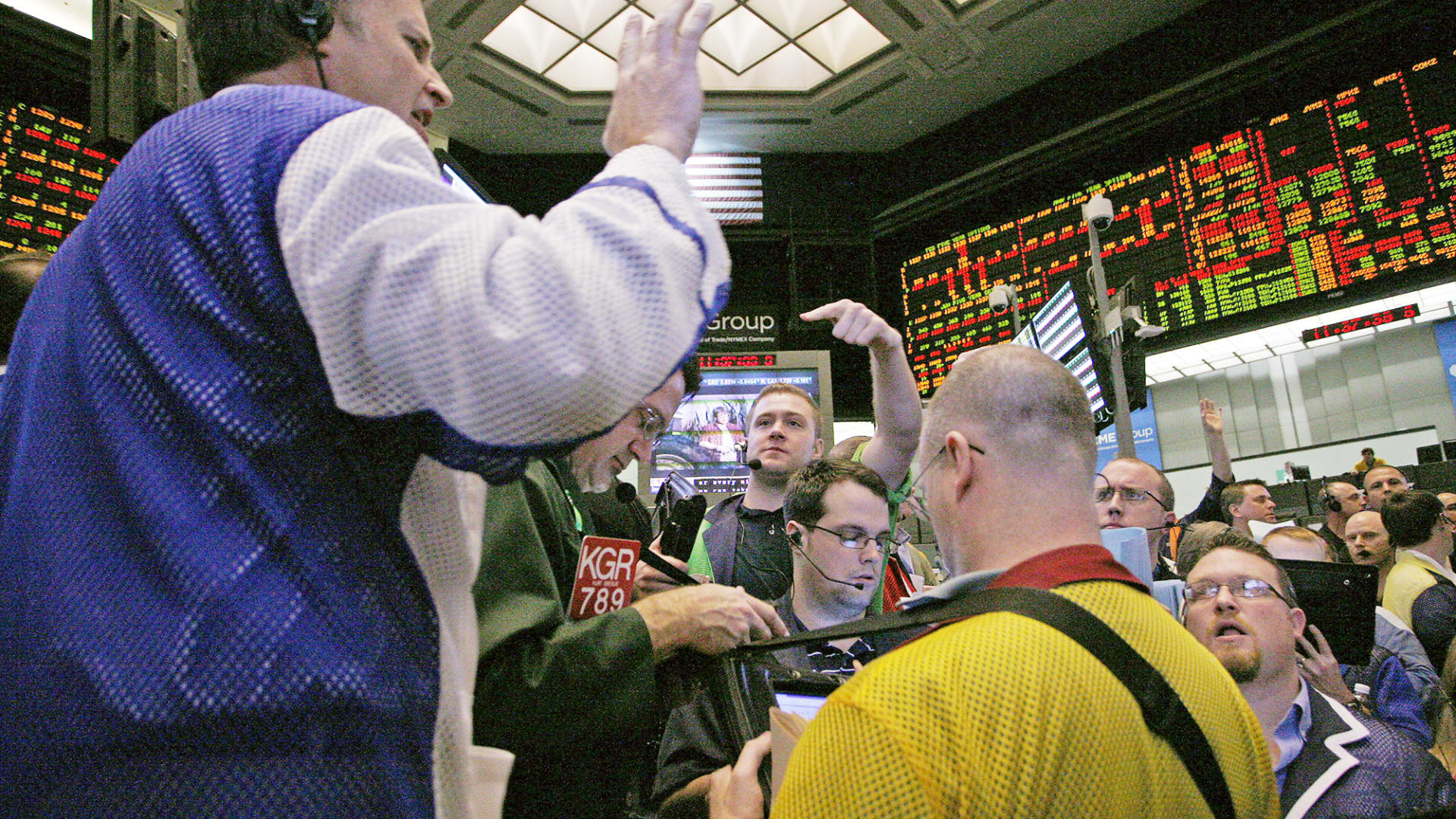
Wall Street forecaster Jim Bianco warns that Treasury yields could surge through 5% in the next couple of weeks, driven by concerns over inflation and the Federal Reserve's stance on interest rate hikes. Bianco believes that the more the Fed talks about being done with rate hikes, the worse it becomes for the bond market. Yields on Treasury notes have already reached their highest levels since 2007, causing volatility in both the bond and stock markets. While some analysts predict extreme scenarios with yields as high as 13-14%, Bianco considers such levels to be unlikely unless a significantly negative event occurs.

The yield on the 2-year and 10-year U.S Treasury notes briefly traded near their highest levels since March as investors pondered the economic outlook as debt ceiling negotiations pressed on. Unless a resolution is struck, the U.S. risks defaulting on its debt as soon as June 1, according to Treasury Secretary Janet Yellen reiterated Monday. Uncertainty about the Fed's next interest rate moves persisted Tuesday.
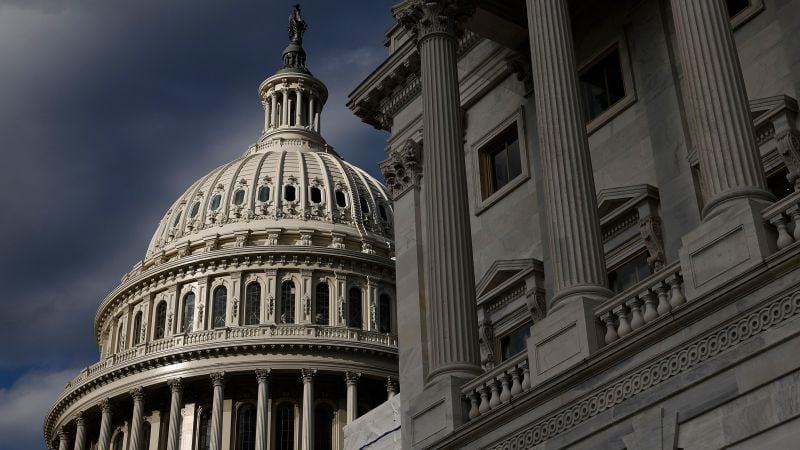
Investors are demanding historically high yields for US Treasury notes that mature in July, which by some estimates is when the United States will default on its debt, absent any legislative action. Yields for three-month Treasury notes closed at 5.1% Thursday, exceeding yields for longer-term Treasury notes. Investors’ anxieties are also evident in spreads on US five-year credit default swaps, which have widened to 50 basis points, according to S&P Global Market Intelligence data. If lawmakers don’t raise the nation’s borrowing limit by June, the federal government runs the risk of defaulting on its debt obligations, which would be catastrophic for the economy and put millions of jobs in jeopardy.
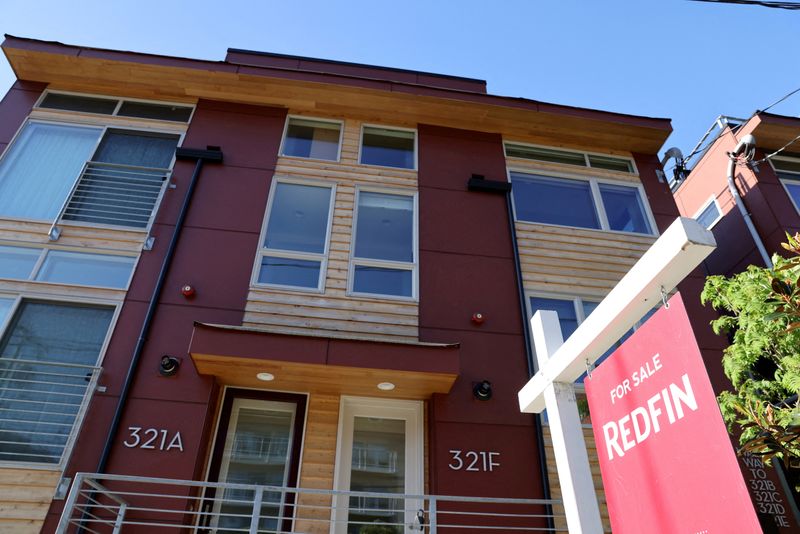
The failure of Silicon Valley Bank and emergency measures taken to shore up the wider banking system drove a mad dash by investors to the safety of government bonds, resulting in a drop in yields on the Treasury notes that act as benchmarks for home loans. This pushed the average rate on 30-year fixed-rate mortgages down by 0.23 percentage point to 6.48% for the week ended March 17 from 6.71% the week before, the largest weekly drop since mid-November. The lower rates drove a jump in loan application volumes, with applications for both new purchases and refinancing of existing loans hitting a six-week high.
The average rate on 30-year fixed-rate mortgages in the US fell by 0.23 percentage points to 6.48% last week, the largest weekly drop in four months, after the failure of Silicon Valley Bank and emergency measures taken to shore up the wider banking system drove investors to the safety of government bonds. The drop in yields on Treasury notes pushed down mortgage rates, leading to a jump in loan application volumes for both new purchases and refinancing of existing loans. However, the drop in residential borrowing costs was more modest than expected due to increased volatility in the market for mortgage-backed securities.