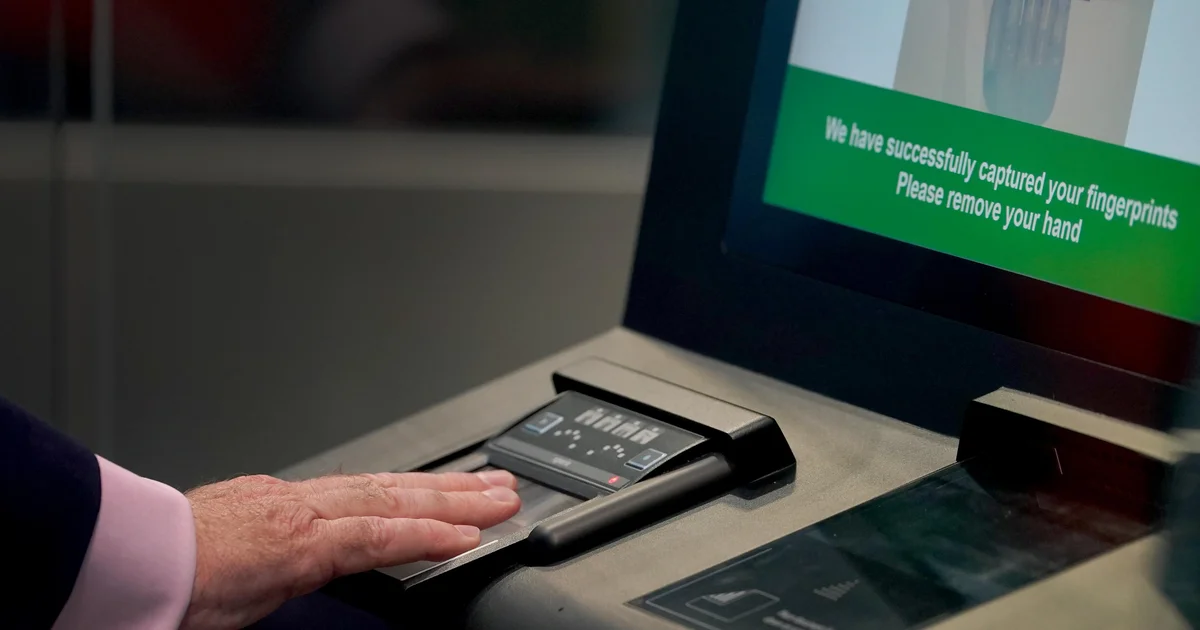
Starting October 2025, Americans traveling to most European countries within the Schengen Area will be required to have their fingerprints and photos scanned upon entry and exit as part of a new EU biometric system, replacing passport stamps to enhance security and track border crossings. Refusal to comply will result in denied entry, and the system will store data for several years. The initiative aims to improve border control amid increased migration and security concerns.

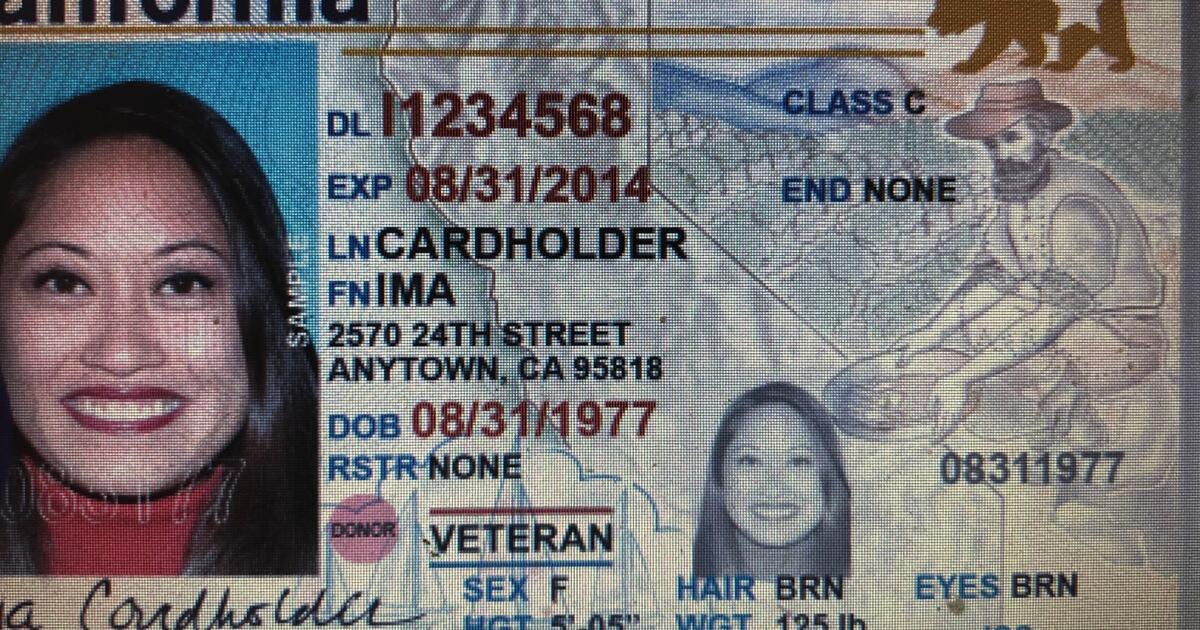
The TSA has updated its security policies, now requiring travelers to use official IDs like driver's licenses or state IDs for domestic flights, and explicitly banning the use of Costco cards as valid identification, following the implementation of the REAL ID Act.
Uganda has launched a nationwide yellow fever vaccination campaign, targeting 14 million people, and will now require travelers to show proof of vaccination. The initiative aims to combat vaccine hesitancy and protect against the mosquito-borne disease, which poses a significant threat in the country. The campaign is part of a global strategy to eliminate yellow fever by 2026.
Stricter U.S. border regulations for dogs, effective August 1, could disrupt summer travel plans for Windsor-Essex residents. The new CDC rules require dogs entering the U.S. to be healthy, at least six months old, microchipped, and accompanied by a specific form and a rabies vaccination certificate signed by a veterinarian within 30 days before entry. These changes may complicate spontaneous travel and veterinary care across the border.
Californians must obtain a Real ID by May 7, 2025, to board domestic flights and enter secure federal facilities. The Real ID Act, aimed at improving security post-9/11, requires specific documentation for application, which can be initiated online and completed at a DMV office. Nearly 17 million Californians have already obtained the Real ID, but many still need to comply before the deadline.
Starting April 10, 2025, US travelers visiting Brazil will need a visa, costing $80.90 and valid for 10 years with multiple entries, but requiring bank statements showing an average of at least $2,000, a letter of intent, proof of residence, return tickets, and additional information. The visa system aims to streamline the process for tourism and cruise travel, with processing times averaging five working days.
Starting next year, US service members living and working in Europe will need to provide personal information and undergo a security screening in order to travel for leisure purposes in 30 European countries. The new travel rules, part of the European Travel Information and Authorization System (ETIAS), will require details such as current job, education level, and criminal history. The regulation applies to citizens of the US, Australia, Canada, and other visa-exempt countries. However, personnel covered by the NATO Status of Forces Agreement and those with valid resident permits are exempt. The exact implementation date is yet to be determined, but it is expected to happen in 2024.
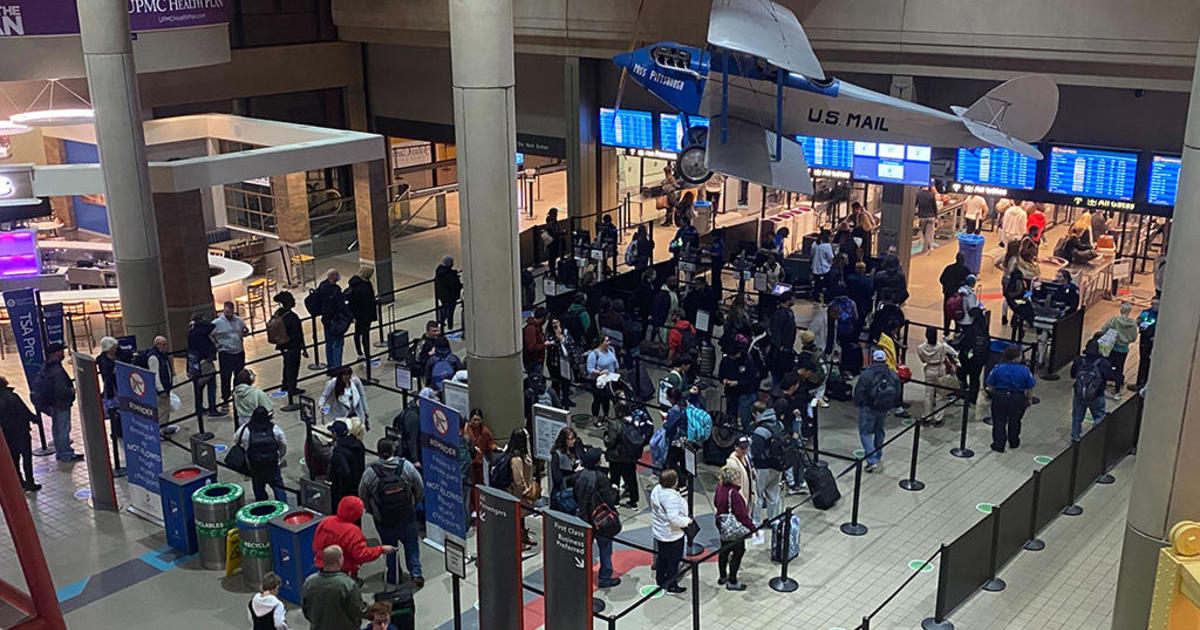
On the busiest day in TSA history, a man from Lima, Ohio, was arrested at Pittsburgh International Airport for attempting to bring a loaded 9mm gun in his carry-on backpack. This incident marks the sixth gun found at the airport since June and the 21st this year. The TSA reminds passengers that guns are only allowed in checked baggage if they are unloaded, packed in a locked case, and declared at the check-in counter.