Discord has postponed its planned global age-verification rollout after criticism and privacy concerns, with the company promising clearer timelines and more transparent communication about how the system will work.
A MIT-led survey of 30 agentic AI systems finds pervasive lack of risk disclosure, minimal monitoring, and few stop options, signaling serious governance and security risks as agentic AI goes mainstream. The researchers urge developers to improve transparency, safety testing, and containment, noting limited company feedback and uneven safety practices across OpenAI, Perplexity, HubSpot, and others.
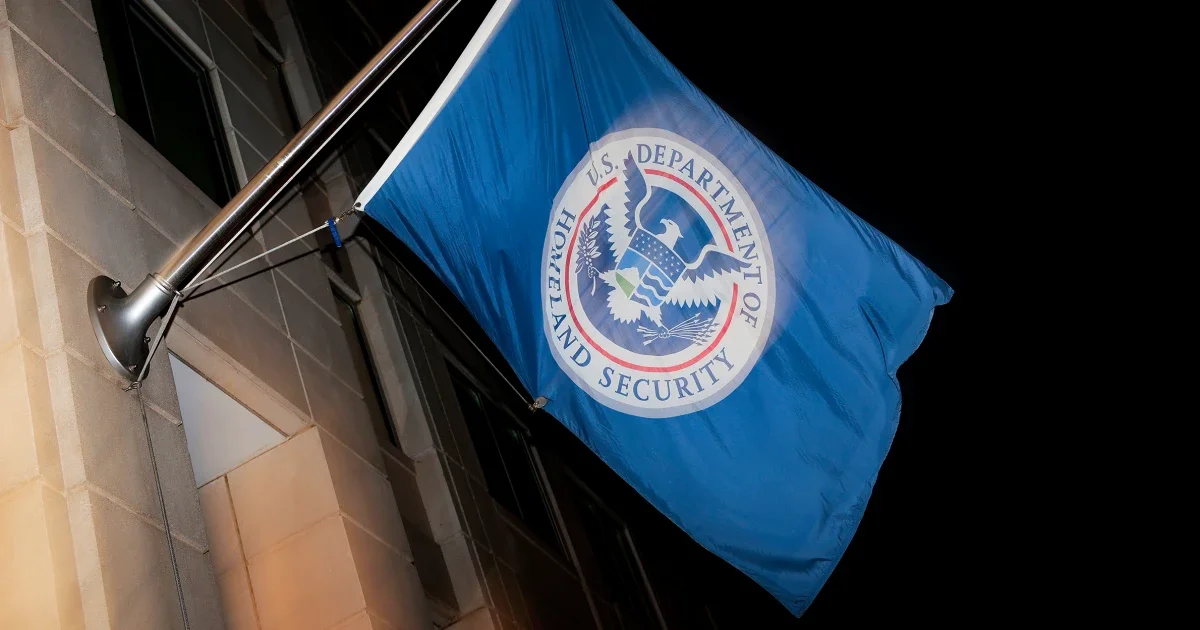
Newly released ICE records show Ruben Ray Martinez, a 23-year-old U.S. citizen, was fatally shot by a Homeland Security Investigations agent in South Padre Island, Texas, during a late-night traffic stop in March 2025 after authorities say the driver intentionally struck an agent; the passenger was detained. Texas Rangers are leading the investigation, and DHS had not publicly disclosed the shooting for about 11 months. The incident, linked to a broader immigration crackdown, is the earliest of at least six deadly shootings by federal officers in that period.
French President Emmanuel Macron denounced tech giants' claims to defend free speech, insisting platforms must be transparent about how their algorithms work and acknowledging inherent biases; he made the remarks during a New Delhi event on India-France university partnerships, framing the debate within broader EU tech rules and his push to curb youth access to social media.
Former Victoria’s Secret owner Les Wexner testified before the House Oversight Committee about his past ties to Jeffrey Epstein, insisting he did nothing wrong and cut Epstein loose nearly two decades ago after discovering his abuse. Wexner has said Epstein misappropriated about $46 million of his assets, and reports have suggested Epstein earned hundreds of millions from their financial arrangement. The hearing follows subpoenas to other Epstein associates, including Ghislaine Maxwell (who refused to answer questions) and Bill and Hillary Clinton, as part of ongoing scrutiny. The Epstein Files Transparency Act aims to force broader DOJ release of investigative materials, with millions of pages still potentially undisclosed.
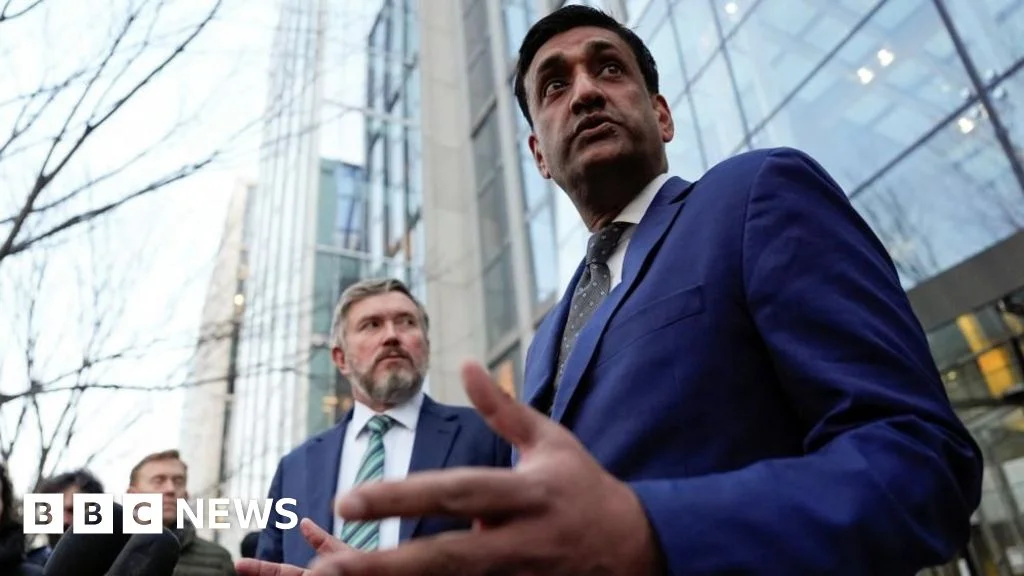
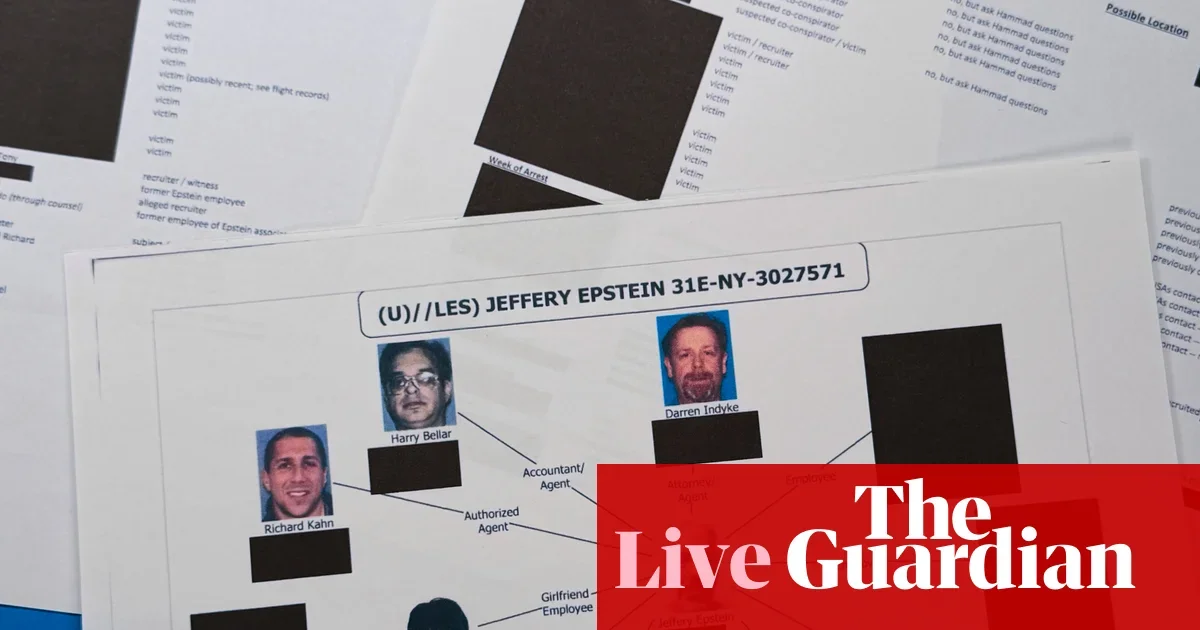
U.S. lawmakers reviewing Epstein-related materials released under the Epstein Files Transparency Act say the DOJ posted unredacted files with improper redactions, alleging the FBI scrubbed documents in March to hide names of potential co-conspirators and victims’ identities. The DOJ defends its edits, saying non‑victim names were unredacted and that it remains committed to transparency as lawmakers continue the review of roughly three million pages.
An inspector general report finds the LAPD lacks a system to track overseas training, making it hard to gauge benefits. Since 2014, 243 officers attended 117 foreign training activities, including 18 officers who traveled to Israel on nine trips costing $87,000, plus other trainings in France, Italy and more; many trip summaries are brief or missing key details, and prior records were partially deleted. About 80% of travel is funded by outside sources, raising potential conflicts of interest. LAPD says it is creating a tracking system and may require post-training evaluations, while critics warn of opaque ties to foreign security forces.
A comprehensive timeline chronicles the Epstein case from the 2005 Palm Beach inquiry through Maxwell’s 2021–22 conviction and beyond, detailing federal and local probes, the secret non-prosecution deal, the ongoing push to open millions of government documents to the public, and the political and legal debate around releasing the Epstein files.
A Hall of Fame selector explains the class of 2026 (Drew Brees, Larry Fitzgerald, Luke Kuechly, Adam Vinatieri, Roger Craig) and notes Bill Belichick’s first-ballot snub, using it to critique the secretive voting process, the 80-percent threshold, and the coach/contributor/senior format, arguing reforms are needed to elect the best candidates and restore credibility.
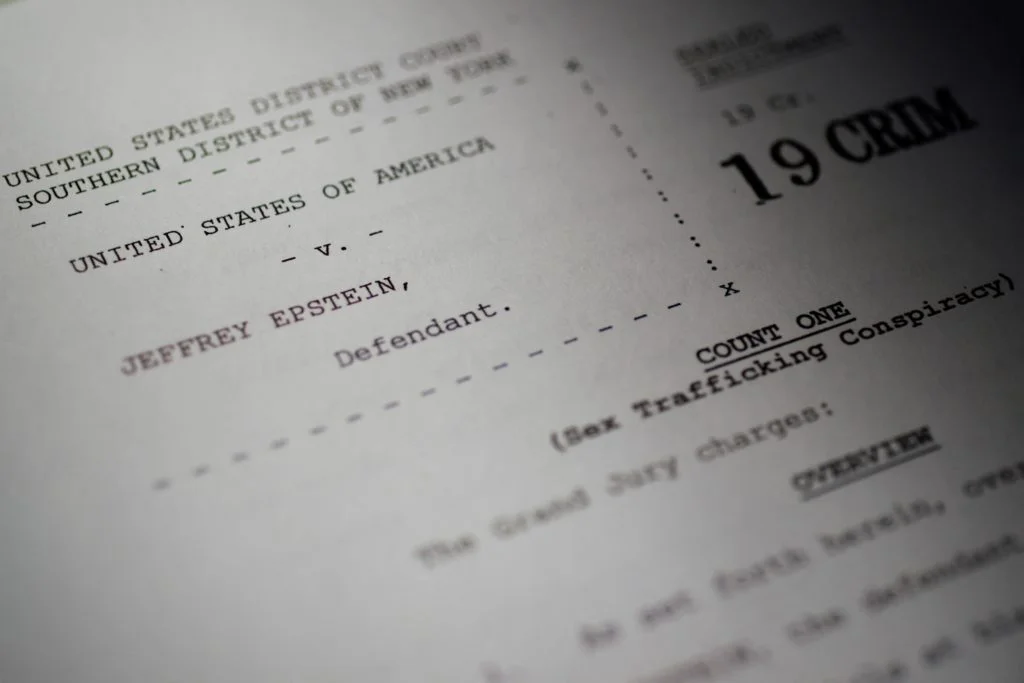
The Justice Department released about 3–3.5 million Epstein investigative pages under the Epstein Files Transparency Act but missed the December deadline, fueling renewed accusations that millions more records remain withheld and accountability is eluding victims and lawmakers. DoJ officials say they identified over 6 million potentially responsive pages, but many were deemed duplicates or non-responsive, with redactions and explanations published; critics—victims’ advocates, judges’ allies, and FOIA plaintiffs—call it a cover-up and are pressing for fuller disclosure, including details on immunity deals and the 2007 probe.
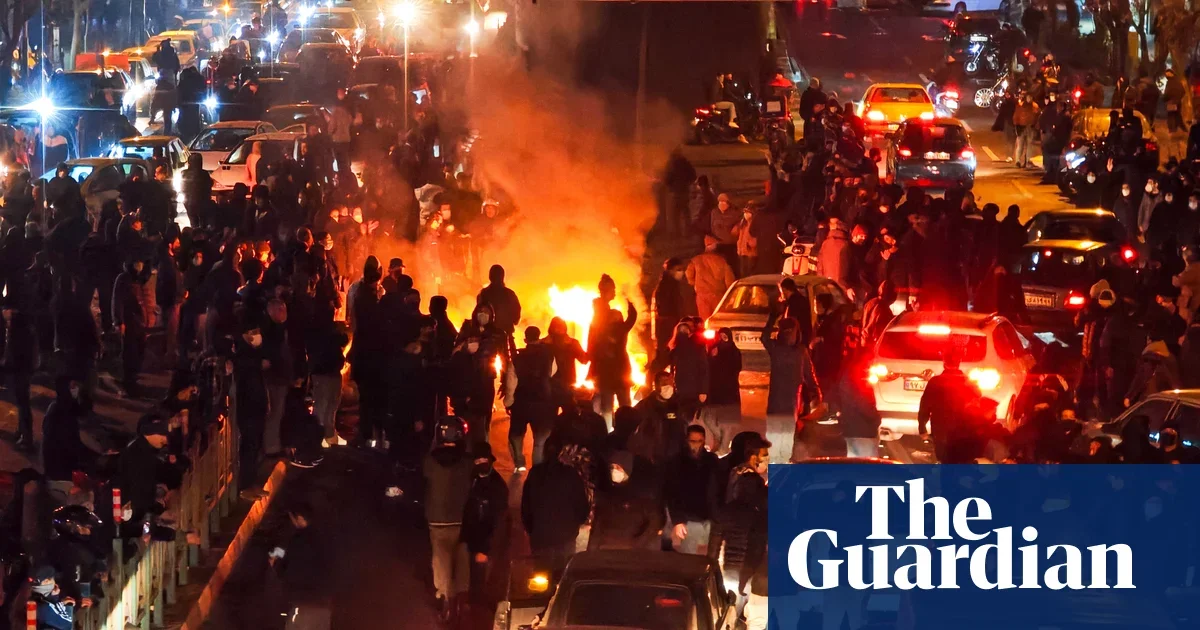
With protests ongoing, Iran faces mounting calls for an independent, transparent inquiry into the protest deaths after the government offered to publish the names of the deceased to counter claims that the toll is far higher than the official 3,117. Reformists say the plan lacks transparency and favor a public, verifiable database or even UN fact-finding. Distrust remains high as tens of thousands are believed detained, including many young people, while authorities have not released data on detainees under 18.
Chief Justice John Roberts ordered Supreme Court staff to sign nondisclosure agreements, formalizing secrecy and tightening control over internal operations amid leaks and ongoing debates about court transparency and ethics.
Deputy AG Todd Blanche says prosecutors’ review of the Epstein-Maxwell sex-trafficking case is over, stressing victims deserve redress but insisting prosecutors won’t manufacture evidence; Democrats say the DOJ’s release of Epstein files has been incomplete, with lawmakers urging full transparency and accountability as questions linger over redactions and who is named in the documents.
House Democrats urge an urgent, standards-based review of the unredacted Epstein investigative files to ensure redactions comply with the Epstein Files Transparency Act, arguing that millions of pages released still conceal material and may improperly shield victims or sensitive details; the push comes amid ongoing disclosures about Epstein’s discussions with prosecutors regarding potential cooperation before his 2019 death and related high-profile associations.
The DOJ has released more than three million Epstein-related pages—about 3.5 million after review—with 2,000 videos and 180,000 images, fulfilling a 2025 law on public disclosure. The dump, delivered after a Dec. 19 deadline passed, involved roughly 500 attorneys and included redactions for privacy and privileges; officials say the process was thorough and aimed at transparency. Democrats criticized the release as limited, and lawmakers may push for additional materials (e.g., FBI 302 statements, a draft indictment) that could surface later via court orders. No national security redactions were used, and the department says it has completed its statutory obligations, though further materials could still be released to Congress or through court action.