Tag

Transit Timing Variations

All articles tagged with #transit timing variations

Scientists Discover a Super-Earth in the Habitable Zone, Boosting Search for Extraterrestrial Life
science7 months ago

Scientists Discover a Super-Earth in the Habitable Zone, Boosting Search for Extraterrestrial Life

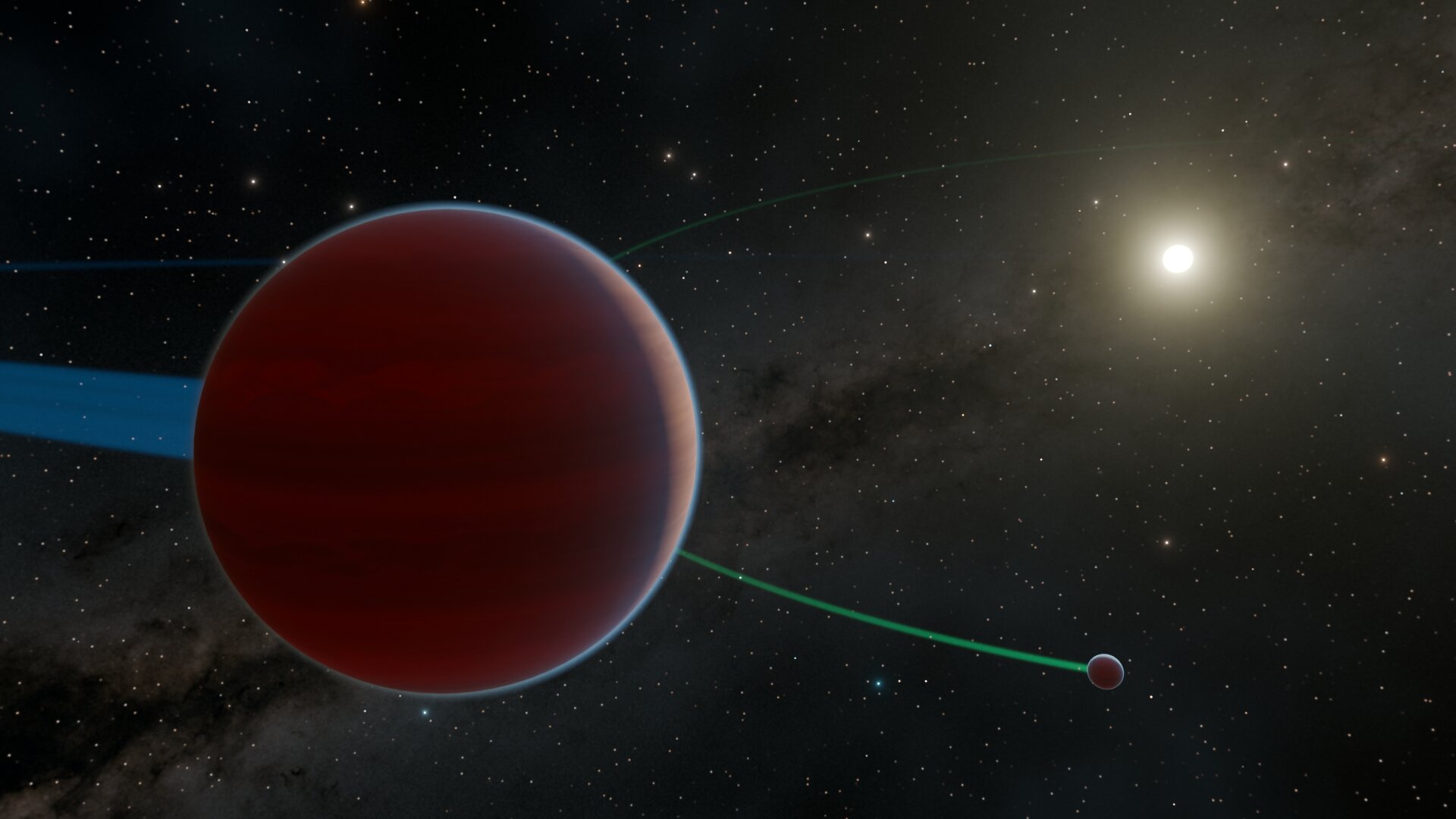
A super-Earth exoplanet named Kepler-735c, orbiting 2,472 light years away, was discovered indirectly through transit timing variations, revealing its highly elliptical orbit and partial habitability due to its changing position relative to its star. This discovery highlights the potential of TTVs to find planets on wider orbits and in habitable zones, expanding our understanding of exoplanets and the search for life.

James Webb Unveils Fourth 'Super-Puff' Planet in Kepler-51 System
science1 year ago

James Webb Unveils Fourth 'Super-Puff' Planet in Kepler-51 System

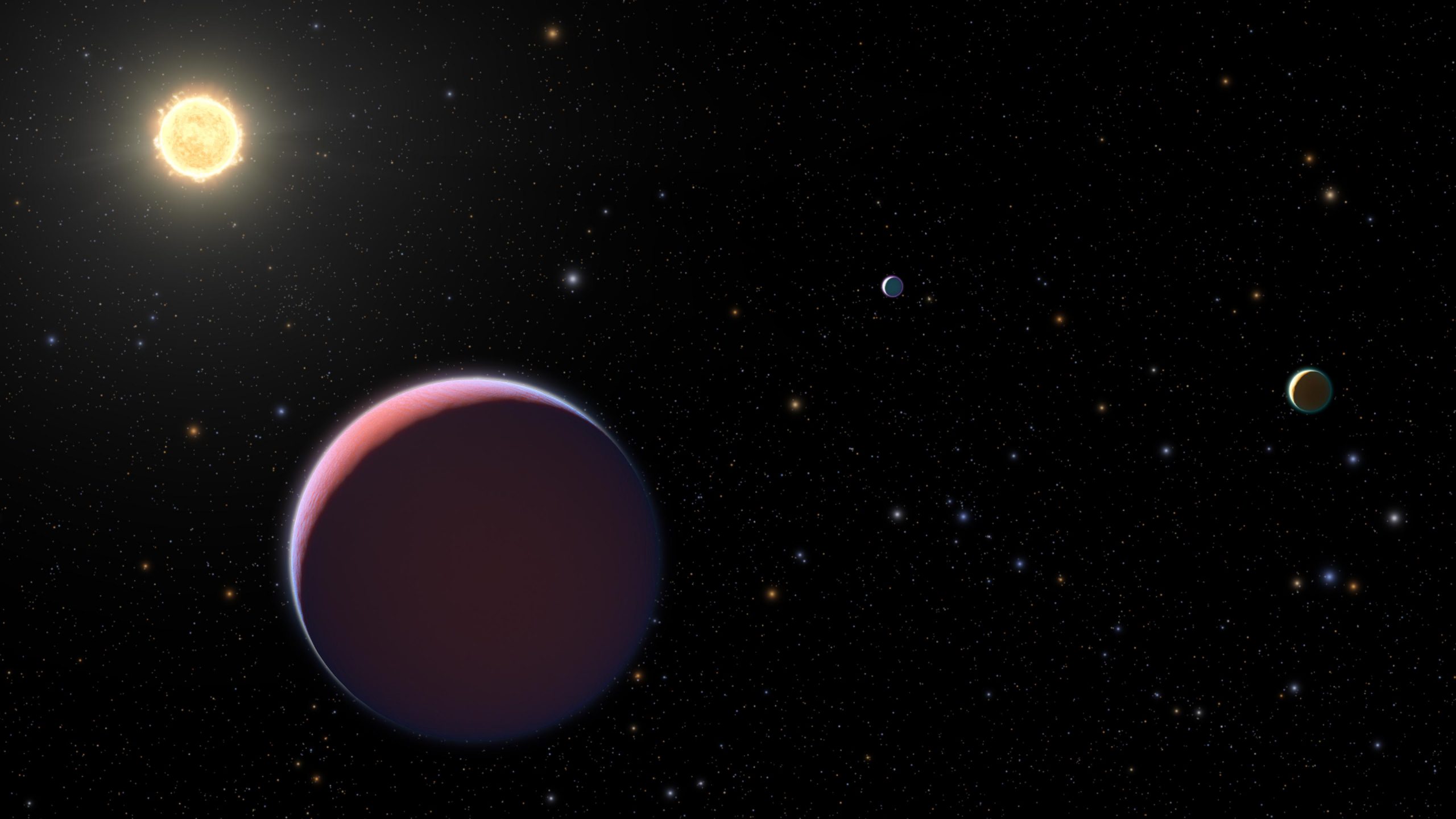
Researchers have discovered a fourth planet in the Kepler-51 system, known for its three ultra-low density "super-puff" planets, using NASA's James Webb Space Telescope. This unexpected finding, revealed through transit timing variations, challenges existing models and raises new questions about the formation and characteristics of these rare planets. The discovery, detailed in the Astronomical Journal, suggests the new planet, Kepler-51e, may have a mass similar to the other planets and follows a circular orbit, though its exact nature remains uncertain.

Newly Discovered 'Warm Jupiter' Challenges Previous Understanding of Planetary Orbits
astronomy2 years ago

Newly Discovered 'Warm Jupiter' Challenges Previous Understanding of Planetary Orbits

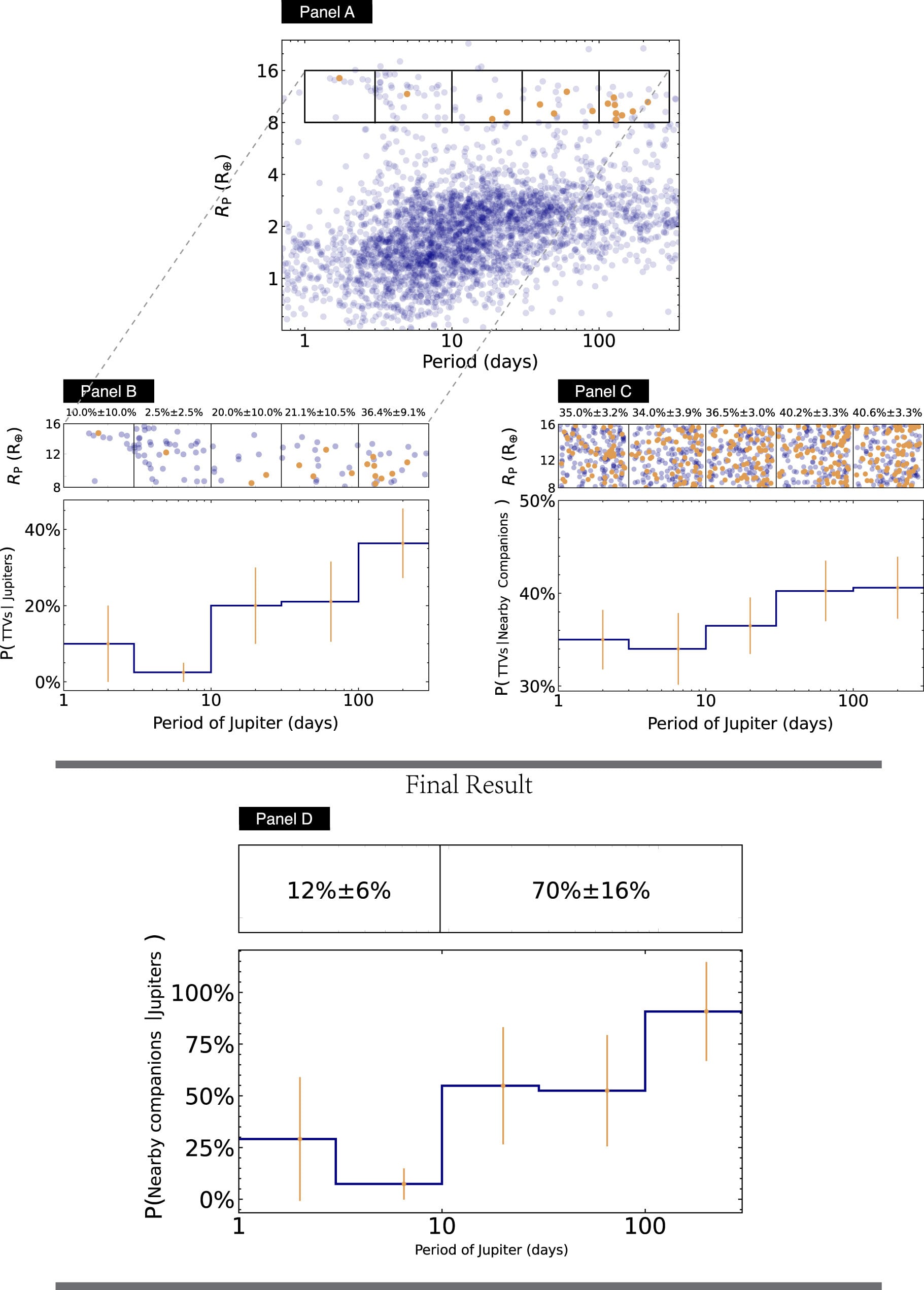
Research led by an Indiana University astronomer challenges the belief that hot Jupiters, gas giant planets that closely orbit stars outside our solar system, rarely have any nearby companion planets. The study analyzed the full, four-year data set for hot and warm Jupiters from NASA's Kepler Mission and found that at least 12% of hot Jupiters and 70% of warm Jupiters have a nearby planetary companion orbiting their host stars. The findings provide a new framework for explaining the evolution of hot and warm Jupiters and why some have companion planets.