A federal judge in California ruled that teachers can disclose a student's gender identity to parents, striking down policies that protected student confidentiality, a decision that may be appealed to the U.S. Supreme Court and has sparked debate over students' privacy rights and parental notification.
The Biden administration is advancing a long-awaited policy that mandates how schools respond to sexual misconduct and codifies protections for transgender students, sending the regulation to the Office of Management and Budget for final approval. The regulation is expected to unravel much of former Education Secretary Betsy DeVos’ Title IX rule, and the Education Department is also reviewing a separate rule on athletics eligibility for transgender students. The timeline for finalizing these rules has faced delays, with the department emphasizing the need to carefully consider the extensive public comments received on the proposed regulations.
St. Mary's College, a Catholic women's college in Indiana, has reversed its decision to admit transgender students after facing criticism and division within its community. The college had updated its anti-discrimination policy to allow the enrollment of students who identify as women, but the decision was met with opposition from students, alumnae, and the local bishop. The reversal has been celebrated by conservative students as a victory, while others, including faculty members and LGBTQ+ advocates, express disappointment. The college plans to hold listening sessions to explore its Catholic values and rebuild trust within the community.
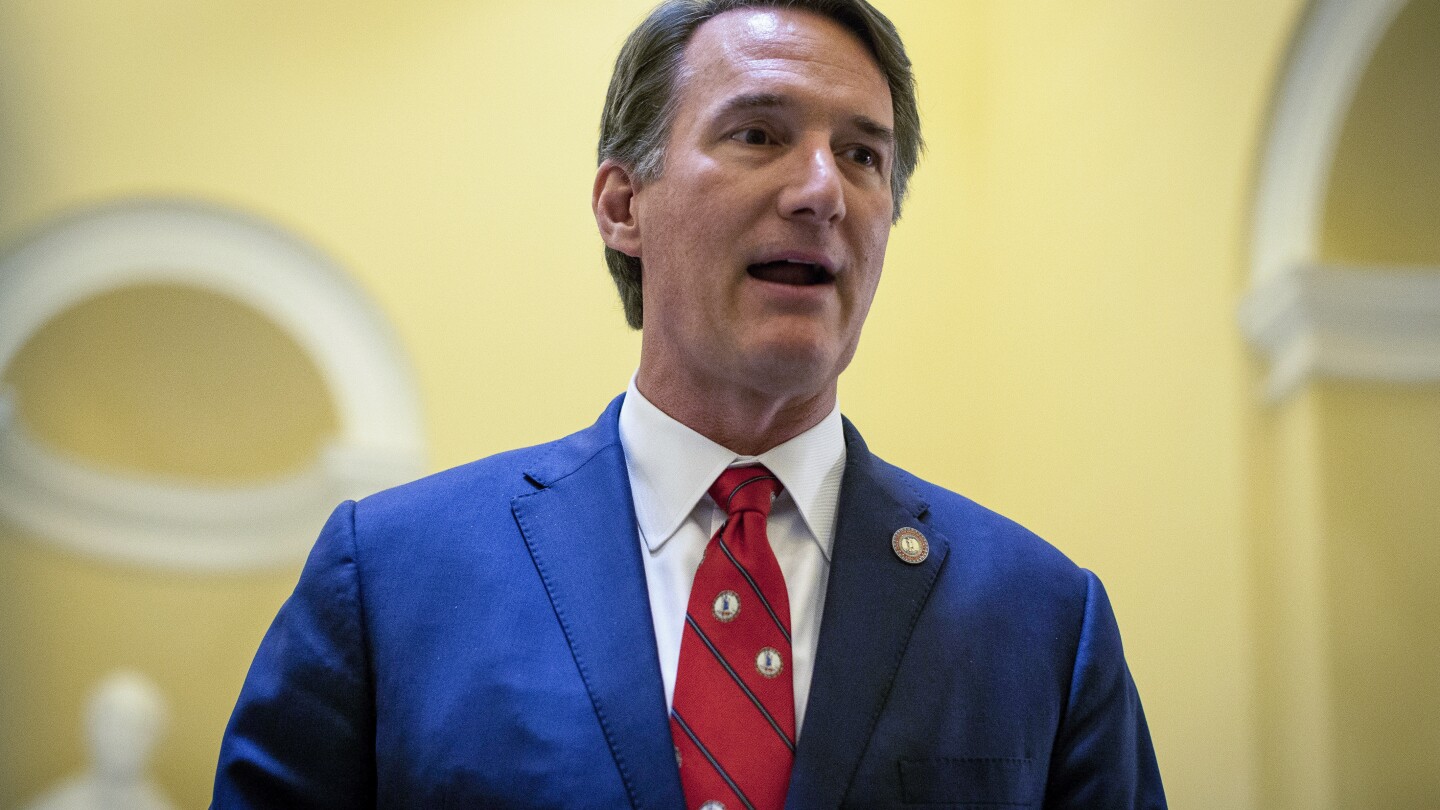
Virginia Governor Glenn Youngkin has granted a pardon to Scott Smith, who was convicted on charges of obstruction of justice and disorderly conduct after a confrontation at a school board meeting regarding protections for transgender students. Smith's daughter had been sexually assaulted in a school bathroom. Youngkin's pardon stated that Smith was falsely accused of "domestic terrorism" and "hate crimes" for advocating for his daughter. The obstruction of justice conviction was dismissed on appeal, but Smith was set to go to trial for disorderly conduct. The case sparked national debates on transgender student rights, and the school board eventually fired its superintendent after mishandling the assaults.
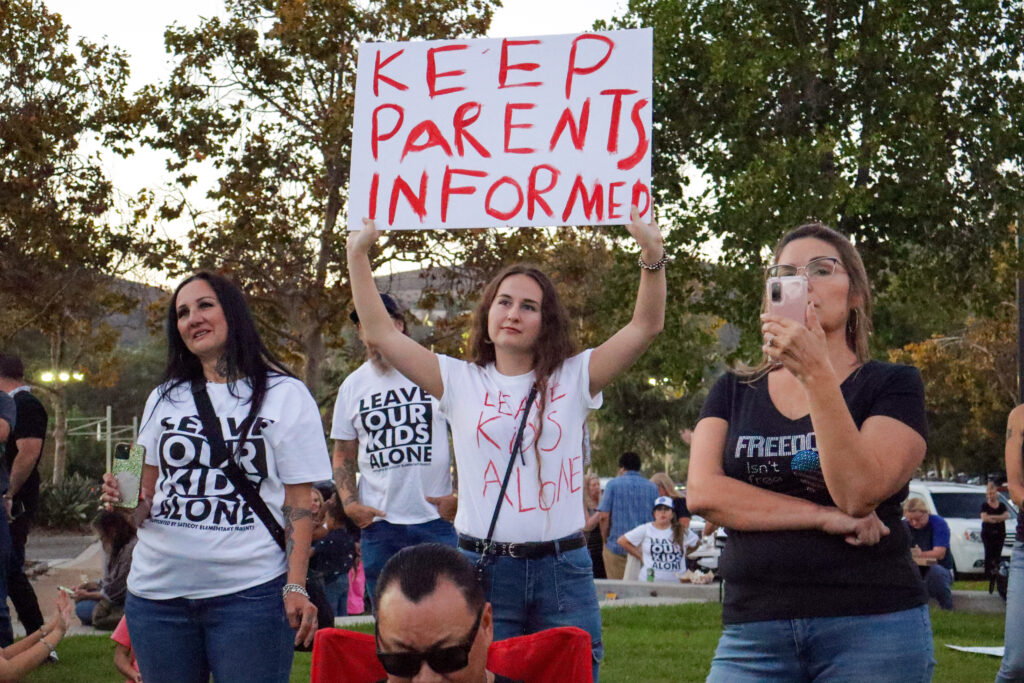
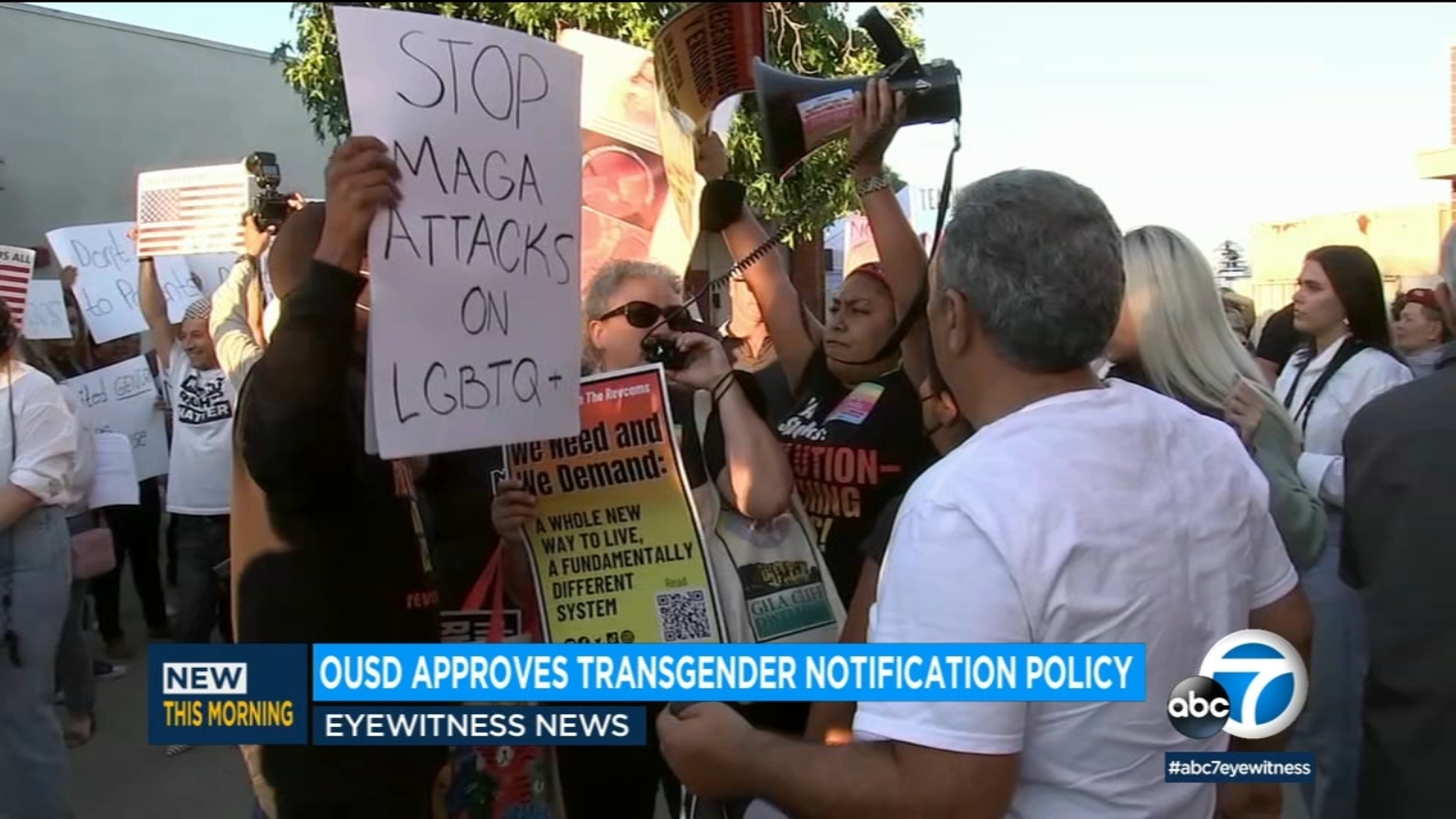
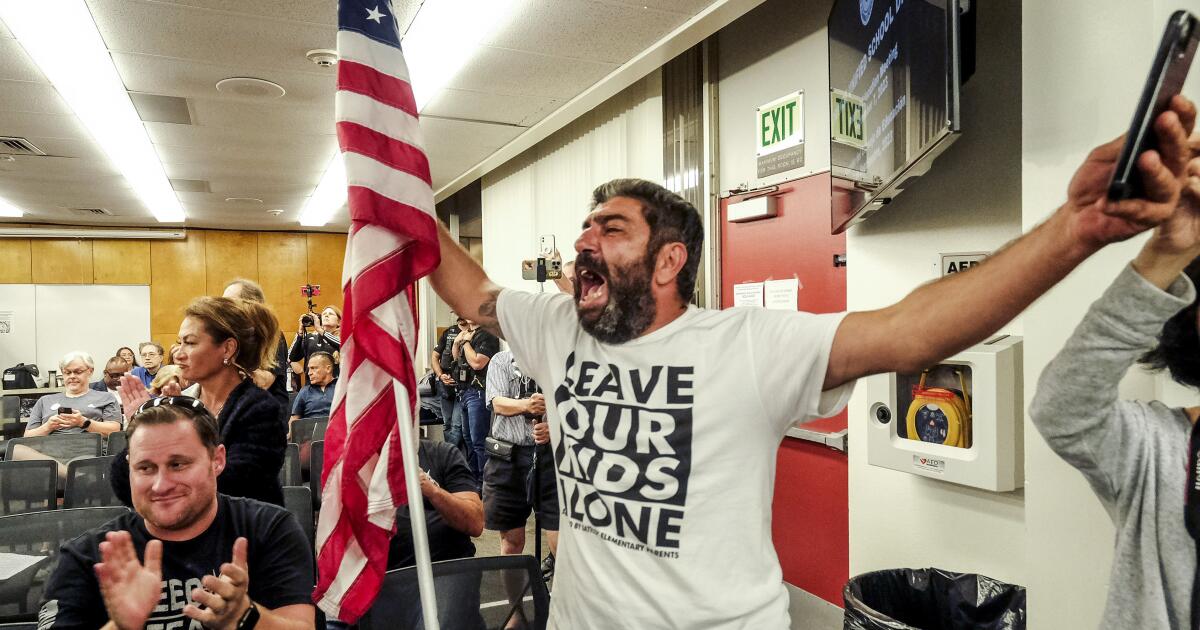
The Orange Unified School District in California has approved a policy requiring school staff to notify parents if their child identifies as transgender or gender non-conforming. The decision came after protests and heated exchanges during a meeting, with three board members who opposed the policy walking out. Advocates from the LGBTQ+ community expressed concerns about students who may not have a safe home environment, while supporters argued that parental awareness is necessary for the safety of the children. The policy, similar to those in other districts, requires prompt reporting to parents unless there is a clear danger to the student. However, legal challenges have been raised against similar policies in other districts.
The Orange Unified school board in California has become the sixth school system in the state to require parental notification when a student identifies as transgender. The decision comes after the state attorney general filed a lawsuit against a school district over a similar policy. The board resolution triggers notification when a student requests to be identified as a gender other than their biological sex or listed on official records. The policy also covers name and pronoun changes, as well as participation in athletic activities or use of facilities that don't align with the student's birth-certificate gender. The resolution was met with emotional testimony from both supporters and opponents, leading to a disruptive board meeting and a scuffle.
Parents voiced concerns at an Atascadero school board meeting over the district's policy allowing transgender students to use locker rooms and restrooms consistent with their gender identity. The district clarified that it follows California law and aims to create a safe environment for all students. Some parents questioned the impact on their children's comfort and safety, while others emphasized the need to support non-transgender students as well. The school board member emphasized the district's goal of inclusivity, and the district stated that it is obligated to follow state and federal guidelines.
A judge in San Bernardino has issued a temporary restraining order halting the enforcement of a policy by the Chino Valley Unified School District in California that required schools to inform parents if a student identifies as transgender or gender-nonconforming. The ruling comes amidst a larger legal battle between conservative-leaning school districts and state leaders over LGBTQ+ issues. The controversial policy prompted a civil rights investigation and lawsuit by the state attorney general. The judge's decision will be further discussed in a hearing scheduled for October 13.
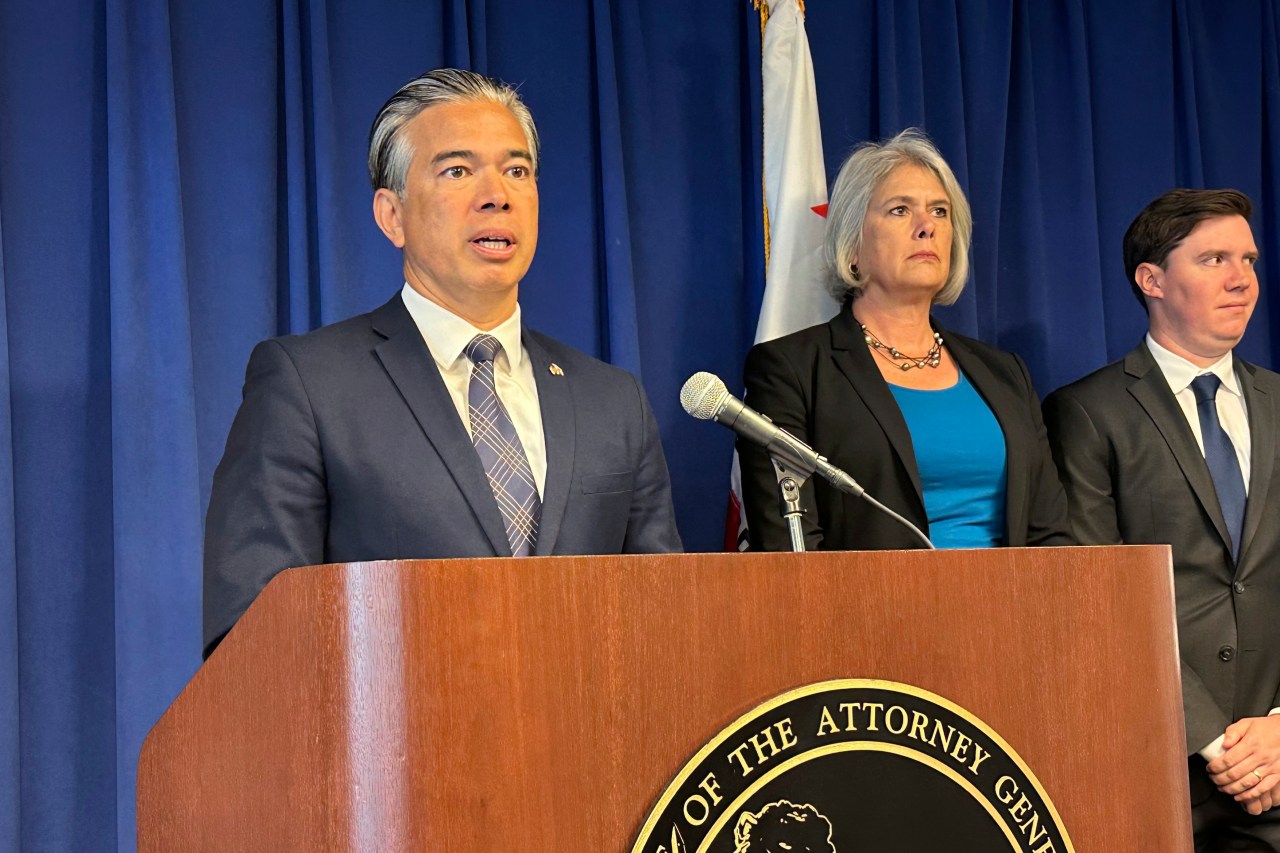
The California Department of Justice has filed a lawsuit against the Chino Valley Unified School District over its policy that requires parents to be notified if their child is transgender. The policy, which was approved in July, has been criticized by LGBTQ+ groups and the State's Superintendent of Public Instruction for potentially harming transgender students. Attorney General Rob Bonta argues that the policy violates the state's civil rights laws and discriminates against students based on their gender. The lawsuit comes as conservative lawmakers and parent groups were set to unveil a ballot initiative implementing parental notification policies statewide, banning transgender students from participating in sports, and prohibiting transgender healthcare for children. Democratic lawmakers are also working on a proposal to confront similar policies in conservative school districts.
The state of California is suing the Chino Valley Unified School District (CVUSD) over its "forced outing policy," which requires parental notification if a student requests to use a different name, pronoun, facilities, or programs that don't align with their sex on official records. The policy, approved by the CVUSD board, has faced mixed responses. Attorney General Rob Bonta argues that the policy violates the rights and endangers the well-being of non-conforming students, while supporters claim it protects parental rights.
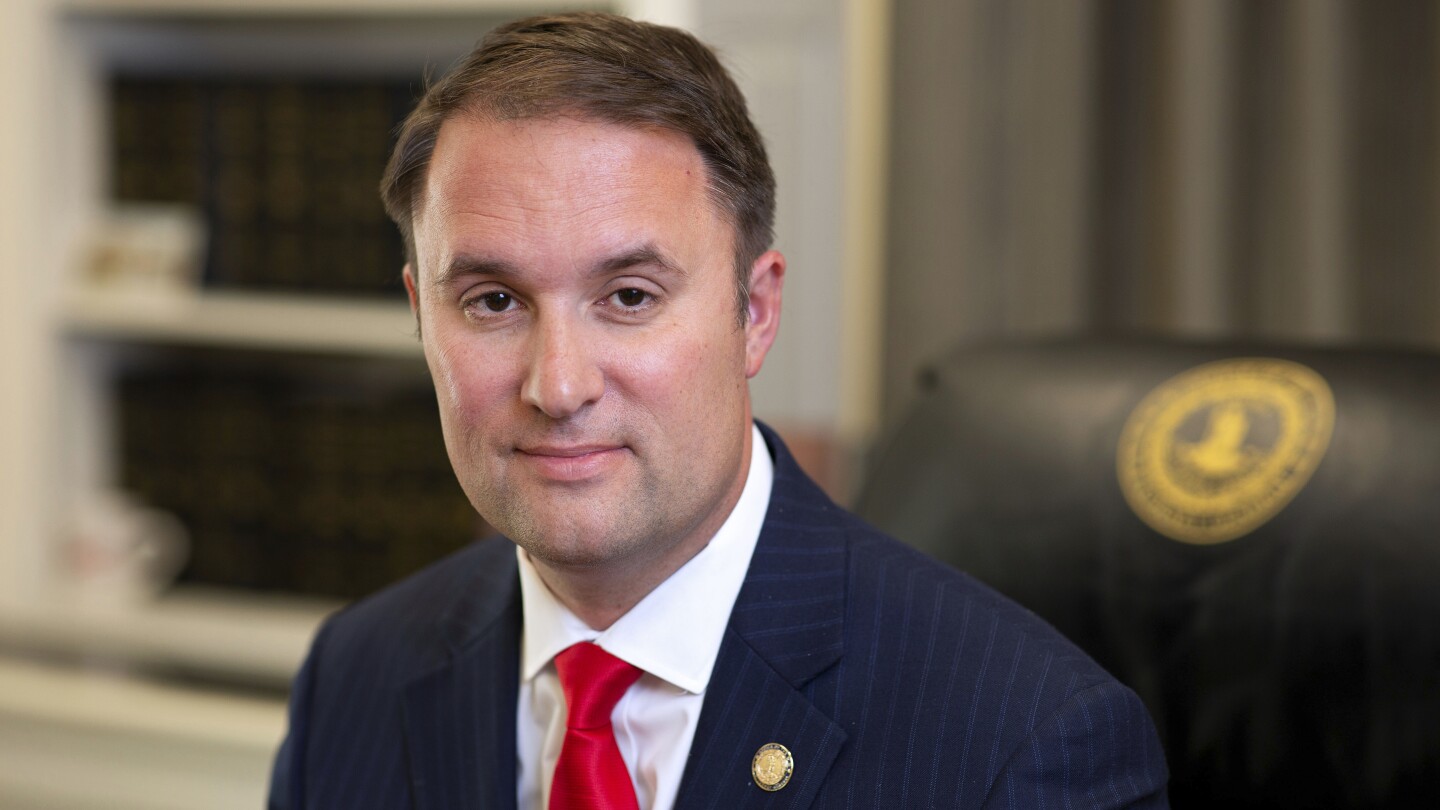
Virginia's Attorney General, Jason Miyares, issued a nonbinding legal analysis stating that Republican Governor Glenn Youngkin's new model policies for the treatment of transgender students align with federal and state nondiscrimination laws, and school boards must adhere to their guidance. The guidelines, which roll back accommodations for transgender students implemented by the previous Democratic administration, have sparked praise from conservative and religious groups but criticism from Democrats and LGBTQ advocates. Some school boards in red-leaning areas have adopted the policies, while others in blue areas plan to defy them. Miyares' opinion addresses the legality of the guidelines, stating that they do not conflict with the U.S. Constitution or state or federal law. However, the opinion is advisory and not binding on the courts.
Fairfax County Public Schools in Virginia will defy Governor Glenn Youngkin's new guidance on bathrooms and pronouns. The district's superintendent, Michelle Reid, stated that their current policies are consistent with federal and state anti-discrimination laws. The new policies require school activities to be separated by sex and restrict student participation based on their assigned sex at birth rather than their gender identity. The Virginia Department of Education updated its guidelines for the treatment of transgender students, emphasizing parental rights and the 14th Amendment. Despite the requirement for local school boards to adopt policies consistent with the new guidelines, Fairfax County Public Schools is pushing back and will continue to support transgender and gender-expansive students and staff.
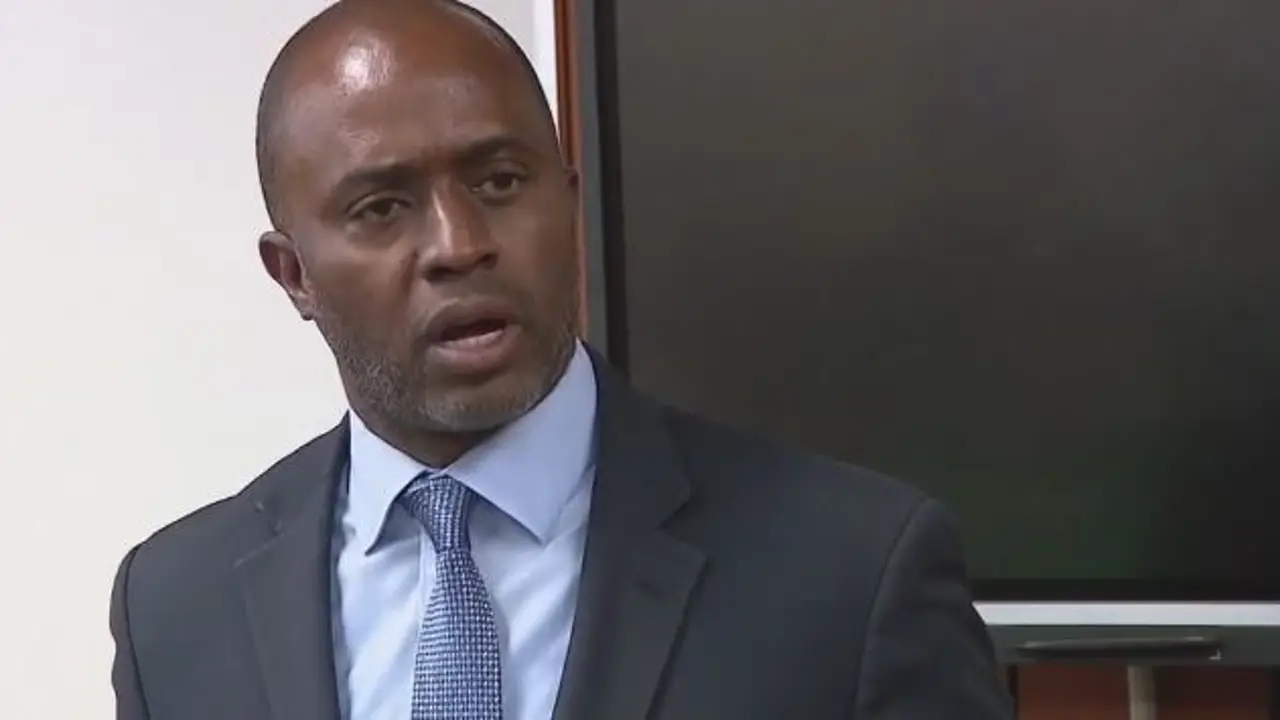
California State Superintendent of Schools, Tony Thurmond, was asked to leave a Chino Valley Unified School District meeting in Southern California after exceeding his allotted speaking time while expressing opposition to a policy requiring administrators to inform parents if their child identifies as transgender. Despite Thurmond's objections, the board ultimately approved the policy, which mandates parental notification for transgender students. Thurmond criticized the policy for violating students' privacy rights. School Board President Sonja Shaw accused Thurmond of being a danger to students and promoting division. State Attorney General Rob Bonta warned that the policy potentially infringes on students' privacy rights and educational opportunities. In a separate incident, Governor Gavin Newsom fined the Temecula Valley Unified School District $1.5 million for rejecting state-endorsed textbooks mentioning gay rights activist Harvey Milk.
The Chino Valley Unified School District board in California has approved a policy that requires schools to notify parents if their child identifies as transgender. The policy also mandates informing parents if a student wants to use a different name, pronouns, or bathroom. The decision was met with both support and opposition, with critics arguing that it will harm LGBTQ+ students. California Superintendent of Public Instruction Tony Thurmond, who attended the meeting, was escorted out after a disagreement with the school board president. California Attorney General Rob Bonta has urged the district to protect students' privacy. The policy was approved by a 4-1 vote.
Virginia Governor Glenn Youngkin's administration has finalized new policies on the treatment of transgender students, which include rolling back some current accommodations and increasing parental notification requirements. The guidelines direct school districts to base students' participation in certain school programming and use of facilities on the sex assigned at birth, with modifications offered only as required by federal law. The policies also emphasize parental involvement and the use of students' official names and pronouns, unless a parent approves otherwise. LGBTQ+ advocacy groups and Democratic lawmakers have criticized the guidelines, expressing concerns about the well-being of vulnerable youth. It remains to be seen how school districts will respond, and some advocates suggest the changes could be contested in court.