A federal judge has ruled that college athletes who transfer twice can now play without needing an NCAA waiver. The ruling comes as a result of a case filed by seven state attorneys general, alleging that the NCAA's rules on multiple transfers violate U.S. antitrust law. The judge issued a temporary restraining order, preventing the NCAA from enforcing its transfer eligibility rule for the next 14 days. This ruling could have an immediate impact on local college sports teams, and the NCAA cannot punish players or schools that allow them to play during this period. The next hearing on a preliminary injunction is scheduled for December 27.
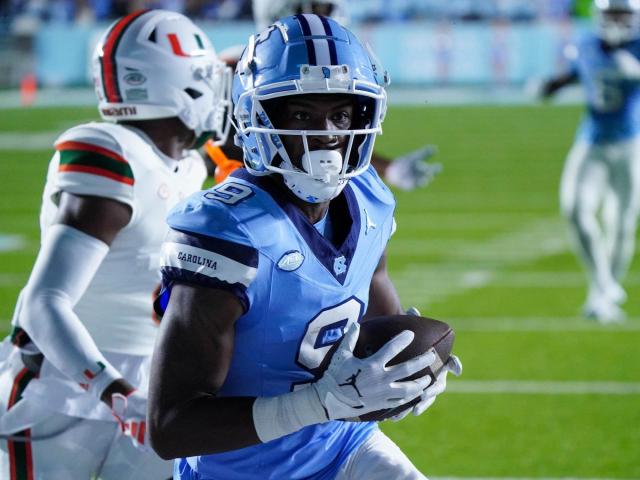
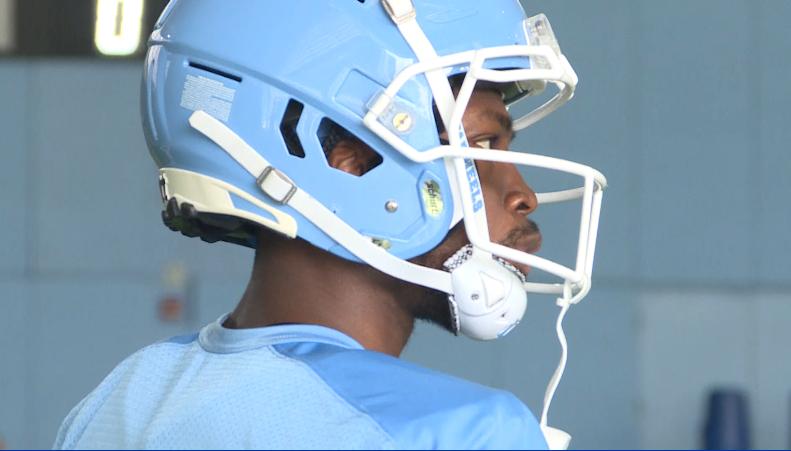
North Carolina wide receiver Tez Walker has been ruled eligible to play this season by the NCAA after months of uncertainty. The NCAA cited new information received this week as the reason for the reversal, granting Walker a transfer waiver and allowing him to play immediately. The decision comes after a public dispute between UNC and the NCAA, with UNC expressing frustration at the delay in the decision-making process. Walker expressed relief and gratitude for the opportunity to play, while UNC director of athletics criticized the NCAA's explanation. UNC is currently 4-0 and ranked No. 14 in the AP poll.
The NCAA has issued a statement regarding the University of North Carolina (UNC) transfer case of student-athlete Tez Walker, stating that new information received qualifies Walker for a transfer waiver. The NCAA criticized UNC for not providing the information earlier and accused the school of engaging in a public relations campaign. The NCAA emphasized that the decision to grant the transfer waiver meets the new standards and could have been avoided if UNC had submitted the information earlier.