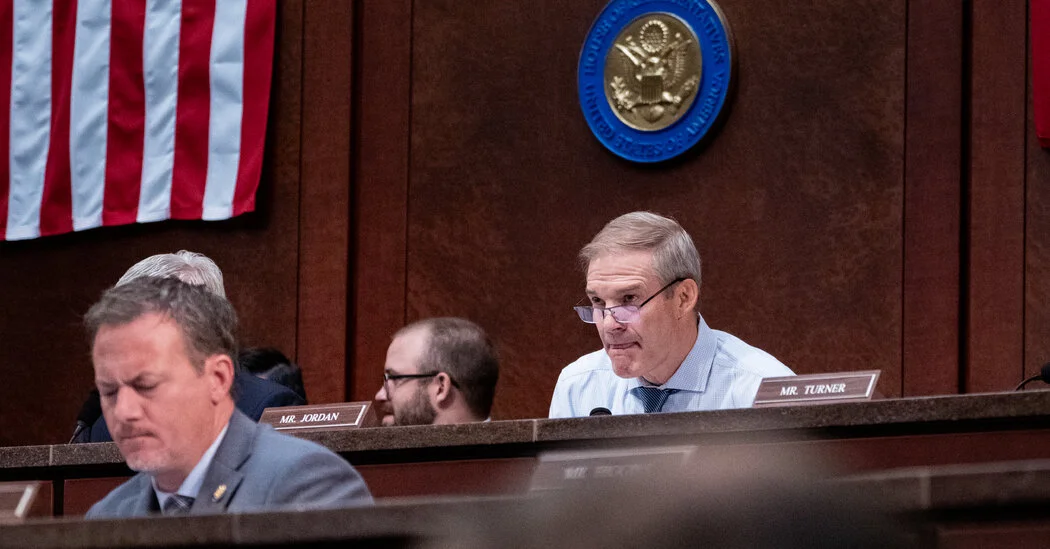
Republican leaders are investigating college pricing algorithms and the role of consulting firms and data providers, raising concerns about potential antitrust violations and the influence of proprietary algorithms on college costs.
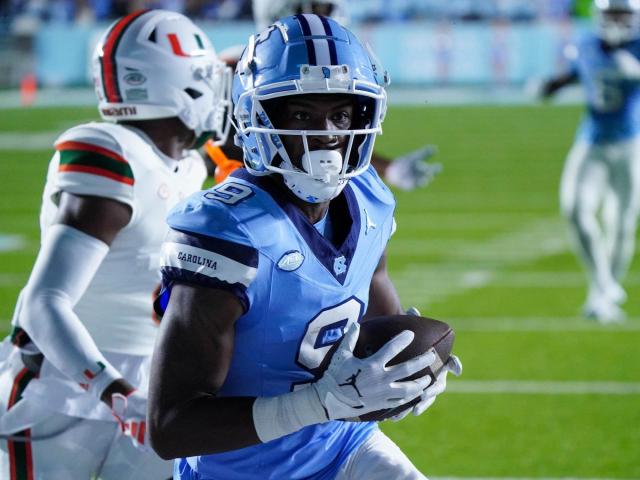
Vanderbilt quarterback Diego Pavia is challenging the NCAA's eligibility rules, seeking to play a seventh season by arguing that the rules violate antitrust law. His legal actions include a preliminary injunction and potential future lawsuits, amid ongoing debates about NCAA regulations and athlete compensation. Pavia's case could impact NCAA eligibility policies and athlete rights.
China's authorities have accused Nvidia of violating antitrust laws in relation to its acquisition of Mellanox, highlighting regulatory scrutiny over large tech mergers.
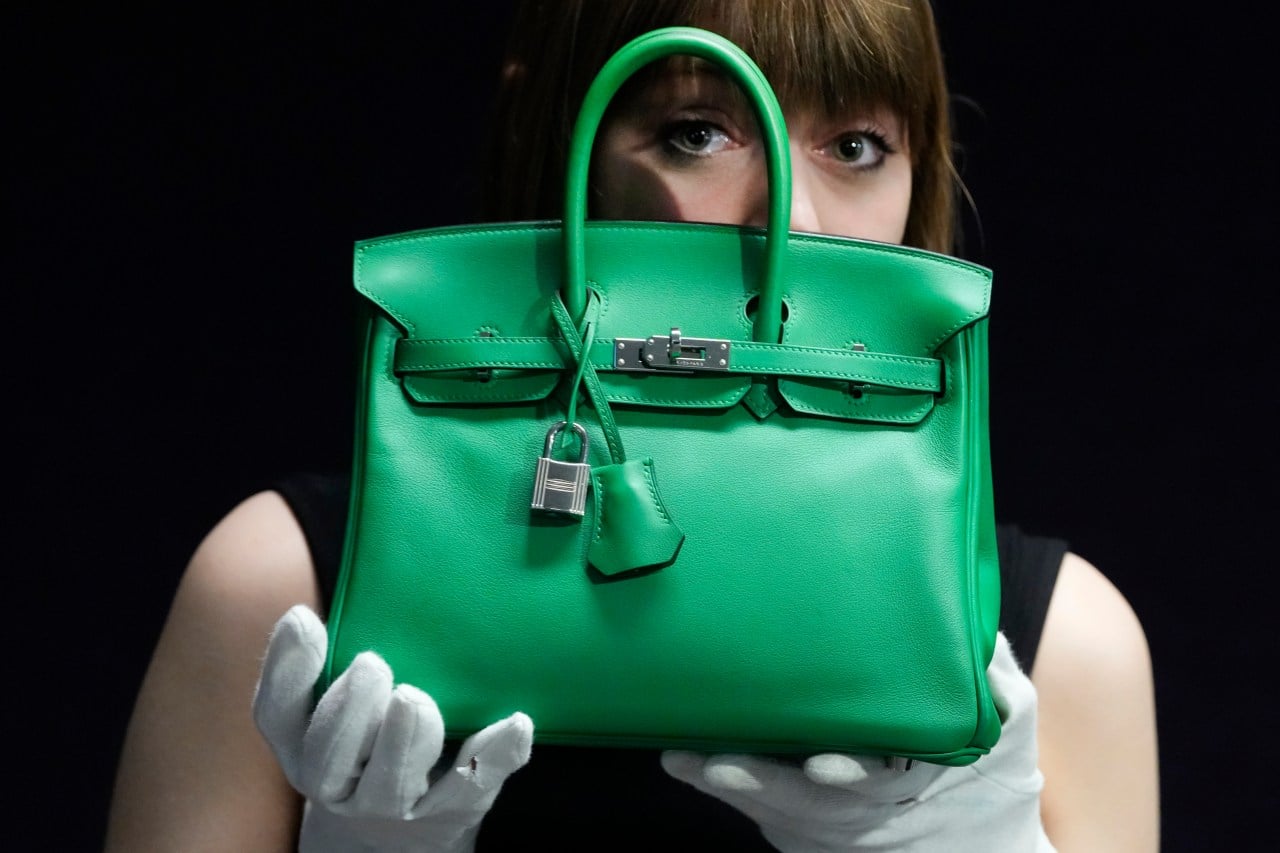
A lawsuit filed in San Francisco accuses luxury retailer Hermes of violating antitrust law by requiring customers to make substantial purchases of other goods before being allowed to buy its coveted Birkin handbags, which can cost tens of thousands of dollars. The lawsuit claims that sales associates are directed to offer Birkins only to customers with a sufficient purchase history, using the bags to coerce additional purchases for which they receive a commission. The plaintiffs seek class action status and monetary damages, alleging that Hermes' selling tactics are unfair.
A lawsuit filed in San Francisco accuses luxury retailer Hermes of violating antitrust law by selling its coveted Birkin handbags only to customers who have spent significant amounts of money on other goods at the store. The lawsuit claims that customers must be "deemed worthy" by sales associates and have an established purchase history or profile with the store to be shown a Birkin in a private room. The plaintiffs seek class action status and monetary damages, alleging that Hermes uses the Birkin handbags to coerce customers into buying other products.
A lawsuit filed in San Francisco accuses luxury retailer Hermes of violating antitrust law by allegedly reserving its iconic Birkin handbags for customers who have spent significant amounts on other goods at the store. The lawsuit claims that sales associates are directed to offer Birkin handbags only to customers with a sufficient purchase history, using them as a means to coerce purchases of other products. The plaintiffs seek class action status and monetary damages, alleging that Hermes' selling tactics are unfair.
Hermès is facing a class action lawsuit in California for allegedly violating antitrust law by only selling its exclusive Birkin handbag to customers with a sufficient purchase history of other items, such as scarves, jewelry, and home goods. The lawsuit claims that sales associates are pushing customers to buy ancillary products to gain access to the iconic bag, and alleges that only customers with a significant purchase history are offered the opportunity to purchase a Birkin handbag. The plaintiffs seek class-action status and are asking the court to block Hermès from engaging in these alleged actions, as well as seeking monetary damages and restitution.
The European Union's Digital Markets Act (DMA) has come into force, affecting six major tech companies, five of which are American. The Biden administration received protests from U.S. industry associations and members of Congress but chose not to push the issue, prioritizing other international matters. The DMA requires significant changes from tech giants operating in the EU, aiming to increase competition and protect consumer data. While some U.S. officials have expressed concerns about the law, others see it as a positive step and praise the administration for not solely advocating for U.S. tech companies.
A federal judge has granted a preliminary injunction against the NCAA, barring the enforcement of rules prohibiting name, image, and likeness (NIL) compensation from being used to recruit athletes, stating that the prohibition likely violates federal antitrust law and harms student-athletes. The ruling undercuts the NCAA's model of amateurism and comes as a blow to its ability to govern college sports. The decision is a victory for the states of Tennessee and Virginia, which filed the lawsuit challenging the NCAA's NIL rules, and for the University of Tennessee, which is facing an inquiry by the NCAA into possible recruiting violations.
A union representing junior hockey players has filed a class-action lawsuit against the NHL, the Canadian Hockey League, and affiliated junior hockey leagues, alleging violations of antitrust laws and systematic exploitation of players. The lawsuit claims that the leagues suppress players' rights, restrict their pay for name, image, and likeness, and exert control over them, leading to underpayment. The lawsuit seeks damages and injunctions to end these practices and prevent future drafts without a collective bargaining agreement.
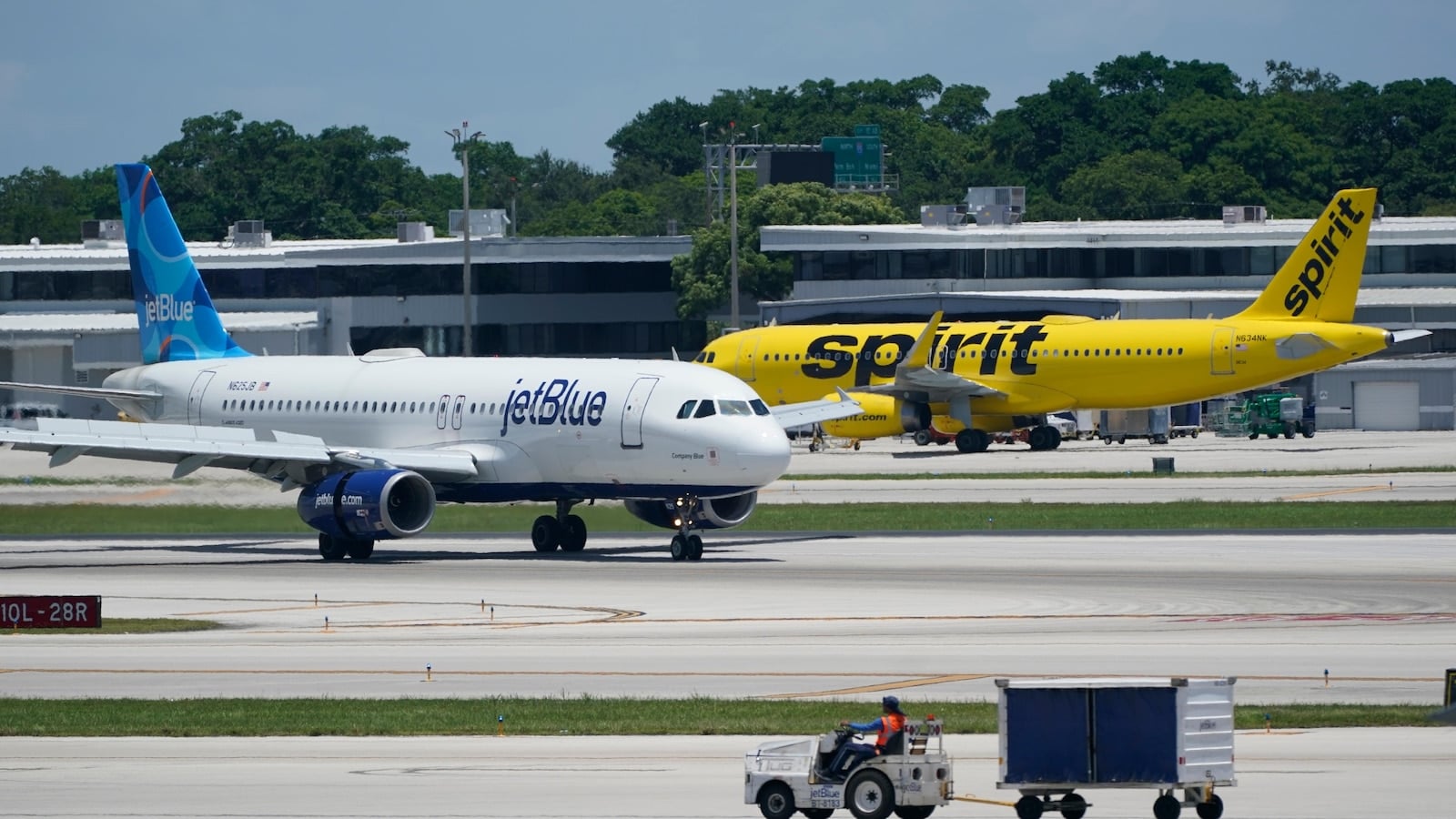
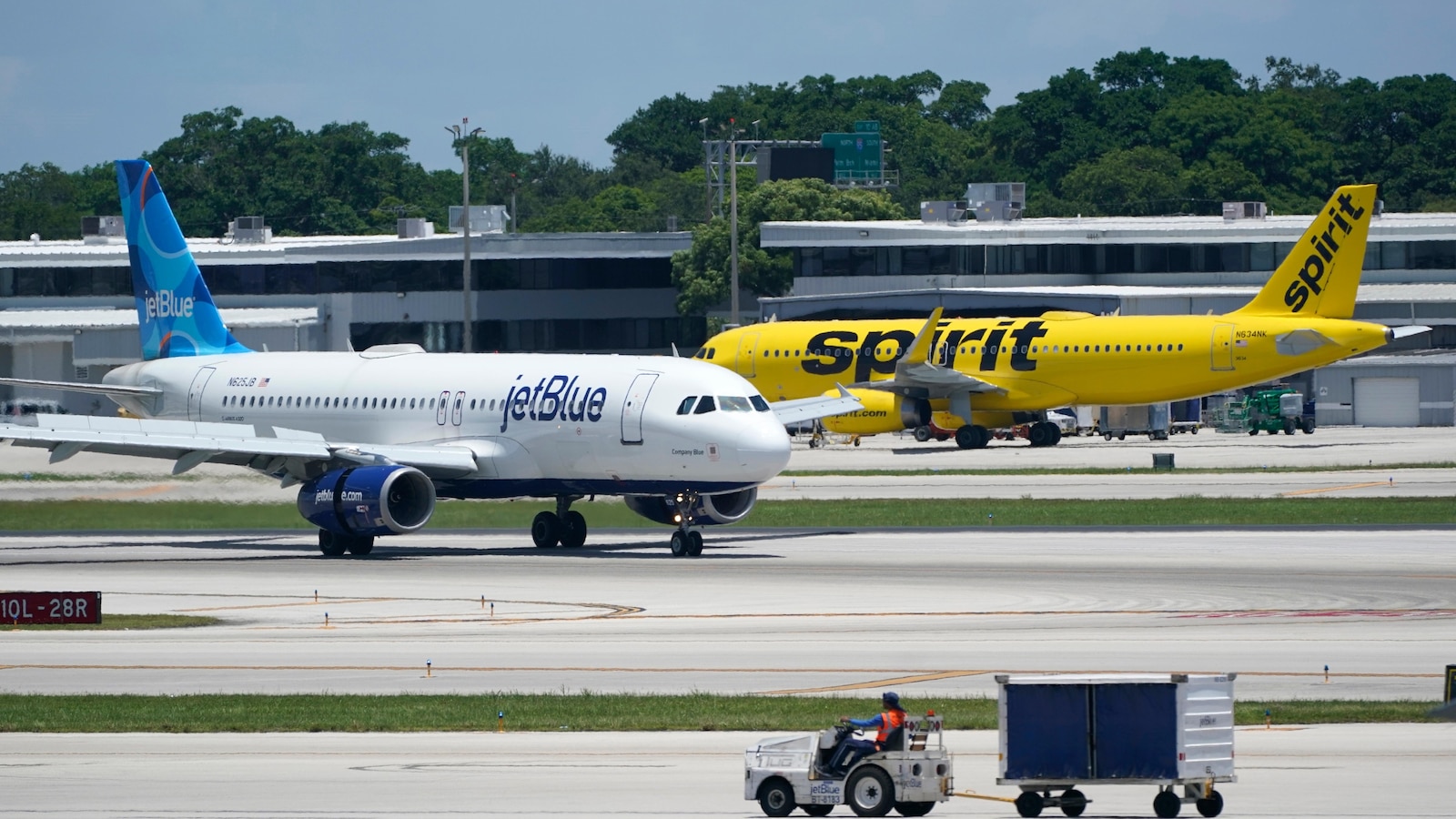
JetBlue and Spirit Airlines will have to wait until June for a federal court to hear their appeal of a ruling that blocked JetBlue’s proposed $3.8 billion purchase of the smaller rival. The 1st U.S. Circuit Court of Appeals in Boston set the schedule, ordering the airlines to file their pre-hearing briefs by February 26, with a response by the U.S. Justice Department due by April 11. The Justice Department sued to block the merger last year, citing concerns about reduced competition and increased fares, and a federal district judge in Boston sided with the government in January, blocking the deal.
Spirit Airlines and JetBlue plan to appeal a federal judge's ruling that blocked their merger, which was intended to help JetBlue compete more effectively against larger airlines. The Justice Department had sued to stop the $3.8 billion deal, arguing that consumers would be harmed. Spirit, which has been losing money since 2020, is also seeking to refinance debt and negotiate compensation for grounded planes. Shares of Spirit rose after the announcement of the appeal, while JetBlue's shares fell in extended trading.
JetBlue and Spirit Airlines are appealing a federal judge's ruling that blocked their planned merger, following the terms of their agreement. The Justice Department had sued to stop the deal, arguing that consumers would be harmed and forced to pay higher fares if Spirit, the nation’s biggest discount airline, were eliminated. The airlines announced their intention to appeal U.S. District Judge William Young's ruling after the stock market closed on Friday, with Spirit's shares gaining 17% in regular trading and rising another 13% in after-hours trading.
A federal judge has ruled that college athletes who transfer twice can now play without needing an NCAA waiver. The ruling comes as a result of a case filed by seven state attorneys general, alleging that the NCAA's rules on multiple transfers violate U.S. antitrust law. The judge issued a temporary restraining order, preventing the NCAA from enforcing its transfer eligibility rule for the next 14 days. This ruling could have an immediate impact on local college sports teams, and the NCAA cannot punish players or schools that allow them to play during this period. The next hearing on a preliminary injunction is scheduled for December 27.
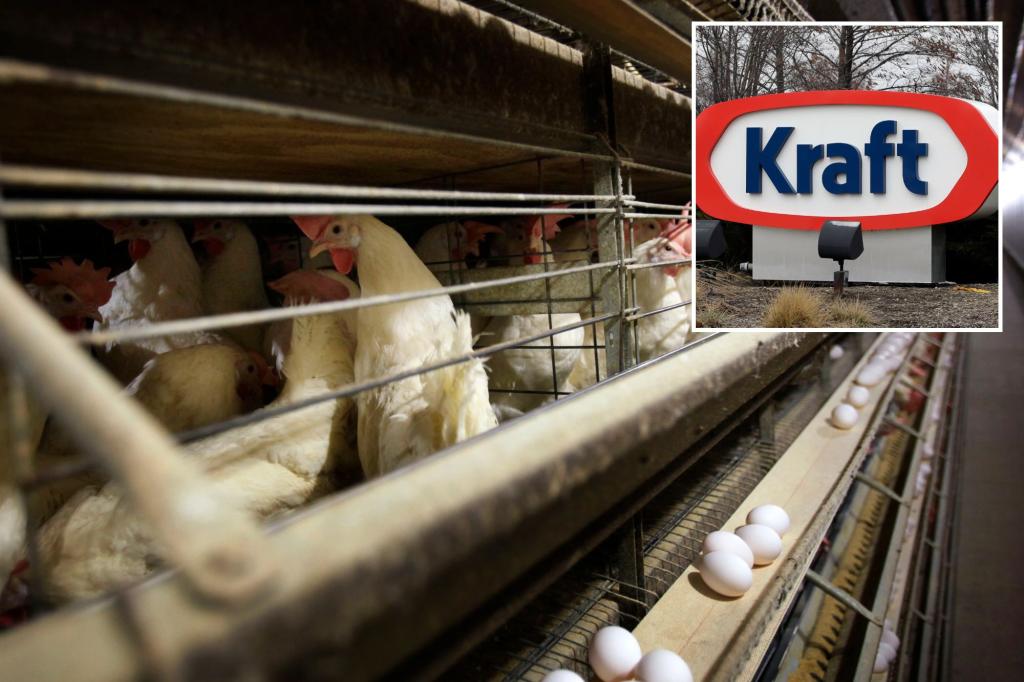
A federal jury in Illinois has ordered major egg producers to pay $17.7 million in damages, which will be tripled to over $53 million under federal law, to several food manufacturing companies who sued them for conspiring to limit the egg supply in the US and increase prices. The jury found that the egg suppliers used various means to restrict the domestic supply of eggs between 2004 and 2008. The damages verdict was reached in the Northern District of Illinois, and the egg suppliers plan to appeal the decision. The food manufacturers joining as plaintiffs in the lawsuit include Kraft Foods Global, Inc., The Kellogg Company, General Mills, Inc., and Nestle USA, Inc.