The Division I Cabinet approved new transfer windows across multiple sports, standardizing when student-athletes can transfer and impacting roster management and recruitment timelines.
The NCAA's Division I Administrative Committee has approved a proposal to allow student-athletes and athletic staff to bet on professional sports, marking a significant policy shift amid ongoing concerns about sports betting integrity and recent violations. The change, pending approval from Divisions II and III, aims to address enforcement challenges and promote education about gambling risks, while maintaining restrictions on betting on college sports.
The NCAA Division I Board of Directors approved rule changes to implement the court-approved House settlement, removing sport-specific scholarship limits and increasing scholarship opportunities for student-athletes, with new governance structures proposed to streamline decision-making and accountability. Schools can opt into these changes for the 2025-26 academic year, and existing protections for current student-athletes remain in place.
The NCAA is considering a proposal to allow the Power Four conferences to form their own governing body, which would significantly shift control and decision-making in college sports. This move, driven by frustrations over the current governance structure, could lead to a bifurcation within Division I, creating two distinct divisions. The proposal has caused concern among smaller conferences and highlights ongoing tensions over revenue sharing and legislative power within the NCAA.
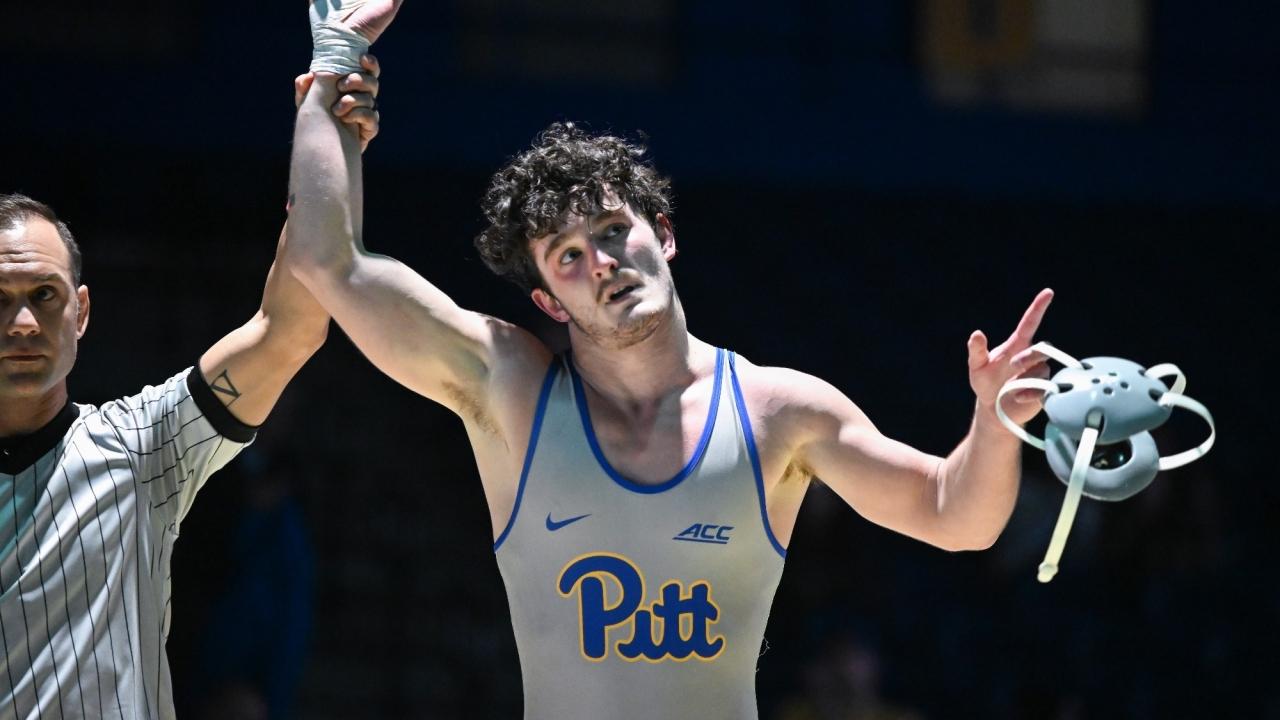
The NCAA has announced the 47 at-large selections for the 2024 NCAA Division I Wrestling Championships, which will join the 283 student-athletes that qualified through their conference tournament finishes. The at-large selections were made using various criteria, and the seeding and brackets for the event will be revealed during the NCAA Division I Wrestling Championships Selection Show on NCAA.com.
The OHSAA is considering allowing schools in Ohio to move up to Division I for postseason play, pending a vote this spring. This comes alongside the approval of executive director Doug Ute’s proposal to expand the number of divisions in many sports, with additional bylaw modifications including changes in transfer rules and contests with out-of-state schools. The move to more divisions, including basketball, is set for next season and is not up for a vote among member schools.
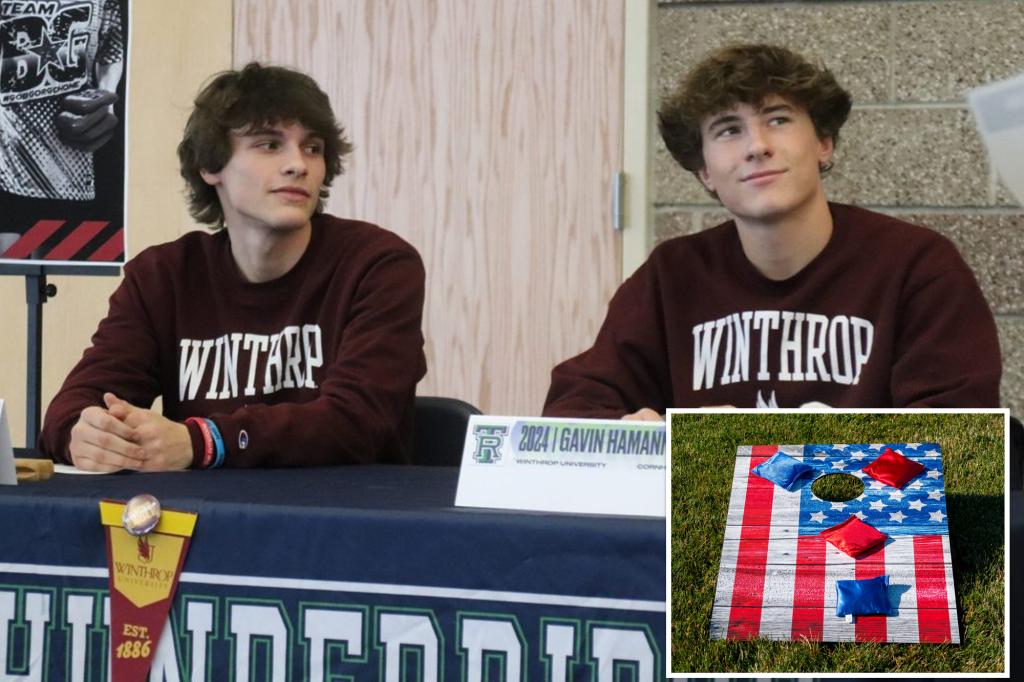
Two Colorado high school seniors, Gavin Hamann and Jaxson Remmick, have made history by becoming the first players to earn Division I college scholarships to play cornhole at Winthrop University in South Carolina. The pair, who are considered five-star recruits in the game, are two-time American Cornhole League High School National Champions and will have about half of their tuition covered by the scholarships. Winthrop University aims to develop its cornhole program into a powerhouse and hopes to pave the way for college cornhole as a recognized sport.
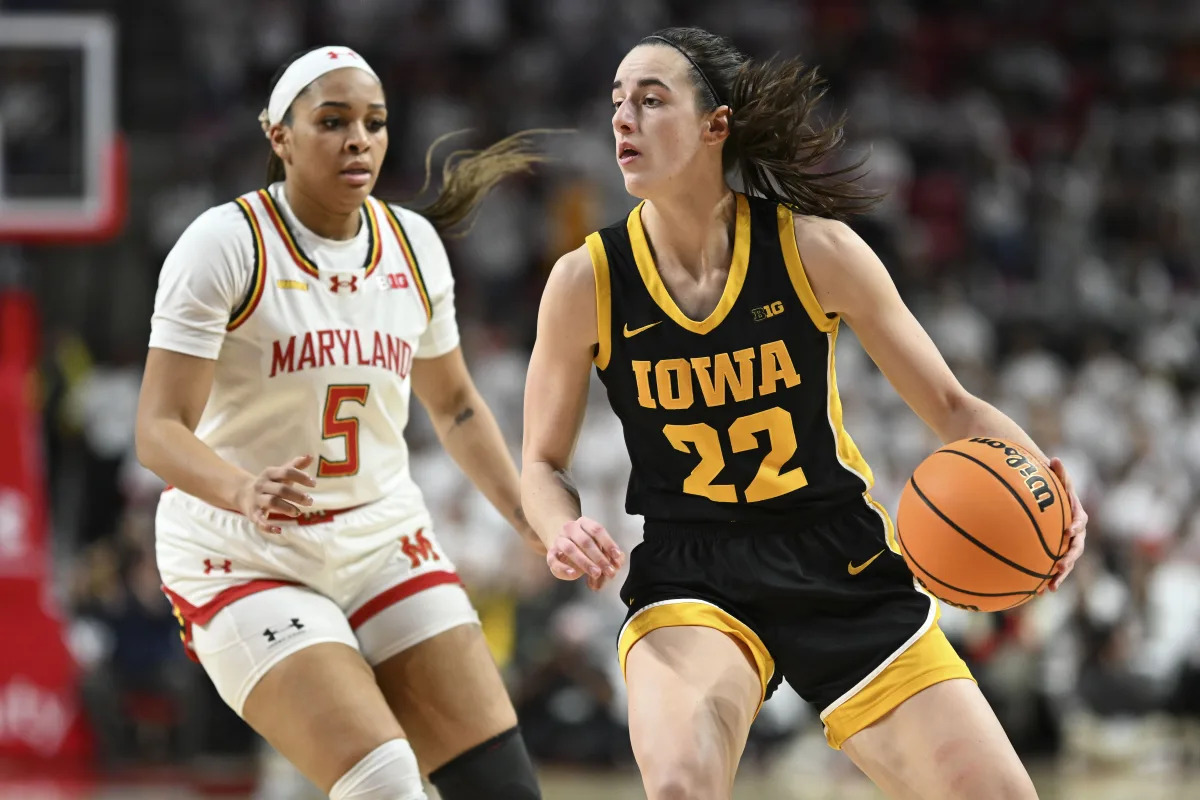
Caitlin Clark scored 38 points against Maryland, bringing her within 66 points of breaking the Division I women's scoring record. With a career total of 3,462 points, she trails Kelsey Plum's record of 3,527. Clark's performance has garnered attention, with Fox Sports dedicating a camera to track her on offense and streaming it live on TikTok. She could potentially break the record as early as Feb. 11 and has become the Big Ten's all-time scoring leader.
NCAA President Charlie Baker has proposed the creation of a new tier in college sports that would allow highly resourced schools in Division I to pay athletes through a trust fund. The proposal, which also includes bringing name, image, and likeness compensation in-house and removing limits on educational benefits, has received mixed reactions from college sports leaders. While some see it as a step in the right direction, others express concerns about competitive advantages and potential budget conflicts. Baker believes about 100 schools might consider opting into the new subdivision, and he emphasizes the need for federal protection and a national standard for athlete compensation.
NCAA president Charlie Baker has presented a proposal to allow highly resourced schools in Division I to pay athletes directly through name, image, and likeness (NIL) deals and a trust fund, stating that it is just a starting point. The proposal also suggests that all Division I schools should bring NIL compensation in-house through group licensing deals and remove limits on educational benefits. Baker believes about 100 schools might consider opting into a new subdivision, targeting schools in the Power 5 conferences. The proposal aims to address conflicts caused by budget differences across divisions and give schools the freedom to spend more on their athletes.
NCAA President Charlie Baker is proposing the creation of a new tier of Division I sports that would allow highly resourced schools to pay athletes. Under this proposal, schools would be required to offer at least half their athletes a payment of at least $30,000 per year through a trust fund. Baker also suggested allowing all Division I schools to offer unlimited educational benefits and enter into name, image, and likeness licensing deals with athletes. The goal is to address the disparity in resources between the wealthiest schools and the rest of Division I, while also navigating the challenges posed by name, image, and likeness opportunities and the Transfer Portal. The proposal would not require all members of a conference to be part of the new subdivision, and schools would be allowed to make that determination individually.
NCAA President Charlie Baker has proposed the creation of a new competitive subdivision within Division I that would require schools to provide significantly greater compensation for their athletes. Under Baker's plan, schools in this new group would have to invest at least $30,000 per year into an enhanced educational trust fund for at least half of their eligible student-athletes. The proposal also involves the schools in the new group working together to create rules that may differ from the rest of Division I, including policies related to athletes' name, image, and likeness (NIL) rights. Baker's framework aims to address the growing unrest and legal battles over athlete compensation within college sports.
The NCAA is proposing a new subdivision within Division I that would grant certain schools more autonomy and the ability to compensate athletes. Under the proposal, schools in the new subdivision would be allowed to strike name, image, and likeness (NIL) deals with their own athletes and directly compensate them through a trust fund. The subdivision would require schools to invest a minimum of $30,000 per year per athlete into an enhanced educational trust fund, with at least 50% of the investment directed towards women athletes. The proposal aims to address the growing financial gap between high-revenue producing athletic departments and other schools in Division I.
The NCAA has issued a statement regarding the University of North Carolina (UNC) transfer case of student-athlete Tez Walker, stating that new information received qualifies Walker for a transfer waiver. The NCAA criticized UNC for not providing the information earlier and accused the school of engaging in a public relations campaign. The NCAA emphasized that the decision to grant the transfer waiver meets the new standards and could have been avoided if UNC had submitted the information earlier.
The USL Super League has announced plans to launch a women's professional league in 2024, with the intention of applying for Division I sanctioning by Sept. 1, 2023. The league hopes to launch with 10-12 teams, with eight initial markets already announced and four more to join in subsequent seasons. The league will differentiate itself from the NWSL by conforming to the international calendar and not having a college draft. Tim Tebow is among the planned team owners.