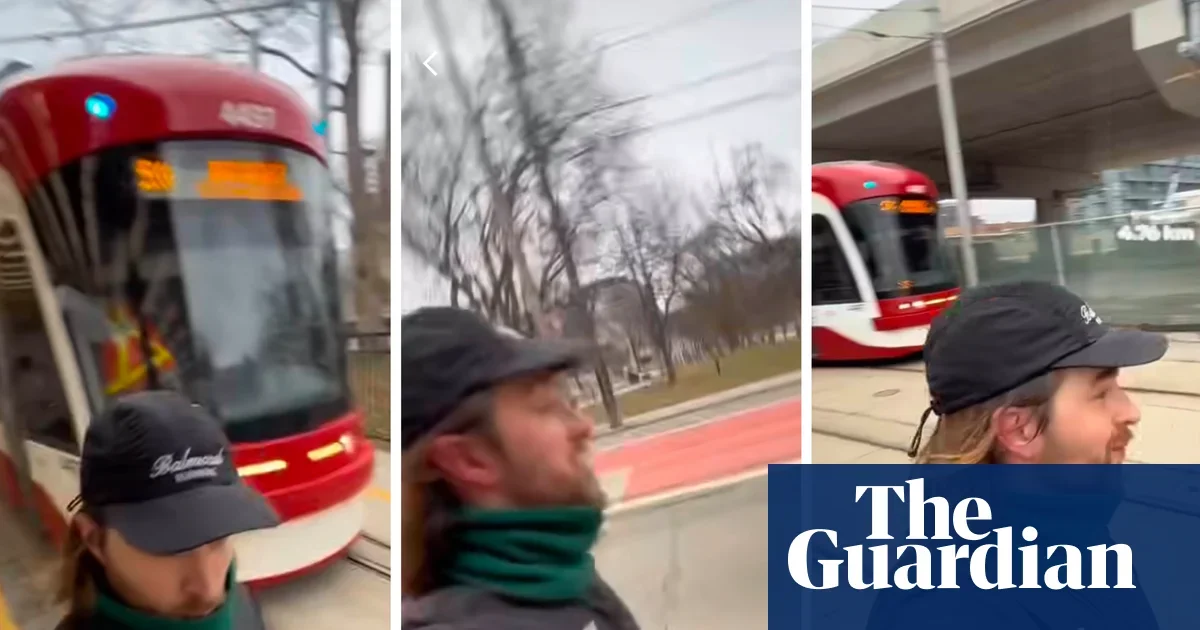
Mac Bauer, a runner and transit critic in Toronto, races streetcars to highlight their sluggishness caused by traffic and inadequate signal priority, using his victories to advocate for improved transit infrastructure and signal systems in the city.
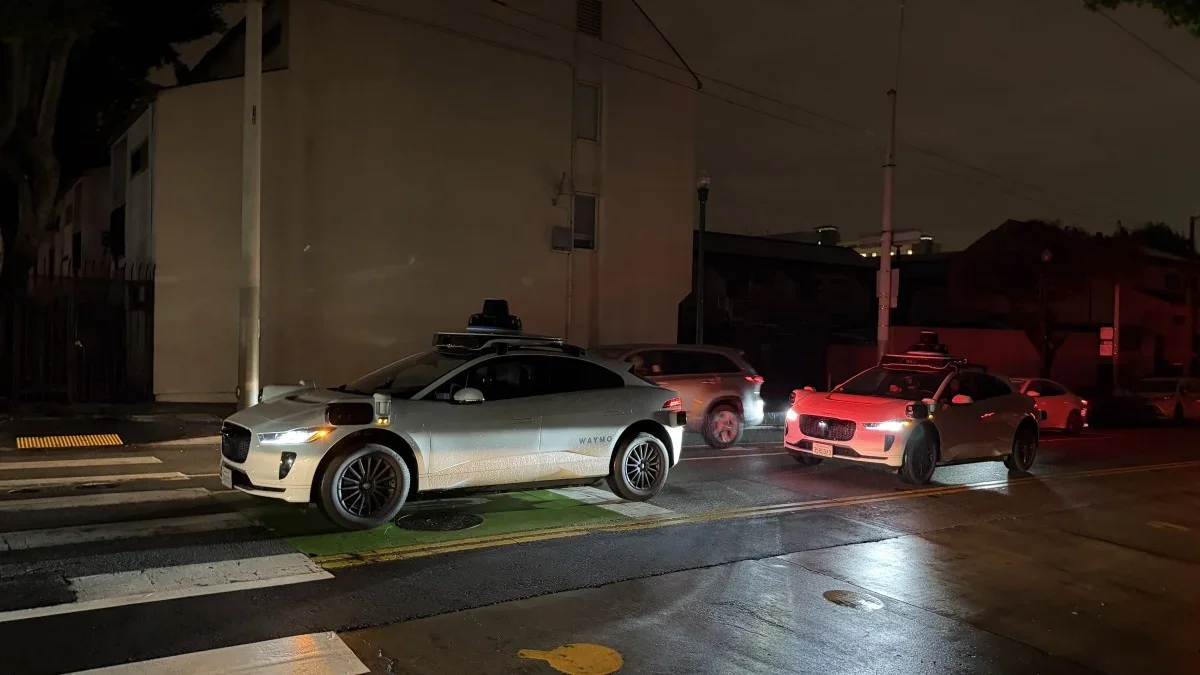
During a widespread blackout in San Francisco caused by a power outage, Waymo suspended its driverless robotaxi service as vehicles stalled and caused traffic issues, but service resumed once power was restored. The incident highlighted challenges faced by autonomous vehicles during infrastructure failures, and Waymo is working to improve its response to such events.
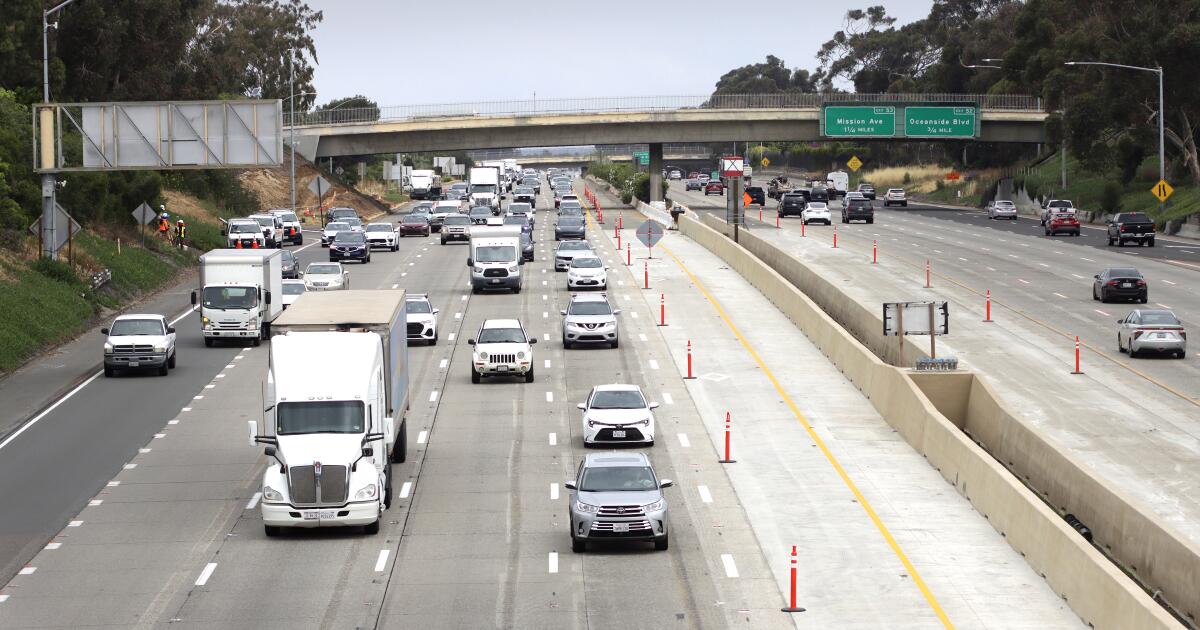
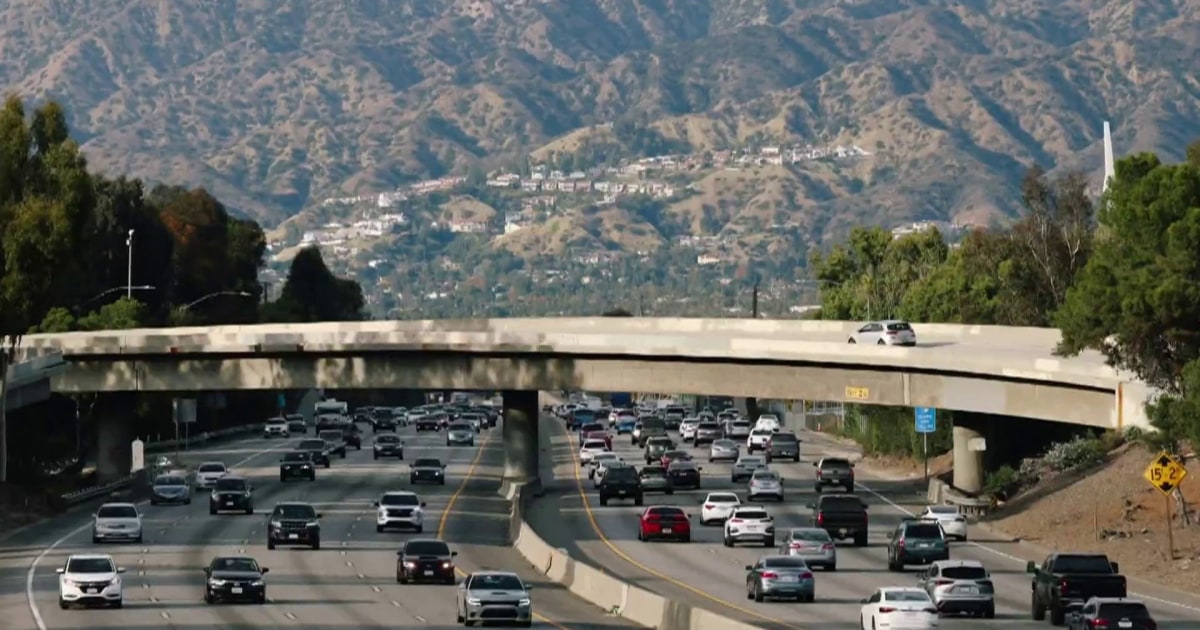
California has ended its decal program that allowed solo clean-air vehicle drivers to access carpool lanes, which may lead to increased traffic congestion and changes in commuter behavior, but experts suggest it might not significantly impact overall traffic or electric vehicle adoption due to existing incentives and high congestion levels.
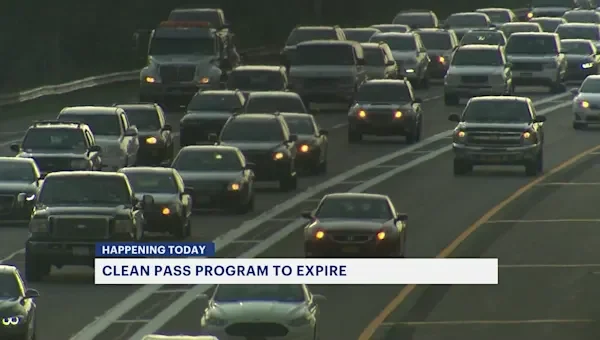
The Clean Pass Program, which promoted eco-friendly vehicles, has ended due to lack of federal re-authorization, leading to tighter HOV lane access on the Long Island Expressway, where solo electric vehicle drivers are now prohibited from using the lane, potentially worsening traffic congestion.
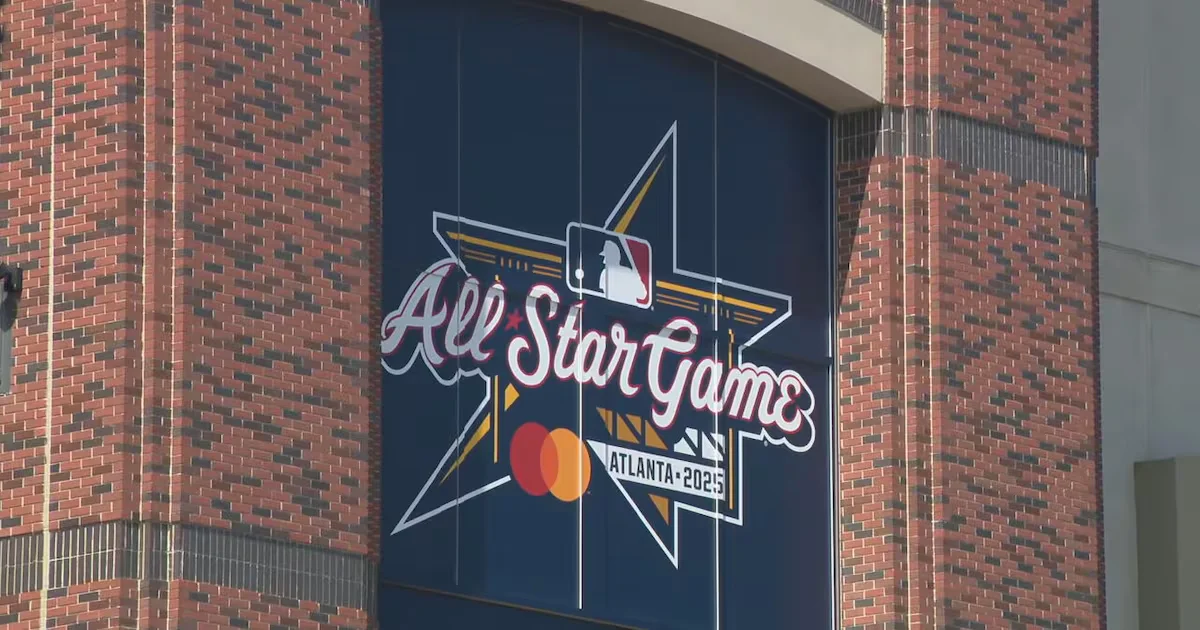
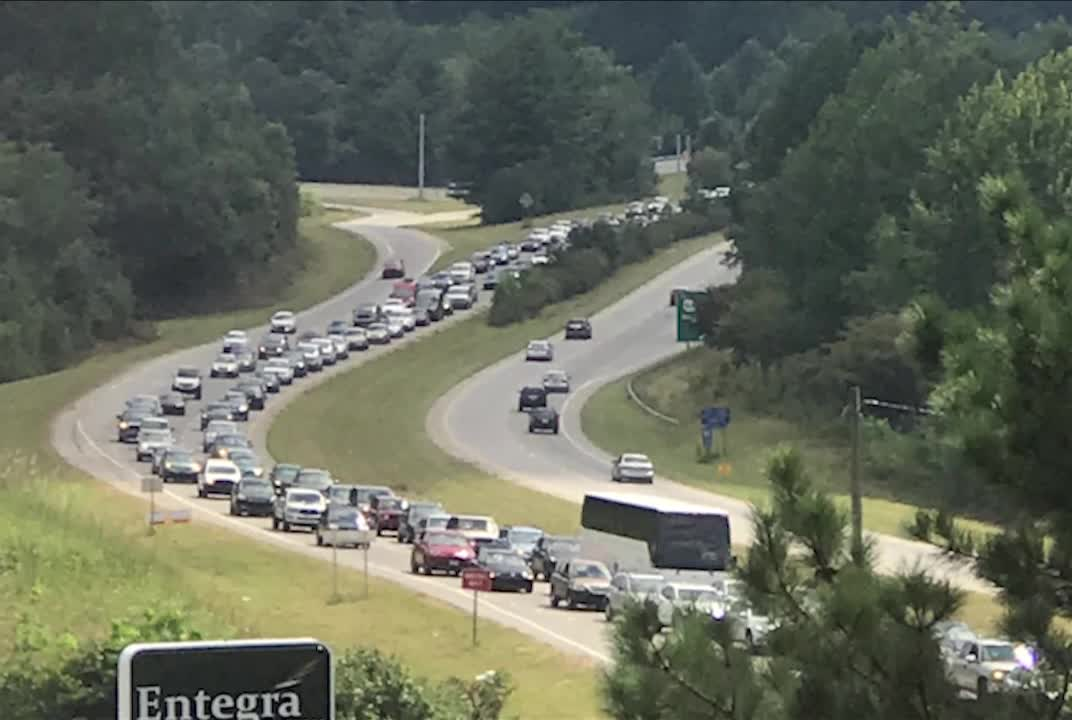
The 2025 MLB All-Star Game is taking place at Truist Park in Cobb County, Georgia, with an expected attendance of over 50,000 including fans outside the stadium, leading to heavy traffic. The game features top players from the American and National Leagues, with notable participants like Ronald Acuña Jr., Freddie Freeman, and Matt Olson. Prior events include the Home Run Derby, won by Cal Raleigh, and the MLB All-Star Village for fan activities. Tickets are still available at premium prices.
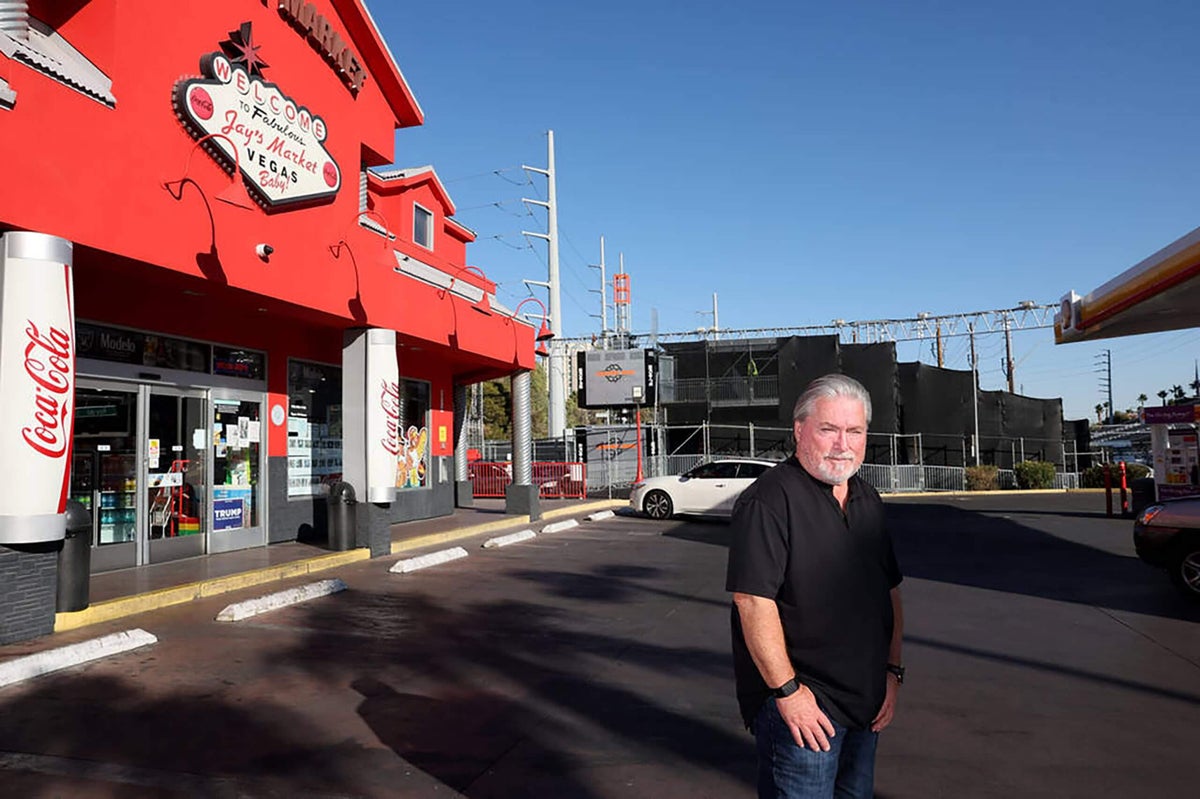
The Las Vegas Grand Prix Formula One race has caused significant financial strain for local businesses like Jay's Market due to road closures and traffic congestion. Owner Wade Bohn reports a drastic drop in sales and has joined other business owners in filing lawsuits against Clark County for financial damages. Despite efforts by race organizers to mitigate disruptions, many local businesses remain frustrated, with some calling for the race to be moved outside the city. The event, however, is credited with a substantial economic impact on Las Vegas, generating significant tax revenue and tourism.
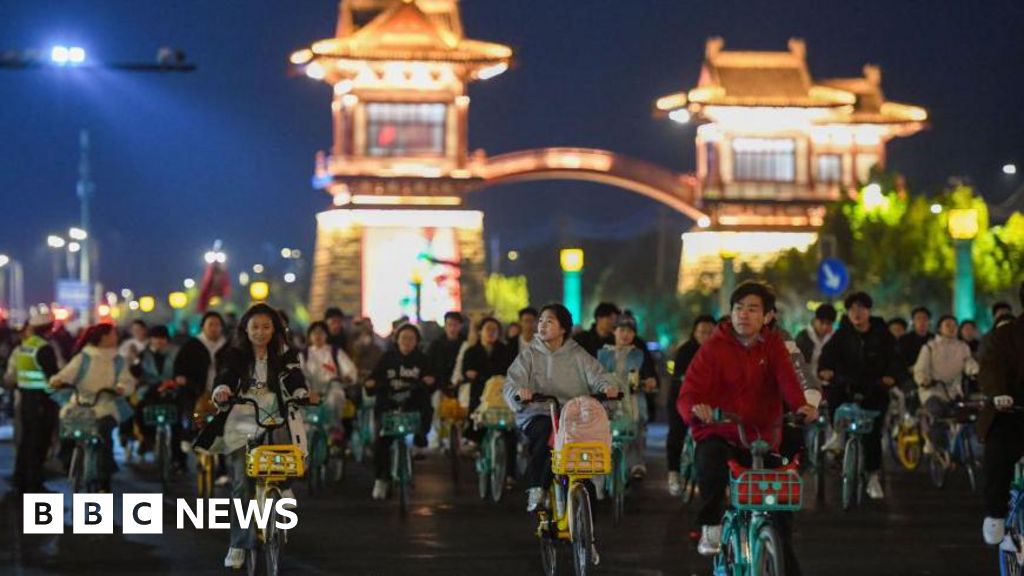
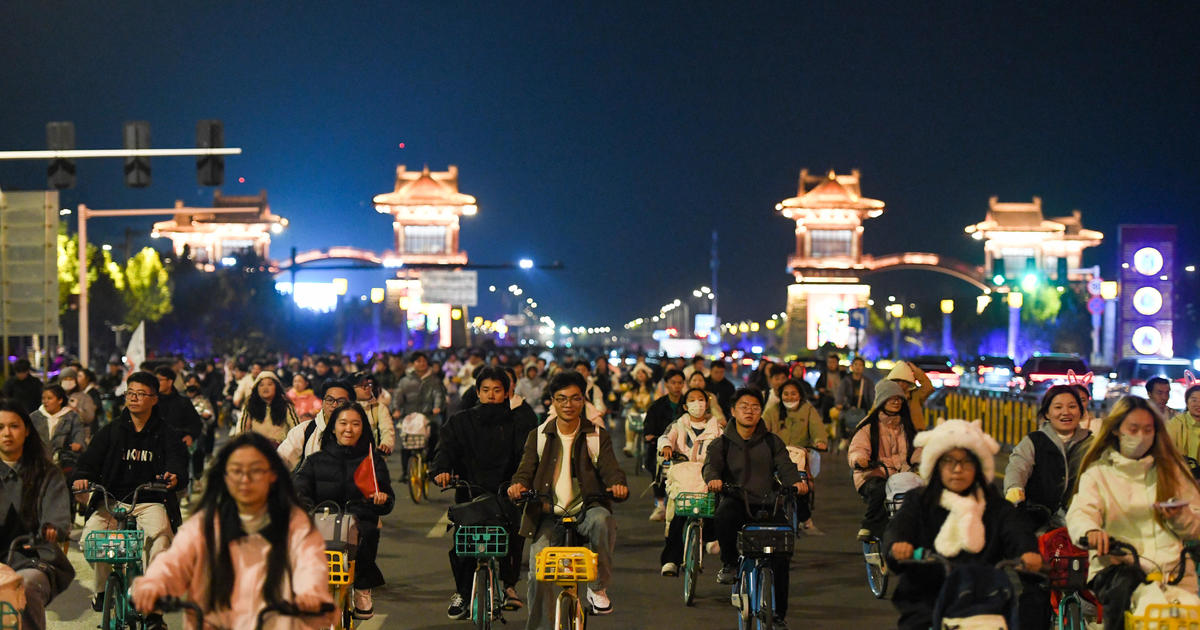
A social media trend in China led to thousands of cyclists causing traffic gridlock between Zhengzhou and Kaifeng as they embarked on a night ride to try local dumplings. Initially praised for its spontaneity and youthful spirit, the event quickly turned chaotic, with police intervention and bike rental companies locking bikes. The trend highlights the economic struggles and burnout among young Chinese, but also resulted in criticism for causing disruption and safety concerns. Authorities have since imposed restrictions to prevent further incidents.
A viral social media post led tens of thousands to participate in a spontaneous bike ride from Zhengzhou to Kaifeng in China, causing significant traffic congestion and prompting bike-sharing companies to restrict services. The event, inspired by four college students' summer trip for dumplings, highlights a trend among young people seeking affordable travel amid a challenging job market. Despite logistical issues and criticism, participants view such events as a way to relieve stress and foster happiness.
The collapse of the Key Bridge has caused significant disruptions to Baltimore-area commuters, leading to increased traffic congestion and longer commute times. While transportation experts believe the road network can handle the displaced traffic, the closure has put pressure on alternative routes, tunnels, and highways. State officials are monitoring commute times along alternate routes and have made adjustments to traffic signals to ease congestion. Commuters are exploring various options, including carpooling and public transit, while hoping for more flexible work schedules. The impact of the bridge collapse on commuting may persist until the bridge is rebuilt, which is expected to take years.
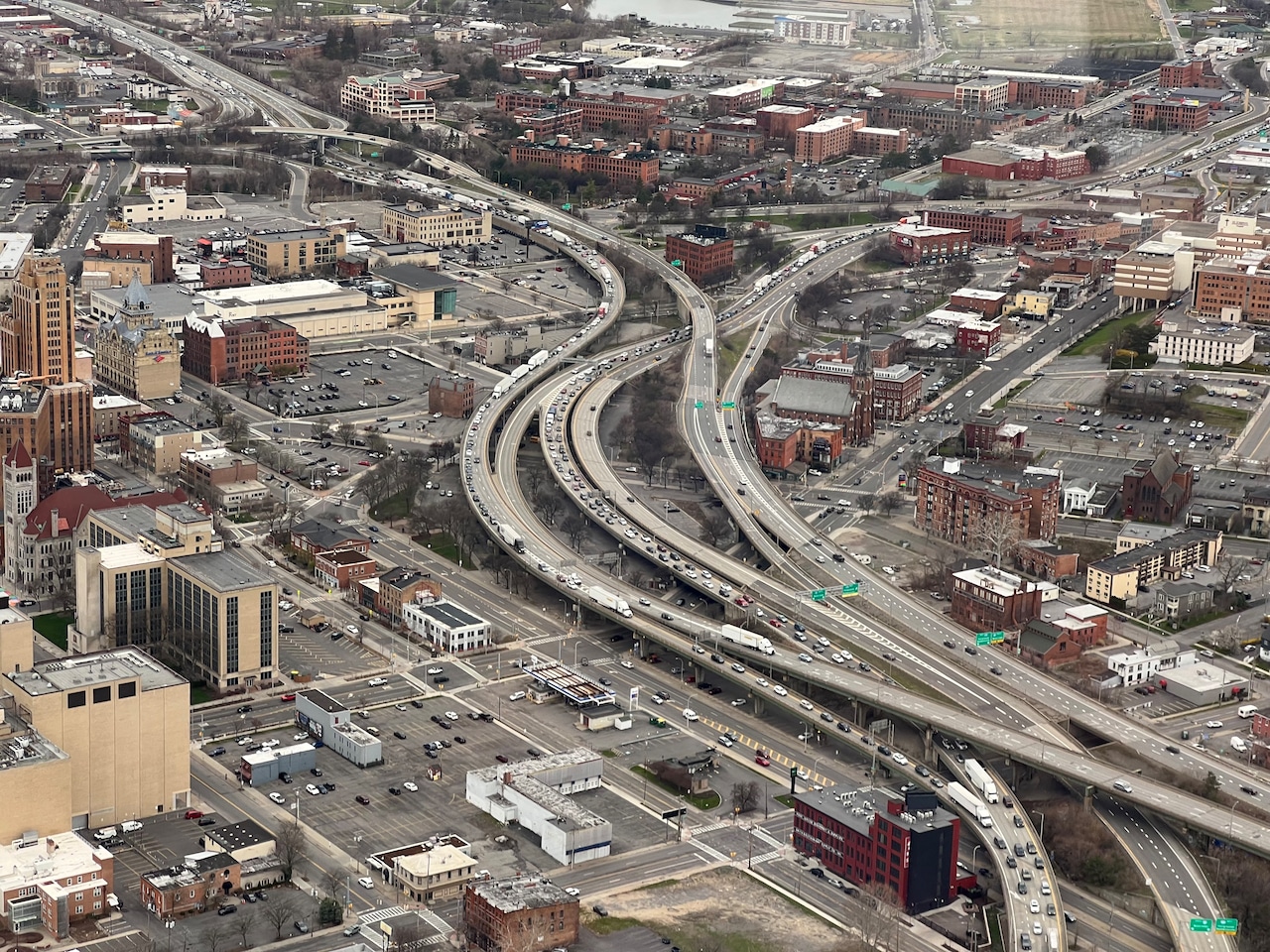
Traffic congestion was reported in Syracuse and Central New York following the 2024 eclipse, with delays on Interstate 81 South in Tully and Cortland. Other highways, including the Thruway, were clear, but backups were observed on South Salina Street and State Route 13. The traffic situation improved gradually throughout the evening, with vehicles beginning to pick up speed on Interstate 81 South, although delays persisted in certain areas.
The DuBois family from Chili, N.Y., who experienced the 2017 total solar eclipse, shared their advice and experiences, emphasizing the awe-inspiring nature of totality. They recounted the amazing sight of the eclipse and the challenges they faced, including intense traffic congestion and a car accident. Despite the difficulties, they stressed the importance of being prepared and staying safe while urging others to expect and plan for the unexpected during the upcoming eclipse.
New York City's Metropolitan Transportation Authority has approved a $15 congestion toll for most drivers entering Manhattan's central business district, set to go into effect in June. The toll aims to reduce congestion, encourage public transport use, improve air quality, and raise funds for the city's subway and bus systems. Tolls will vary based on vehicle size and time of day, with exemptions for certain vehicles and low-income drivers.
The five US cities with the worst traffic congestion are Los Angeles, New York City, San Francisco, Atlanta, and Miami, according to a recent report. These cities experience significant delays and traffic jams, impacting urban mobility and transportation efficiency.
According to the TomTom Traffic Index for 2023, New York City has been ranked as the U.S. city with the worst traffic, with commuters spending an average of 24 minutes and 50 seconds driving six miles, and losing 8 minutes and 2 seconds due to traffic. Washington, D.C. follows closely behind as the second worst city for traffic, with an average travel time of 21 minutes and 20 seconds for six miles, and commuters losing 86 hours to rush-hour traffic throughout 2023. Other cities in the top 10 list include San Francisco, Boston, Chicago, Baltimore, Seattle, Philadelphia, Los Angeles, and Miami.
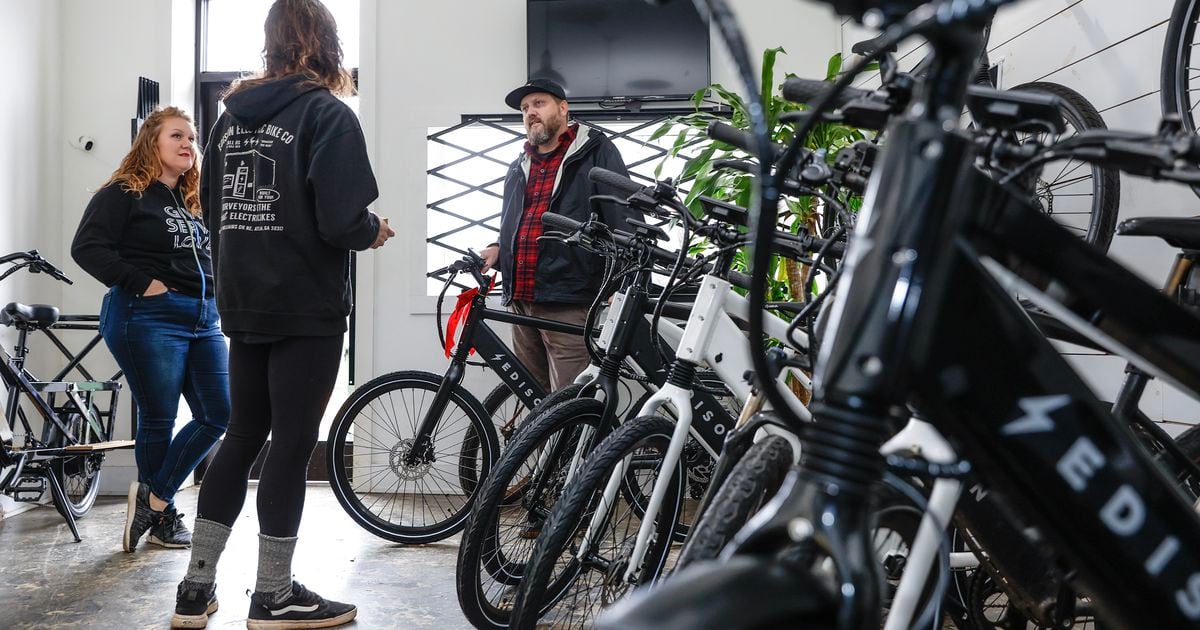
Atlanta City Council has approved a $1 million program to provide residents with up to $2,000 in instant rebates for electric bicycles in an effort to reduce traffic congestion and greenhouse gas emissions. The program, administered by the Atlanta Regional Commission and Propel ATL, will prioritize income-qualified residents, offering a $1,500 rebate for a standard e-bike and $2,000 for a cargo e-bike. Non-income-qualified residents can still receive $500 for a standard e-bike and $1,000 for a cargo e-bike. The initiative aims to fund the purchase of 800 to 1,000 e-bikes and is part of the city's efforts to improve transportation infrastructure and promote sustainable mobility.