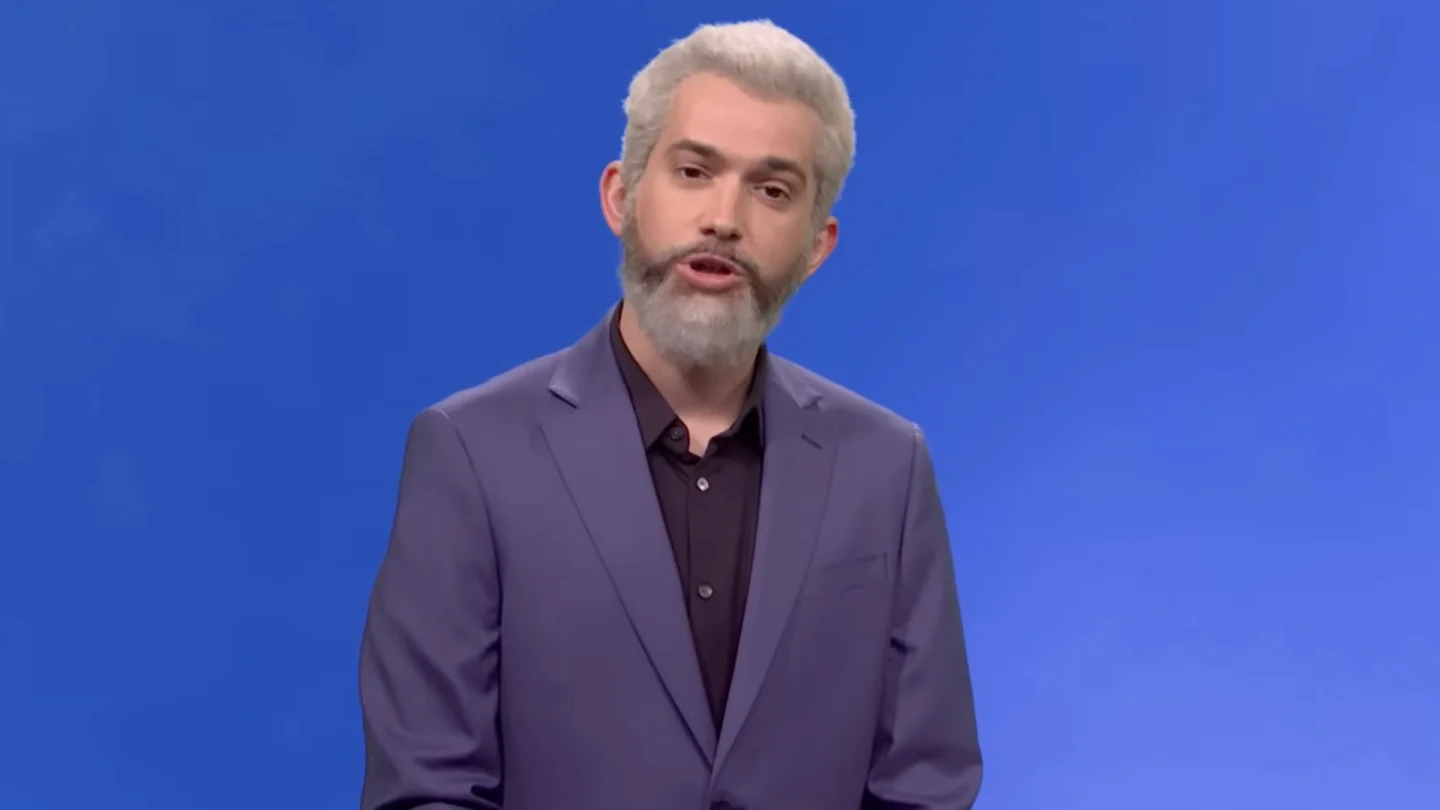
The Hollywood Reporter analyzes backlash to SNL’s Tourette’s sketch and contrasts US commentary with UK efforts to improve public understanding of the condition, highlighting ongoing gaps in Tourette’s education and the debate over disability representation in comedy.
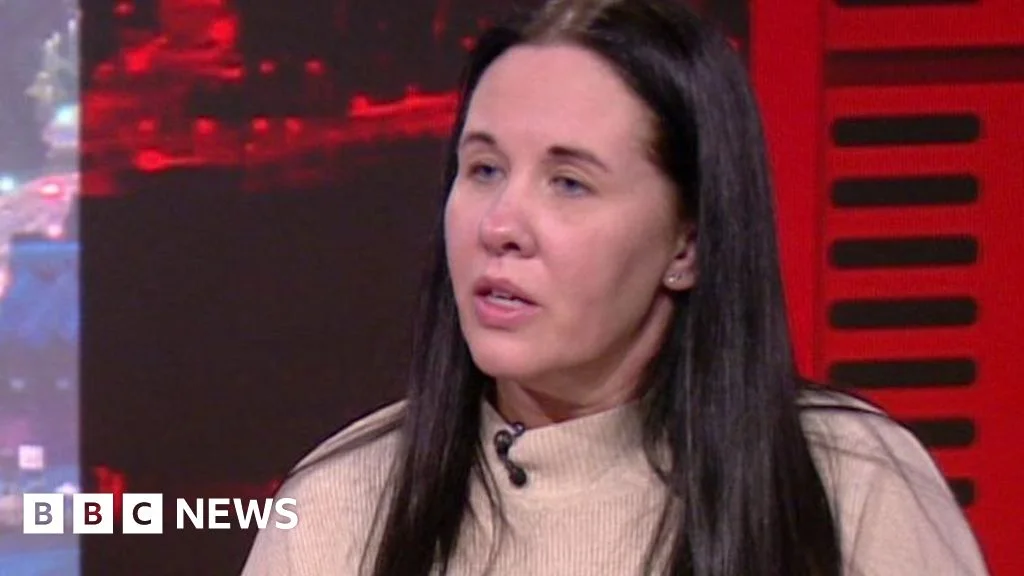
Sharon, mother of Dexter who has Tourette's and stars in I Swear, says the Baftas row in which a guest shouted a racial slur has renewed negativity about Tourette's, overshadowing the film’s three Bafta wins. The BBC apologized for not editing out the slur, and Dexter’s family stresses Tourette's is a disability people cannot help. The incident has sparked concern among campaigners about public understanding of the condition despite the film's positive reception.
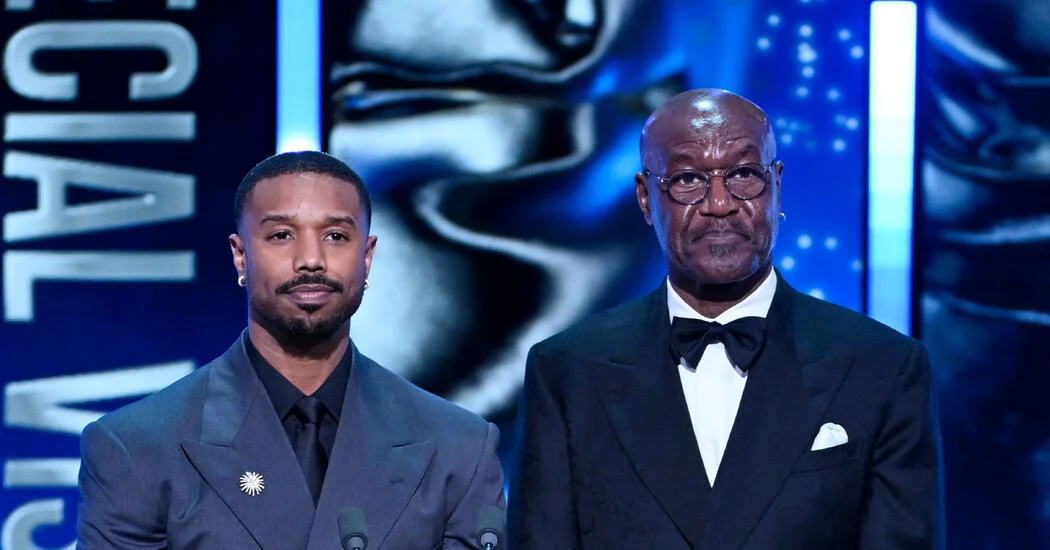
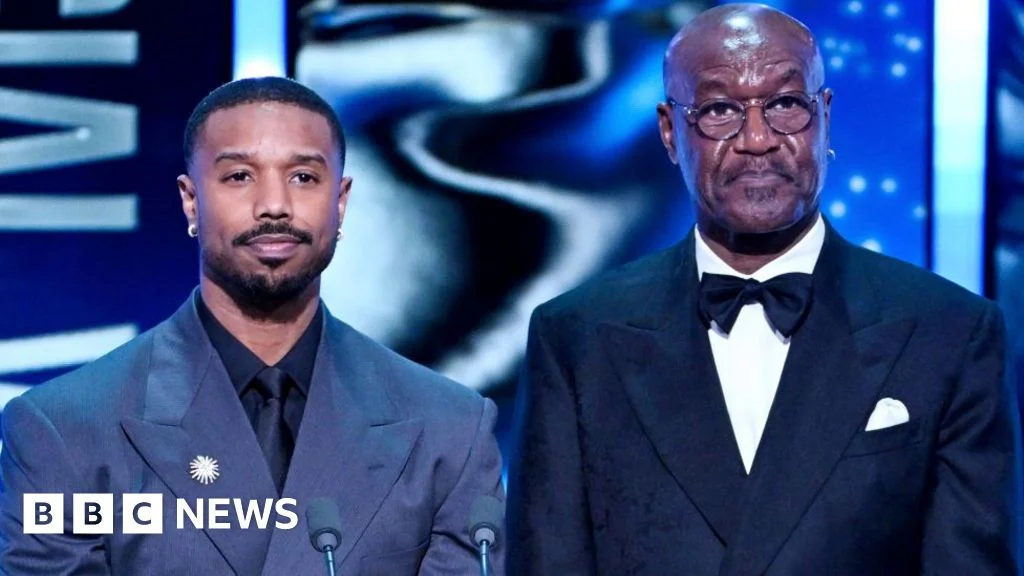
BBC and BAFTA launched separate investigations after a racist slur involuntarily uttered by a man with Tourette’s syndrome was audible during the BAFTA Awards while Michael B. Jordan and Delroy Lindo presented. The BBC apologized for not editing the remark and removed it from iPlayer, and BAFTA said a comprehensive review is underway. The incident sparked debate about racism, disability, and broadcast responsibility, amid prior warnings that involuntary noises could occur at the ceremony.
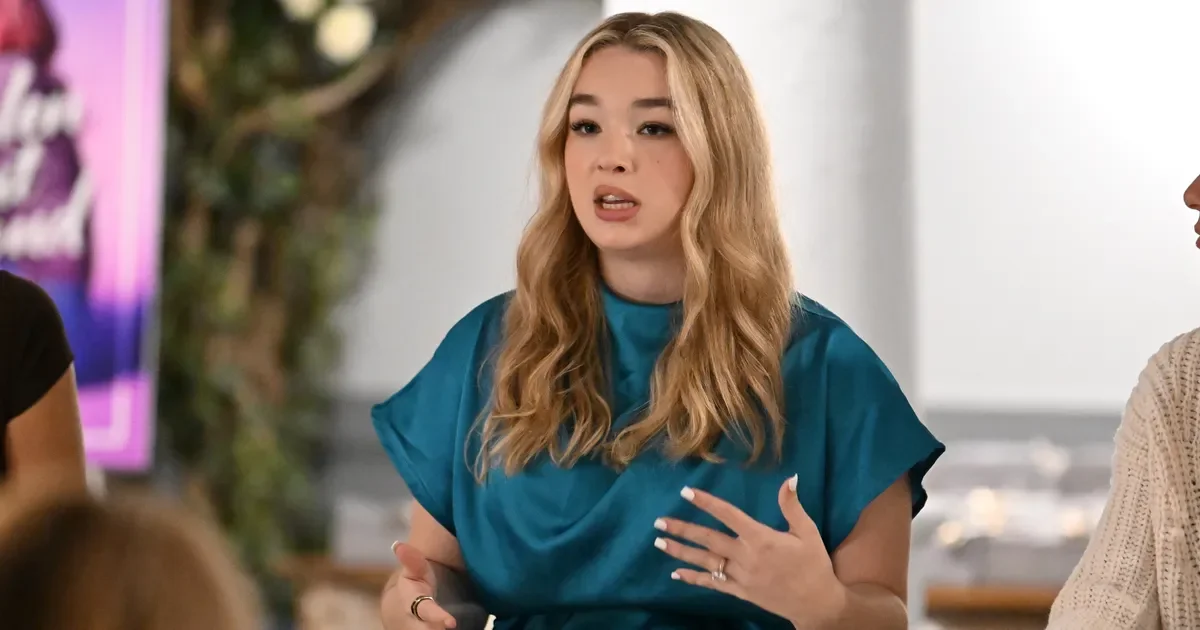
Vulture reports Baylen Dupree defends John Davidson after a BAFTA moment involving a racial slur said during a tic, emphasizing that Tourette’s tics are involuntary and not reflections of belief. Dupree calls for compassion toward Davidson while acknowledging the harm of the slur and the impact on those on stage.
BBC apologised after a racial slur shouted by John Davidson—whose Tourette’s causes involuntary tics—was broadcast during the Bafta Film Awards; the moment occurred on stage with Michael B Jordan and Delroy Lindo, remained on BBC One and iPlayer before being removed, and has sparked discussion about how to handle such outbursts and the need for a stronger apology.
At the BAFTA Film Awards, host Alan Cumming paused the ceremony twice to address involuntary outbursts from Tourette’s syndrome campaigner John Davidson in the audience, apologizing for any offense caused by strong language and thanking attendees for understanding as the event continued.
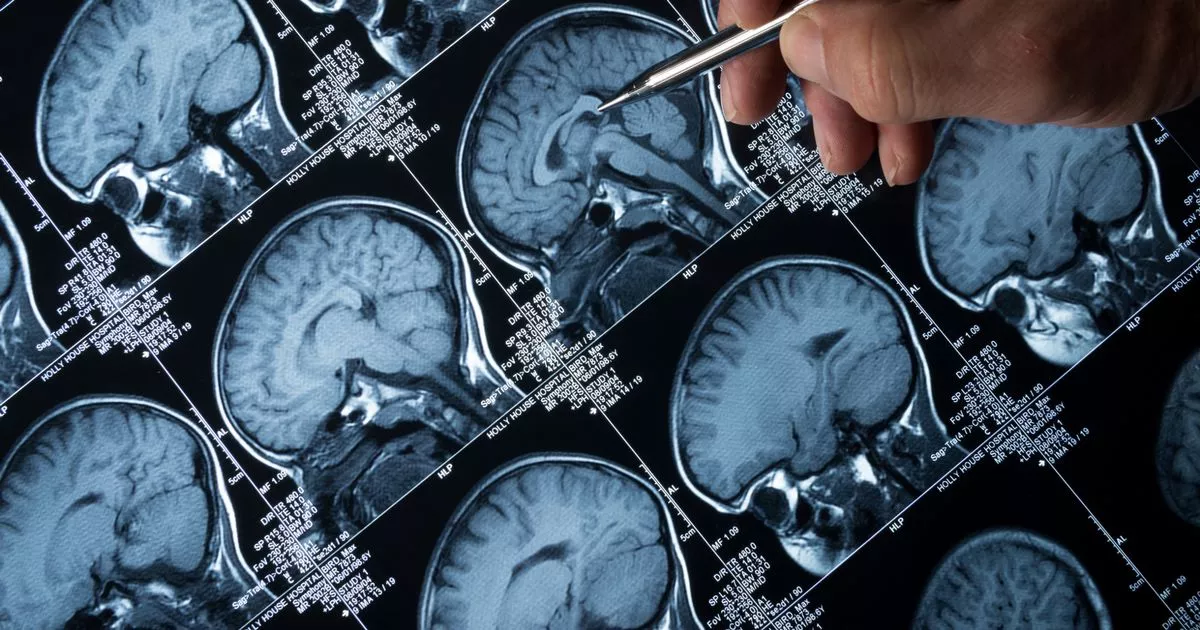
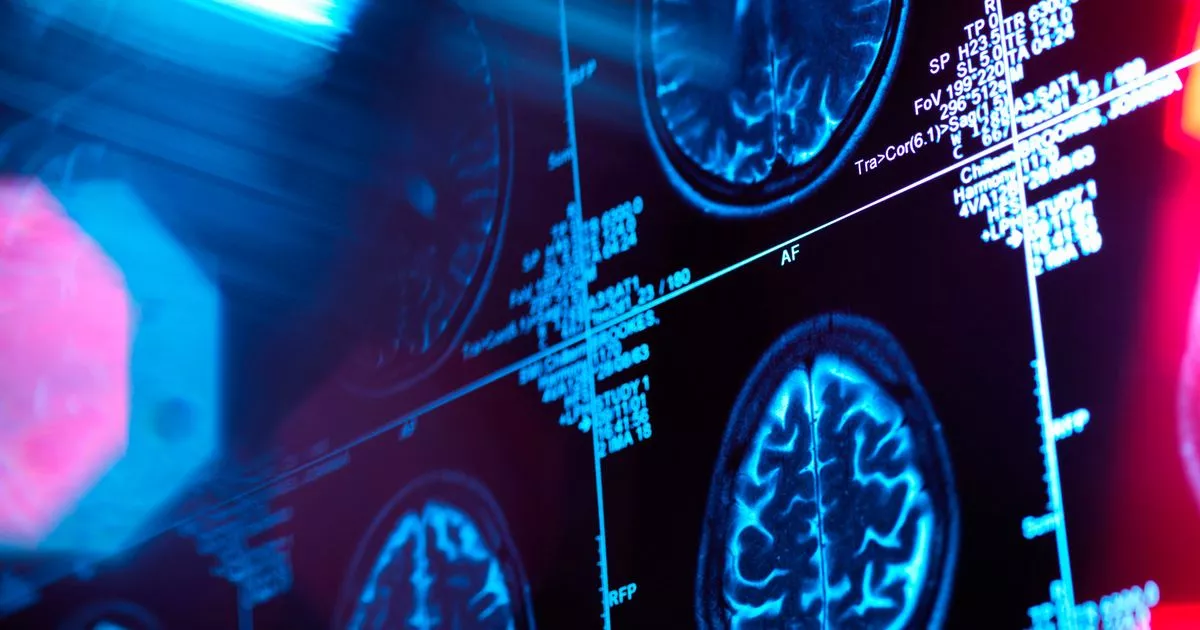
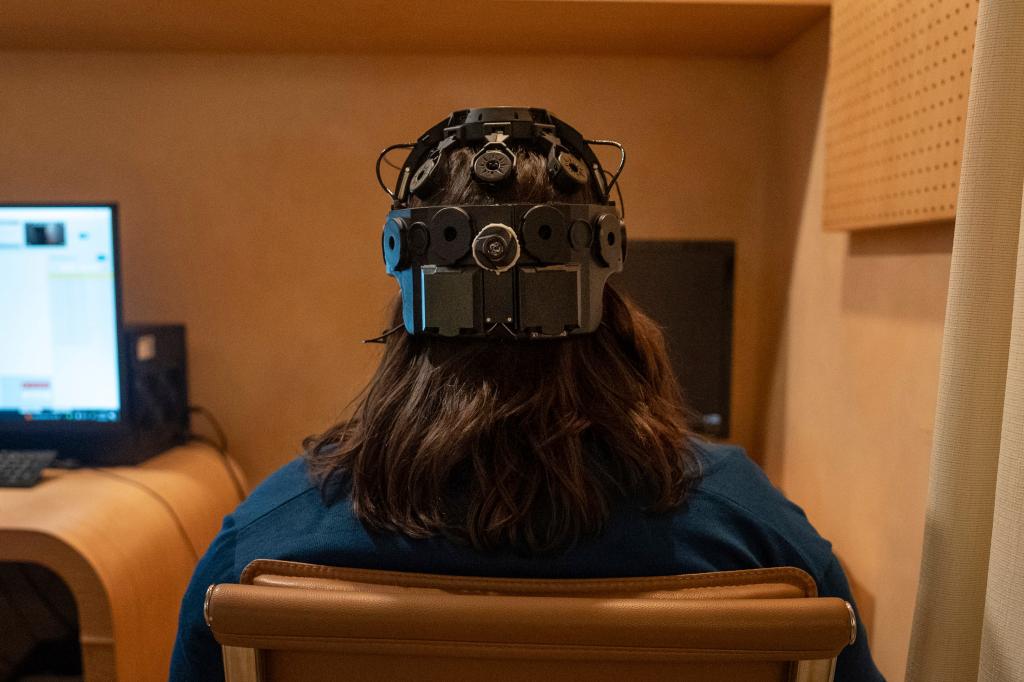
Scientists have used Deep Brain Stimulation (DBS) to identify dysfunctional brain circuits responsible for Parkinson's, Tourette's syndrome, OCD, and dystonia, offering a potential path to target the sources of these common brain disorders. This breakthrough could lead to the development of cures or better medications to alleviate symptoms. Additionally, a new gene change in a microprotein called SHLP2 has been discovered, which protects against Parkinson's and could lead to new treatments, offering hope for precision medicine-based therapies for these devastating diseases.
Scientists at Mass General Brigham have identified the sources of Parkinson’s, Tourette’s syndrome, OCD, and dystonia in a groundbreaking study using Deep Brain Stimulation (DBS) to pinpoint dysfunctions in the brain responsible for these disorders. By lighting up parts of the brain and using electrodes, they were able to identify malfunctioning networks and understand why DBS has been helping patients. This breakthrough could lead to the development of better remedies and medications for these common brain disorders, offering hope for potential cures in the future. Additionally, a previously unknown genetic mutation that provides significant protection against Parkinson's has been identified, potentially leading to new medical treatments for the condition.
Scientists at Mass General Brigham have used deep brain stimulation (DBS) to identify dysfunctional brain circuits responsible for Parkinson's disease, dystonia, obsessive compulsive disorder (OCD), and Tourette's syndrome. The study, published in Nature Neuroscience, included 261 patients and found preliminary improved results in three cases. The findings could lead to new treatments for these disorders, but further research and clinical trials are needed to validate the results and understand the long-term effects of DBS.
A Reddit thread revealed numerous instances where people's "weird quirks" turned out to be actual health issues, from undiagnosed endometriosis and hearing problems to Tourette's syndrome and autism. The thread's creator, u/minbye, shared their own experience with depression and anxiety, sparking a conversation about the importance of distinguishing between quirks and symptoms. Medical professionals advise paying attention to unusual behaviors and seeking professional advice if concerned, as some quirks may indicate underlying medical conditions.
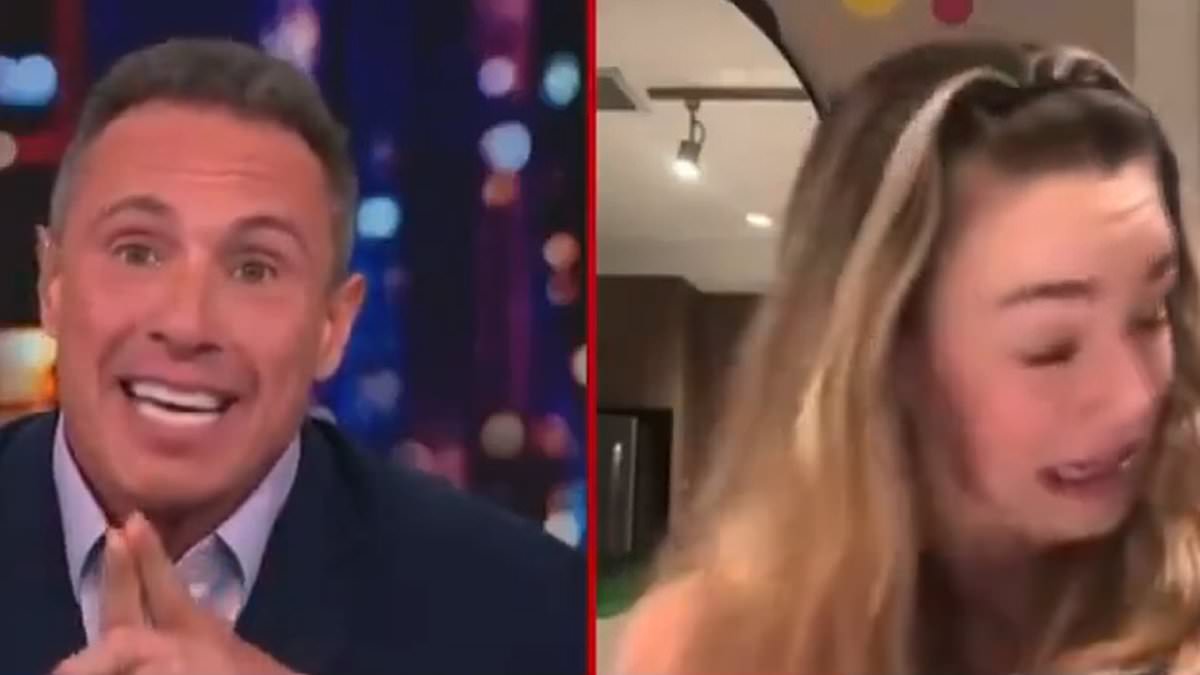
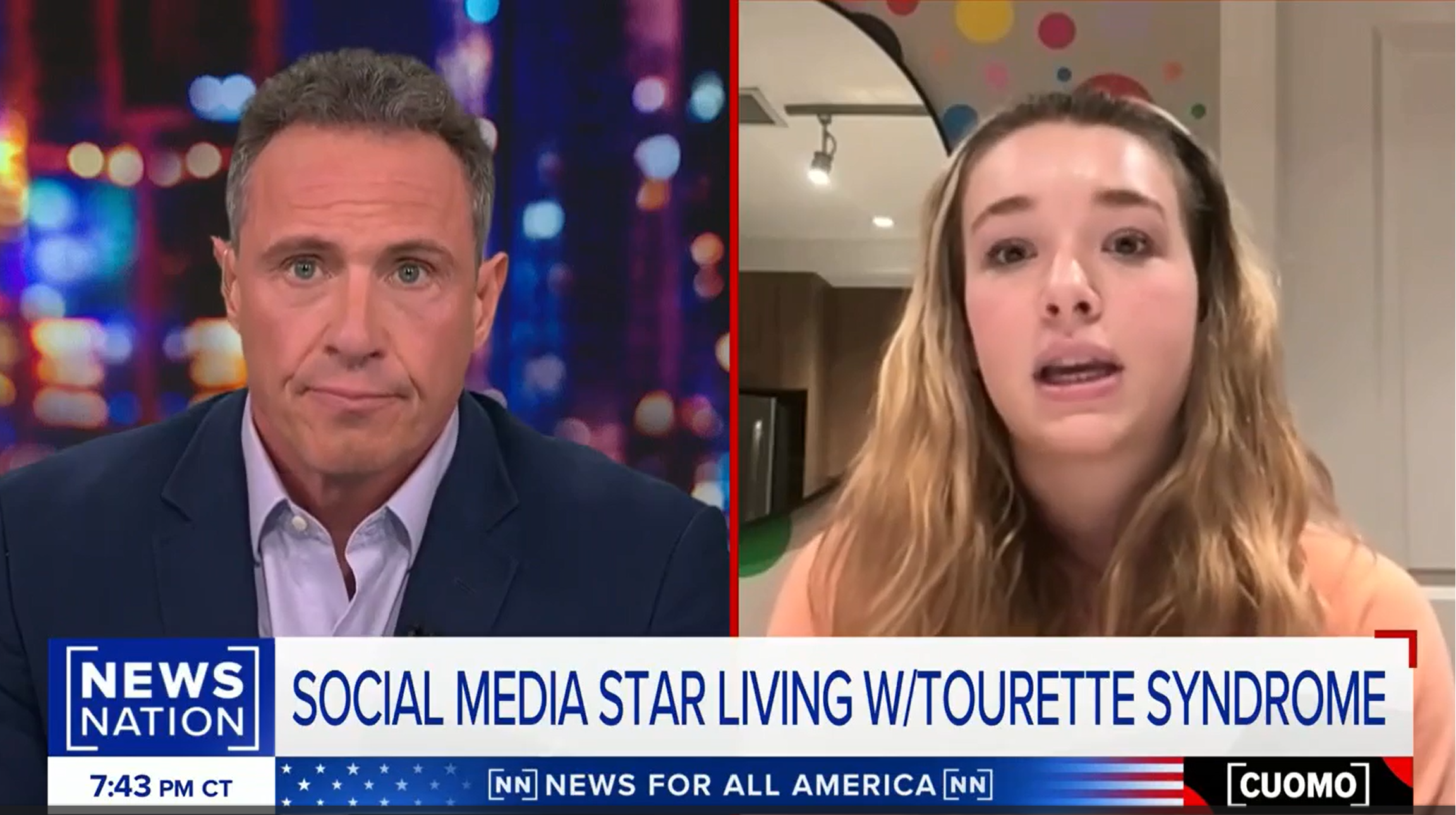
Chris Cuomo erupted with laughter during an interview with TikTok influencer Baylen Dupree, who has Tourette's syndrome. Dupree repeatedly told Cuomo to 'f**k off' and mimicked a British accent, causing Cuomo to struggle to contain his laughter. Despite the tics, Dupree shared her journey with Tourette's and discussed the misconceptions surrounding the disorder. The interview received mixed reactions on social media, with some finding it entertaining while others expressed sympathy for Dupree. Cuomo, who was fired from CNN in December 2021, is currently working for NewsNation.
NewsNation's Chris Cuomo had a conversation with Baylen Dupree, a 20-year-old with Tourette's syndrome, during which she displayed her tics, including cursing and insults. Cuomo treated Dupree with respect and allowed her to share her experiences and raise awareness about the neurological disorder. Dupree emphasized that Tourette's is a neurological, involuntary motor and vocal disorder and that only 10% of people with Tourette's experience cursing. Despite receiving hateful comments, Dupree remains determined to educate others about her condition and pursue a career as a physical therapist.
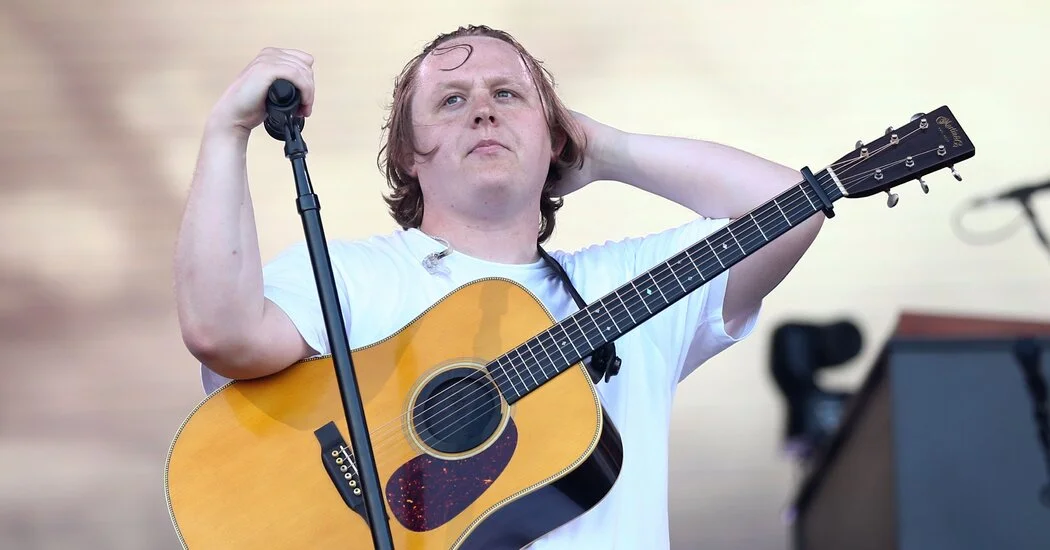
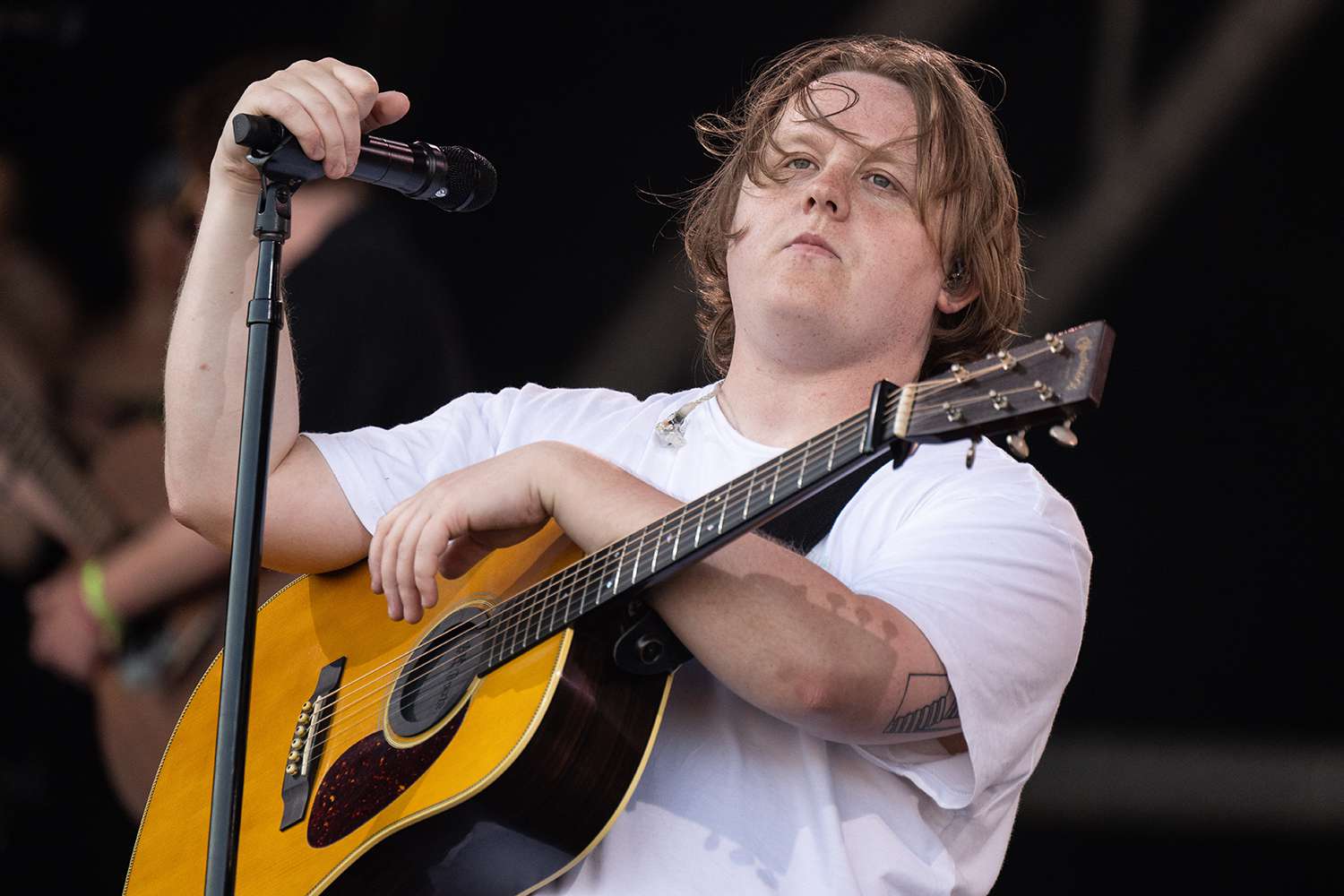
Scottish musician Lewis Capaldi has announced that he will take a break from touring "for the foreseeable future" to adjust to life with Tourette's syndrome, with which he was diagnosed last year. Capaldi lost his voice during a performance at Glastonbury Festival over the weekend and had to enlist the help of the crowd to finish his hit "Someone You Loved." He had canceled shows in the weeks leading up to Glastonbury to rest and recover. Capaldi said he needs to spend more time getting his mental and physical health in order to keep doing everything he loves for a long time to come.
Scottish singer Lewis Capaldi has announced a hiatus from touring due to struggles with Tourette's syndrome. After an emotional performance at Glastonbury, Capaldi revealed that he needs to focus on his mental and physical health in order to continue doing what he loves. He expressed gratitude to his fans for their support and apologized to those who had planned to attend his shows. Capaldi's upcoming performances in Switzerland, Australia, and Asia will be impacted by his hiatus.
Lewis Capaldi lost his voice during an emotional performance at the 2023 Glastonbury Festival, but fans helped him finish the last song in his set. Capaldi, who has been open about his health struggles with Tourette's syndrome and anxiety disorder, thanked the audience for their support and announced that he will be taking more time off to address his health. Despite the setback, the Scottish singer was visibly moved and grateful for the experience, saying "If this is the only time I ever get to experience it, I'm telling you, it's more than enough."