A rare EF5 tornado, the first in over a decade in the US, struck North Dakota in June, with winds over 210 mph, causing significant destruction and marking a rare event on the Enhanced Fujita Scale, which may be influenced by evolving damage assessments.
A rare EF5 tornado with winds over 200 mph was confirmed in North Dakota, marking the first EF5 in the US in 12 years, causing fatalities and extensive damage, including destroyed farmsteads and uprooted trees.
Kentucky Governor Andy Beshear visited Prospect to assess EF-1 tornado damage with wind speeds of 105 mph. The area suffered significant damage, including uprooted trees, ripped-off roofs, and power outages. Beshear urged residents to report damage to county emergency management officials for potential FEMA assistance and warned about scammers. Cleanup efforts are underway, and power is expected to be restored by 10 p.m. The state of emergency remains in place, and officials will assess damage in other counties.
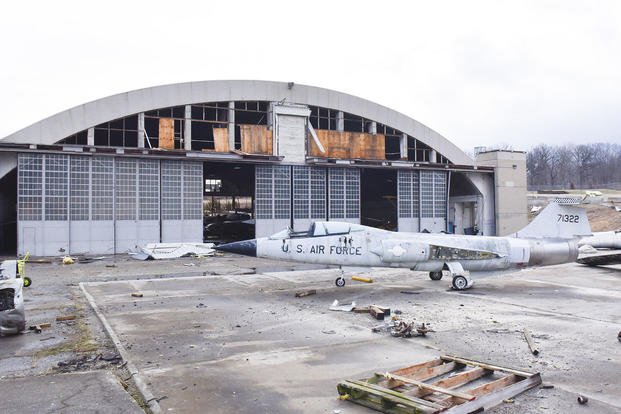
Wright-Patterson Air Force Base in Ohio sustained damage, including a restoration hangar belonging to the National Museum of the U.S. Air Force, in a suspected tornado. Photos show siding and windows torn from hangars and debris strewn across runways, with several damaged aircraft. The base's commander emphasized safety and damage assessment, and while a tornado was confirmed in a nearby county, the National Weather Service is still investigating whether a tornado caused the damage. The Air Force has increasingly explored climate resilience in response to severe weather damage to its installations.
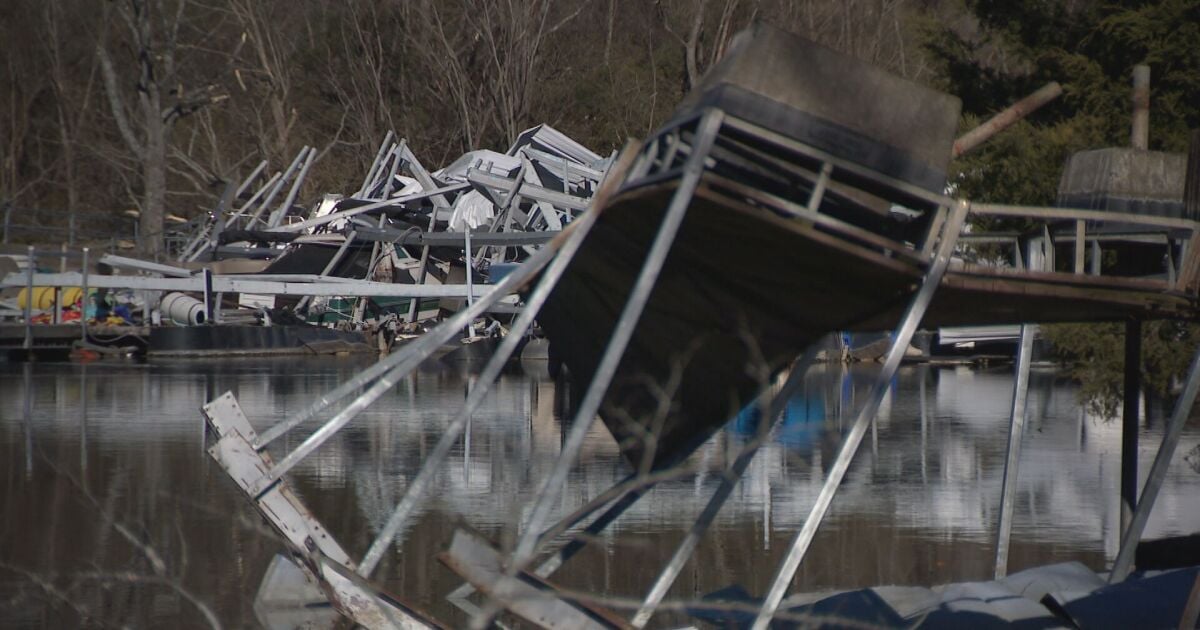
Anchor High Marina in Hendersonville, Tennessee, suffered severe damage from tornadoes, with most of their docks collapsing and several boats sinking. The marina's owner is concerned about losing their slip owners to other marinas during the rebuilding process. However, the marina's restaurant, The Rudder, survived the storm and is now relying on customers to support them, especially since their usual winter tenants will not be returning. Despite the challenges, the owner remains optimistic about the marina's future.
The best news photos from around the world include the children of an imprisoned Iranian human rights activist accepting the Nobel Peace Prize on behalf of their mother, an aerial view of Kuwait City's landmarks piercing through the clouds, a Rohingya Muslim woman reacting on a beach in Indonesia, and the catastrophic damage caused by tornados in Middle Tennessee.
Pfizer is limiting the distribution of certain drugs manufactured at its Rocky Mount, North Carolina plant, which was damaged by a tornado last month. The company listed 12 injection products that will only be distributed through emergency orders due to their high medical need. Some of these drugs were already in short supply, including sodium chloride injection and an injection used to treat metabolic acidosis. Pfizer did not specify the extent of the supply from the damaged plant or whether the new limits will worsen existing shortages. The company urged hospitals to check availability with wholesalers and seek alternatives. Pfizer is still assessing the timeline for restarting production at the plant.
A tornado that struck a Pfizer factory in North Carolina has raised concerns about the vulnerabilities of the drug supply chain. The facility produces numerous hospital drugs, causing panic among hospitals and prompting a rush to stock up on medications. While Pfizer has not disclosed the exact products affected, records indicate that the site manufactures painkillers, anesthetics, naloxone, and vitamin K, among others. The FDA assures that there are substitutes or enough stock in other Pfizer warehouses to minimize disruptions, but a few "backbone" therapies may be affected. The company has limited hoarding and expects the ripple effects to last a few months. The incident highlights the risks climate change poses to drug factories and emphasizes the need for redundancy in the supply chain.
The U.S. FDA does not anticipate significant impacts on drug supply following the tornado damage to a Pfizer facility in North Carolina. The FDA is working with Pfizer to assess the impact and availability of affected products, considering stock in other warehouses and distribution systems. While fewer than 10 drugs may be affected, the FDA has initiated mitigation steps, such as seeking additional sources and asking other manufacturers to ramp up production if needed. Allocation measures may lead to localized supply disruptions, but a resilient drug supply chain is crucial for public health and national security. Pfizer is exploring alternative manufacturing locations to fill production gaps while the damaged site is repaired.
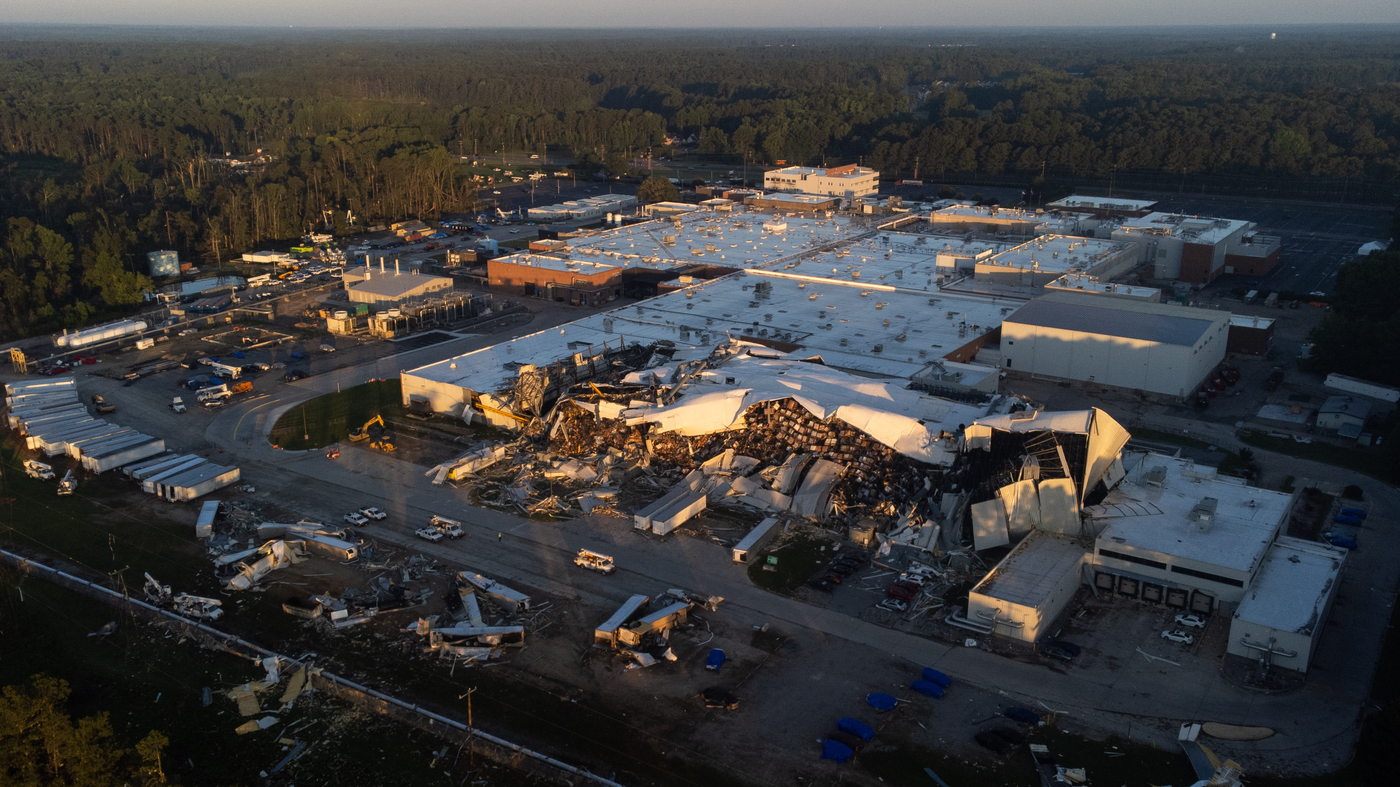
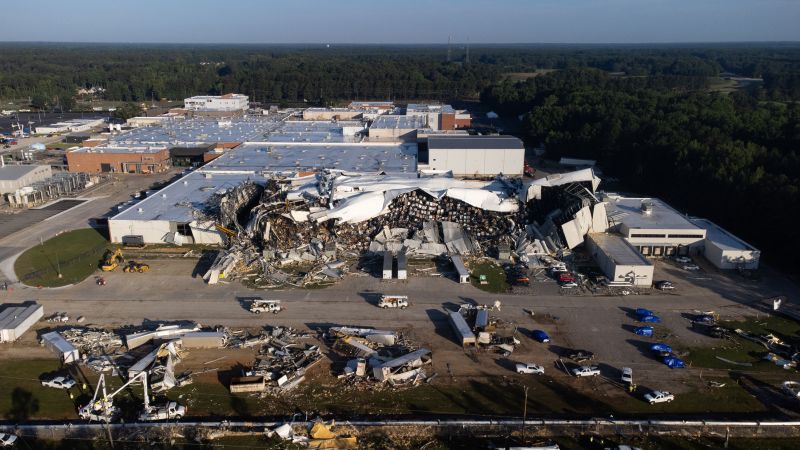
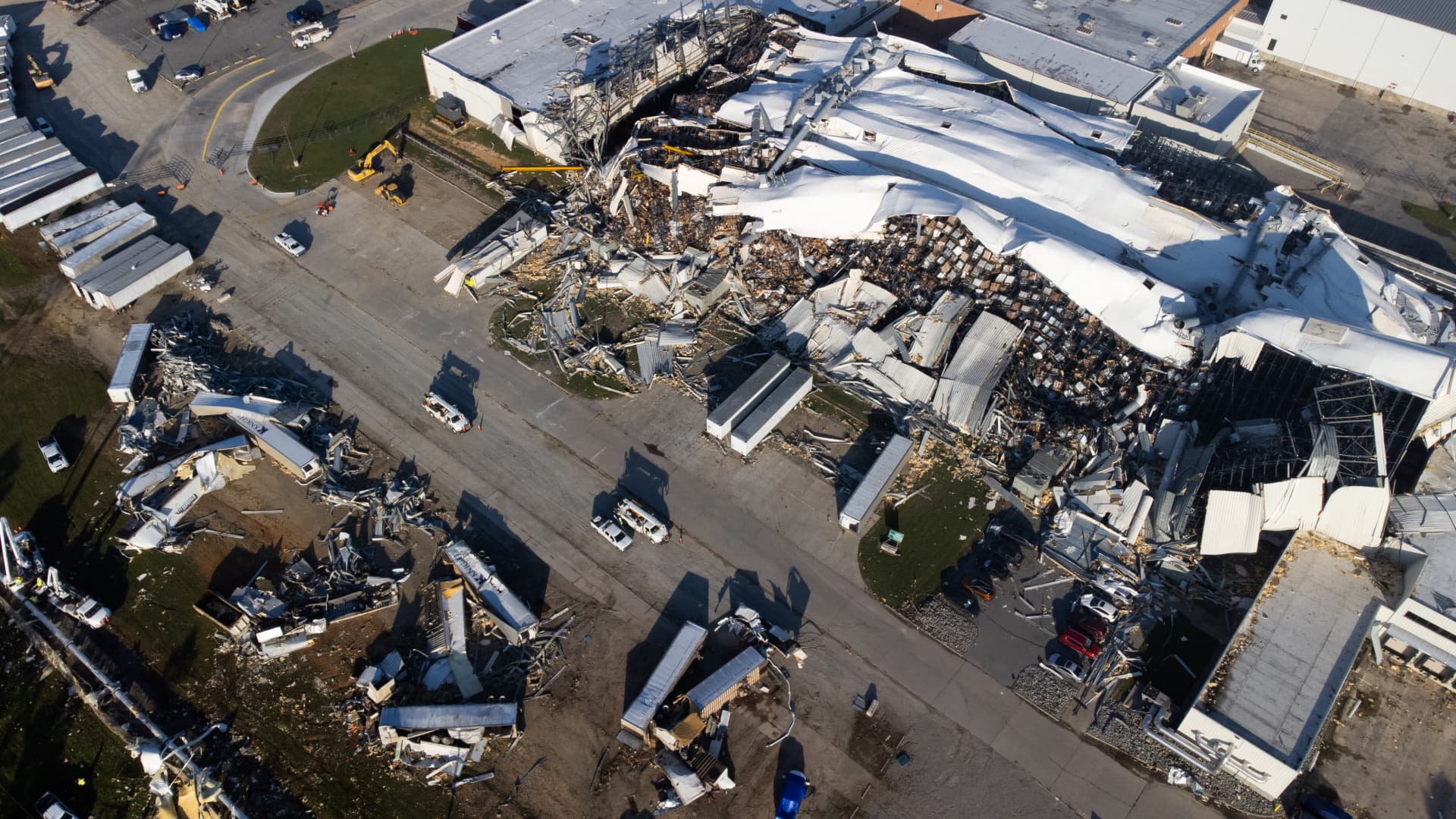
A tornado that struck a Pfizer pharmaceutical plant in North Carolina primarily damaged its storage facility rather than its medicine production areas, according to the company. The FDA stated that the impact on drug supply is unlikely to be significant, as the products are currently in hospitals and the distribution system. Pfizer is working to salvage production equipment and replace lost raw materials, while exploring alternative manufacturing locations. The FDA will conduct a more extensive evaluation of the affected products and the current domestic supply.
Most of the damage caused by a tornado at a Pfizer plant in North Carolina was to a warehouse facility, rather than the areas that produce medicines, according to the drug giant. The plant, which supplies 8% of all sterile injectable medicines used in US hospitals, remains closed while damage is assessed. Pfizer is working to restore full function to the site and minimize supply disruptions, with plans to move products to other nearby sites for storage and explore alternative manufacturing locations. The FDA does not expect immediate significant impacts on supply, but experts are concerned about exacerbating the existing crisis in access to medicines in the US.
Pfizer's drug manufacturing plant in Rocky Mount, North Carolina, has reportedly not suffered major damage to its drug manufacturing areas after being hit by a tornado. The facility supplies nearly 8% of all sterile injectable medicines used in U.S. hospitals and manufactures about 25% of Pfizer's sterile injectables. While a warehouse facility storing raw materials and finished medicines was primarily damaged, it is unclear if this will lead to new drug shortages. The plant is currently closed as authorities assess the damage, and Pfizer is working to move medicine products to nearby sites for storage and identify alternative manufacturing locations.
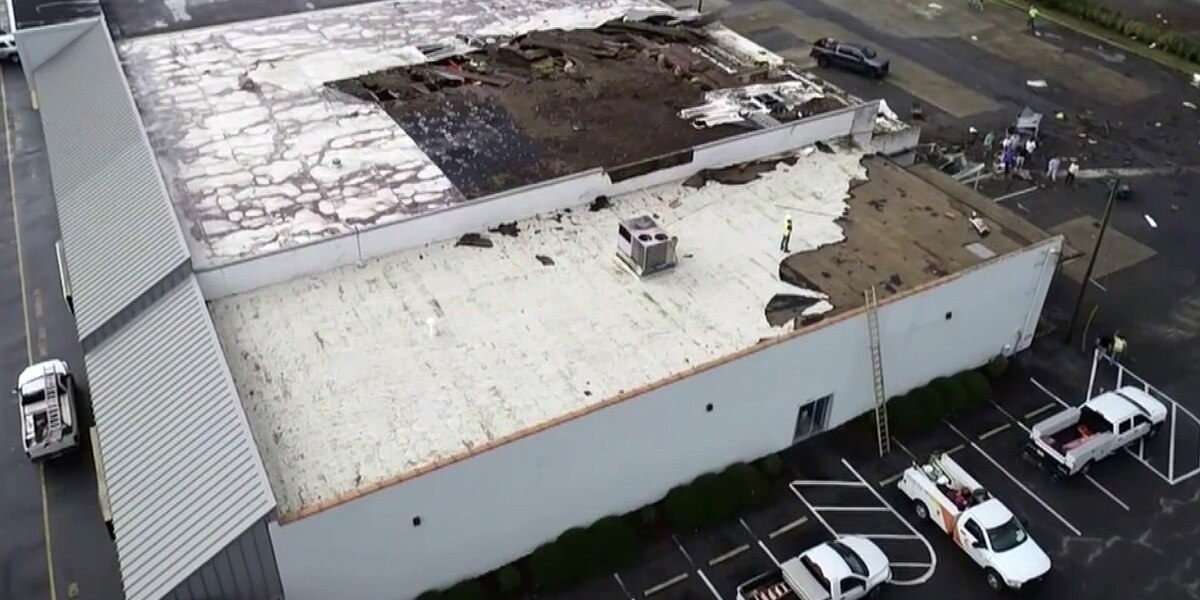
A tornado struck Kinston Plaza in North Carolina, causing damage to several businesses including Furniture Fair, DMV License Plate Agency, Postal Service branch, and Spence Automotive. The DMV is moving to a temporary location and hopes to reopen the plate agency office soon. The post office suffered water damage and should be open next week, while there is no timetable yet for Furniture Fair to reopen. No one was injured in the storm.