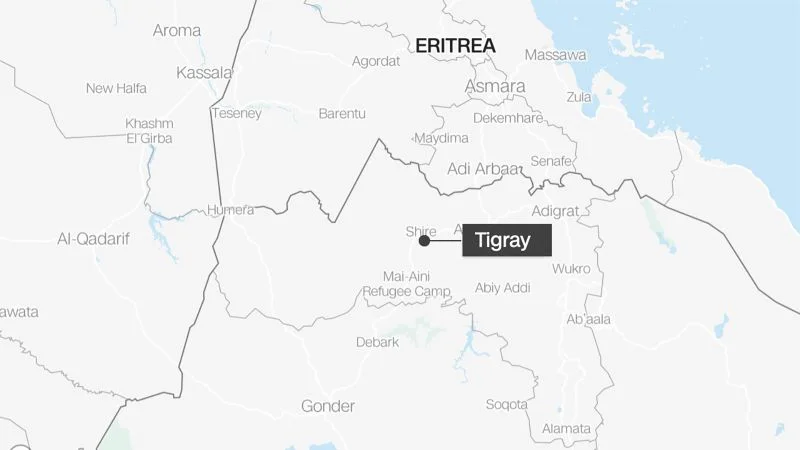
Fears of a renewed conflict in northern Ethiopia are prompting displacement from Tigray, where residents face shortages and rising prices as the Pretoria peace deal frays amid rising tensions with Eritrea and Amhara ahead of June elections, threatening broader regional stability if fighting resumes.
Tigray in northern Ethiopia is bracing for a potential return to war as tensions with the federal government and Eritrea escalate, threatening the fragile peace secured in 2022; accusations of violations by both sides, coupled with military mobilization and drone strikes, have disrupted tourism, farming, and travel, underscoring regional instability and prompting calls for international mediation and restraint.
Fears of renewed fighting in Ethiopia's Tigray region grow as cash shortages, empty shelves, and soaring prices return; after the 2020–2022 war that killed hundreds of thousands, experts warn the conflict could spill over and destabilize the Horn of Africa.
Ethiopian Airlines canceled flights to the Tigray region after clashes between regional and national forces, as residents queued for cash with banks running out of money; despite a 2022 peace pact, disputes over western Tigray and disarmament persist.
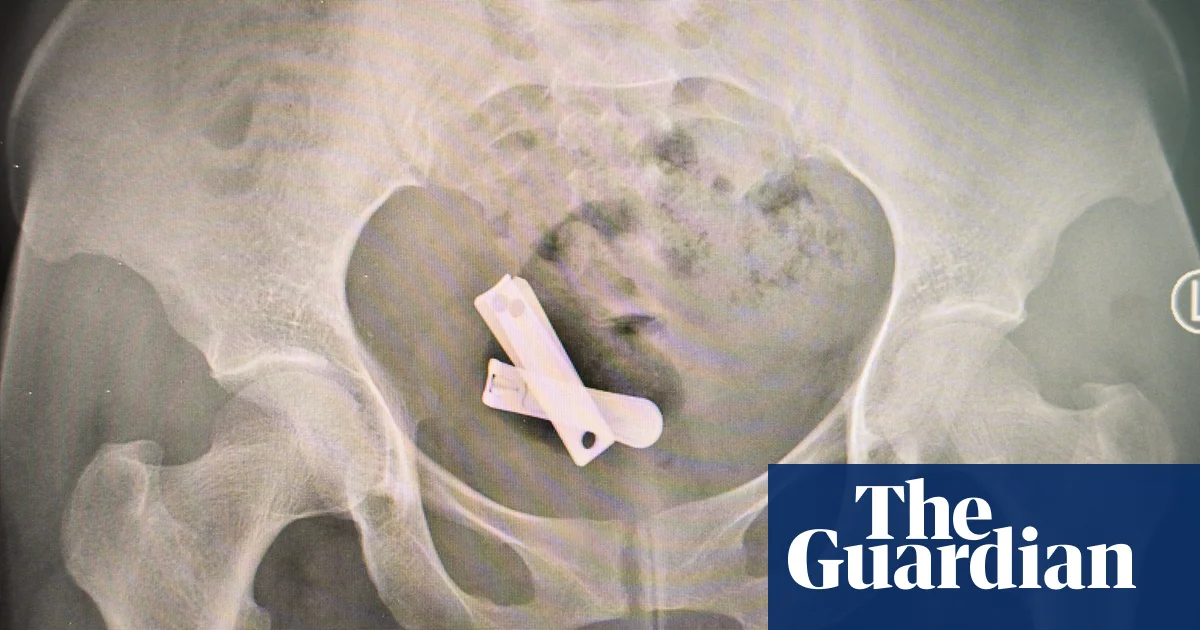
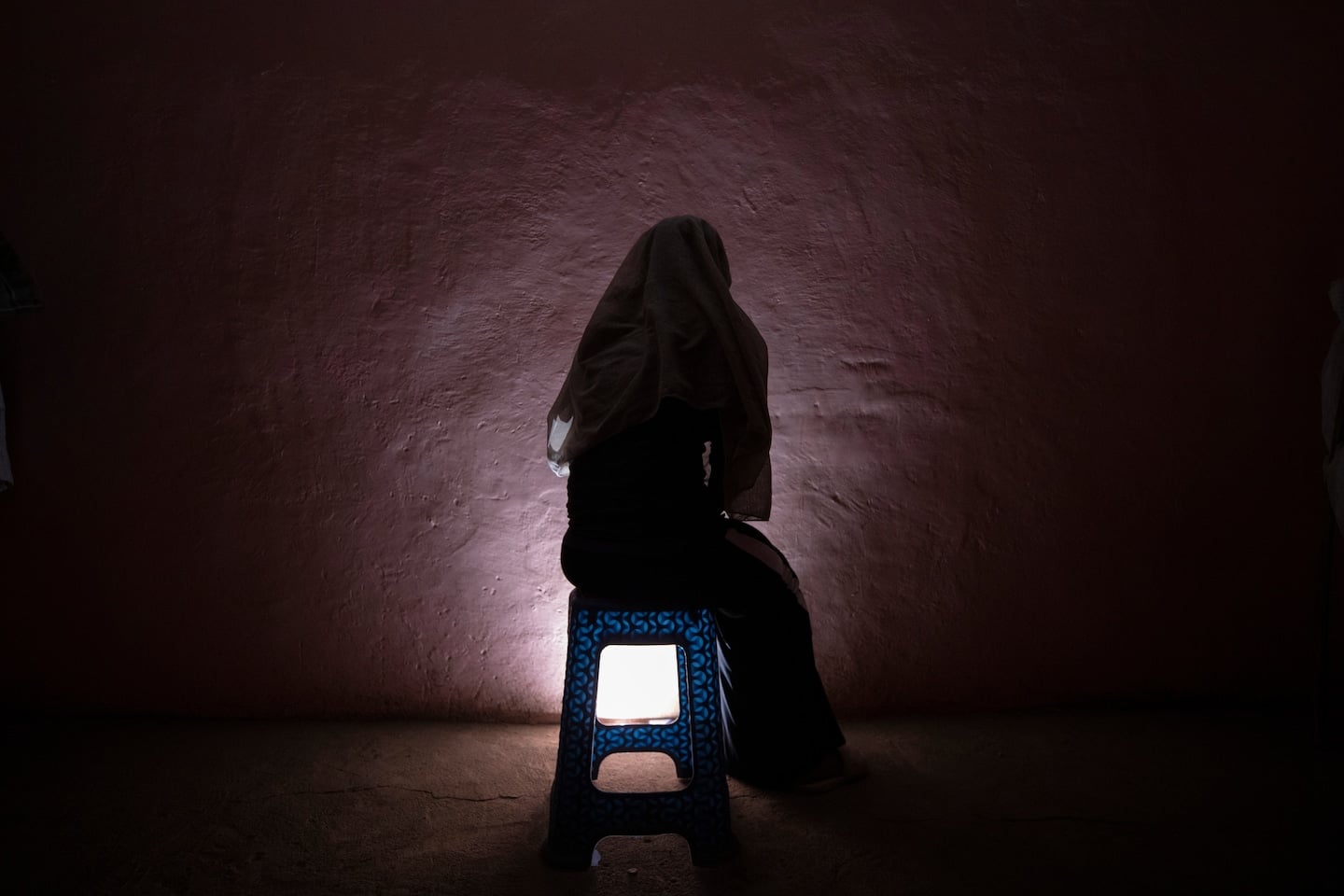
The article details the horrific sexual violence inflicted on women in Tigray during the conflict, including the forced insertion of foreign objects into their reproductive organs by Eritrean and Ethiopian forces, with evidence of systematic abuse and ongoing suffering, highlighting the urgent need for justice and medical aid.
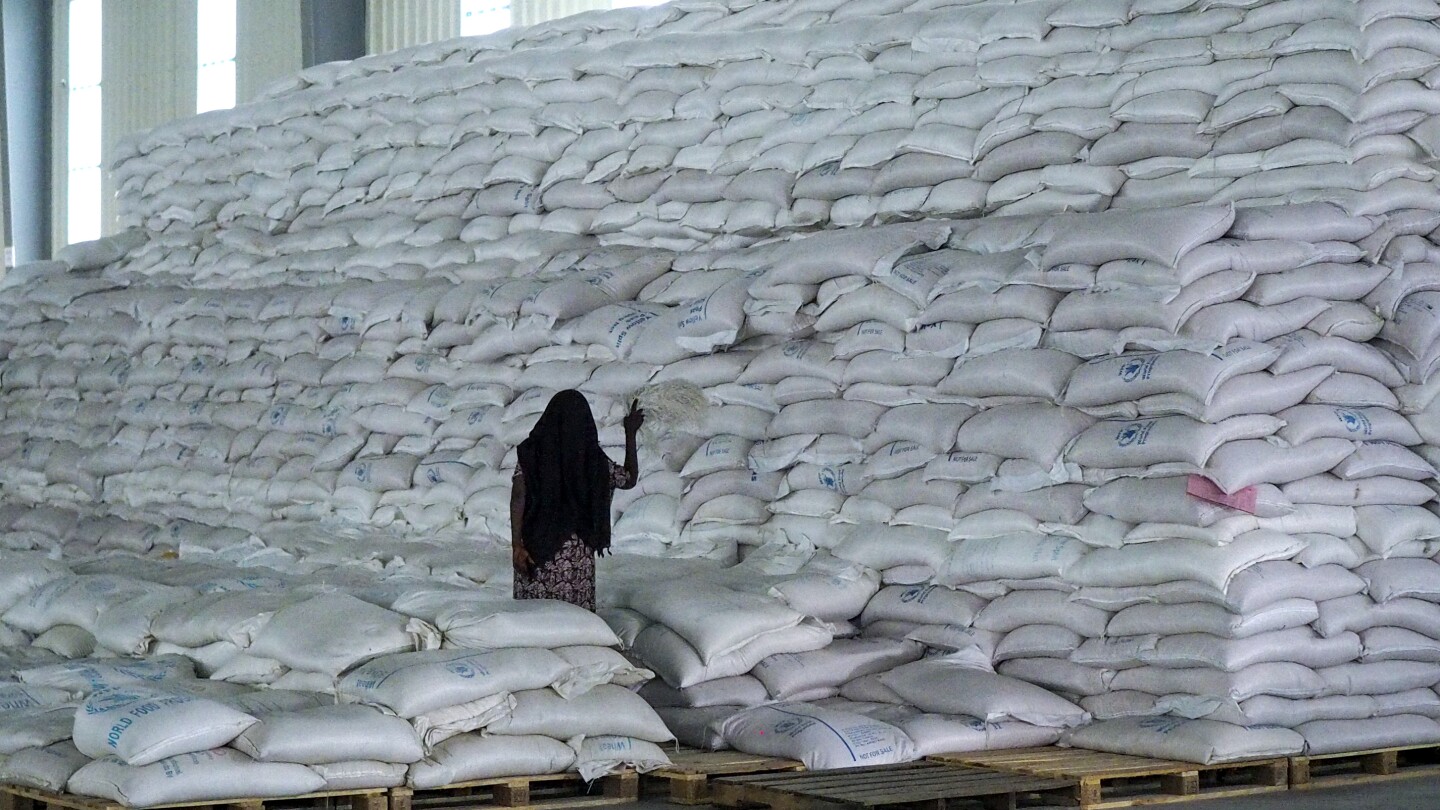
Despite the recent peace in Ethiopia's Tigray region, extreme hunger persists, exacerbated by a two-year war, drought, and aid mismanagement. Nearly 400 people died of starvation in Tigray and neighboring regions in the six months leading to January, with only a fraction of needy people receiving food aid. The poor harvest and persistent insecurity have led to warnings of an "unfolding famine" reminiscent of the 1980s. The lack of food has forced children to beg in nearby towns, and local leaders are struggling to provide assistance, with access to water also becoming a challenge.
Nearly 400 people have died of starvation in Ethiopia's Tigray and Amhara regions in recent months, with millions more in need of food aid due to drought, conflict, and a tanking economy. Only a small fraction of needy people in Tigray are receiving food aid, and the U.N. and the U.S. paused food aid last year after discovering a large-scale scheme to steal humanitarian grain. The aid pause pushed up hunger levels even further, and crisis levels of hunger or worse are expected in northern, southern, and southeastern Ethiopia throughout at least early 2024.
On the first anniversary of the Cessation of Hostilities Agreement (COHA) between the Government of Ethiopia and the Tigray People’s Liberation Front (TPLF), the United States acknowledges the progress made in implementing the agreement, including the establishment of the Tigray Interim Regional Administration and the provision of humanitarian assistance. However, challenges remain, such as the full withdrawal of Eritrean forces and ongoing conflicts in other regions of Ethiopia. The United States expresses its commitment to supporting concrete actions for peace, justice, and accountability, including a comprehensive disarmament program and the implementation of a national transitional justice policy. The US also calls for dialogue to address conflicts in Amhara and Oromia and reaffirms its commitment to a united and prosperous Ethiopia.
One year after the peace agreement was signed between the Ethiopian government and regional forces from Tigray, the Tigray region is slowly recovering from the devastating civil war. The capital city, Mekelle, has returned to normalcy with the resumption of communication, transportation, and commercial activity. However, the humanitarian situation remains critical, with over 1 million internally displaced people and 1.5 million in need of food assistance. International aid organizations are struggling to provide assistance, and there are ongoing reports of atrocities and human rights abuses. Many people in Tigray are demanding the full implementation of the peace agreement, including the withdrawal of foreign forces and the return of displaced citizens.
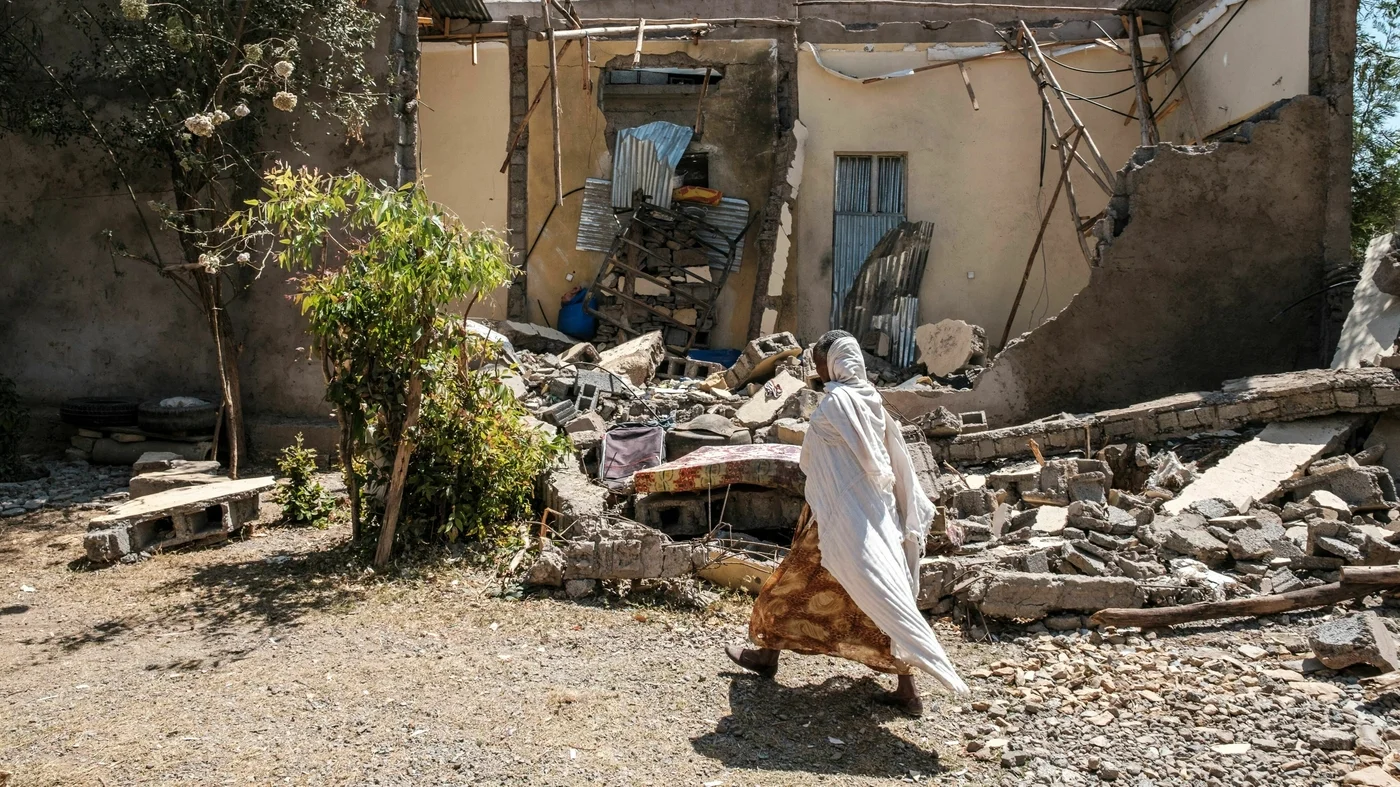
One year after the peace deal in Ethiopia's war-torn Tigray region, the legacy of the two-year conflict is still evident, with infrastructure in ruins, displaced populations, and a worsening humanitarian situation. Many Tigrayans are struggling to rebuild their lives, facing challenges such as lost homes, livelihoods, and family members. The presence of Eritrean troops and the unresolved issue of disputed territory add to the uncertainty. Access to services has improved in some areas, but the majority of Tigray remains dependent on aid, exacerbating the suffering.
Amnesty International has accused the Eritrean Defense Forces (EDF) of committing war crimes and possible crimes against humanity in the Tigray region of Ethiopia. The alleged abuses, which occurred between October 2022 and January 2023, include rape, sexual enslavement, extrajudicial executions, and deprivation of basic necessities. The report focuses on the Kokob Tsibah and Mariam Shewito districts, which were under EDF control until January 19, 2023. Amnesty International calls for accountability and states that the communities in these districts have been irreversibly affected by the violations.
A new report reveals that widespread sexual violence against women and girls continues in northern Ethiopia, even after a ceasefire was declared in November 2020 to end the civil war between the Ethiopian government forces and the Tigray People's Liberation Front. The report documents brutal and horrifying cases of sexual assault, with multiple perpetrators and physical violence often accompanying the attacks. Medical records from health facilities in Tigray show conflict-related sexual violence involving girls and women from ages 8 to 69, with nearly half of the cases occurring after the ceasefire. The groups responsible for the violence are likely associated with the governments of Ethiopia and neighboring Eritrea. Urgent humanitarian aid and support are needed for the survivors, along with efforts for greater accountability and monitoring by international organizations.
The United Nations Human Rights Office has expressed concern over the deteriorating human rights situation in Ethiopia, particularly in the Amhara region. The state of emergency declared in August has led to mass arrests, with over 1,000 people detained, many of whom are young Amhara ethnic origin suspected of supporting the Fano militia. Reports indicate that detainees are being held in improvised detention centers lacking basic amenities. The UN calls on authorities to stop mass arrests, ensure judicial review of detentions, and grant access to oversight bodies. Allegations of ethnic Tigrayans being detained in Western Tigray and human rights violations in Oromia are also of concern. The UN urges prompt investigations and accountability for all human rights violations and abuses in Ethiopia.
Ethiopia, once hailed for its progress under Prime Minister Abiy Ahmed, has descended into one of the deadliest wars of the 21st century. The conflict began in the northern region of Tigray and has since spread to other parts of the country. Ethiopia's history of ethnic and political divisions, as well as economic challenges, contributed to the violence. Abiy Ahmed's efforts to centralize power and build a single Ethiopian identity led to a war against the Tigrayans, resulting in widespread atrocities. The situation remains complex, with ongoing violence targeting other ethnic groups and peace remaining elusive.
A report by Physicians for Human Rights and the Organization for Justice and Accountability in the Horn of Africa reveals that sexual violence against women by Eritrean and Ethiopian forces continues in the Tigray region of Ethiopia, almost a year after the peace agreement was signed. The study examined 304 medical records and found "widespread and systematic conflict-related sexual violence" against civilians, with nearly half of the cases occurring after the peace agreement. Survivors identified their attackers as belonging to Eritrean or Ethiopian armed forces. The report highlights the long-term consequences for survivors, including physical injuries, mental conditions, unwanted pregnancies, and the transmission of HIV. The Ethiopian government has not responded to the report, and there are concerns about the lack of international attention and monitoring of the situation.