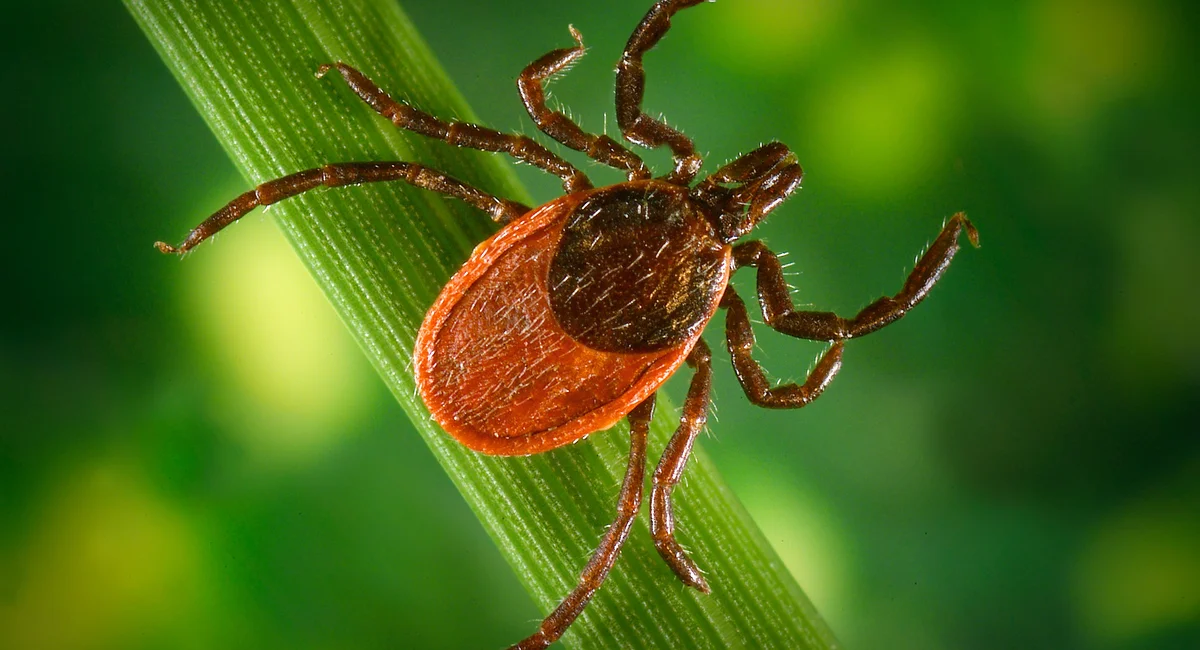
Cottontail rabbits in Colorado are developing horn-like warts caused by papillomavirus, likely spread by ticks, amid an unusually active tick season. The growths are generally harmless but could affect the rabbits' ability to eat, and the virus does not pose a risk to humans or pets.
Public health officials are investigating a possible case of Powassan virus on Martha's Vineyard, marking a rare occurrence with only one previous case in 20 years, amidst a surge in tick-borne diseases during a severe tick season in New England.
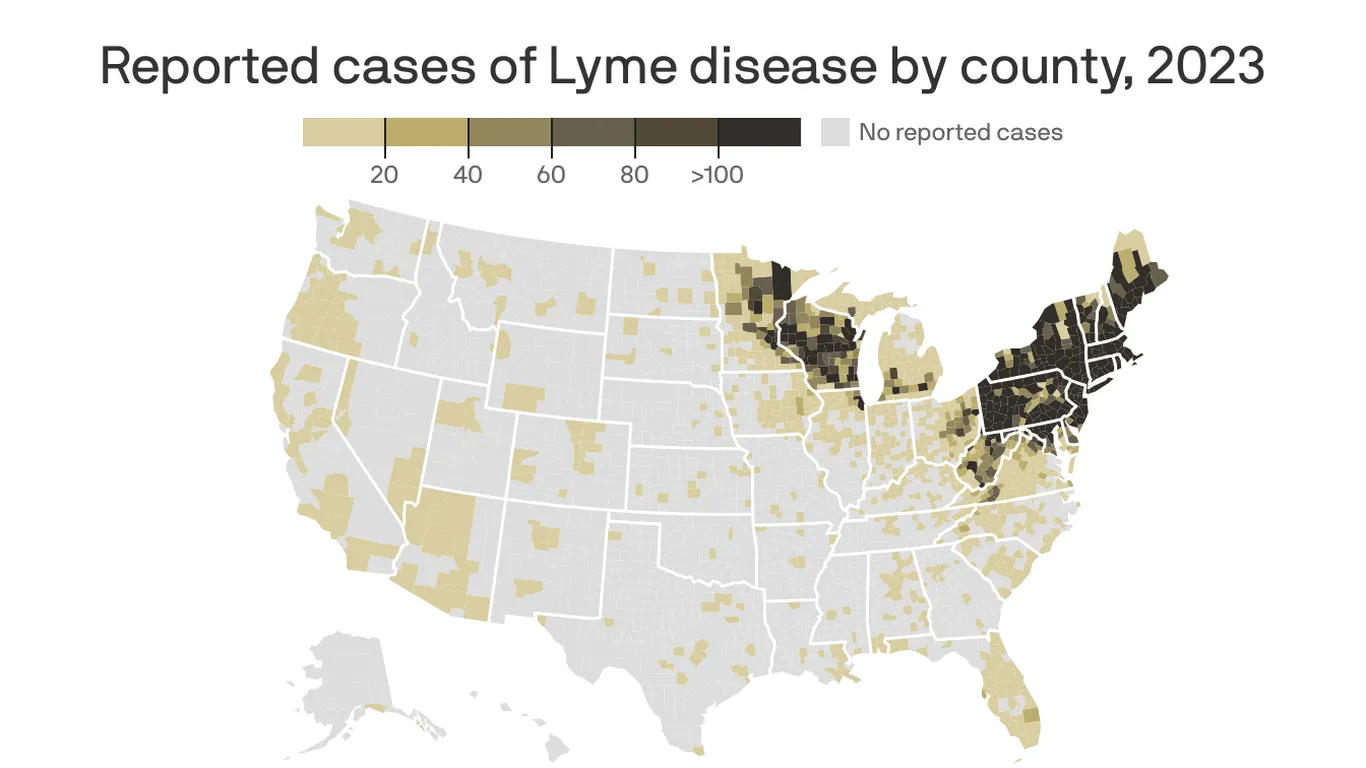
Justin Timberlake's recent Lyme disease diagnosis highlights the importance of awareness and prevention during peak tick season (April-October), as the disease can cause serious long-term health issues if untreated. With over 89,000 reported cases in 2023 but an estimated 476,000 actual diagnoses annually, early detection and proper tick removal are crucial. Preventive measures include wearing white clothing, checking for ticks, and seeking medical attention if symptoms appear.
Health officials in Hunterdon County, New Jersey, warn residents about the peak tick season, with increased activity of deer ticks and rising cases of tick-borne illnesses like Lyme disease, urging precautions such as using insect repellent, checking for ticks, and showering after outdoor activities.
Lyme disease cases are rising in North Carolina, with health officials noting a significant increase in tick-borne diseases. Early treatment is crucial to prevent severe long-term effects. Residents are advised to take preventive measures such as using repellents, wearing protective clothing, and performing tick checks after outdoor activities.
Northern Michigan is experiencing an increase in tick cases due to a mild winter, which has led to an early and potentially more severe tick season. Dr. Jon Alterie and entomologist Nathaniel Walton emphasize the importance of thorough tick checks and prompt medical attention if a tick is found embedded in the skin, as ticks can transmit various diseases, including Lyme disease.
As spring approaches, experts in Vermont are monitoring the tick population, which has seen a recent increase. Veterinarians are observing a rise in tick-related illnesses in horses, with the spring peak expected in the next two months. Biology professor David Allen tracks tick populations, noting fluctuations and lower numbers at higher elevations. To prevent tick-borne diseases, people are advised to avoid tick habitats, wear protective clothing, use repellent, and check their pets regularly.
As fall approaches, experts warn about the increased risk of tick bites and Lyme disease. Tick season in the US typically runs from August to November, with northern areas being at the highest risk. Activities such as hiking and hunting in wooded areas pose a greater risk, while fields and orchards have a lower risk. To avoid tick bites, it is recommended to avoid woodland areas, wear insect repellent, and perform tick checks after being outdoors. If bitten, it is important to carefully remove the tick and monitor for symptoms of Lyme disease, which can be treated with antibiotics. Pets can also be protected with tick-repellant collars and vaccines.
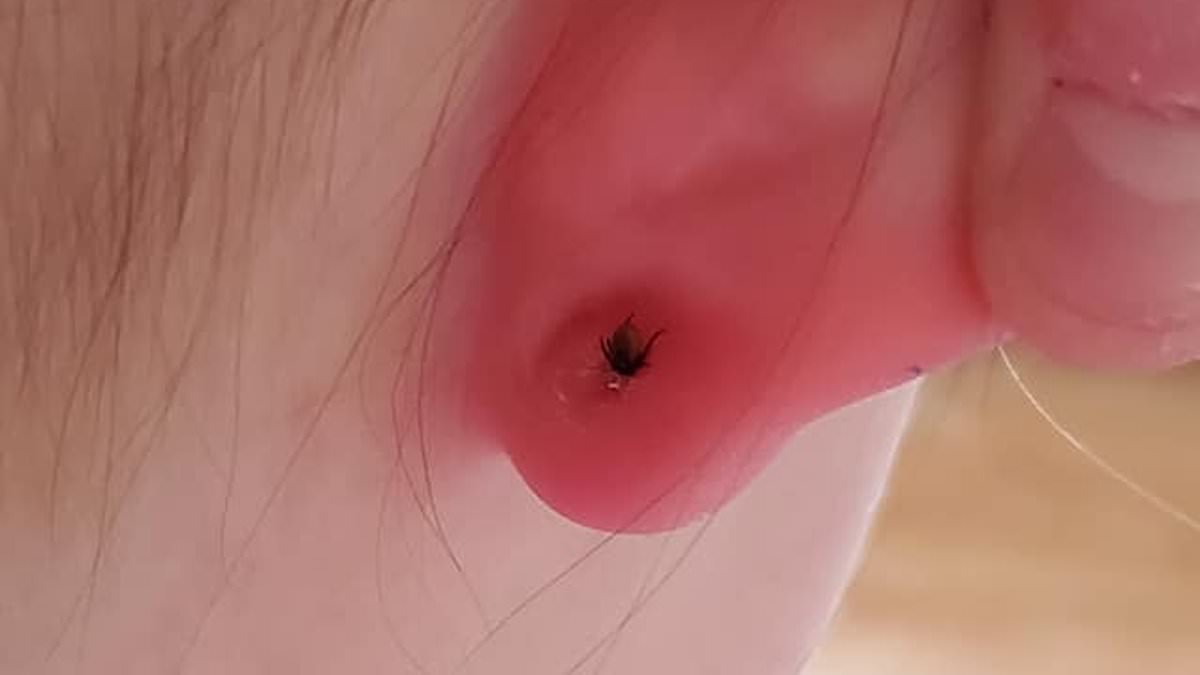
A mother is warning parents to thoroughly check their children's skin for ticks after discovering one behind her daughter's earring. Ticks can be found in various places and can cause tick paralysis, tick typhus, and severe allergic reactions. It is important to be vigilant during tick season, especially in warmer months. Tick bites may go unnoticed at first due to their small size and anesthetic properties. Experts recommend freezing the area with an ether-containing spray before removing the tick to avoid allergic reactions and the risk of developing mammalian meat allergy.
Doctors in Oregon are warning about the increased risk of disease from insect bites, as they have seen a rise in patients with bug bites. Tick populations are on the rise, with ticks preferring areas where the skin creases, such as elbows, behind the knees, behind ears, armpits, and hair. Mosquito populations could be five times greater this year in Multnomah County. Changes in climate may be contributing to the increase in bug populations. Lyme disease, carried by certain species of ticks, is a risk in Oregon, but if a tick is removed within 12 to 24 hours, the chances of contracting Lyme disease are low. Symptoms such as rashes, swelling, and fever should be monitored and medical care sought if they persist.
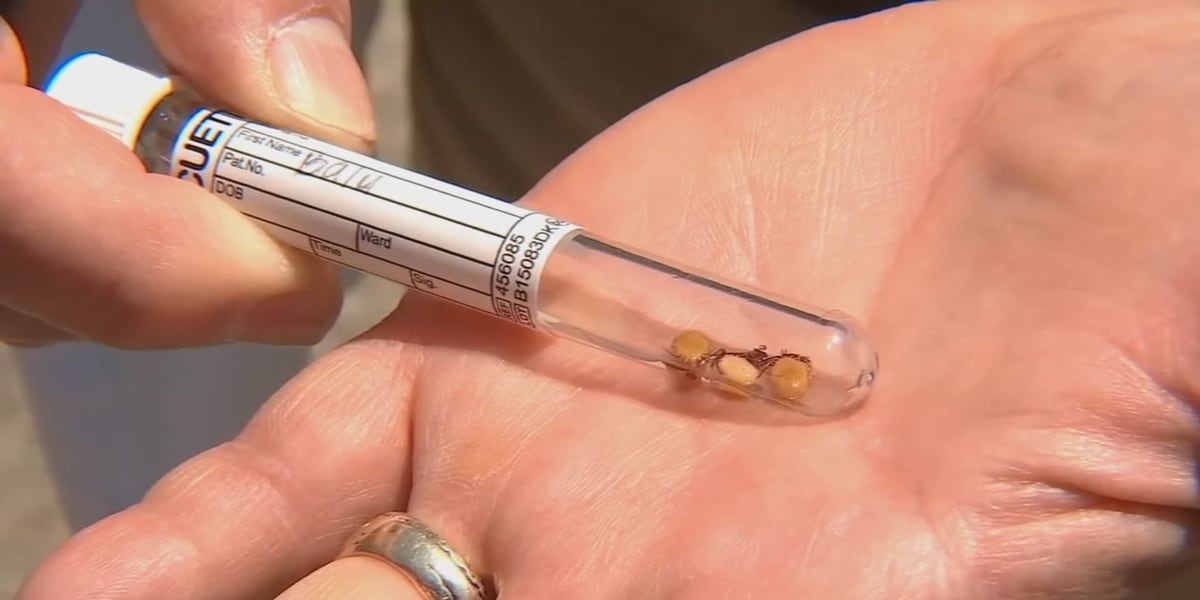
A local man from Toledo, Ohio, is urging the public to be vigilant during tick season after losing five toes to a tick bite. Tim Rosebrook discovered a tick between his toes after a fishing trip last July, which later caused a severe infection. Despite the risk of a below-the-knee amputation, doctors were able to reconstruct some veins in his leg, ultimately saving his foot. Rosebrook and his doctor emphasize the importance of paying attention to one's body and seeking prompt medical attention, especially for individuals with risk factors such as diabetes, high cholesterol, smoking, or heart disease.
A study from the University of Texas has found that smoking marijuana excessively can lead to major surgery complications, including blood clots, strokes, kidney issues, and even death. People with cannabis use disorder were found to be about 8% more at risk compared to others. Meanwhile, experts suggest that the tick season has likely peaked, but caution against rising tick-borne disease cases and emphasize the importance of taking precautions.
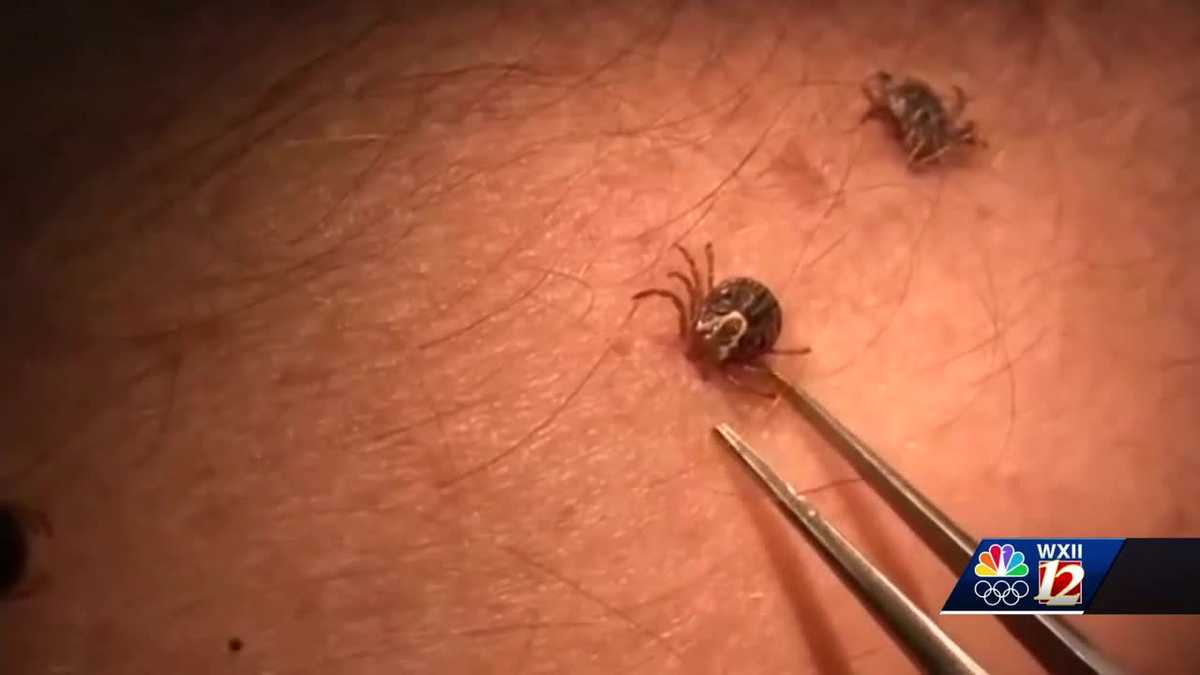
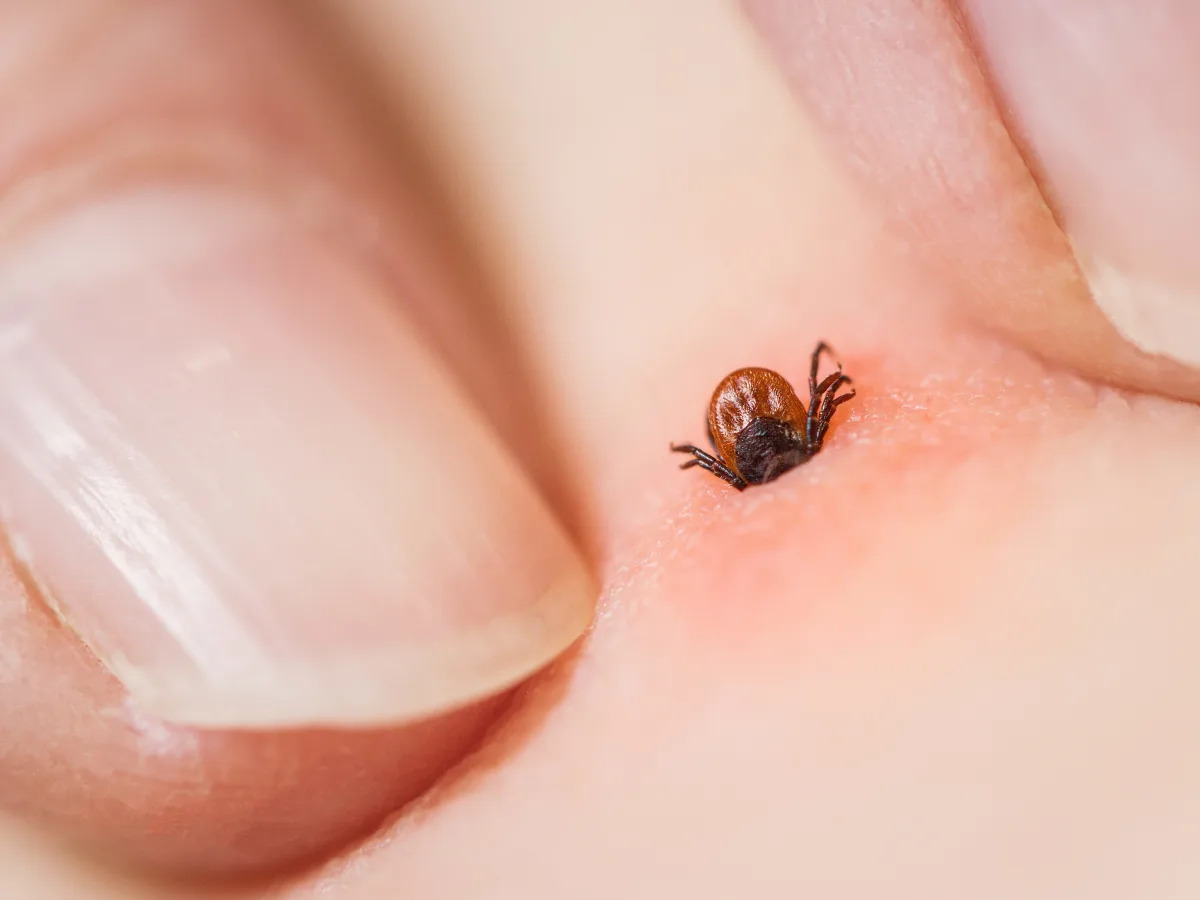
A nurse has warned against removing ticks with your fingers, as it can cause the tick to regurgitate its stomach contents into your body, increasing the risk of infection. The proper way to remove a tick is by using fine-tipped tweezers to grasp it as close to the skin's surface as possible and pulling upwards steadily. Folklore remedies like burning the tick or suffocating it with petroleum jelly are risky. Ticks can spread diseases including Lyme, so it's important to get checked out if you develop a rash or fever after a tick bite.
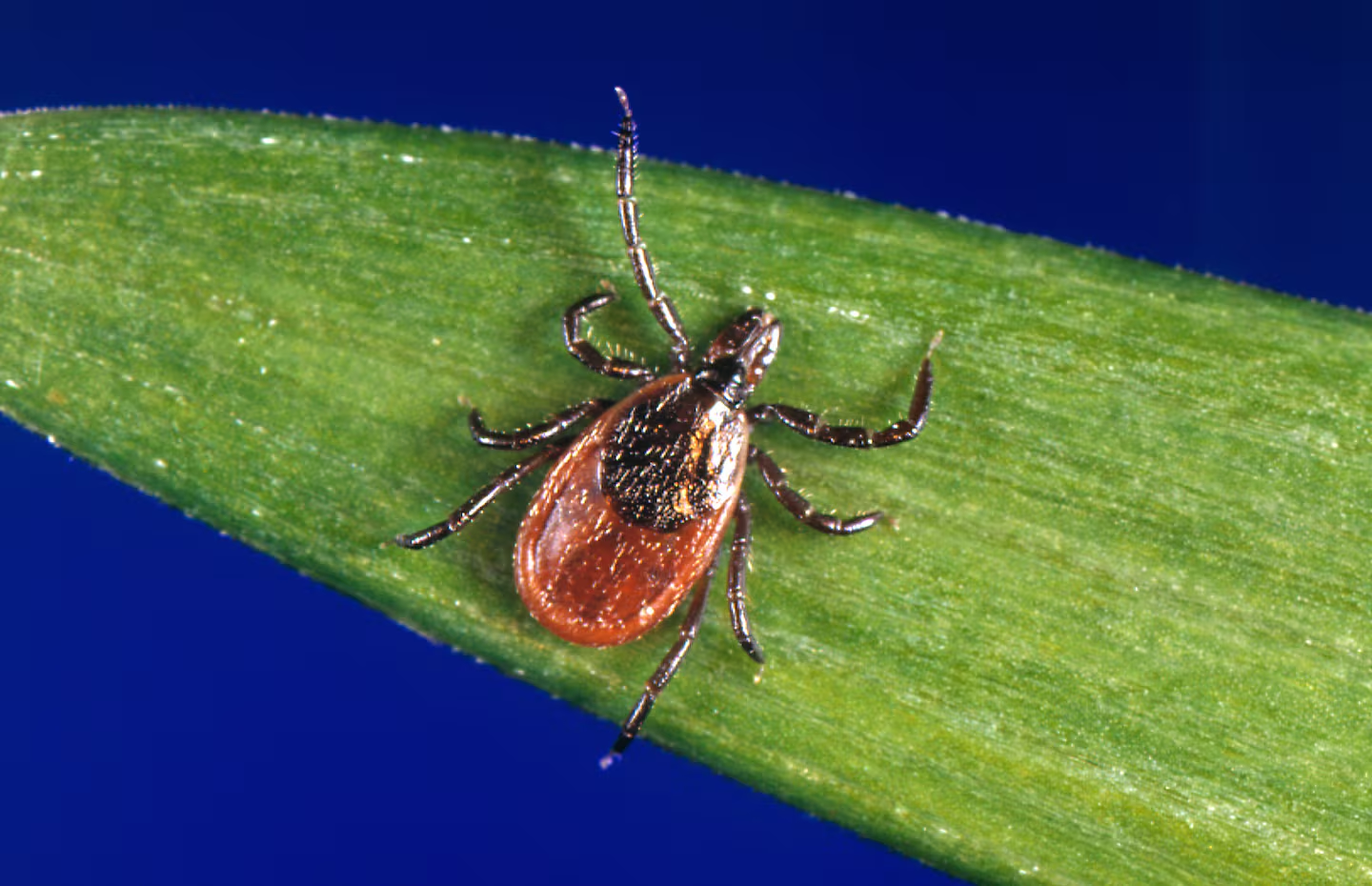
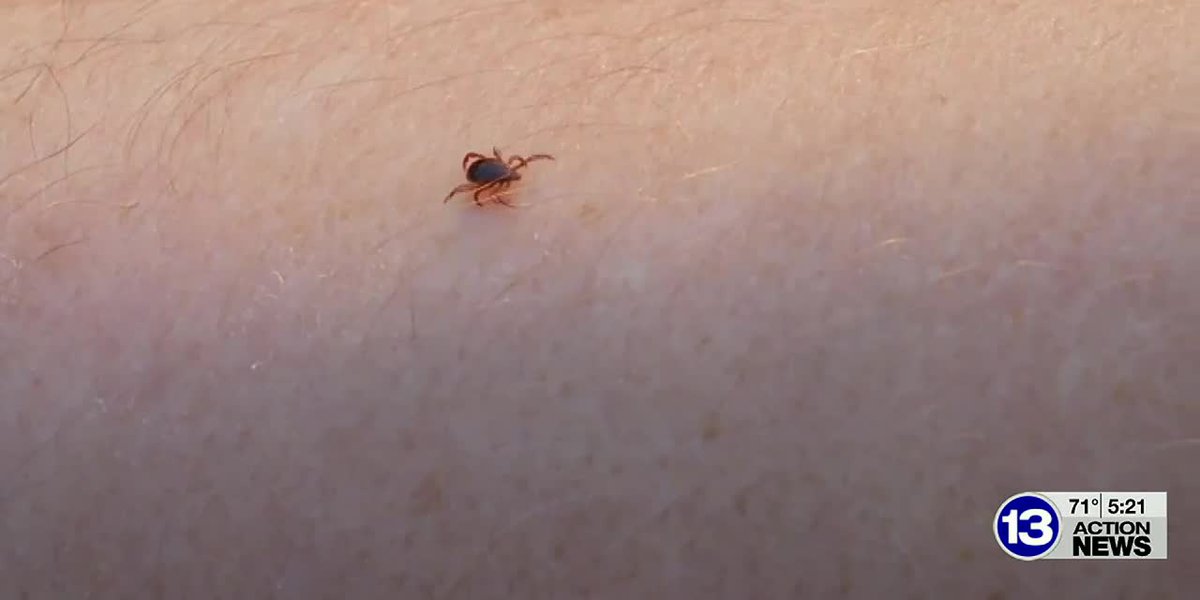
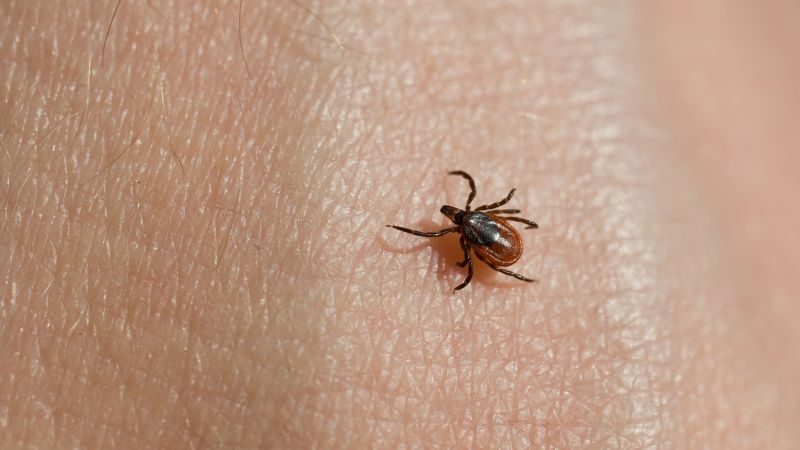
Tick-borne diseases, particularly Lyme disease, are on the rise in the United States as the country experiences an especially bad tick season, with diagnoses of Lyme disease 17% higher than the previous year. The peak of tick season is falling just before the Fourth of July holiday, and experts are urging people to take personal precautions to protect against tick bites. The blacklegged tick, also known as the deer tick, is the primary carrier of Lyme disease and other pathogens. Factors such as expanding tick habitats, changing human habitats, and warmer weather are contributing to the increased risk of tick-borne diseases. Increased awareness and vigilance are crucial in controlling the spread of tick-borne illnesses, as ticks are difficult to control due to their widespread nature.
Health officials are warning New Yorkers to be vigilant about checking their bodies for ticks while still outside due to the rise of Powassan virus, a rare but serious infection that can cause brain inflammation. Tick season got off to an early start in the Northeast, likely driven by the mild temperatures, and it's hard to predict if the rest of 2023 will be worse compared to past years. People are advised to use repellent, wear long sleeves and pants, and stay away from brush to avoid ticks. Pet owners should also consult veterinarians on prevention steps for their dogs and cats.