Digging a hole straight through the Earth is impossible due to the molten and liquid layers, but in a hypothetical scenario, jumping into such a hole would result in death from various factors. The first would be the extreme temperature, with the deepest humans have ever drilled reaching 180°C (356°F) at just 12 kilometers down. The second would be the massive increase in pressure, as the air would become highly pressurized and compressed. Additionally, if the pressure gets too high, it would likely evacuate all the air from the surface, killing most life forms. Finally, if the hole is not aligned with the Earth's axis of rotation, the rotational acceleration would cause the person to drift into the walls at high speed, resulting in injury or death.
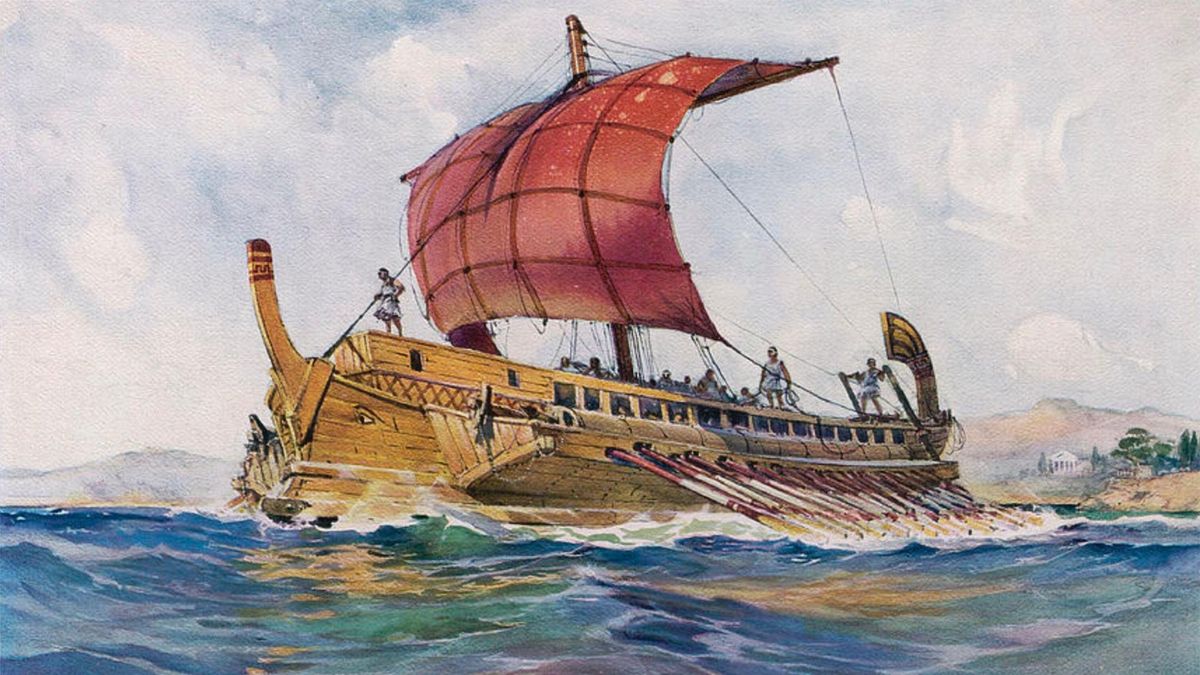
The Ship of Theseus thought experiment raises questions about the material composition of objects and the nature of time. Philosophers must deal with conundrums such as whether two things can occupy the same place at the same time, how parts relate to a whole, and how to think about the nature of time. The question itself assumes a particular ontology, or theory of being. The ship of Theseus can also be seen as a metaphor for the self: "If we change, are we a different person?"
Schrödinger's Cat is a famous thought experiment that highlights the apparent consequence of quantum theory that before you open the box, the cat is both alive and dead at the same time. This comes down to the principle of uncertainty in quantum mechanics, where there seems to be a fundamental uncertainty built into the nature of reality. Superposition is a real phenomenon in quantum mechanics, and sometimes we can even use it to our advantage. Whether this conclusion is actually absurd is an open question, but applications of quantum theory are already bringing us incredible technological advances, like quantum computers.
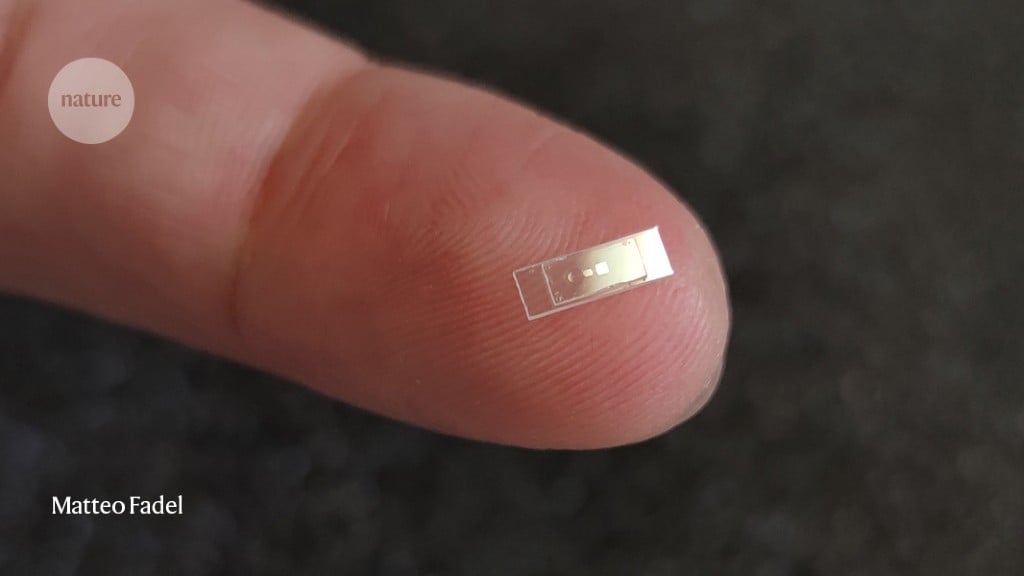
Physicists have used a device that includes a vibrating sapphire crystal to demonstrate that even objects larger than atoms can be in a superposition, confirming the famous Schrödinger's cat thought experiment. The experiment shows that an object can be in two simultaneous vibrating states, just like the cat that is both dead and alive in the thought experiment.