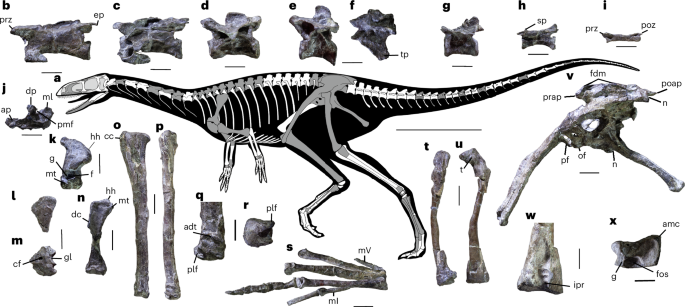
The study reports a Carnian theropod with unexpectedly derived features, shedding light on early dinosaur evolution during the first radiation, supported by comprehensive phylogenetic and paleoenvironmental analyses.
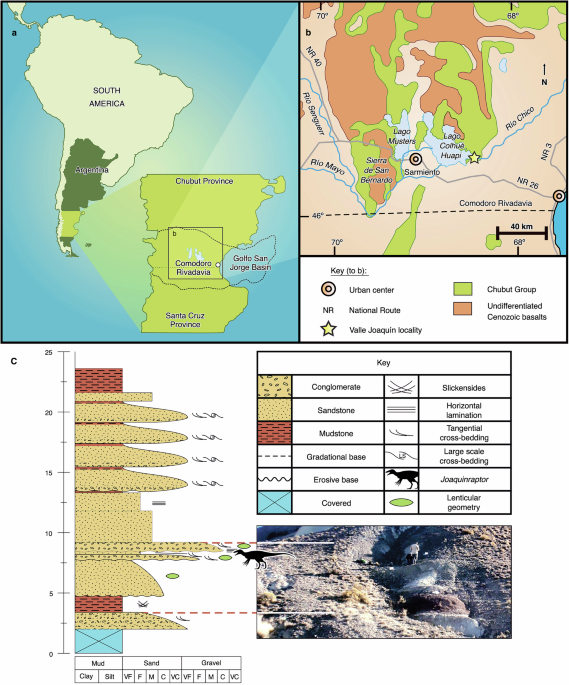
A new Maastrichtian megaraptorid dinosaur from Patagonia, Joaquinraptor casali, provides significant insights into megaraptoran morphology, phylogeny, and paleobiology, representing one of the youngest and most complete specimens of its group, and shedding light on their evolutionary relationships and biology.
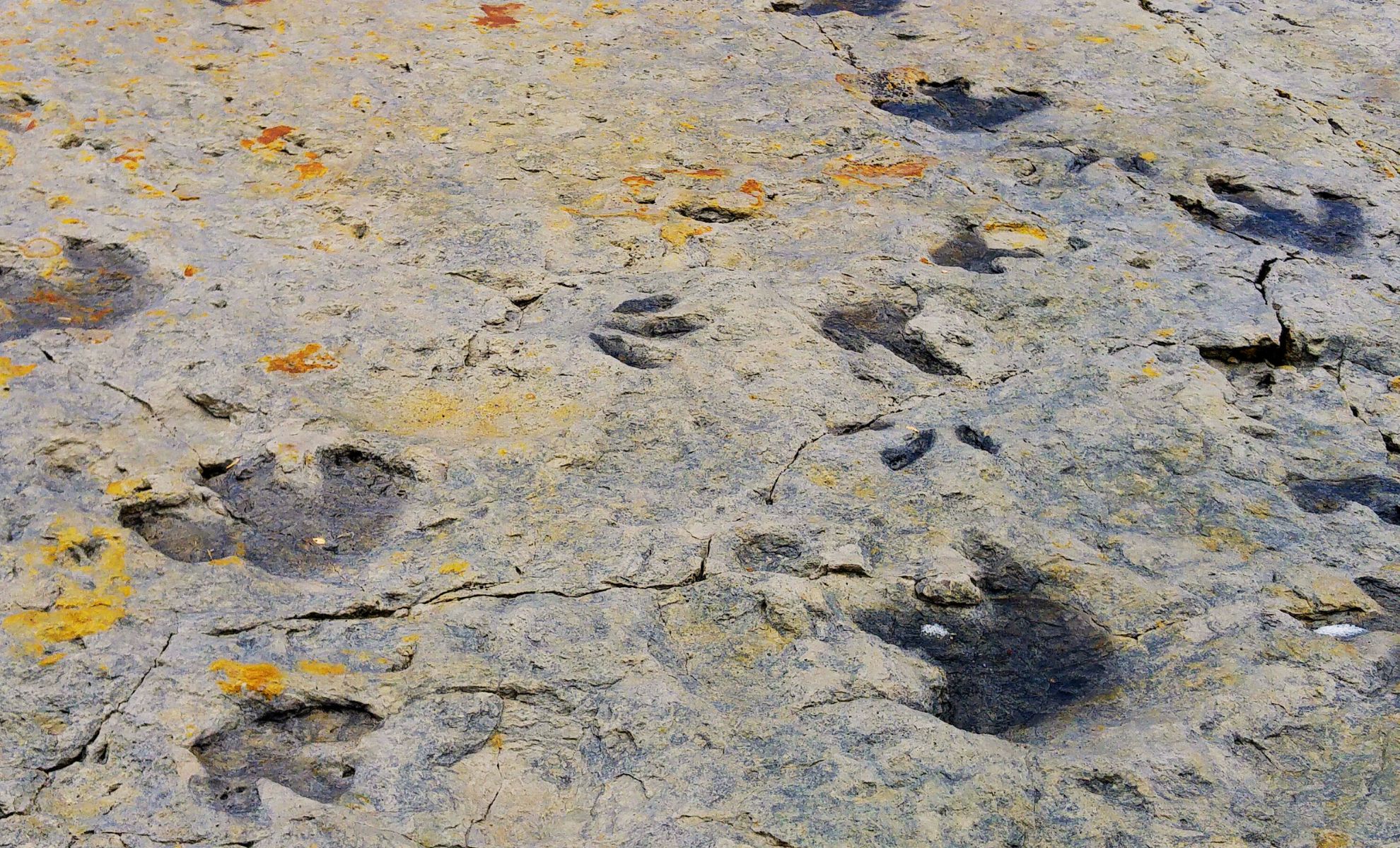
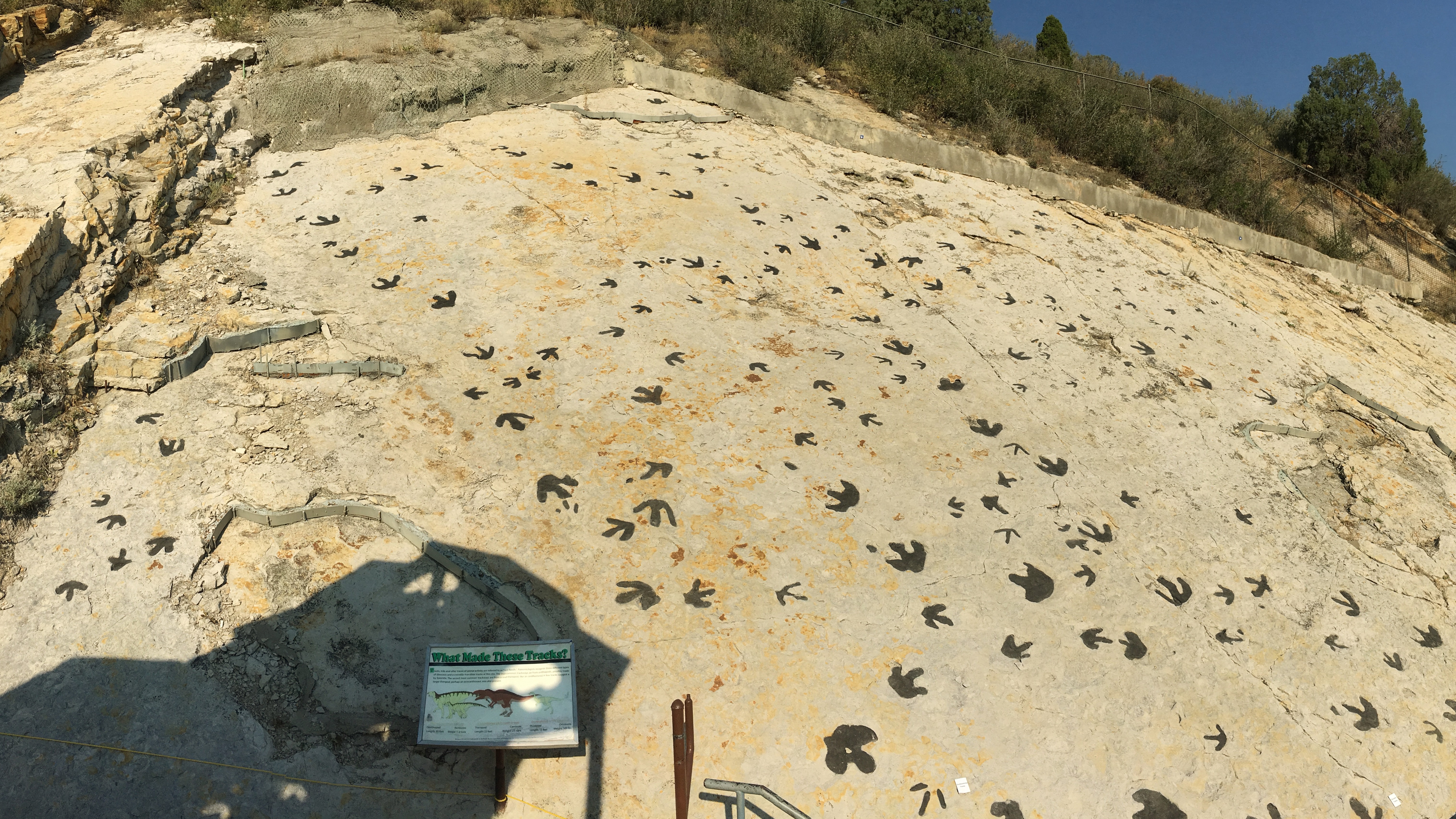
Scientists discovered evidence of a unique dinosaur courtship ritual involving 'moonwalk'-like movements at Dinosaur Ridge, Colorado, revealing complex social behaviors and lekking displays similar to modern birds, dating back around 100 million years.
Researchers discovered fossilized mating display scrapes at Dinosaur Ridge in Colorado, suggesting that around 100 million years ago, small theropod dinosaurs, possibly similar in size to an ostrich, used the site as a lek to attract mates by performing dance-like movements, including a moonwalk-like motion, during the Cretaceous period.
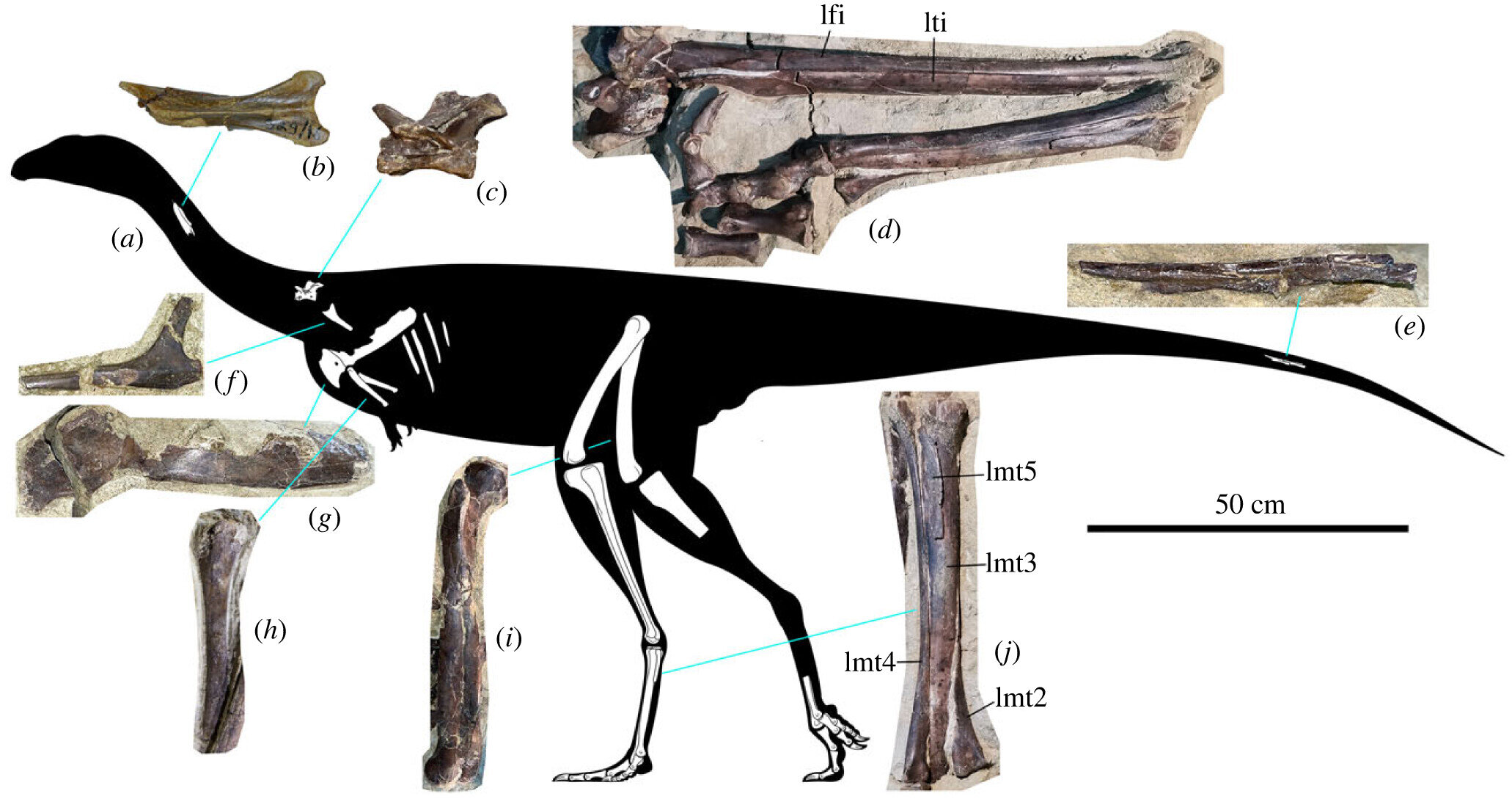
Researchers in Russia have discovered a new species of theropod dinosaur, Kiyacursor longipes, from a partial skeleton found in Siberia. The fossil, approximately 113 to 121 million years old, reveals unique hind-limb proportions and ostrich-like feet, extending the range of Ceratosauria in Asia by 40 million years. The findings were published in the Proceedings of the Royal Society B: Biological Sciences.
A new species of theropod dinosaur, Migmanychion laiyang, has been discovered in China after the discovery of a fossilized hand, partial ribcage, and limb. The fossils are believed to be 121 million years old and come from the Maniraptora family, an early ancestor to birds. The unique structure of the fossils has led researchers to believe that this is a never-before-discovered species.
A new species of theropod dinosaur, Migmanychion laiyang, has been discovered in Inner Mongolia, China. The fossil, which includes a complete hand, some ribs, and part of a limb, is thought to be around 121 million years old and is part of the coelurosaurian clade Maniraptora. The structure of the hand is different from all other known species of theropod, giving rise to the question of where this new species fits in. The team plans to keep looking for more fossils to better discover where this new species fits into the dinosaur taxonomy.