Male menopause, also known as andropause, is characterized by a decline in testosterone levels as men age, with about three in 10 men in their 70s and 80s suffering from low testosterone. Symptoms include reduced libido, fatigue, mood changes, hot flashes, erectile dysfunction, infertility, and reduced muscle mass. Testosterone replacement therapy and lifestyle changes can help replenish hormones, but experts emphasize the need for balanced lifestyle, exercise, healthy diet, and good sleep to maintain healthy testosterone levels.
The World Athletics Council will bar transgender women athletes from elite competitions for women, citing the need to prioritize "fairness and the integrity" of the female competition over inclusion. The council's policy will be in effect starting March 31 and will also tighten rules for athletes with disorders of sexual development. The council plans to form a working group to consider the issue of transgender inclusion over the next year. The ban is part of a growing resistance against transgender women and girls in female sports.
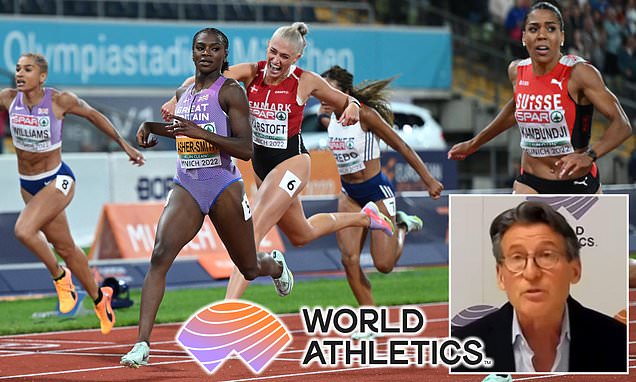
Female athletes and coaches have warned Seb Coe that transgender women should not be allowed to compete in the female category. World Athletics has passed a landmark restructure for transgender participation rules, which will prevent transgender women from competing in the female category in world ranking events from March 31. Coe has claimed the move has been taken to protect the 'very fundamental principle' of sport. Under previous rules, transgender women could compete in the female category as long as their testosterone levels were below five nanomoles per litre over a one-year period.
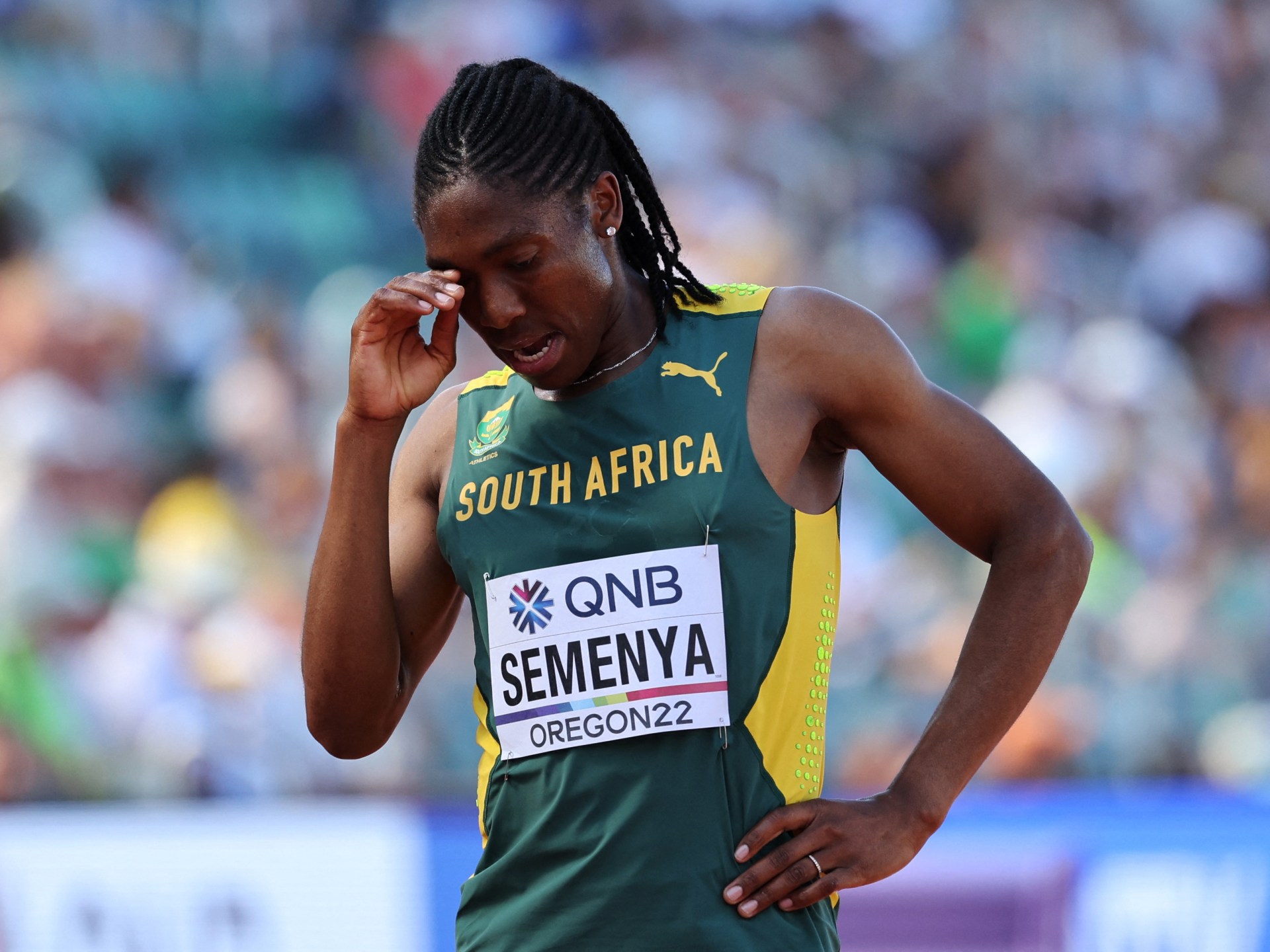
World Athletics has banned transgender women from competing in female track and field events, regardless of their testosterone levels. The decision was made after consulting with stakeholders, including trans groups, and prioritizing fairness and the integrity of the female competition. The council also tightened restrictions on athletes with Differences in Sex Development (DSD), requiring them to reduce their blood testosterone levels to below 2.5 nanomoles per litre for two years to compete in the female category. This will make it difficult for athletes like Caster Semenya to compete.