A Channel 12 investigation reveals that the UK is one of the top three sources of funding for Hamas, including government aid to UNICEF programs in Gaza linked to Hamas-controlled entities, as well as nongovernmental contributions through Islamist charities like the Union of Good. Despite being a proscribed terrorist organization, Hamas receives significant financial support from the UK, raising concerns about oversight and the diversion of aid to Hamas.
Russia's Investigative Committee has launched a criminal probe into senior officials in the United States and NATO member countries for allegedly "financing terrorism," citing money from commercial organizations being used to eliminate political and public figures and inflict economic damage. The committee implicated Ukrainian energy company Burisma Holdings, where Hunter Biden served on the board, fueling Republican accusations of corruption. The investigation aims to establish links between terrorist acts and foreign sponsors, but the U.S. and NATO deny involvement in a recent deadly attack near Moscow, accusing Russia of propaganda.
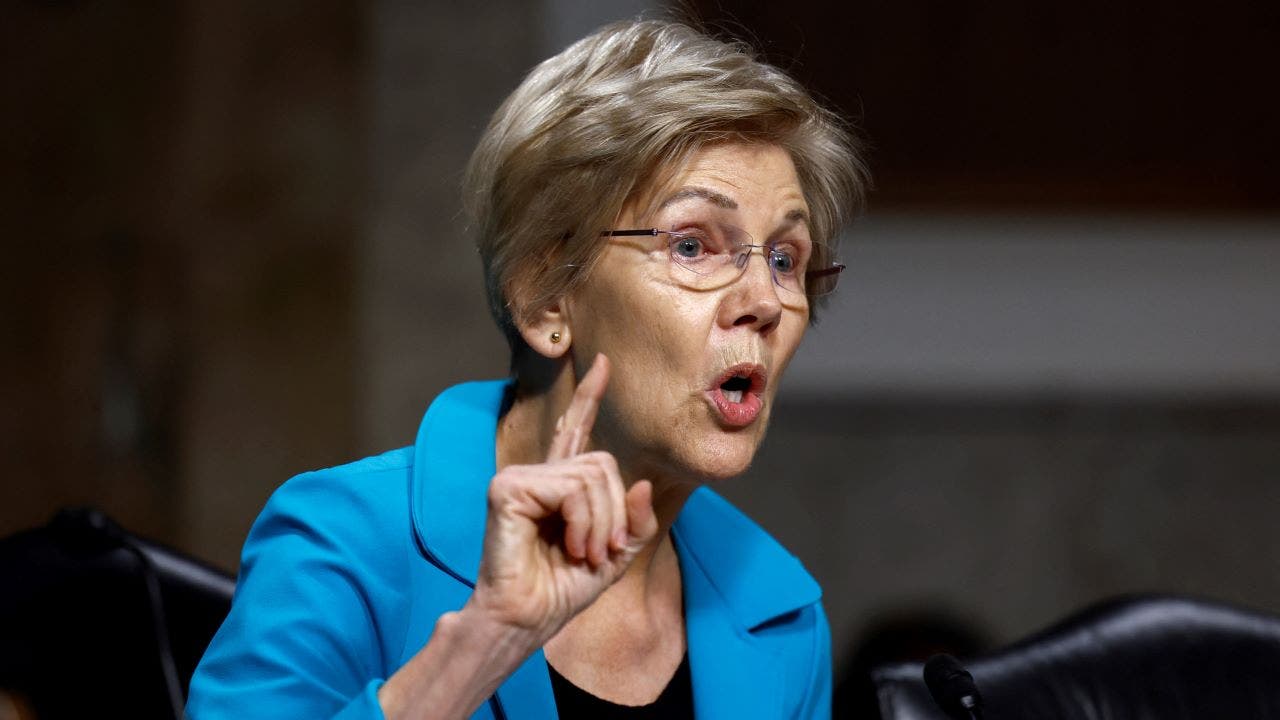
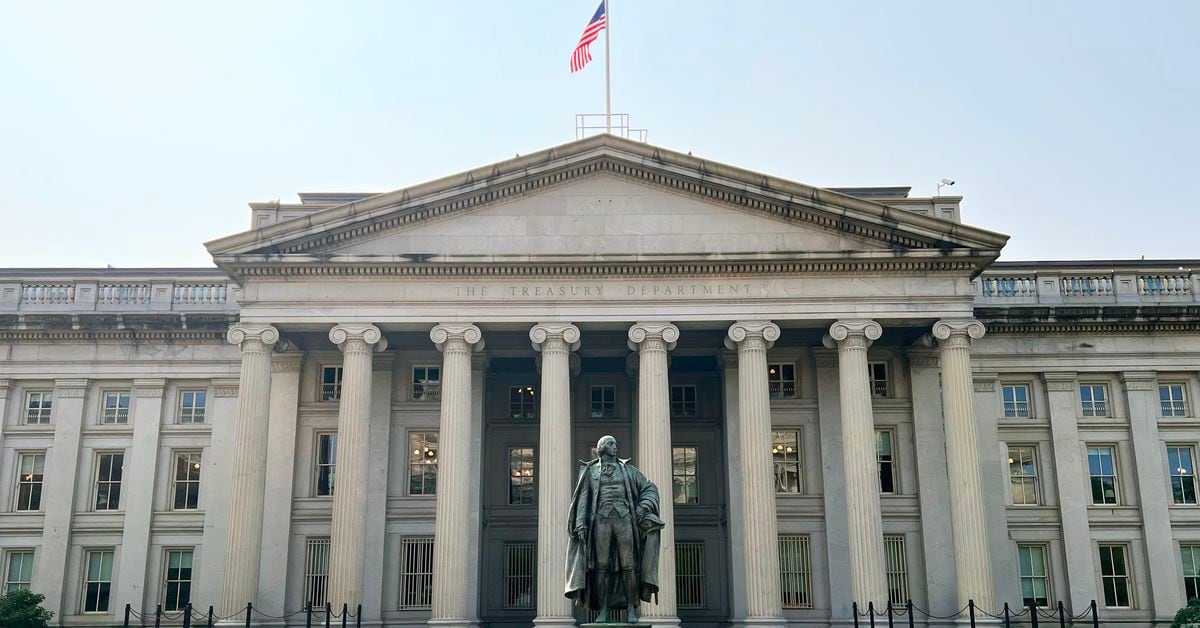
The Treasury Department's testimony debunked Sen. Elizabeth Warren's claims that cryptocurrency is a major source of funding for Middle East terrorist groups, dealing a blow to her anti-crypto legislation. The testimony revealed that terrorists prefer traditional financial products and services over digital assets, contradicting Warren's arguments. The Treasury's failure to correct erroneous data on terrorist crypto funding has sparked criticism, and opposition to Warren's bill requiring crypto industry participants to comply with KYC rules is growing. Crypto trade groups are lobbying against the bill, citing its potential to stifle innovation and jobs while having little impact on apprehending illicit actors.
The U.S. Treasury's undersecretary for terrorism and financial intelligence, Brian Nelson, testified that terrorist group Hamas has received minimal support in digital assets, contradicting earlier reports of significant crypto funding. The Treasury is focused on the threat from digital assets and seeks more tools from Congress. Media reports linking tens of millions in crypto payments to Hamas were debunked, with Nelson confirming that the actual amount is very low. Despite this, lawmakers continue to use the false figures in legislative efforts to regulate the crypto industry for national security.
The International Court of Justice rejected most of Ukraine's case against Russia, ruling that Moscow violated articles of two treaties but rejecting many of Kyiv's claims. The court found that Russia had violated one of its orders by launching its full-scale invasion in Ukraine nearly two years ago. The ruling is the first of two expected decisions from the court linked to the conflict between Russia and Ukraine. The court is scheduled to rule on Russia's objections to its jurisdiction in another case filed by Ukraine shortly after Russian troops invaded in 2022.
Israel's fight against the funding of Iran-backed militant groups has shifted its focus to the fast-growing crypto network called Tron, which has become a preferred platform for crypto transfers associated with designated terror organizations. Tron's faster transaction times, low fees, and stability have made it more attractive than Bitcoin for these groups. Israel's National Bureau for Counter Terror Financing has frozen numerous Tron wallets believed to be connected to terrorist organizations, including Hamas, Hezbollah, and Palestinian Islamic Jihad. The shift to Tron reflects the increasing use of cryptocurrencies by militant groups to finance their activities, and it highlights the challenges faced by law enforcement agencies in tracking and preventing such transactions.
Israeli officials claim that Hamas leaders, including Khaled Mashaal, Ismail Haniyeh, and Mousa Abu Marzouk, are billionaires, amassing vast amounts of money while the people of Gaza suffer in poverty. Hamas is estimated to earn over $1 billion annually through a global network involving cryptocurrency, real estate, legitimate businesses, and taxing and extorting Gaza residents. Reports suggest that Hamas leaders enjoy luxurious lifestyles, with one of their bases of operation being the Four Seasons Hotel in Doha, Qatar. Texas Senator Ted Cruz has introduced legislation to impose sanctions on countries that provide safe havens for Hamas leaders, such as Qatar and Turkey. The United States has sanctioned numerous Hamas officials and financial operations, but Hamas continues to thrive financially.
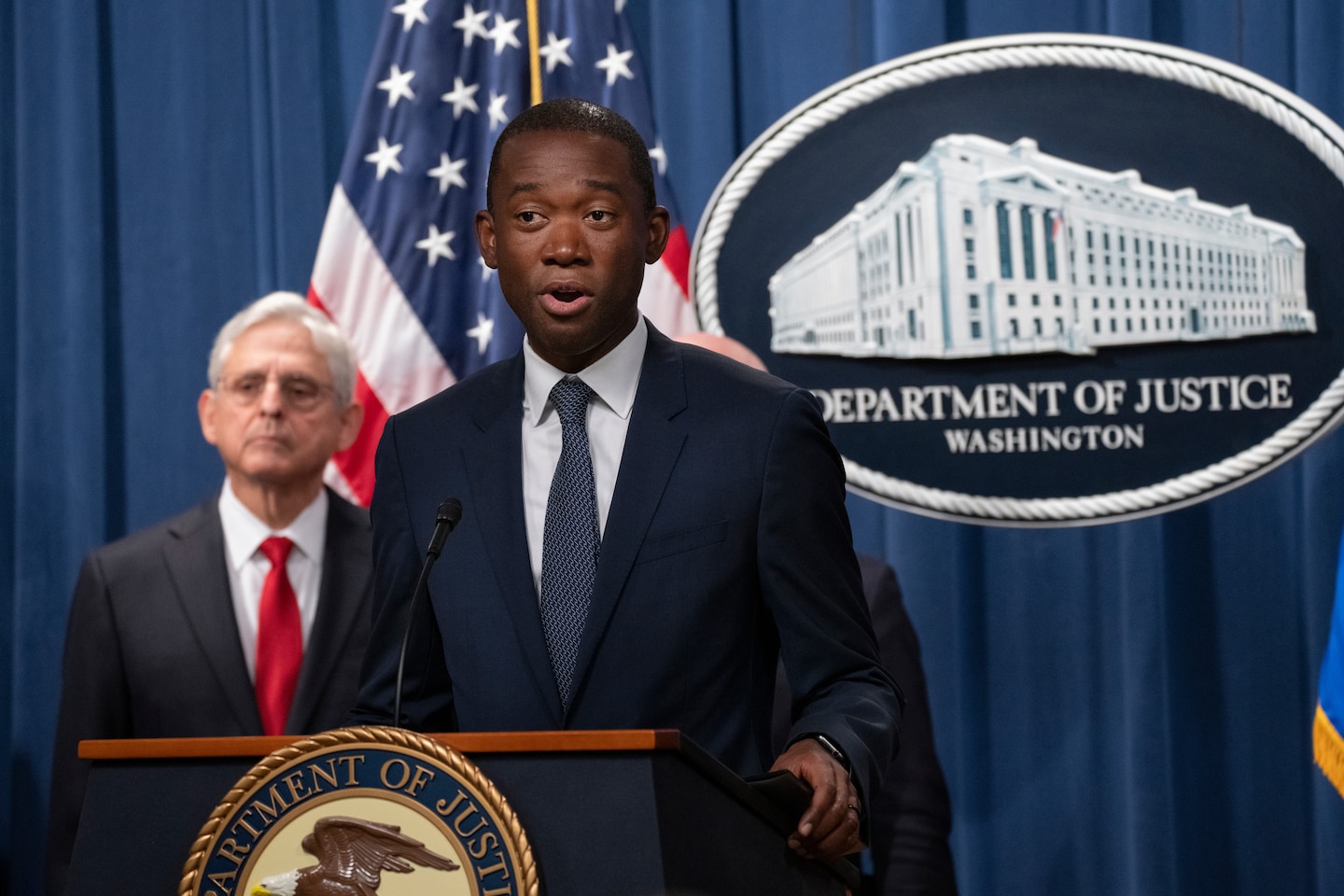
U.S. Deputy Treasury Secretary Wally Adeyemo will warn cryptocurrency firms against facilitating the financing of terrorist organizations, specifically mentioning the role of crypto platforms in supporting groups like Hamas. The U.S. Treasury Department is intensifying efforts to crack down on international financial channels that allowed Hamas to fund its recent attack on Israel. Last week, Treasury imposed sanctions on 10 Hamas members and entities tied to the group. Adeyemo emphasizes that the U.S. will use all available tools to target individuals or platforms involved in facilitating illicit financial flows for terrorists.
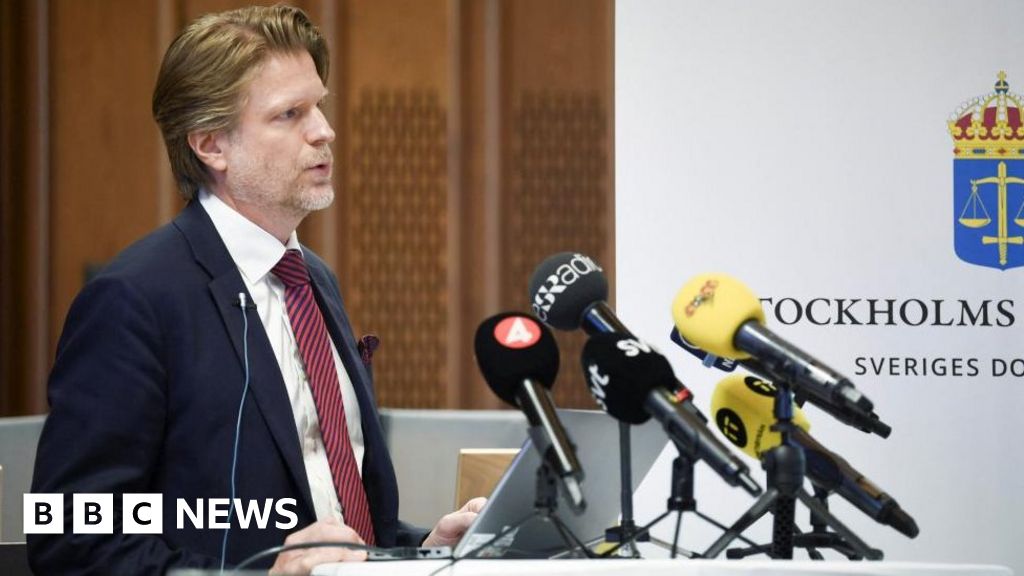
A Swedish court has sentenced a Kurdish man to four-and-a-half years in jail for attempting to finance terrorism, marking the first time Sweden's updated terror laws have been used in a case involving the Kurdish militant PKK. Turkey has long called on Sweden to crack down on Kurdish separatists, and the timing of the verdict, coinciding with Sweden's bid to join Nato, has raised speculation that it sends a message to Ankara. The 41-year-old Kurdish man, who has Turkish origins, will be deported after serving his sentence. Sweden recently toughened its anti-terrorism laws to outlaw arranging meetings to provide financial or other aid for banned groups.
The Israeli government has seized millions of dollars in cryptocurrency from accounts allegedly involved in financing schemes for Hezbollah and Iran's Revolutionary Guard. Israeli Defense Minister Yoav Gallant described the operation as Israel's first to target these two organizations, both designated as terrorist groups by the US and other governments. The seizure was a multi-agency effort involving Mossad, military intelligence, and the police. Cryptocurrencies like Bitcoin are favored for illicit transactions due to their perceived difficulty to trace. Israel's action serves as a warning to those involved in financing terrorism, as the country has developed tools to identify individuals involved in blockchain transactions.
The Financial Action Task Force (FATF) has called on member states to implement the Travel Rule to combat money laundering and terrorism financing activities enabled by cryptocurrencies. FATF claimed that "more than half" of respondents in a survey said they had taken no action to implement the rule. The FAFT travel rule was implemented to target the anonymity of illegal cryptocurrency transactions. FAFT said it would publish a report on June 27 calling on member countries to implement its recommendations in order to close the loopholes which it says criminals look to exploit.
Lebanon is likely to be placed on the "grey list" of countries under special scrutiny over unsatisfactory practices to prevent money laundering and terrorism financing, according to sources familiar with the matter. The country's economy was evaluated by the Middle East and North Africa section of the Financial Action Task Force, which found that Lebanon was only partially compliant in several categories, including anti-money laundering measures and transparency on beneficial ownership of firms. Being put on the FATF grey list could disrupt a country's capital flows, risk reputational damage, credit ratings adjustments, trouble obtaining global finance, and higher transaction costs.
The US Department of the Treasury has warned that decentralized finance (DeFi) services that are not compliant with anti-money laundering and terrorist financing rules pose the most significant current illicit finance risk in the crypto sector. The department recommends an assessment of possible enhancements to US anti-money laundering requirements and the rules for countering the financing of terrorism as they should be applied to DeFi services. The report warns that DeFi services often do not implement AML/CFT controls or other processes to identify customers, allowing layering of proceeds to take place instantaneously and pseudonymously.