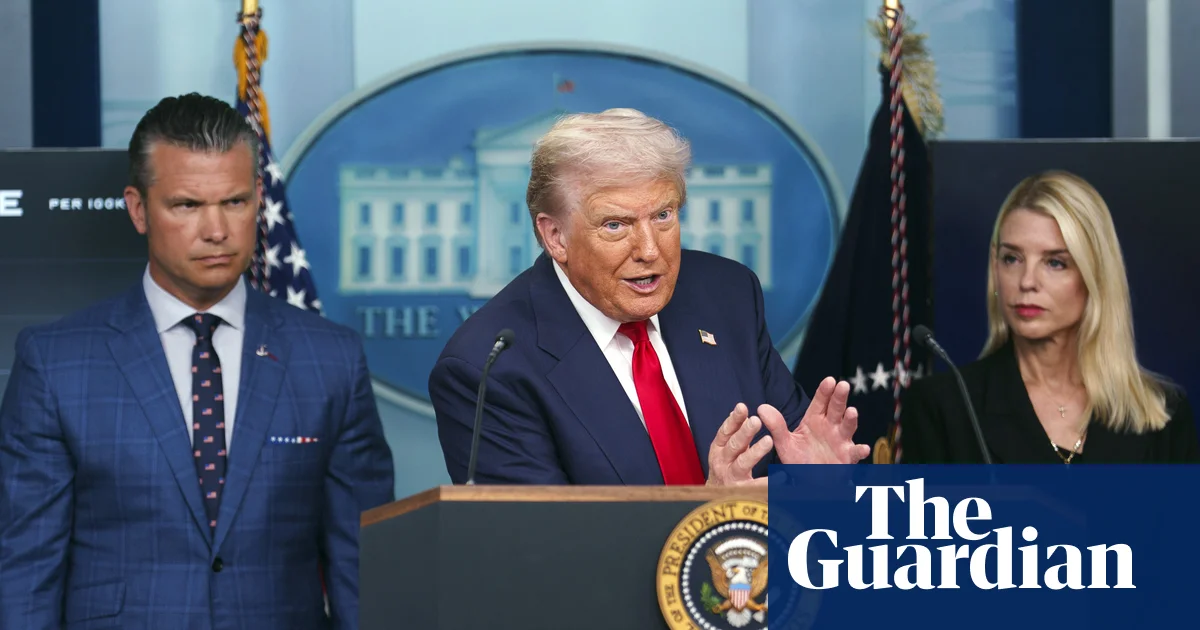
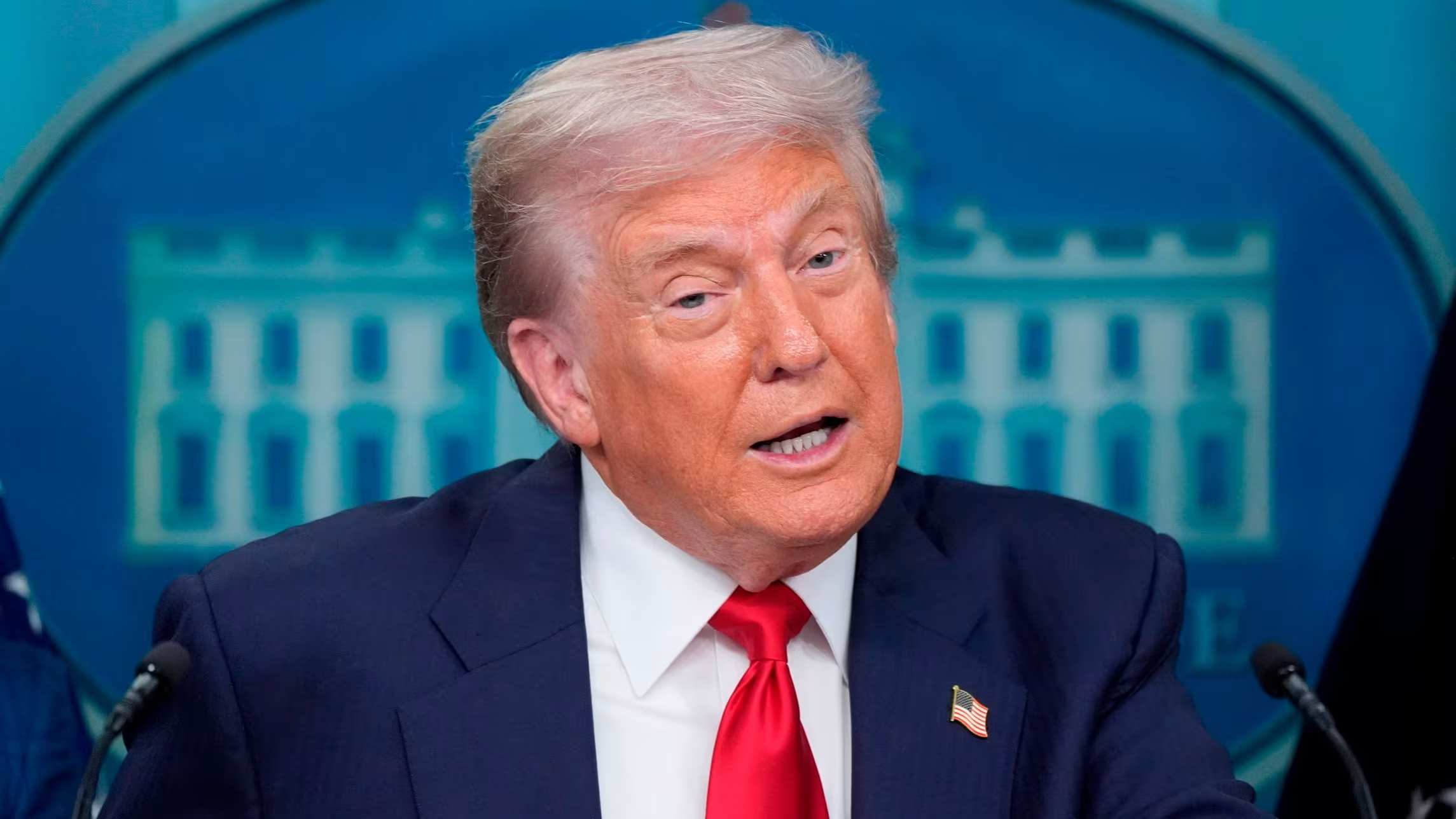
Donald Trump suggested he might allow Nvidia to sell a downgraded version of its advanced AI chips in China, raising concerns in Washington about China gaining access to cutting-edge US technology that could enhance its military and AI capabilities. This move follows a rare US deal where the government would receive revenue from sales of certain chips in China, despite existing restrictions aimed at limiting China's access to advanced US technology. The proposal has sparked fears that China could leapfrog the US in AI development.
U.S. President Trump has indicated a potential policy shift that could allow Nvidia to sell advanced AI chips to China for a fee, potentially easing restrictions on technology exports to China.
Four individuals have been arrested and charged in connection with two separate schemes to unlawfully export controlled, dual-use technologies to Russia following Russia's invasion of Ukraine. In one case, defendants used two corporate entities registered in Brooklyn to unlawfully source and purchase millions of dollars' worth of dual-use electronics on behalf of end-users in Russia, including companies affiliated with the Russian military. In the other case, defendants procured dual-use electronic components for entities in Russia involved in the development and manufacture of drones for the Russian war effort in Ukraine. The arrests and charges highlight the determination of the U.S. Justice Department to hold accountable those who flout laws to aid the Russian war machine and evade sanctions and export controls.
China is considering banning the export of certain rare-earth magnet technology to counter the US's advantage in the high-tech arena. Officials are planning amendments to a technology export restriction list, which was last updated in 2020. China dominates the global market for rare-earth materials.