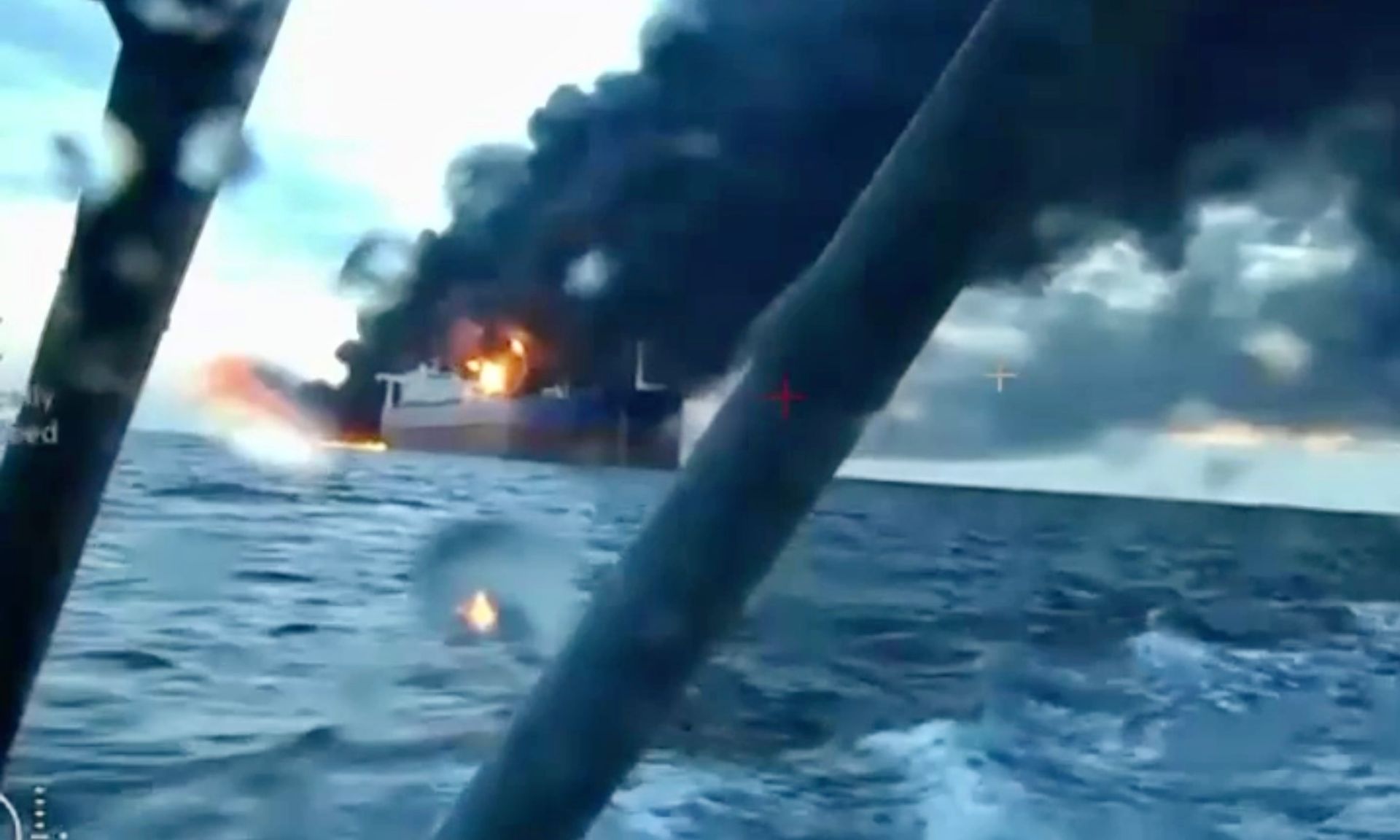
Ukrainian naval drones successfully attacked and disabled two Russian oil tankers, Kairos and Virat, near Turkey's Black Sea coast, targeting vessels involved in sanctions evasion and oil transportation, marking a significant blow to Russian logistics amid ongoing tensions in the region.
Standard Chartered's shares dropped nearly 9% after a US Republican lawmaker called for an investigation into the bank over alleged sanctions evasion, despite the bank denying the allegations and stating they are false and repeatedly dismissed by US courts.
U.S. authorities have charged Russian crypto entrepreneur Iurii Gugnin with laundering over $500 million and helping sanctioned Russian banks evade international sanctions through his NY-based crypto firms, highlighting ongoing efforts to combat illicit crypto activities linked to Russia.
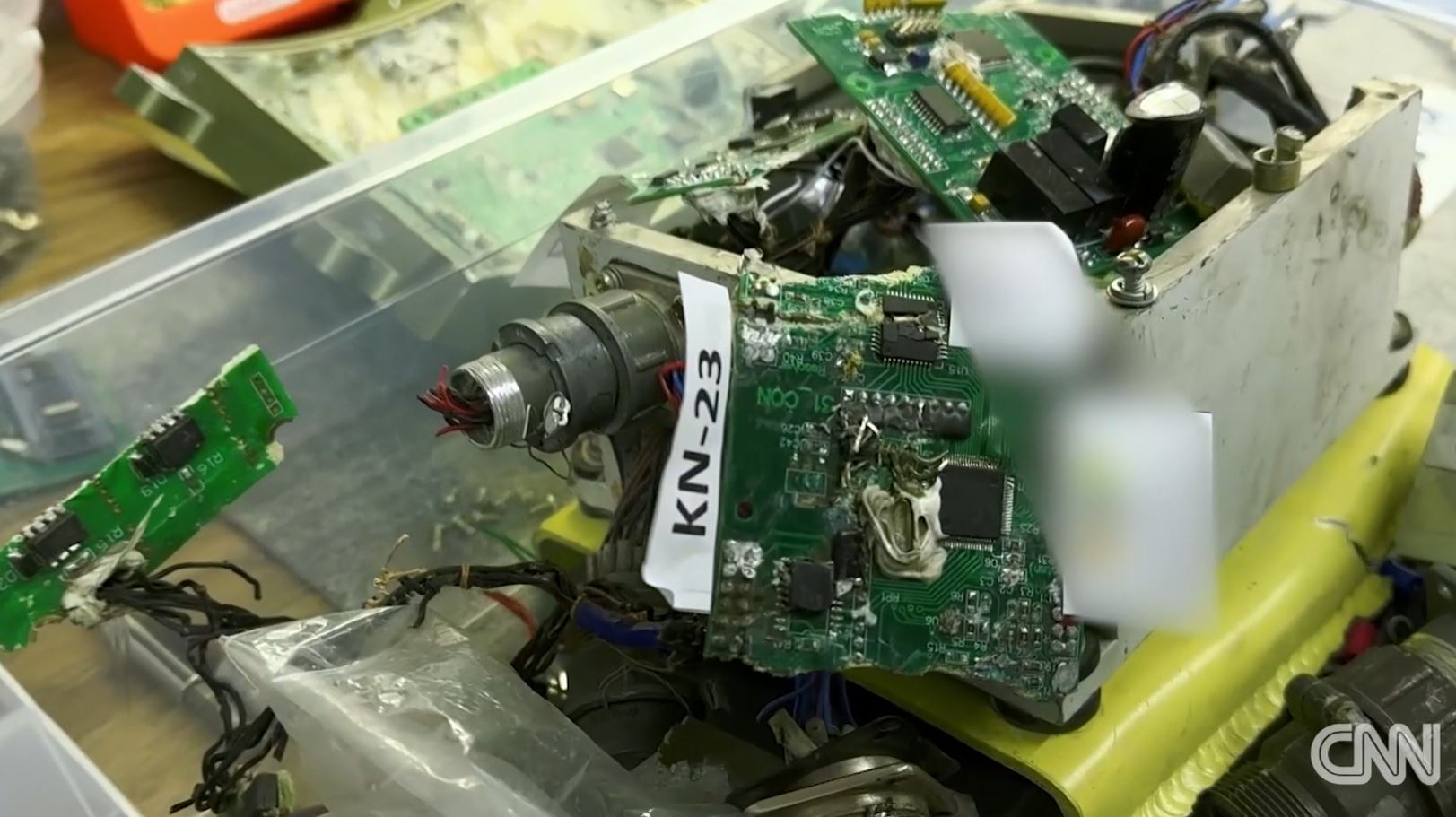
Ukraine has reported that a significant portion of Russian ballistic missile attacks involve North Korean KN-23 missiles equipped with Western-made electronics, despite international sanctions. These missiles, which have caused numerous casualties, contain components primarily from the US and Europe, with China suspected as an intermediary. Ukrainian officials are concerned about the illicit trade of these components and hope for stricter controls. The situation highlights the complex global supply chains and the challenges in enforcing sanctions.
Iran reportedly used accounts at Lloyds and Santander to evade sanctions, highlighting the challenges of international banking regulations in preventing such activities.
The United States has unveiled charges and seizures related to a billion-dollar oil trafficking network allegedly financing Iran's Islamic Revolutionary Guard Corps (IRGC) and other militant groups, in response to aggressive actions by Iran. The US Department of Justice seized over $108 million laundered by a Chinese company and more than 520,000 barrels of Iranian oil aboard a tanker. Seven defendants, including a Turkish national and the son of a former IRGC commander, were charged in connection with the seized money. Additionally, a Chinese woman and an Omani man were charged with Iran sanctions evasion and money laundering related to the trafficking and selling of Iranian oil to Chinese government-owned refineries. Despite US sanctions, Iran's crude exports and oil output reached new highs in 2023, with Iranian oil making up about 10% of China's crude imports.
The Justice Department has unsealed three federal cases targeting the illicit trafficking of Iranian oil to finance Iran’s Islamic Revolutionary Guard Corps (IRGC) and its Qods Force, with charges including terrorism, sanctions-evasion, fraud, and money laundering. Seven defendants in the Southern District of New York, including an IRGC leader and officers of a Turkish energy group, are charged with trafficking and selling Iranian oil to government-affiliated buyers in China, Russia, and Syria, with the U.S. seizing $108 million used to fund the IRGC-QF. In a related action in the District of Columbia, a Chinese woman and Omani man are charged with sanctions-evasion and money laundering in connection with selling Iranian oil to Chinese government-owned refineries. Additionally, a civil forfeiture complaint was unsealed in the District of Columbia, alleging that over 500,000 barrels of Iranian fuel oil valued at over $25 million is forfeitable under terrorism laws as property that provides a source of funds to the IRGC and IRGC-QF.
Stablecoins, such as Tether, have facilitated $40 billion in illicit cryptocurrency transactions since 2022, with 70% of crypto scams and 83% of payments to sanctioned countries involving stablecoins. Chainalysis found that stablecoins were used in 84% of payments to specifically sanctioned individuals and companies. The appeal of stablecoins for sanctions evasion lies in their stability and ability to circumvent restrictions on accessing the US dollar. Tether, the most popular stablecoin, has been singled out for its use in illegal gambling and scam operations, with scammers preferring it due to its stability and low fees. Despite Tether's ability to freeze criminal funds, the illicit use of stablecoins continues to outpace seizures, posing a significant challenge for law enforcement.
The Biden administration has imposed sweeping Russia-related sanctions, designating over 250 individuals and companies in Turkey, the United Arab Emirates, China, and the two Koreas for accusations including sanctions evasion and acting as a Kremlin weapons procurer. The sanctions aim to cut off Russia's weapons supplies and sanctions evasion activities, with the U.S. Defense Department arming Ukraine while the Treasury and State Departments target Russia's ability to make war. The sanctions restrict Russia's future energy production and export capacity, hinder its metals and mining sectors, disrupt its North Korea munitions deals, and constrain its defense industry. The United States is Ukraine's largest backer, and officials warn that the conflict is not just about Ukraine's sovereignty but also world order, democracy, and U.S. national security.
Four individuals have been arrested and charged in connection with two separate schemes to unlawfully export controlled, dual-use technologies to Russia following Russia's invasion of Ukraine. In one case, defendants used two corporate entities registered in Brooklyn to unlawfully source and purchase millions of dollars' worth of dual-use electronics on behalf of end-users in Russia, including companies affiliated with the Russian military. In the other case, defendants procured dual-use electronic components for entities in Russia involved in the development and manufacture of drones for the Russian war effort in Ukraine. The arrests and charges highlight the determination of the U.S. Justice Department to hold accountable those who flout laws to aid the Russian war machine and evade sanctions and export controls.
Nikolay Goltsev, Salimdzhon Nasriddinov, and Kristina Puzyreva have been charged with conspiracy and other offenses related to a global procurement scheme on behalf of sanctioned Russian entities. The defendants allegedly evaded sanctions by shipping electronic components and integrated circuits to Russia, which were found in seized Russian weapons platforms and signals intelligence equipment in Ukraine. The scheme involved the use of two Brooklyn-based corporate entities to unlawfully source and ship millions of dollars worth of dual-use electronics to sanctioned end users in Russia. The defendants were arrested in New York City, and the charges highlight the commitment of law enforcement agencies to hold accountable those who evade sanctions and export control laws to aid hostile nation states.
The United States Attorney for the Southern District of New York has filed a civil forfeiture complaint against the luxury superyacht Amadea, valued at over $300 million, alleging that it was improved and maintained in violation of sanctions against its beneficial owner, Russian oligarch Suleiman Kerimov. The complaint claims that the yacht is subject to forfeiture based on violations of U.S. law, including the International Emergency Economic Powers Act and money laundering. The U.S. government currently has control of the Amadea in San Diego, California, following its seizure by Fijian authorities.
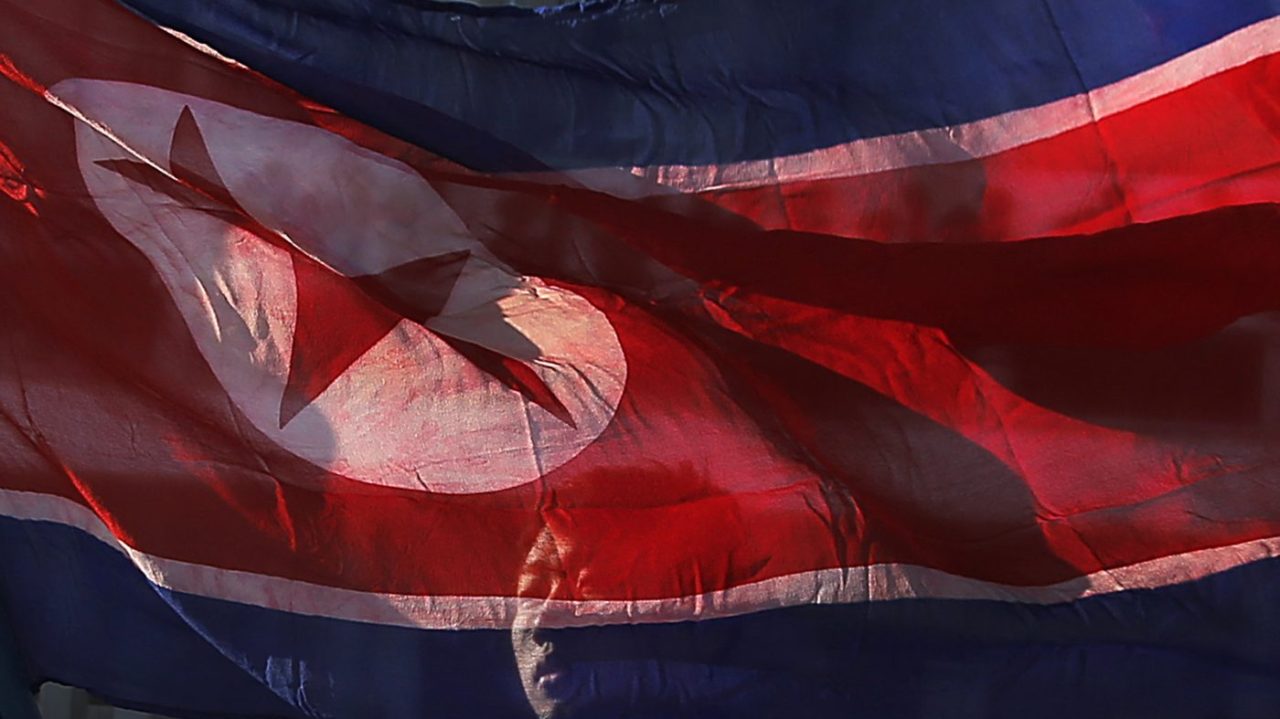
Thousands of IT contractors working remotely for US companies have been sending millions of dollars to North Korea to fund its ballistic missile program, according to federal prosecutors. The Department of Justice seized 17 website domains used by North Korean IT workers in a scheme to defraud the US and foreign businesses, evade sanctions, and finance the country's weapons program. The workers were dispatched to live abroad in countries like Russia and China, using pseudonymous email, social media, payment platforms, and false websites to carry out their activities. The FBI encourages US companies to report any suspicious activities related to North Korean IT workers.
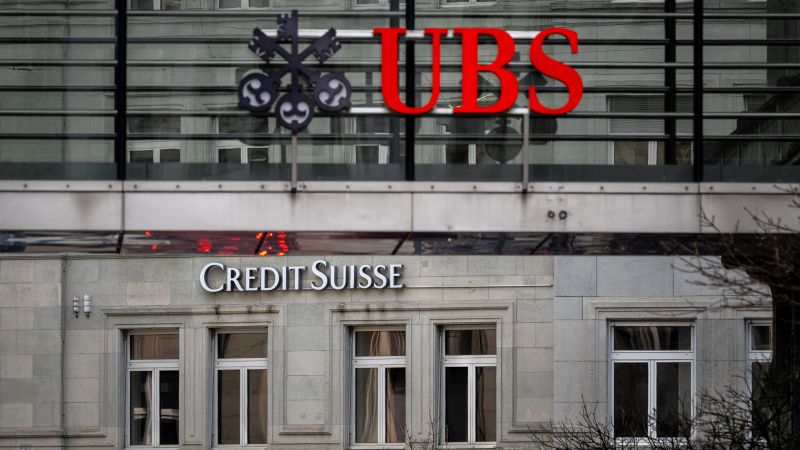
UBS denies knowledge of a probe by the US Department of Justice (DOJ) into alleged compliance failures at its subsidiary Credit Suisse, which reportedly allowed Russian clients to evade sanctions. UBS stated that the recent reporting on the alleged probe is inaccurate and that both UBS and Credit Suisse have actively reduced their exposure to Russia. However, UBS has been in touch with the DOJ regarding the matter. The news comes after a Bloomberg report claimed that the DOJ had briefed UBS lawyers about Credit Suisse's involvement in sanctions violations. The Swiss Bankers Association estimated that over $200 billion in Russian money is held in Swiss banks, with concerns raised about sanctions evasion and money laundering. UBS shares initially plummeted but have since recovered slightly.
The Group of Seven (G7), European Union, and three other countries are planning to appeal to China for assistance in stopping North Korea from evading United Nations sanctions by using Chinese territorial waters, according to a letter seen by Reuters. The letter, signed by G7 members and other countries, expresses concerns about the presence of oil tankers using Chinese waters to facilitate trade of sanctioned petroleum products to North Korea. The letter includes satellite images as evidence and requests that China inspect and deny services to these vessels, as well as inform companies in the area of the risks associated with providing services to them. China has repeatedly stated that it abides by UN sanctions resolutions.