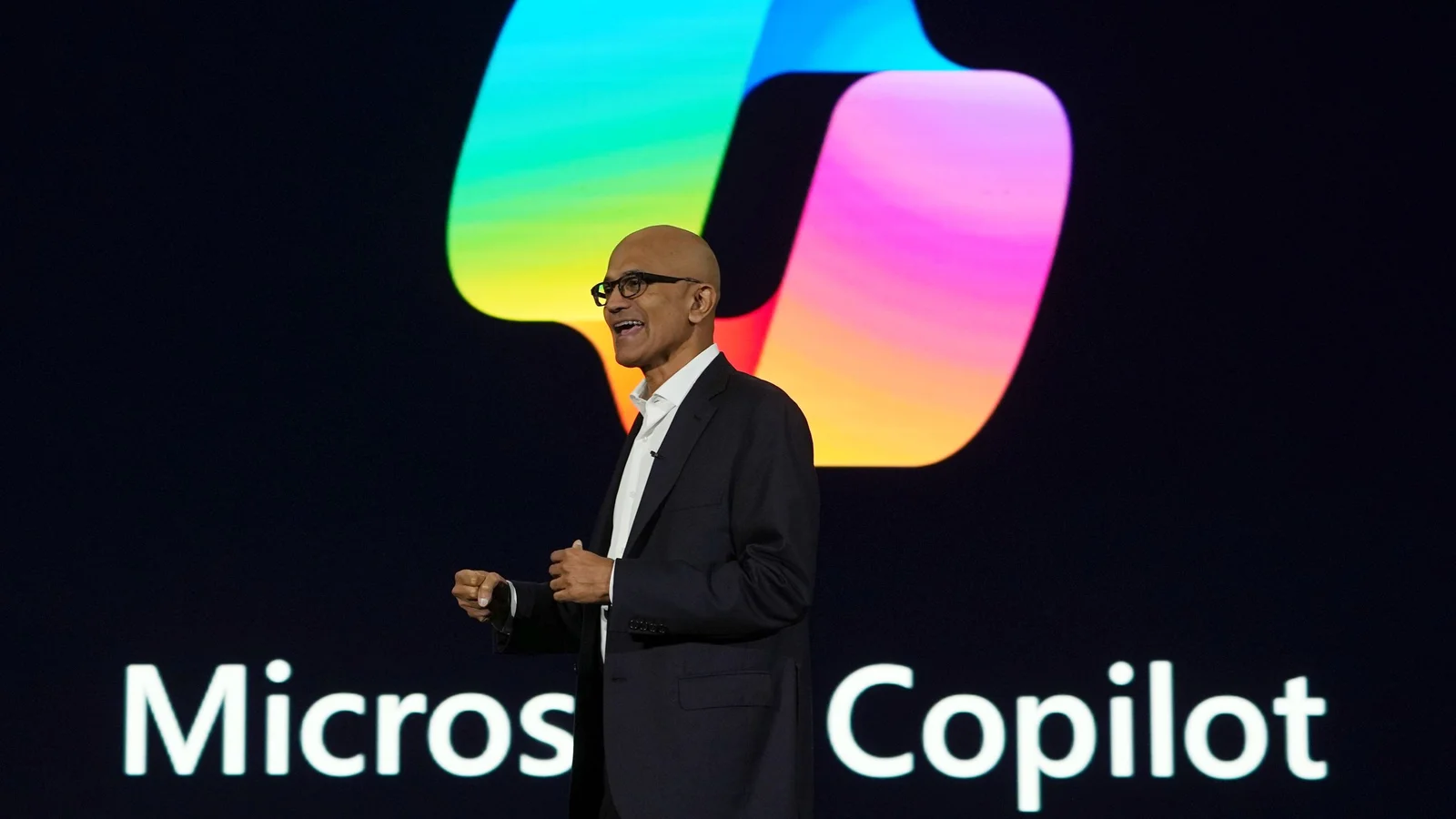
Microsoft's CEO Satya Nadella emphasizes that AI will be central to the company's future in 2026, aiming to shift from spectacle to substance, despite ongoing skepticism and challenges in societal acceptance and practical utility. Nadella advocates for AI as a 'cognitive amplifier' but faces criticism over the hype, investment bubble, and the actual impact on productivity and society.

Wall Street's top tech bull Dan Ives predicts that five stocks will dominate the AI market by 2026, highlighting a significant 'AI inflection' point for investors.
The article discusses the rapid growth and investment in AI, highlighting concerns about a potential bubble driven by hype and financial speculation. It emphasizes the geopolitical race between the US and China for AI dominance, the risks of unregulated development, and the flawed nature of current AI systems. The author warns that when the bubble bursts, there will be an opportunity to steer AI development towards serving humanity rather than corporate or geopolitical interests.
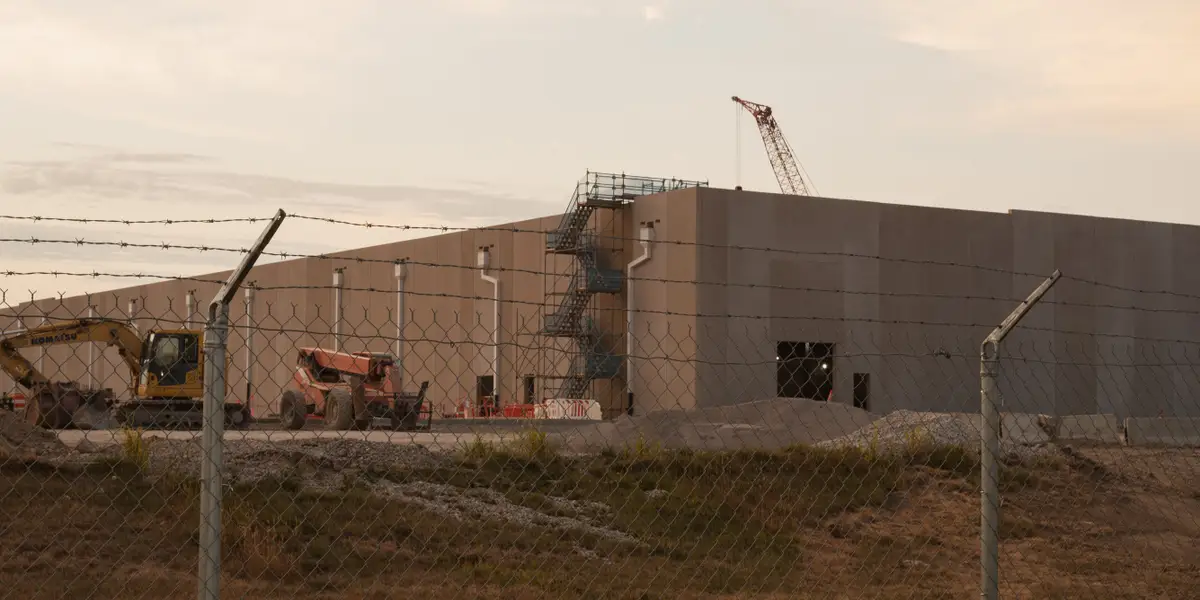
Major tech companies like Google, Microsoft, and Meta are investing heavily in AI data centers, but face growing local opposition due to environmental concerns and rising energy costs, which could slow growth and push projects abroad. The surge in data center construction is straining the US energy grid, raising electricity prices, and sparking political and community resistance, especially in states like Pennsylvania. Solutions such as targeted electricity rates, renewable energy, and nuclear power are being explored to address these challenges, but the industry must navigate local opposition and infrastructure constraints to sustain AI growth.
The article highlights Nvidia and Amazon as the top AI stocks to buy in November, driven by a massive increase in AI infrastructure spending by major tech companies like Microsoft, Alphabet, Meta, and Amazon, which is fueling demand for AI chips and cloud services. Nvidia benefits from this surge with its advanced GPUs and software ecosystem, while Amazon capitalizes on its cloud services growth, making both stocks attractive investments amid the AI buildout.
A top analyst warns that the current AI-driven market rally, heavily centered on Nvidia and a few big tech stocks, may be a bubble fueled by circular financing and excessive capital expenditure, risking a crash similar to past tech bubbles like Enron and Cisco. Concerns include overinvestment in AI infrastructure, systemic risks from interconnected deals, and signs of a potential slowdown as data center investments mature. While some experts see opportunities, many acknowledge the market's fragility and the possibility of a downturn.
The article discusses the massive increase in AI infrastructure spending by tech giants like Meta, OpenAI, and Amazon, driven by the need for more data centers and computing power. While this investment could revolutionize industries and boost economic growth if successful, there are concerns about overinvestment, a potential bubble, and the uncertain business case for AI, with historical parallels to past overexpansion in industries like railroads and fiber optics.
European defence technology investments are gaining momentum amid ongoing geopolitical tensions, highlighting increased interest and confidence in the sector.
Strava, a popular fitness and social app with 150 million users and valued at $2.2 billion, is planning to go public as early as 2026, with major banks involved in the process. The move towards an IPO suggests potential changes in monetization and user engagement, raising questions about future platform development and user experience.
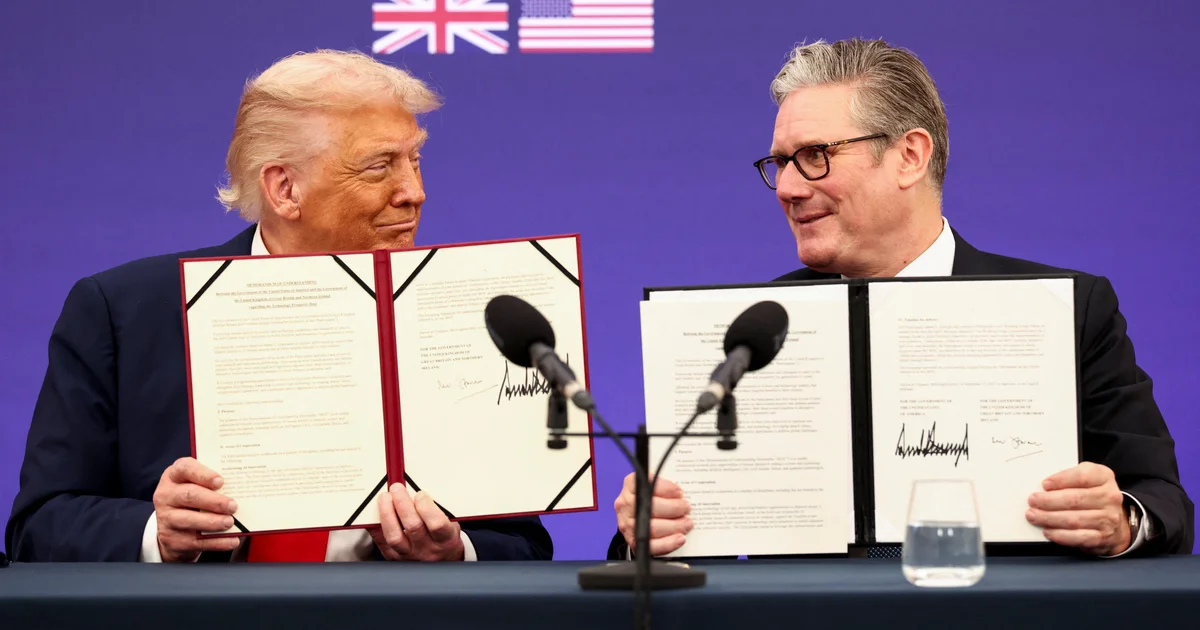
President Trump and UK Prime Minister Keir Starmer signed a groundbreaking $200 billion tech investment deal during Trump's second state visit to the UK, which also included high-profile meetings, a visit to Windsor Castle, and discussions on trade and international issues. The ABC Australia network was denied a news conference spot due to capacity constraints, and various diplomatic and cultural events took place, highlighting the strong UK-US relationship.
Jerome Powell highlighted that the US economy is experiencing unusually high activity driven by AI investments, which are concentrated among wealthy firms and households, potentially deepening inequality and creating a skewed economic recovery. The growth is largely fueled by a few tech giants and affluent consumers, while lower-income groups face challenges in employment and income, raising concerns about the sustainability and fairness of the current economic expansion.
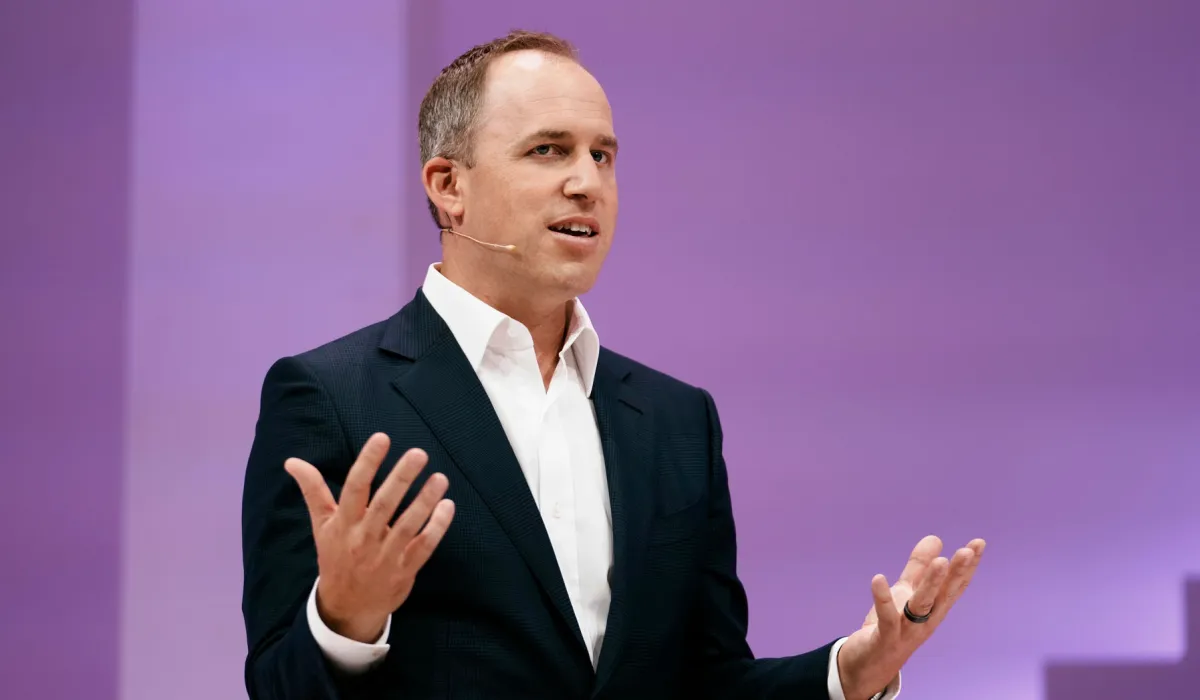
Bret Taylor, chair of OpenAI and CEO of Sierra, acknowledges that the AI industry is currently in a bubble similar to the late '90s dot-com era, but he remains optimistic about the future economic value AI will generate despite the risks of financial losses.
Via's IPO opened slightly below its $46 share price but recovered to close just above it, valuing the company at around $3.9 billion. The company raised nearly $493 million, with proceeds aimed at growth and potential acquisitions. Despite still being in the red, Via is close to profitability and emphasizes its focus on supporting local government transit, especially benefiting low-income and disabled riders.
President Donald Trump announced a plan to impose a 100% tariff on computer chips unless companies commit to building manufacturing facilities in the US, aiming to boost domestic production amid rising global chip demand. The move follows significant investments from tech giants like Apple, Nvidia, and TSMC in US manufacturing, and marks a shift from Biden-era policies that focused on funding and incentives. The tariffs could lead to higher prices for products dependent on chips and impact the tech industry, but Wall Street responded positively to the news.