Tag

Taurus Molecular Cloud

All articles tagged with #taurus molecular cloud

Discovery of Nitriles in Space Could Unlock Cosmic Mysteries

Originally Published 1 year ago — by Space.com

Featured image for Discovery of Nitriles in Space Could Unlock Cosmic Mysteries
Source: Space.com

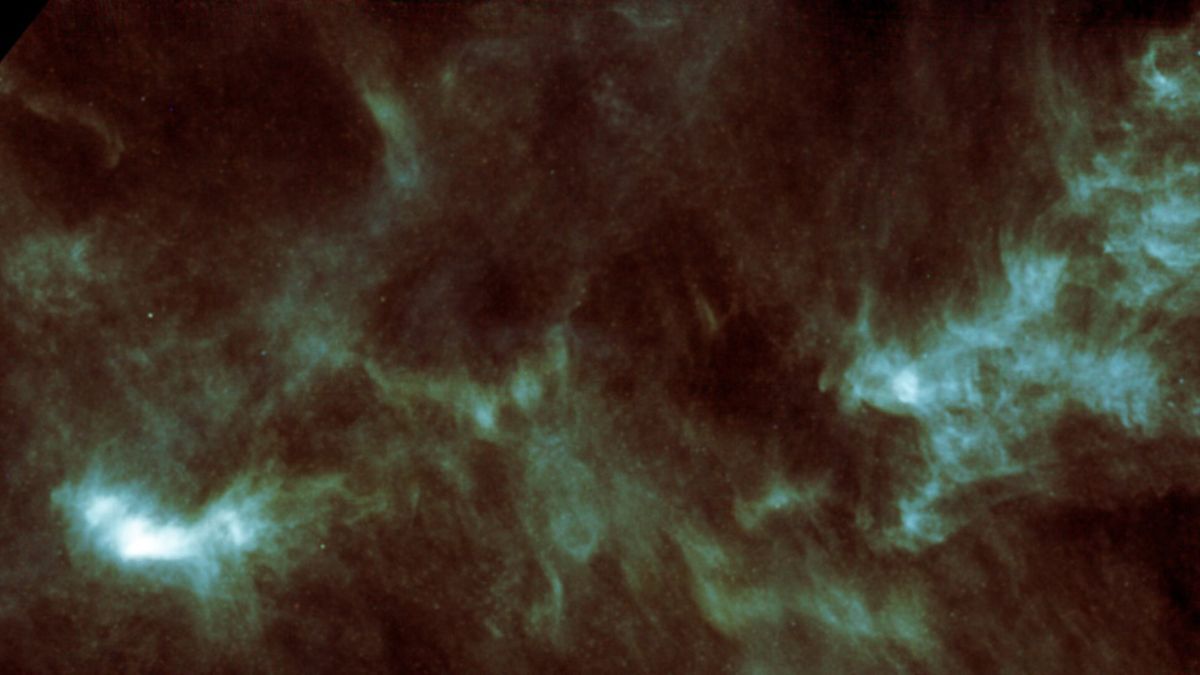
Scientists have discovered two nitrile-containing molecules, malononitrile and maleonitrile, in the Taurus molecular cloud, an interstellar region near Earth. These molecules are significant because they are precursors in the synthesis of purines and pyrimidines, essential components of RNA and DNA, suggesting complex chemical processes in space that may relate to the origins of life. The findings highlight the active chemical nature of interstellar clouds and the challenges in modeling the formation of newly discovered molecules.

"Abundant Water Discovered in Planet-Forming Region of Space"

Originally Published 1 year ago — by NDTV

Featured image for "Abundant Water Discovered in Planet-Forming Region of Space"
Source: NDTV

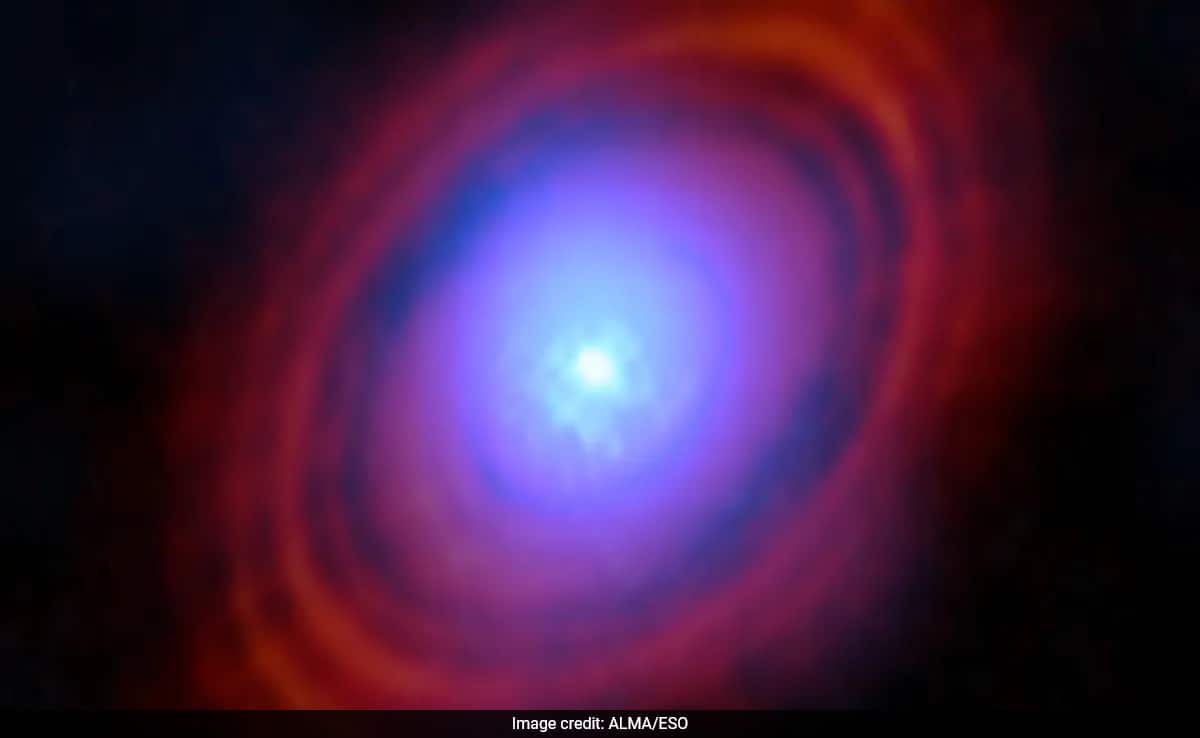
Scientists have discovered large amounts of water vapor in a disk of dust surrounding the star HL Tauri, with enough water to fill Earth's oceans three times over. This finding, made using the ALMA telescope, sheds light on the role of water in planetary system development and may provide insights into how Earth acquired its water. The discovery is significant in the search for signs of life beyond our planet and contributes to our understanding of planet formation in star-forming regions like the Taurus Molecular cloud.

"Stunning Nebulae Captured by NASA's Astronomy Picture of the Day"

Originally Published 2 years ago — by HT Tech

Featured image for "Stunning Nebulae Captured by NASA's Astronomy Picture of the Day"
Source: HT Tech

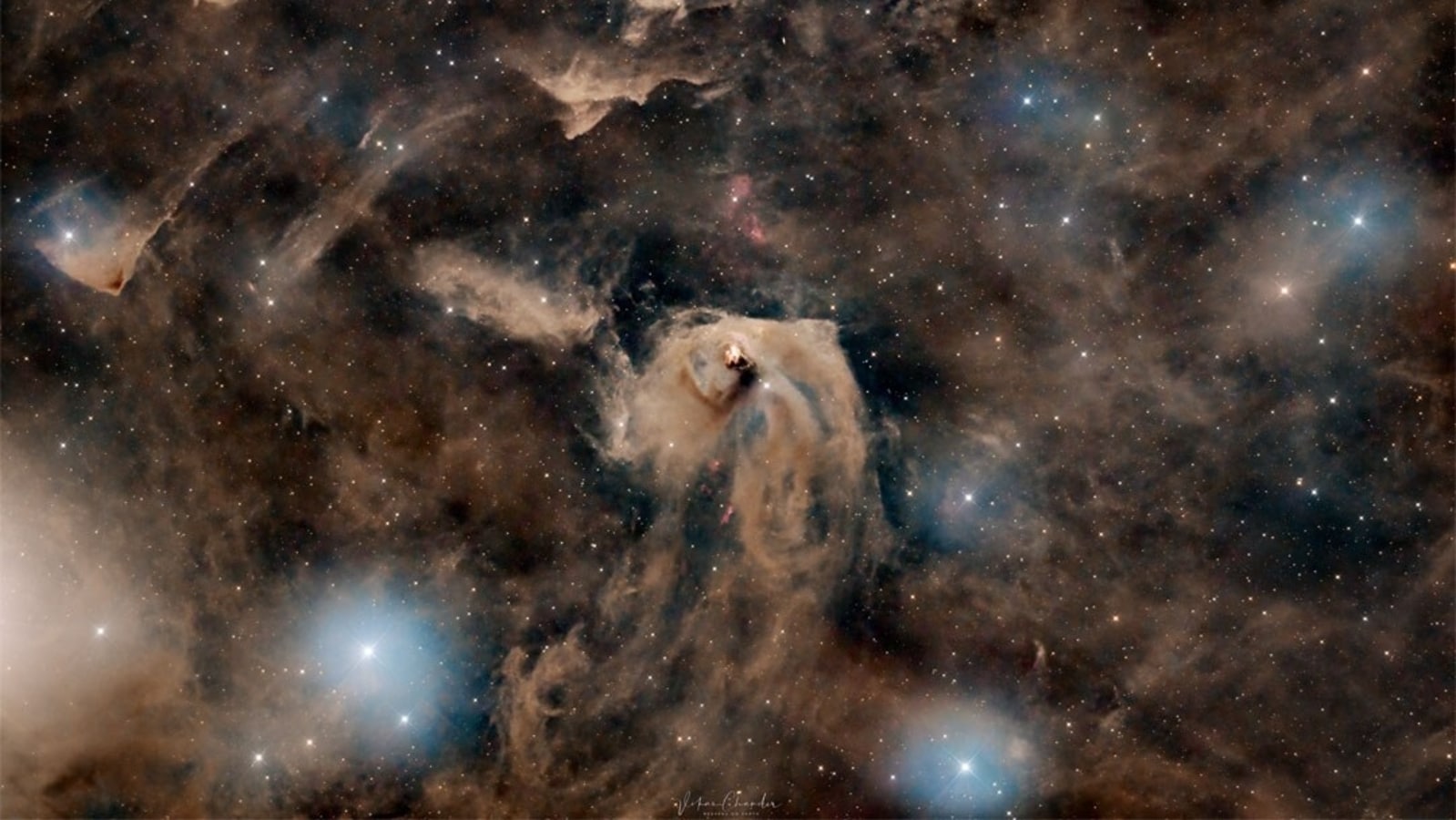
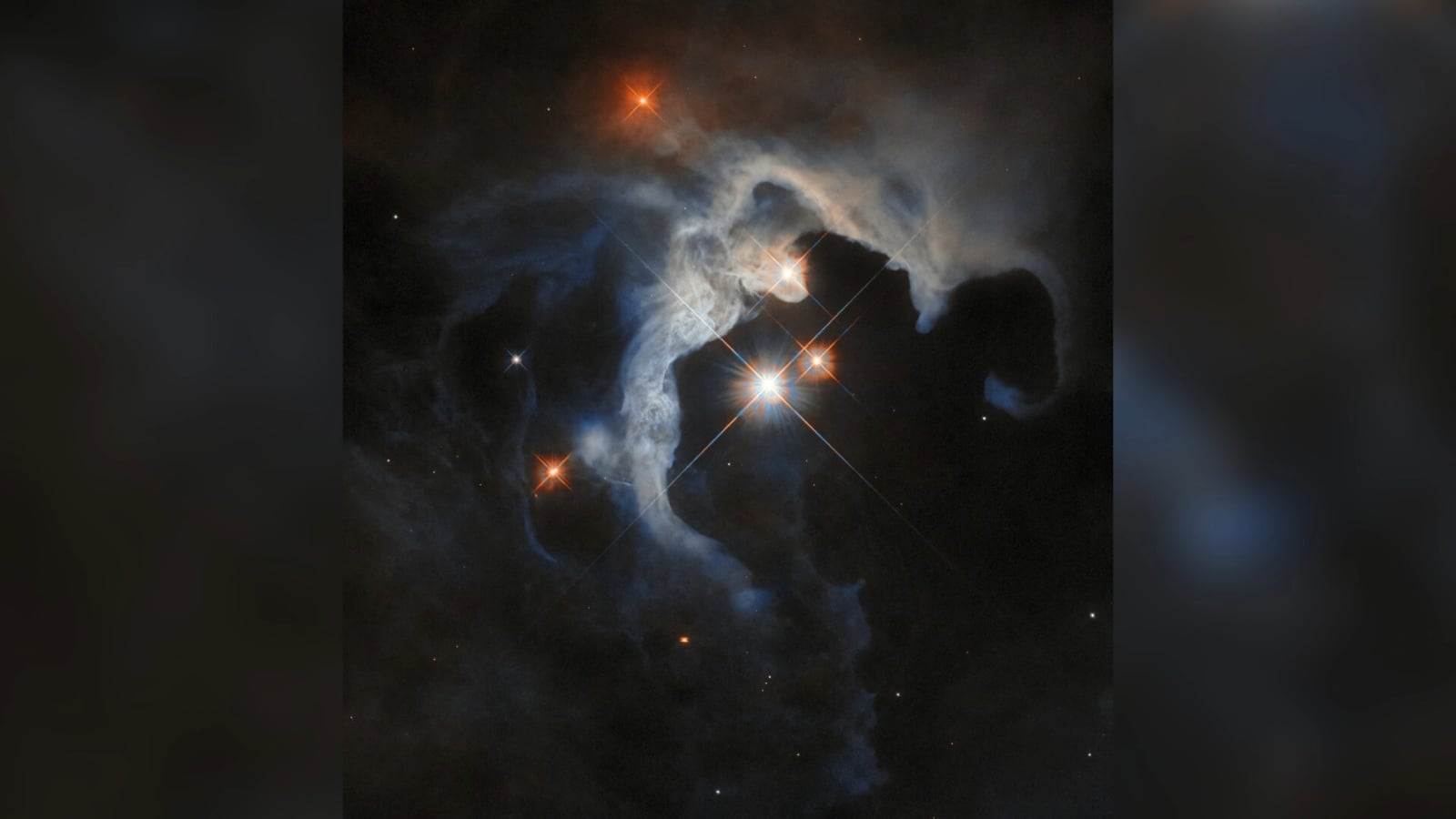
NASA's Astronomy Picture of the Day features a stunning image of the Taurus Molecular Cloud, one of the closest molecular clouds to our solar system, captured by astrophotographer Vikas Chander. The cloud is home to Hind's Variable Nebula and the star T Tauri, both of which vary dramatically in brightness. The dark dust in the cloud marks regions where interstellar gas is dense enough to form stars, making it a crucial area for studying star formation.