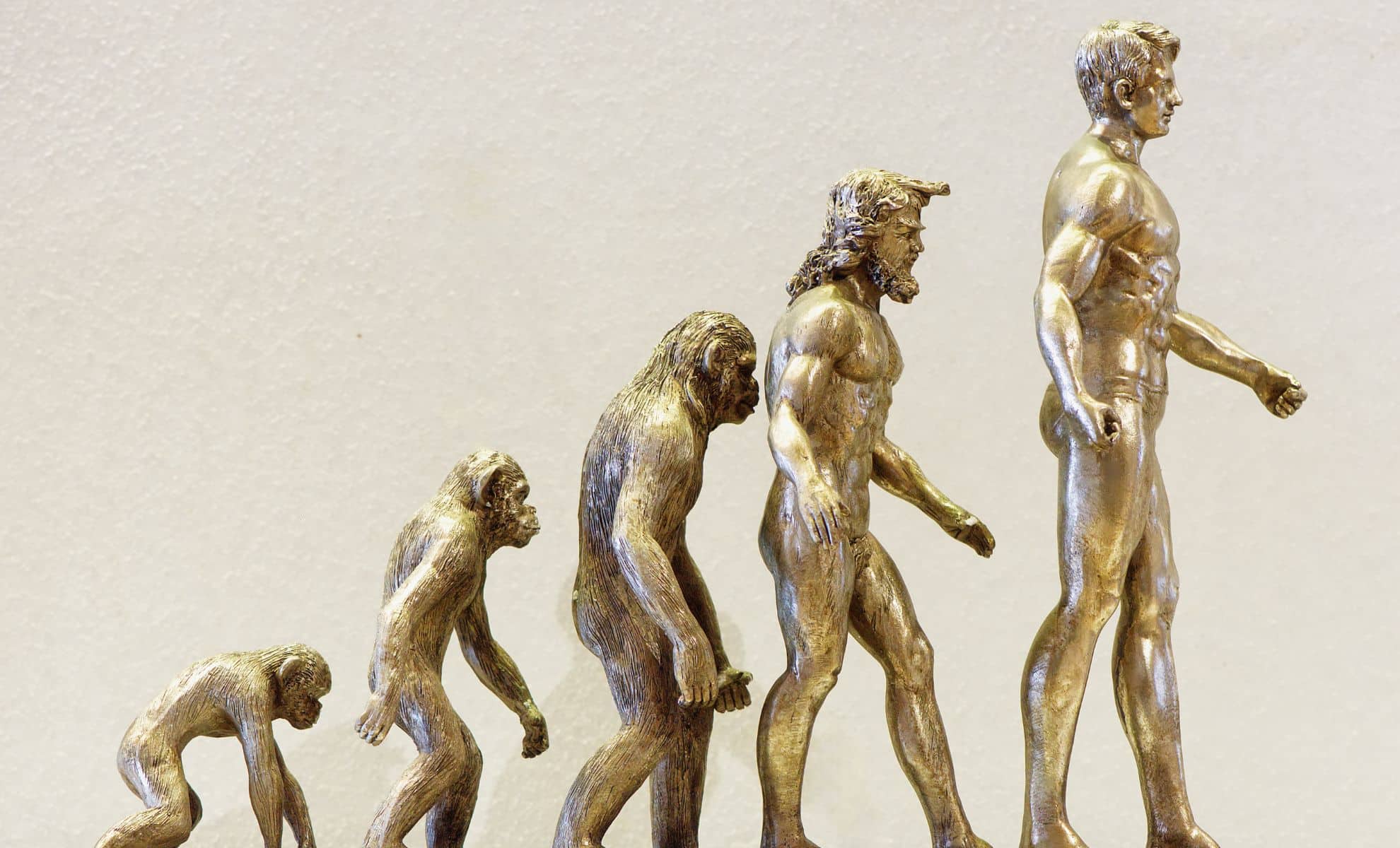
New fossil analysis reveals that mammals did not walk upright as early as previously thought, showing a complex, nonlinear evolutionary path with bursts of innovation and a later development of upright posture than once believed.
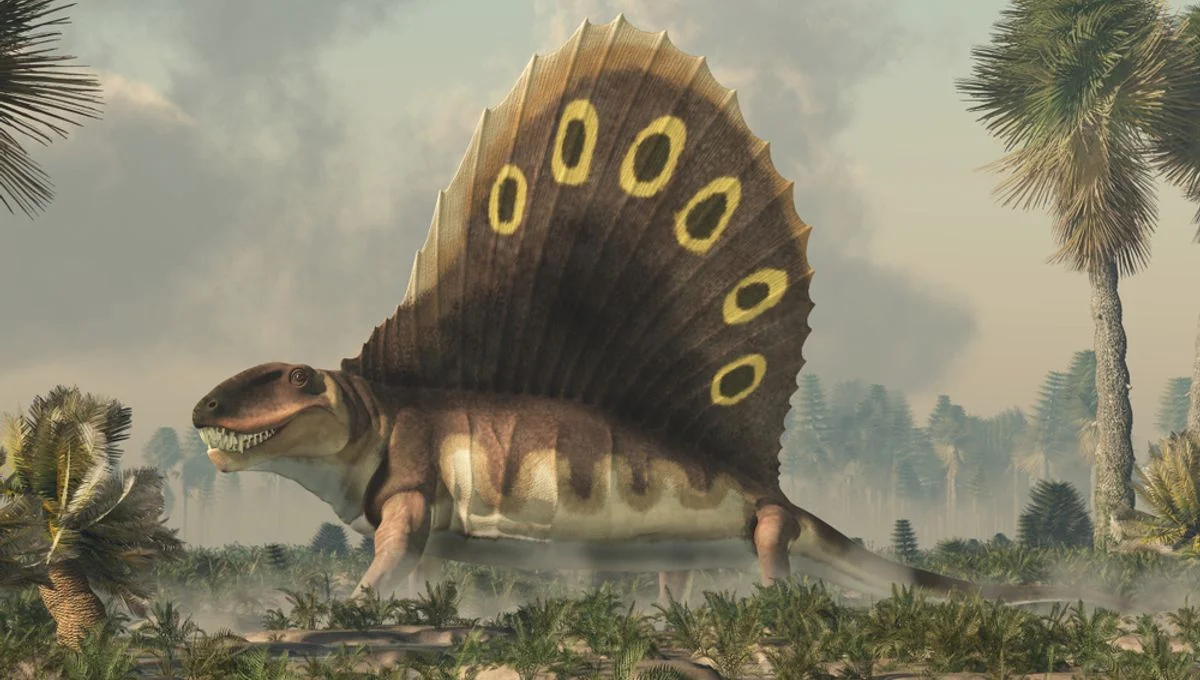
Before the rise of the dinosaurs, the Permian period was home to a diverse range of prehistoric animals, including synapsids like Dimetrodon, Cotylorhynchus, Edaphosaurus, Scutosaurus, and Inostrancevia. These creatures, which lived between 299 to 251 million years ago, were not dinosaurs but played important roles in the ecosystem. Unfortunately, a mass extinction event wiped out around 90 percent of life on Earth during the Permian Extinction. However, this extinction paved the way for the rise of the dinosaurs and subsequent biodiversity booms in the Triassic period.