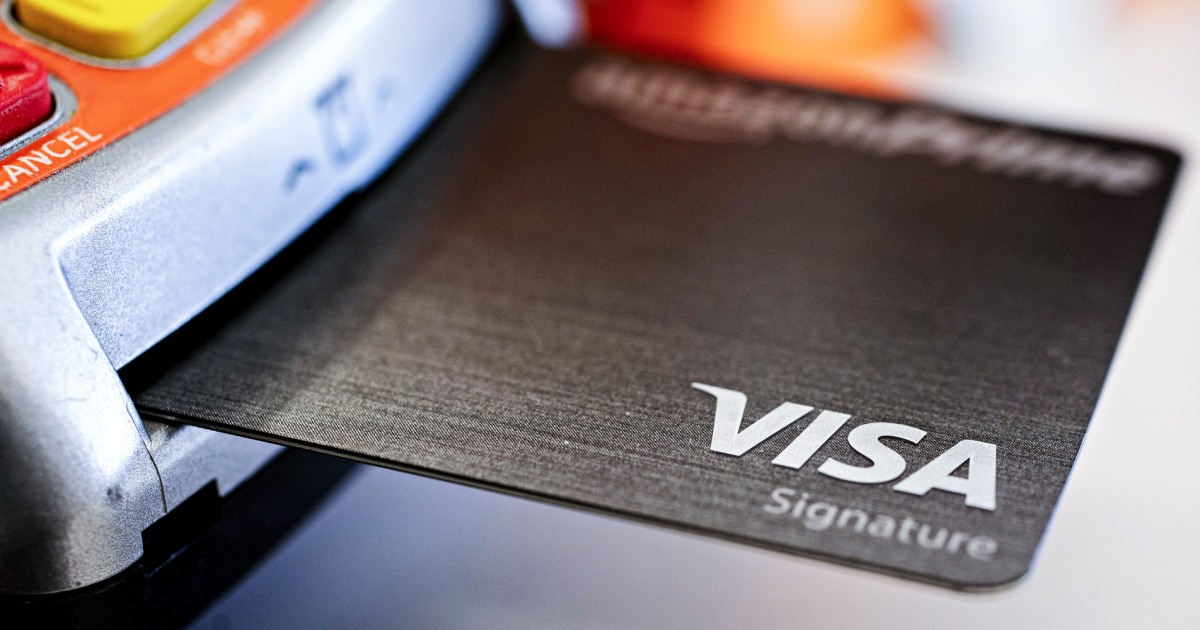
Visa and Mastercard have reached a revised settlement with merchants over swipe fees, which involves lowering fees slightly and providing more acceptance options, ending a 20-year legal dispute; the deal still faces approval and may face opposition from some merchants.
As cash transactions decline, small retailers are increasingly supporting initiatives to reduce credit card swipe fees, which can significantly impact their profit margins. These businesses are adapting to a more cashless economy by advocating for lower transaction costs associated with card payments.
Visa and Mastercard have reached a settlement with merchants to lower swipe fees, potentially leading to higher costs for high-end credit cardholders and changes to rewards programs. The settlement allows merchants to impose surcharges based on the type of credit card used, potentially impacting perks and fees for cardholders. While the settlement could benefit merchants, it may lead to reduced profits for banks and networks. Approval is pending, and changes may not take effect until next year or beyond.
Visa and Mastercard have settled a long-standing antitrust case, which will lower merchant swipe fees for card transactions and save businesses an estimated $30 billion in fees. While this is expected to benefit small businesses, there are concerns about how it may impact credit card rewards, as rewards cards typically have higher swipe fees. Experts are watching to see if this settlement will lead to changes in the rewards and perks offered to cardholders.
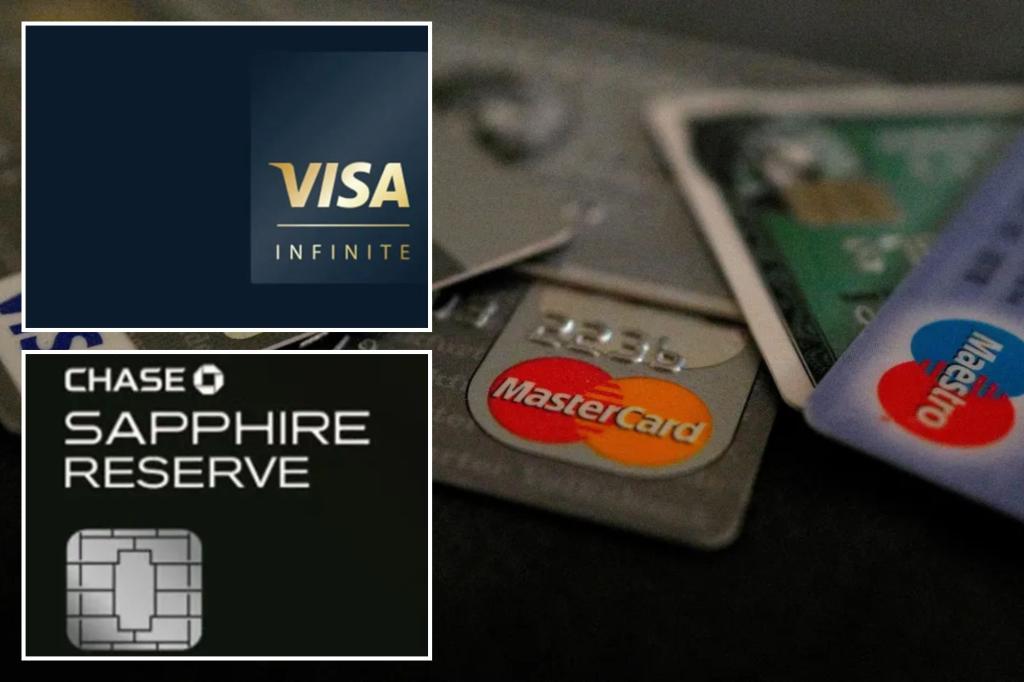
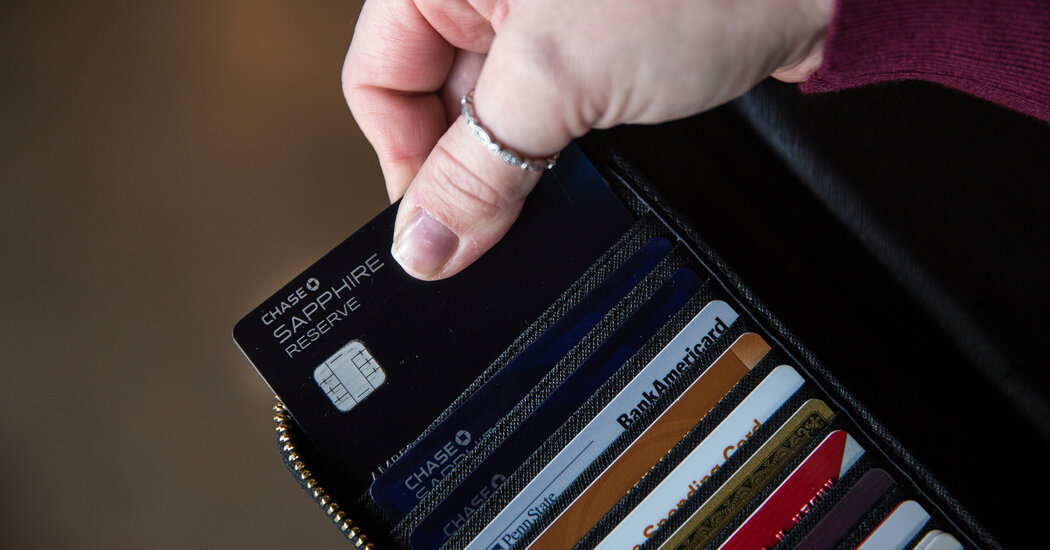
A $30 billion settlement between merchants and credit card giants Visa and Mastercard could lead to higher swipe fees for premium credit card holders, such as those with Visa Infinite and Chase Sapphire Reserve, as revealed in rate tables. The settlement allows merchants to charge consumers more for using elite cards, but some may choose not to for fear of backlash. Visa and Mastercard will reduce swipe rates and cap rates for several years, while also allowing merchants more discretion to offer discounts or impose surcharges on cards with higher interchange fees.
A proposed settlement between Visa and Mastercard and merchants in the United States aims to lower swipe fees for about five years, potentially saving merchants $30 billion. The settlement could also allow merchants to adjust prices based on the type of card used, impacting the economics of premium credit cards. This could have wider consequences for the credit card industry, as swipe fees are a significant source of revenue for card issuers and banks, particularly in funding rewards associated with high-end cards.
Visa and Mastercard have reached a settlement with U.S. merchants over swipe fees, potentially saving consumers billions of dollars. The deal would lower and cap fees, allowing small businesses to collectively bargain for rates. While seen as a positive step, industry groups believe more needs to be done to address the long-term anti-competitive rate-setting practices. The settlement stems from a 2005 lawsuit alleging excessive fees, and the law firm values the savings in swipe fees at close to $30 billion.
Visa and Mastercard have reached an agreement with retailers to lower interchange fees, potentially saving billions for merchants over the next five years. The agreement, subject to court approval, could impact credit card rewards and consumer costs. The settlement comes amid pressure for industry-wide legislation, but some believe the agreement may negate the need for new laws. The potential impact on small businesses, consumers, and the credit card industry remains to be seen.
Visa and Mastercard have agreed to cap the swipe fees they charge to merchants as part of a class-action settlement, potentially saving merchants an estimated $30 billion over five years. The settlement, subject to court approval, stems from a 2005 lawsuit by merchants arguing that they paid excessive fees to accept Visa and Mastercard credit cards. In addition to capping the fees, the companies will roll back posted swipe fees for at least three years and not raise them above last year's rates for five years. Merchants will also be allowed to adjust prices based on the costs of accepting different cards.
Visa and Mastercard have reached a settlement with U.S. merchants to lower and cap swipe fees until 2030, allowing small businesses to collectively bargain for rates with the payment processors. While industry groups see this as a positive step, they believe more needs to be done to address the long-term anti-competitive rate-setting practices. The settlement stems from a 2005 lawsuit alleging excessive fees, and the law firm values the savings in swipe fees at close to $30 billion. Small business owners welcome the settlement as a step in the right direction, but some believe it won't significantly change their bottom line. Eligible merchants can claim a share of the settlement until May 31.
Visa and MasterCard have settled a long-running antitrust lawsuit with U.S. merchants over swipe fees, agreeing to cap credit interchange fees until 2030 and negotiate fees with merchant buying groups. The settlement, stemming from a 2005 lawsuit, aims to address allegations of excessive fees and antitrust violations. If approved, the changes are expected to take effect in late 2024 or early 2025, potentially saving consumers billions of dollars.
Lawmakers in Washington, D.C. are considering a bill called the Credit Card Competition Act of 2023, which aims to reduce the "swipe fees" that retailers pay for credit card transactions. While this could benefit smaller retailers by lowering costs, it may jeopardize credit card rewards programs that rely on these fees to fund their offerings. Consumers, who earn billions of dollars in rewards annually, are concerned about the potential loss of these lucrative programs, which provide cash back or travel benefits. The bill's impact on consumers and retailers is a subject of debate, with some arguing that reduced fees would lead to lower prices, while others worry about the consequences for families and the potential for fraud protection to be affected.
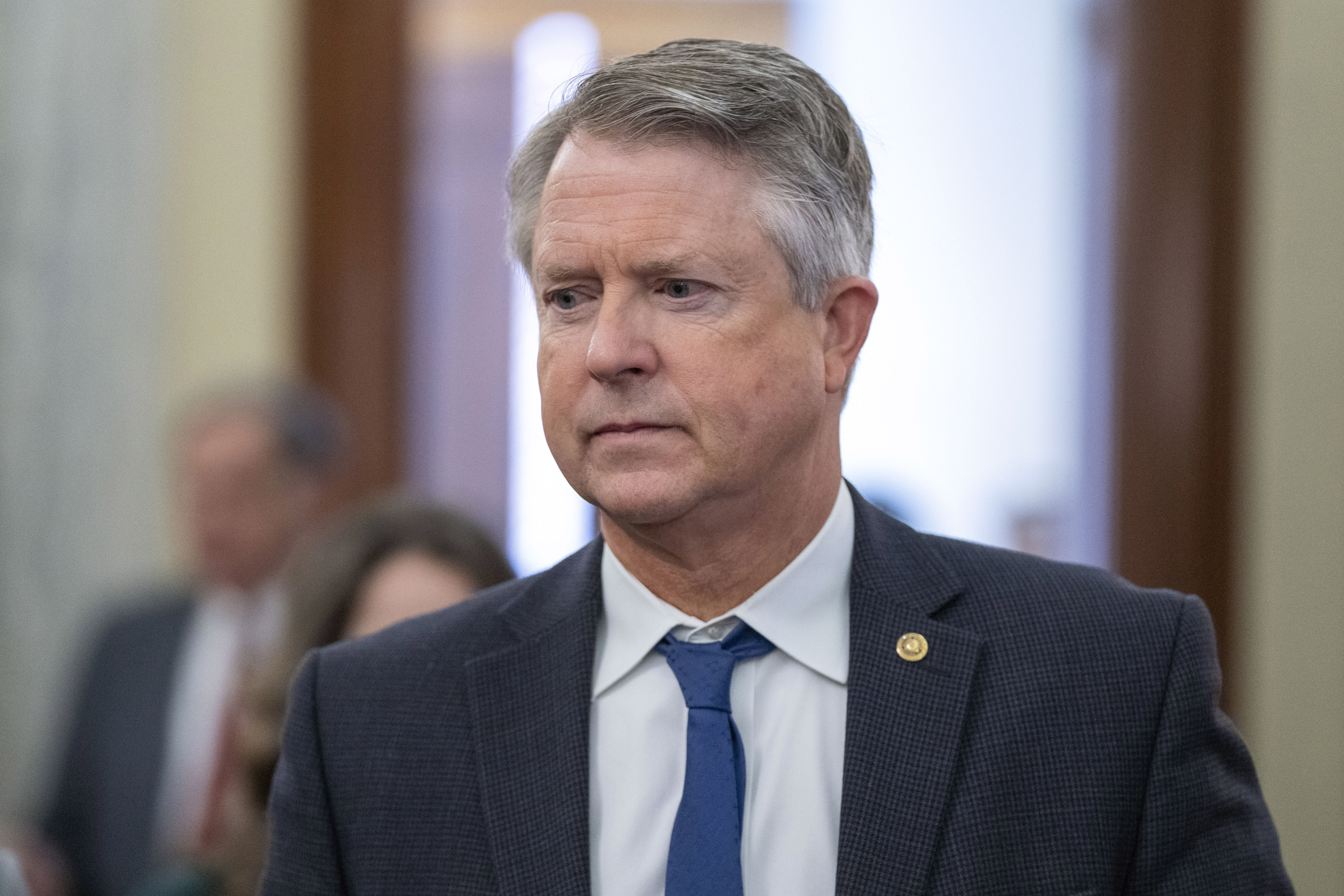
GOP Senator Roger Marshall is threatening to delay the vote on the annual defense policy bill unless his amendment targeting credit card swipe fees is included. Marshall and Senator Dick Durbin have reintroduced legislation to force major payment networks to compete on swipe fees, which has faced opposition from Wall Street and payment network lobbyists who argue it would benefit big box retailers at the expense of consumers and credit card reward programs.