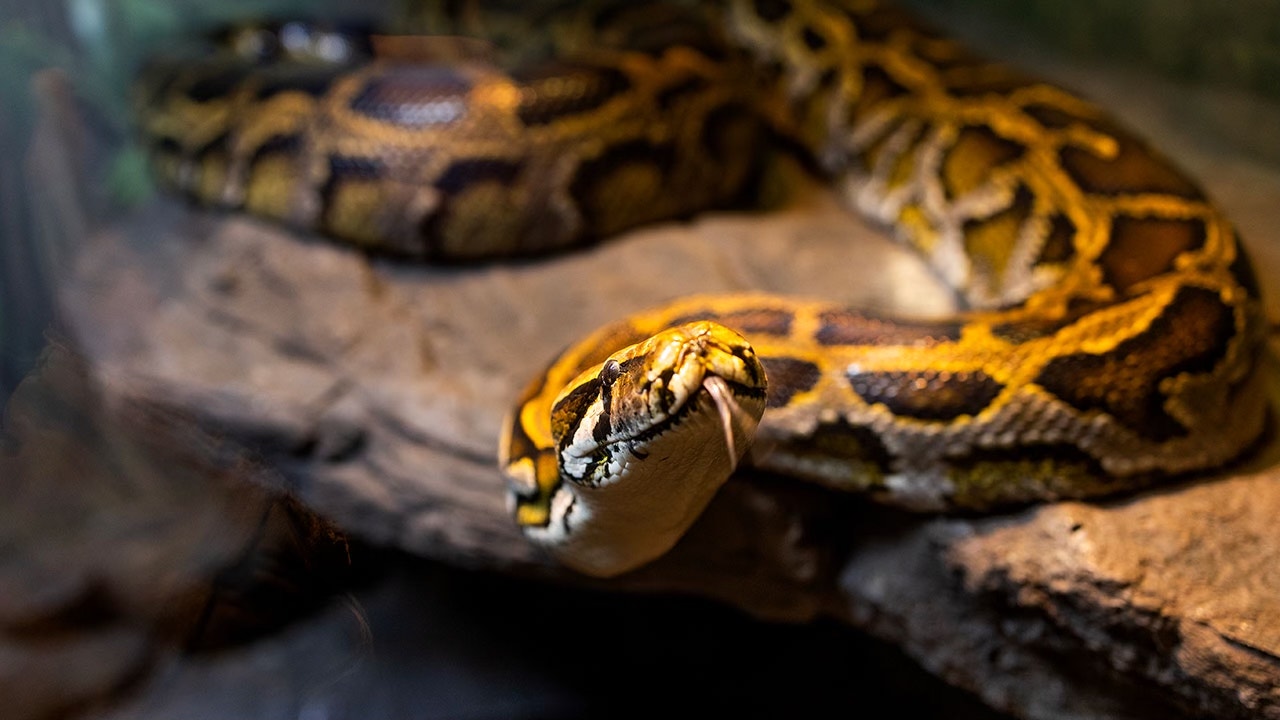
A study published in Scientific Reports suggests that python farming could offer a sustainable solution to food insecurity, particularly in countries where people are open to consuming reptile meat. The research found that Burmese and reticulated pythons exhibited fast growth rates and efficient feed conversion, potentially outperforming mainstream agricultural species in terms of sustainability criteria. However, challenges such as labor requirements and public fear of the creatures could hinder their agricultural potential.
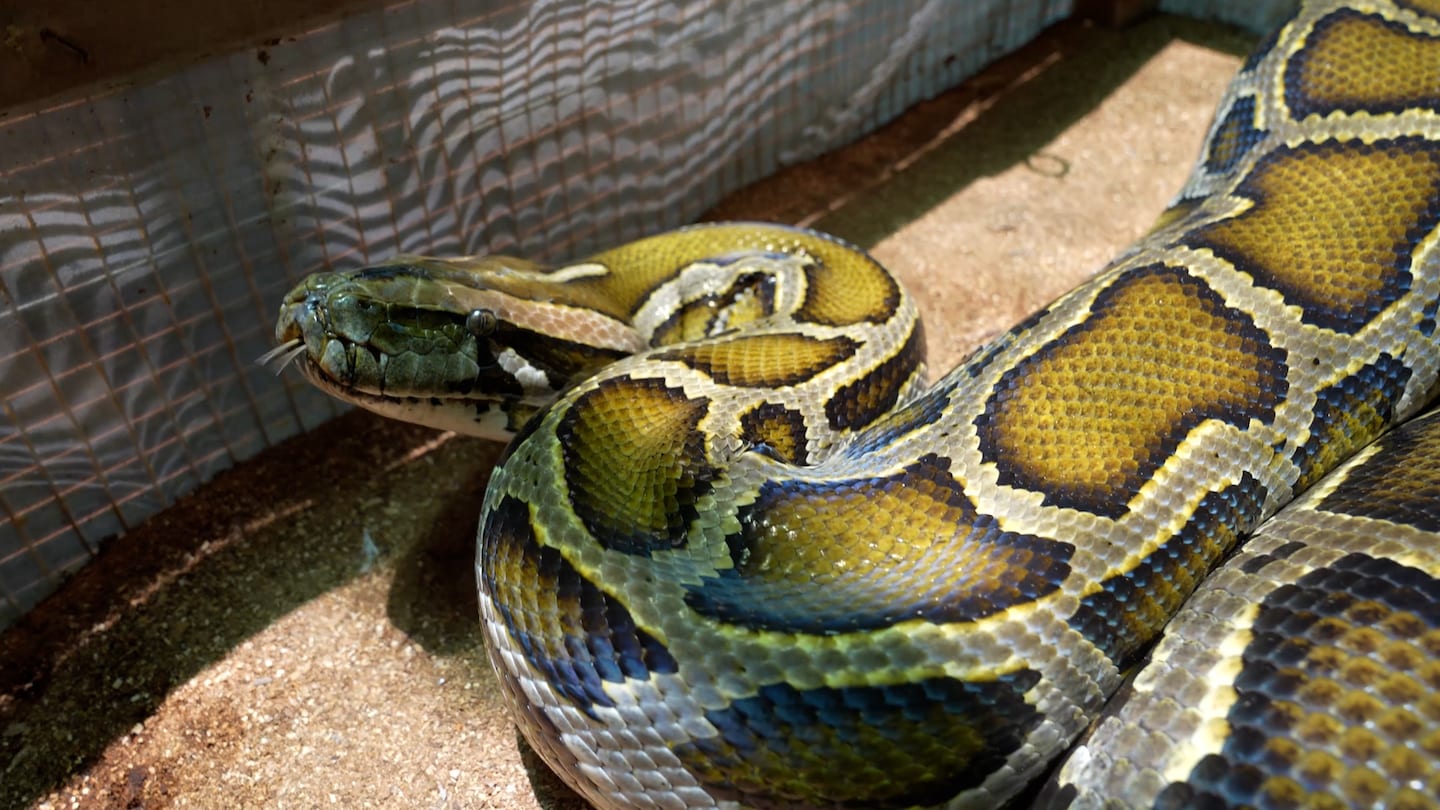
Researchers have found that farming pythons for meat could offer a sustainable solution to rising food insecurity exacerbated by climate change, as the snakes require less food and water, grow rapidly, and can produce protein more efficiently than other farmed products. Despite being a delicacy in Asia, pythons are unlikely to become a staple in Western diets, but they could provide a climate solution for farmers in regions facing food insecurity. Additionally, commercial snake farming could incentivize the conservation of wild populations and their habitats, offering a low-barrier alternative to lab-grown meat.
A new study suggests that python farming could provide a more sustainable source of meat due to the reptile's ability to reproduce rapidly and survive on minimal food. Researchers observed python farms in Southeast Asia and found that pythons can grow rapidly and endure disruptions in food supply chains and extreme weather events. While some experts advocate for python meat as a sustainable protein source, animal welfare organizations caution against prioritizing animal-based proteins and encourage a plant-based diet instead.
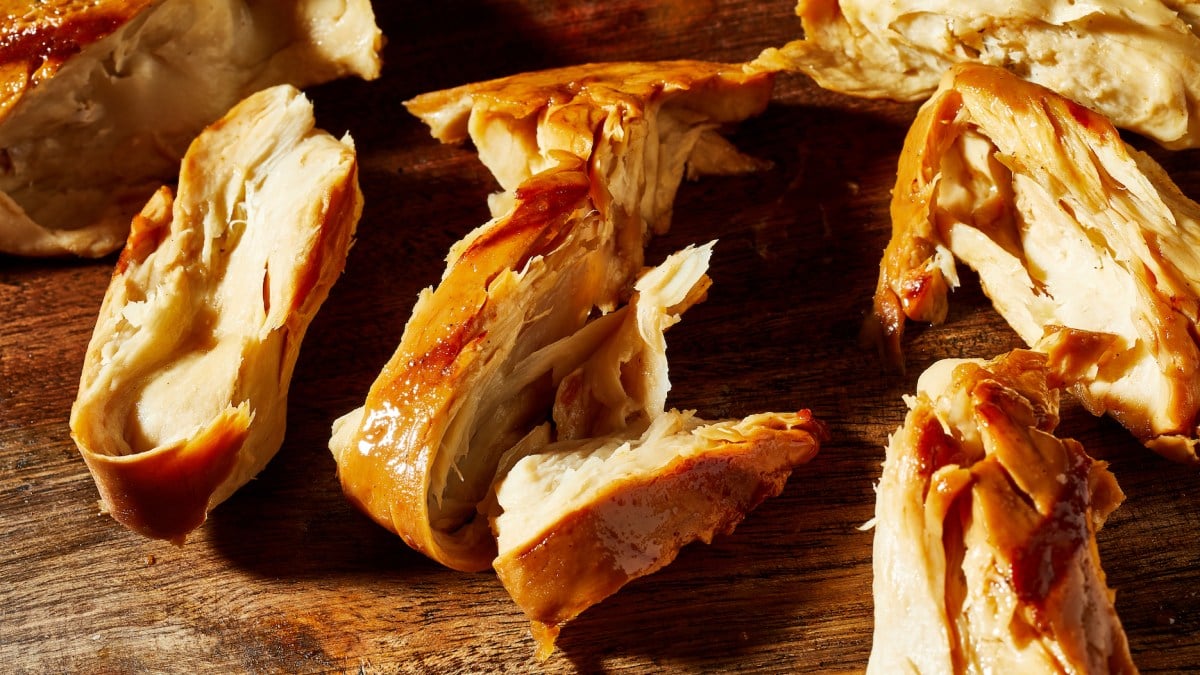
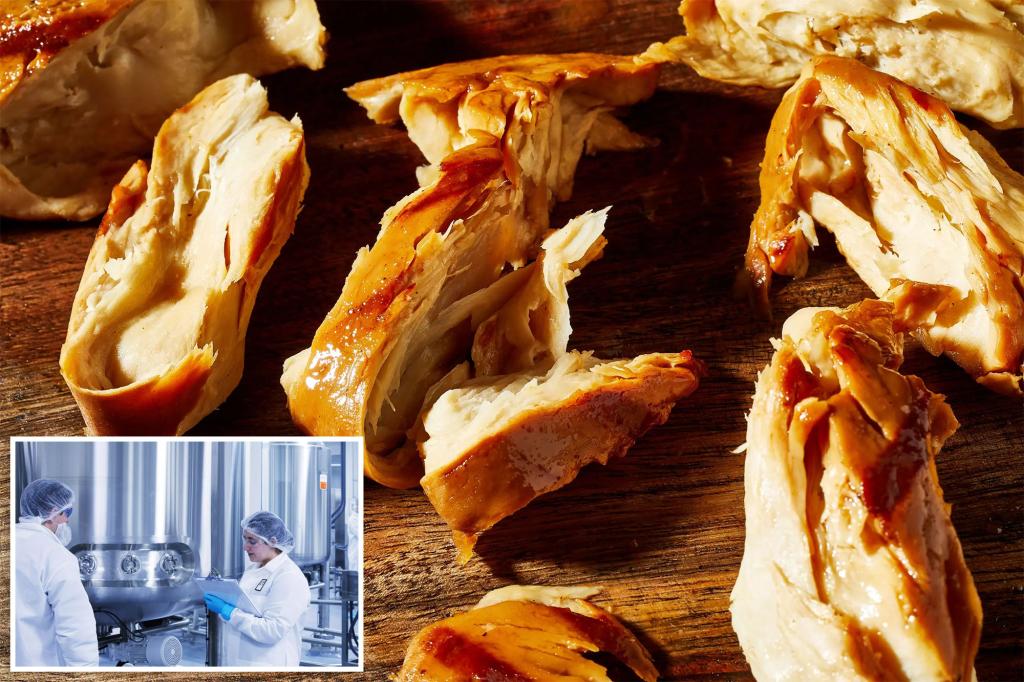
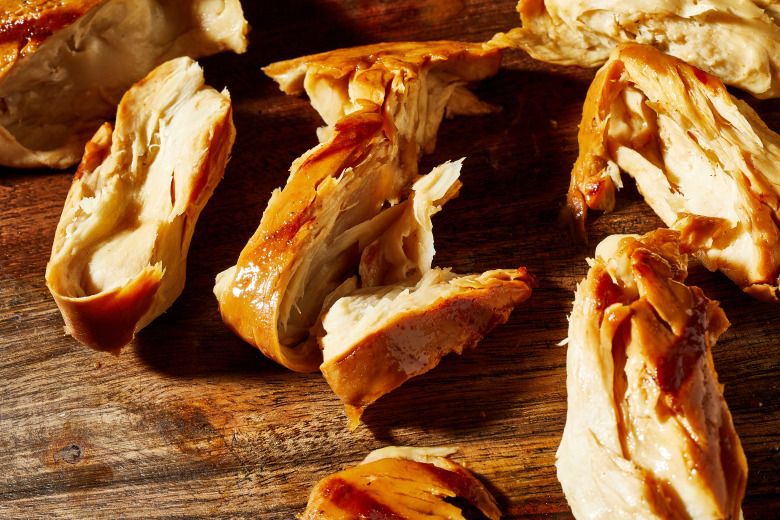
Good Meat, the cultivated meat unit of Eat Just, has received regulatory clearance from the US Food and Drug Administration (FDA) for its production method, making it the second company to receive the "no questions" clearance from the FDA. The company's initial plans are to work with chef José Andrés to sell the company's chicken in one of his Washington, D.C. restaurants. The cultivated meat industry is predicted to reach $25 billion in value by 2030 and is estimated to cut greenhouse gas emissions by up to 96% via less water, land use, and energy over the traditional way of using animals to make meat.
The FDA has approved GOOD Meat's lab-grown chicken product, marking the second such authorization in the US. The company is now working with the US Department of Agriculture on necessary approvals. GOOD Meat plans to initially sell its product at the 30 restaurants owned by chef José Andrés. Cultivated meat is derived from a small sample of animal cells that are fed nutrients and grown in steel vats before being processed into cuts of meat.
GOOD Meat has become the second startup to receive a 'no questions' letter from the US Food and Drug Administration (FDA) for its process of growing chicken from cells outside of the animal. The company plans to produce cultivated chicken products for the US market later this year from a 3,500-liter bioreactor in Alameda, California, pending approval from the US Dept of Agriculture (USDA). The FDA regulates cell collection, banking, growth, and differentiation for cultivated meat and poultry, while regulatory oversight switches to the USDA once the cells are harvested and through the processing and labeling stages.