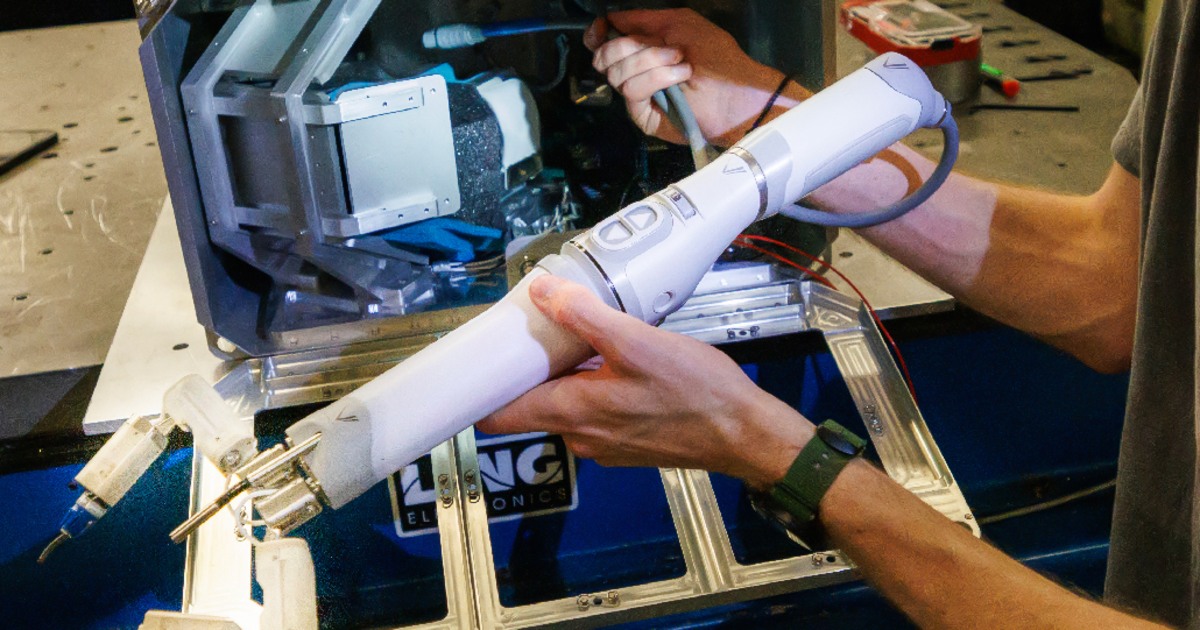
The University of Nebraska-Lincoln's miniature surgical robot, spaceMIRA, was successfully tested aboard the International Space Station, performing simulated operations while being remotely controlled by surgeons on Earth. The technology, developed for potential use in long-duration spaceflights, could also have applications in rural communities and remote areas lacking adequate healthcare resources. The robot's two-handed approach was demonstrated during the test, and it is being developed for commercial use by startup Virtual Incision.
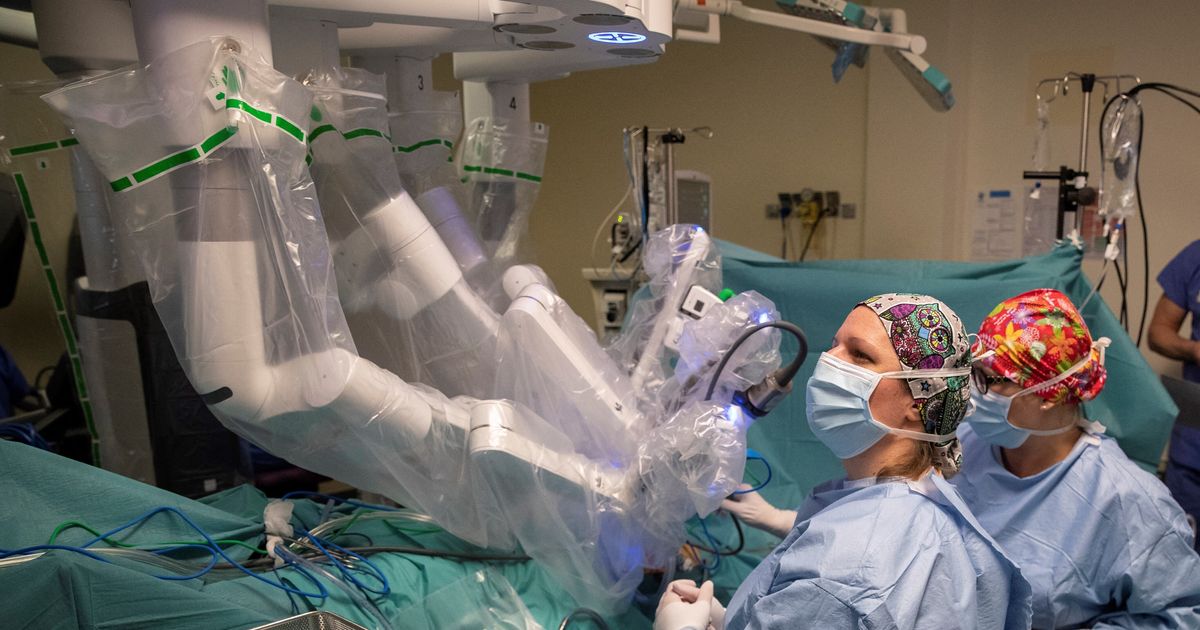
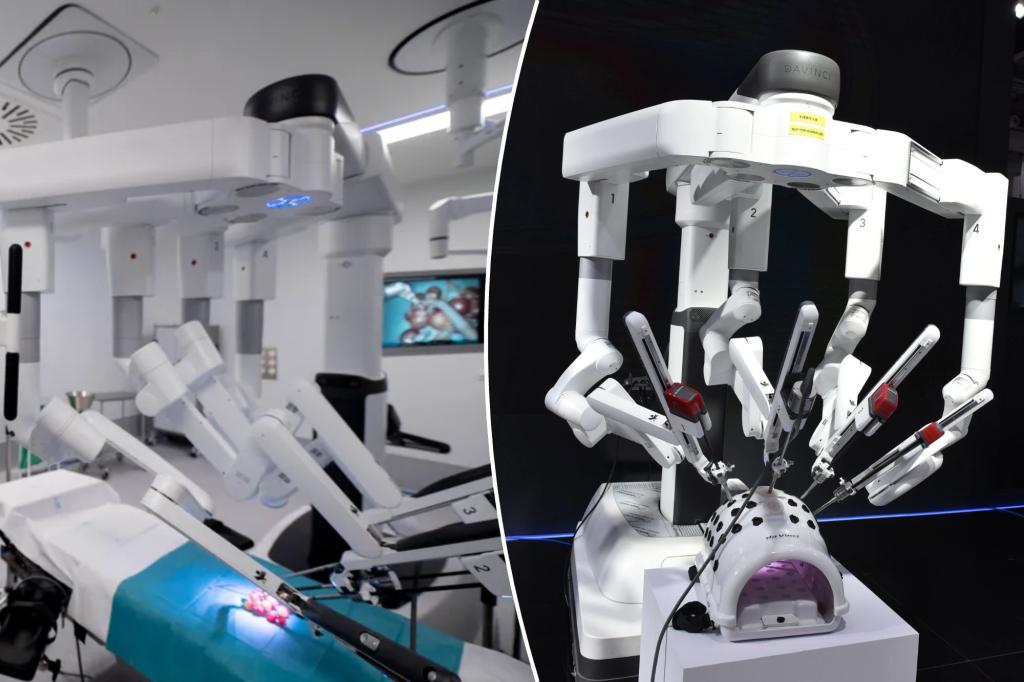
A lawsuit filed by a Florida man blames his wife's death on injuries caused by a da Vinci robotic system during cancer surgery at Baptist Health Boca Raton Regional Hospital. The lawsuit accuses Intuitive Surgical Inc. of negligence and product liability, alleging that the robotic system caused a burn leading to a tear in the patient's small intestines. The company has been cited in numerous liability lawsuits across the United States, with trial dates scheduled this year, and is accused of pressuring hospitals and physicians to purchase and use the robot.
A widower is suing medical manufacturer Intuitive Surgical, claiming that its da Vinci surgical robot burned a hole in his wife's organs during a procedure to treat her colon cancer, leading to her death. The lawsuit alleges that the company knew about insulation issues that could cause the device to burn internal organs but didn't disclose the risk. The lawsuit also claims that the manufacturer sells its robots to hospitals with no experience in robotic surgery and doesn't properly train surgeons in how to use the device. The widower is seeking over $75,000 in damages for negligence, product liability, loss of consortium, and punitive damages.
A man is suing Intuitive Surgical, the maker of the da Vinci surgical robot, alleging that the robot burned and tore his wife's small intestine during surgery, leading to her death. The lawsuit claims that the company received numerous reports of injuries and defects related to the robot, and that it underreported the severity of these injuries to the FDA. The plaintiff is seeking damages and relief on the grounds of negligence and product liability.
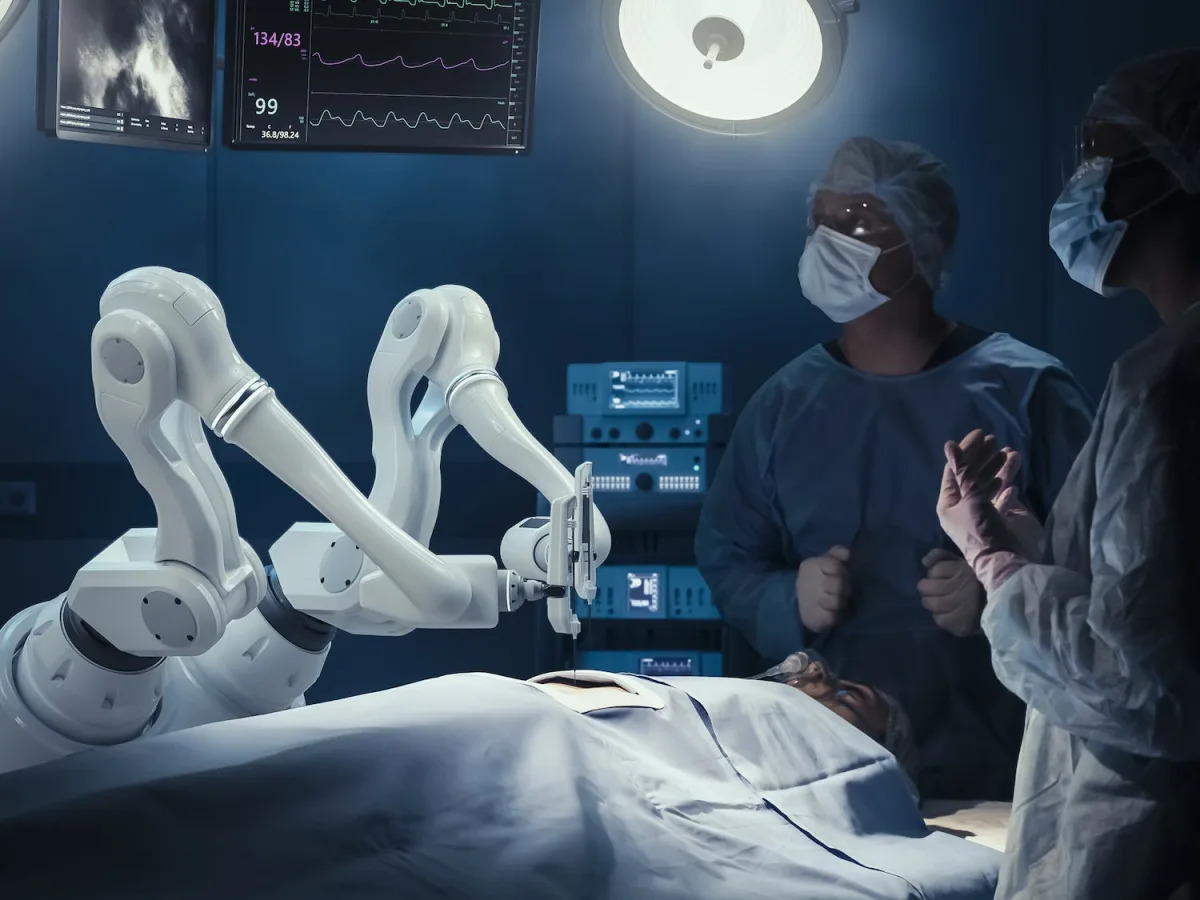
A lawsuit alleges that a surgical robot caused severe burns to a woman's intestine during a routine hysterectomy, ultimately leading to her death. The family is seeking legal action for medical malpractice, claiming that the robot's malfunction resulted in the tragic outcome.
Intuitive Surgical has submitted for FDA clearance of its next-generation da Vinci 5 multiport surgical robot, with hopes for a 2024 launch. The company reported strong Q4 results, with revenue up 17% year-over-year. The da Vinci 5 will join Intuitive’s existing robotic surgical system portfolio, and the company is also in discussions with regulators in Japan and South Korea. Intuitive is gearing up for da Vinci 5 manufacturing and promises more details about its features and benefits after FDA clearance.
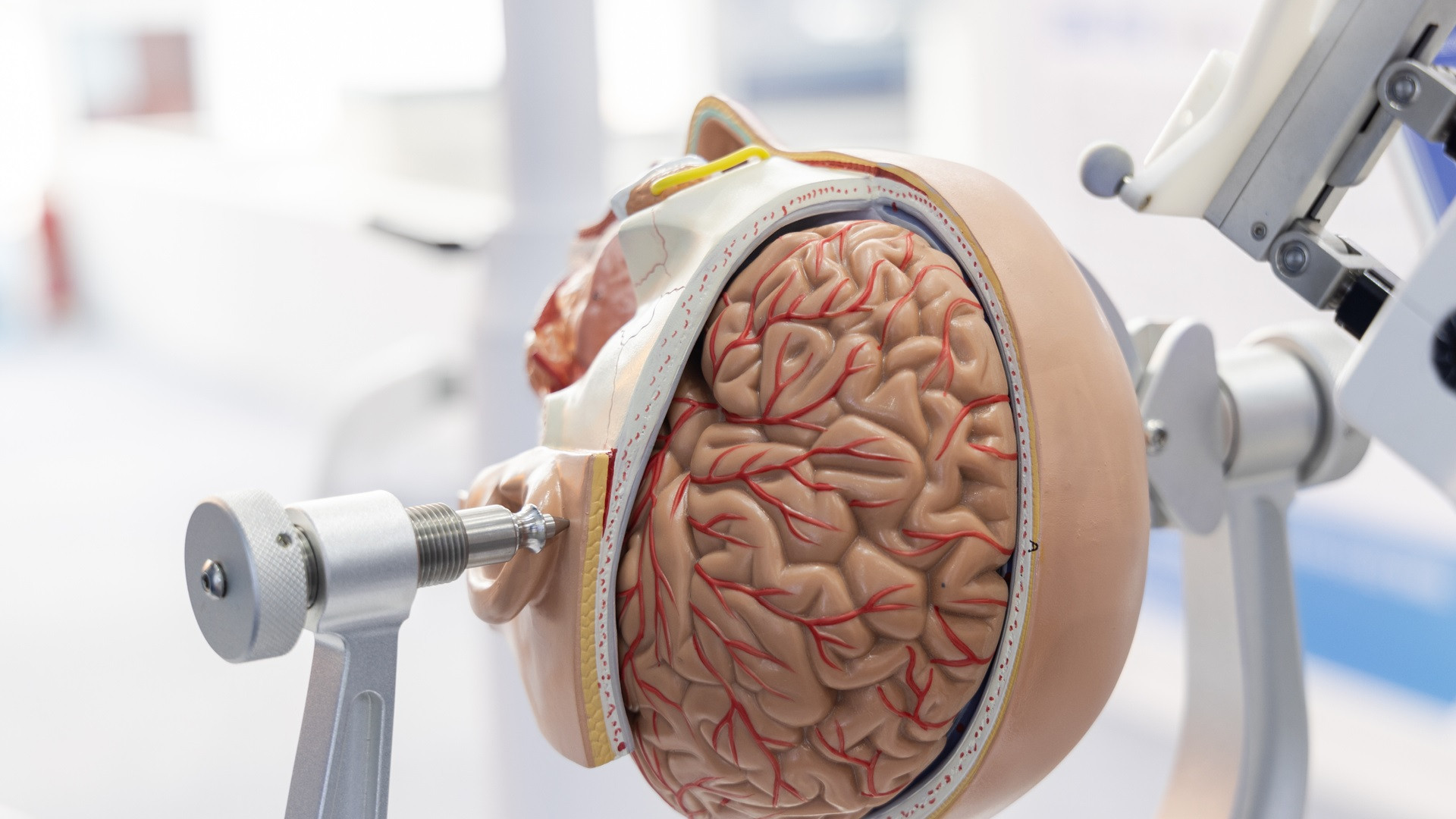
A new surgical robot has been developed that is agile enough to remove brain tumors from children's small skulls. The robot utilizes hollow arms and incorporates technologies such as tendon actuation and concentric tube robots, making it a promising tool in pediatric healthcare.