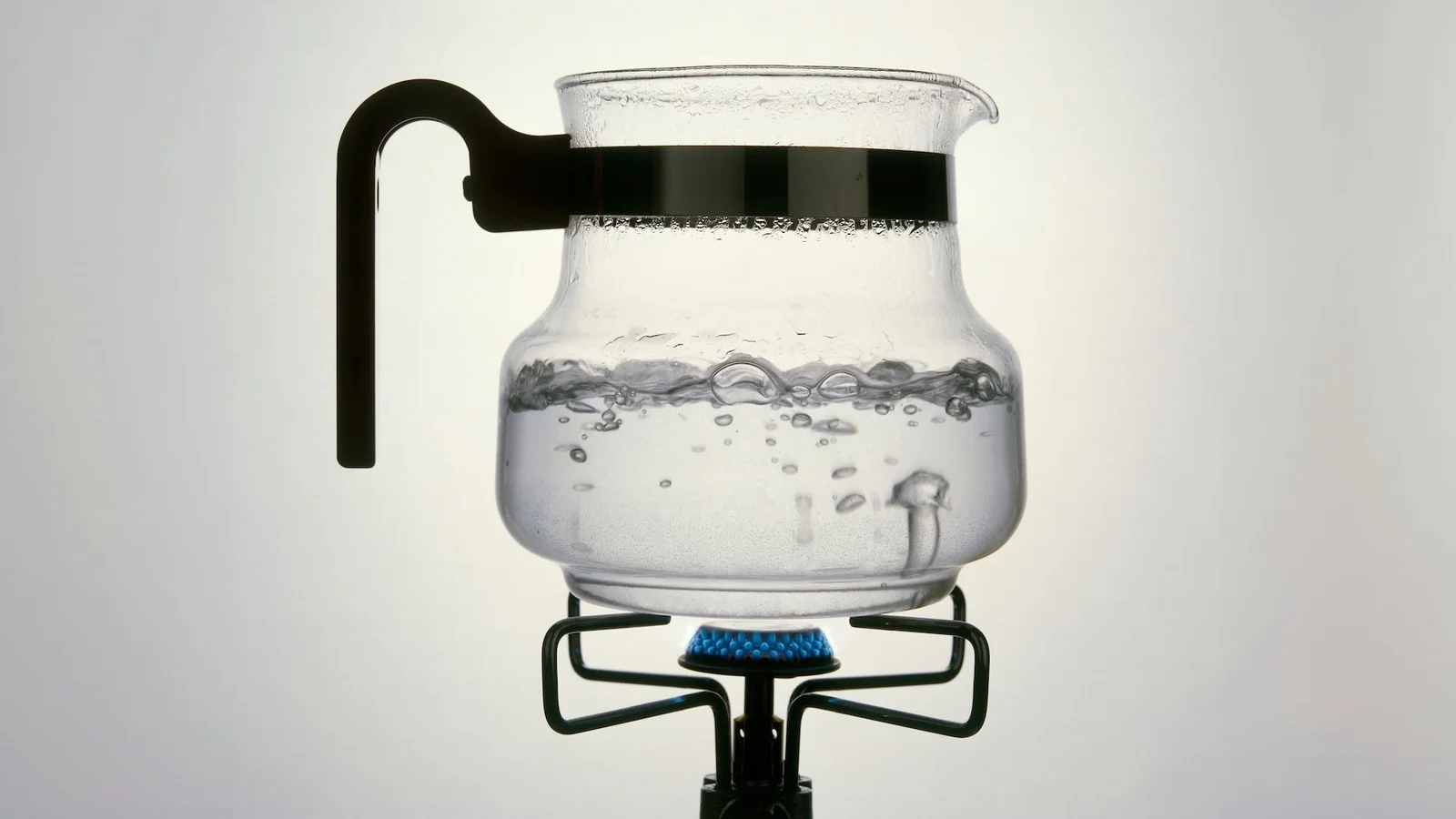
Bubbles form when water reaches its boiling point and a bubble's formation depends on overcoming surface tension; microwave heating often suppresses bubble formation, leading to superheating, which can cause water to explosively boil when disturbed.
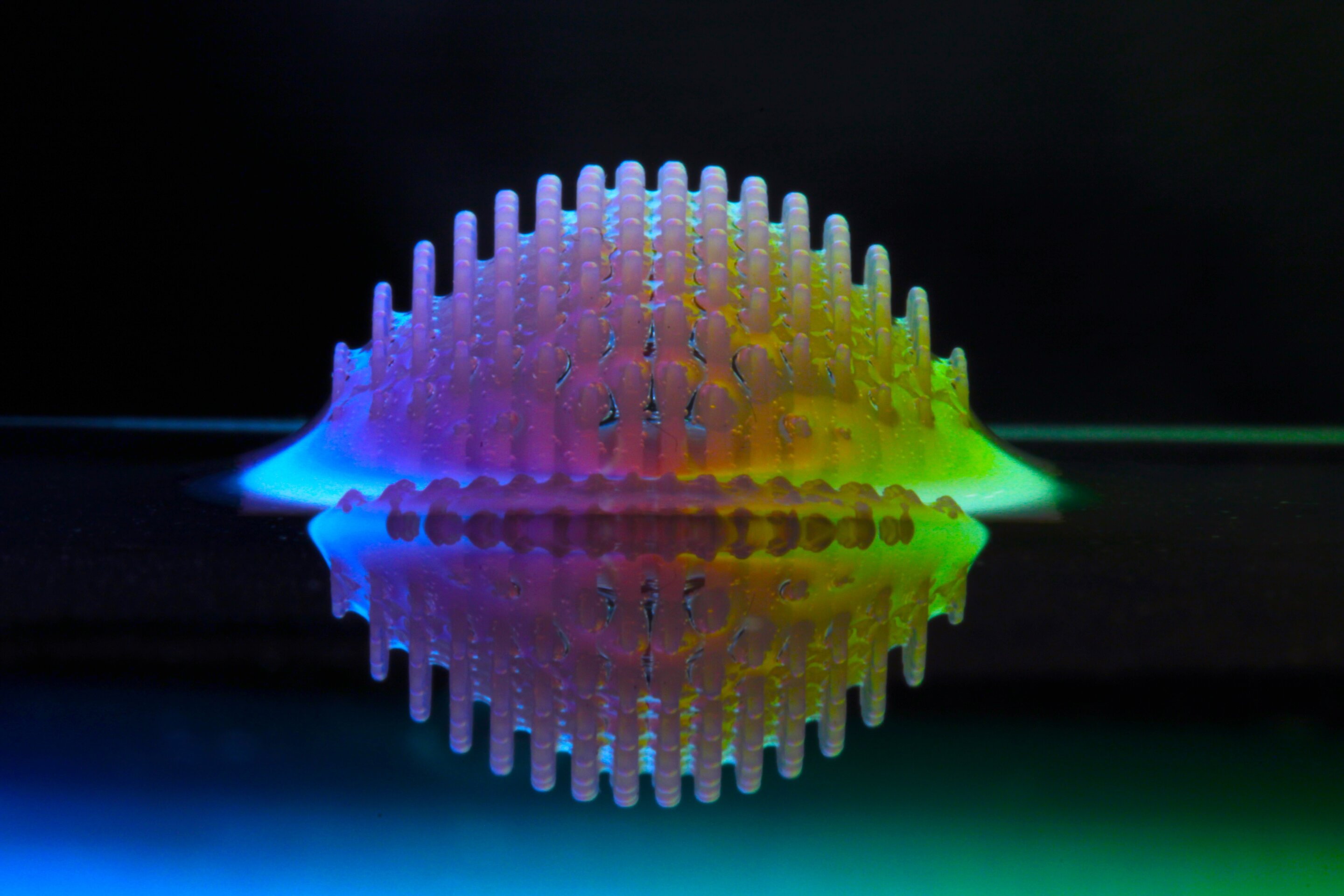
Physicists at the University of Liège have used 3D-printed spines to manipulate water surfaces by creating programmable liquid landscapes through surface tension, enabling new possibilities in microscopic transport, sorting, and pollution control.
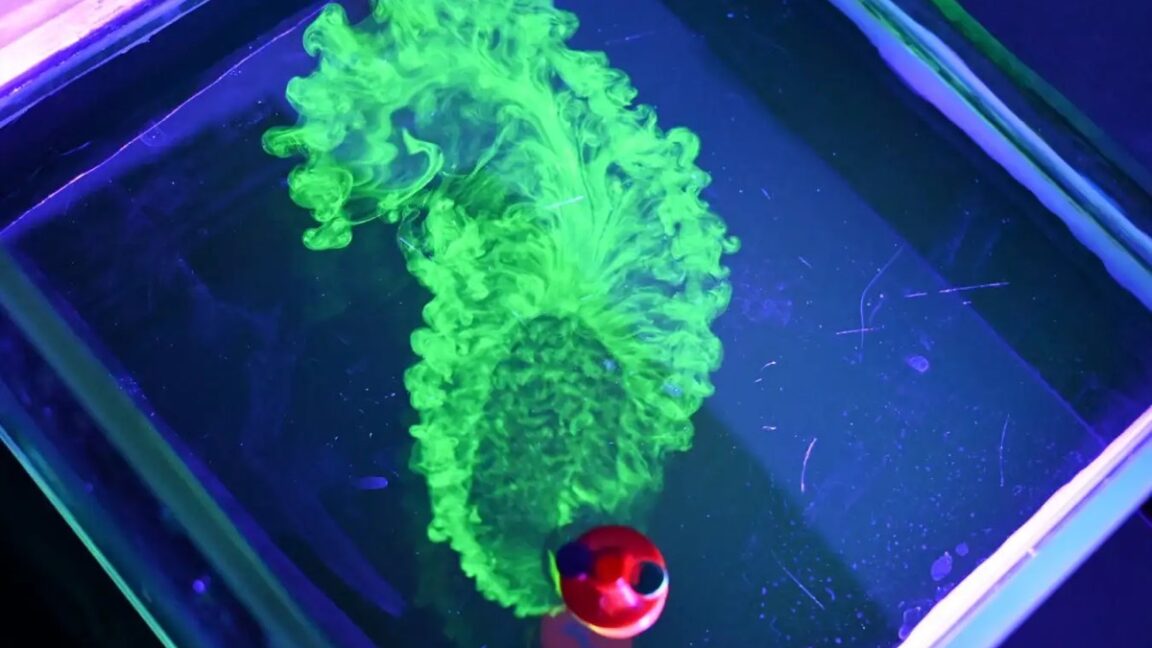
Researchers have developed a novel robot design inspired by the "Cheerios effect," which involves the natural clumping of floating objects due to surface tension and buoyancy. By using ethanol to power tiny robots across liquid surfaces, these devices can potentially perform various environmental or industrial tasks. The study, posted on the physics arXiv, highlights how the "Cheerios effect" can facilitate self-assembly of these robots, leveraging capillary action and surface tension to enhance their movement and clustering capabilities.
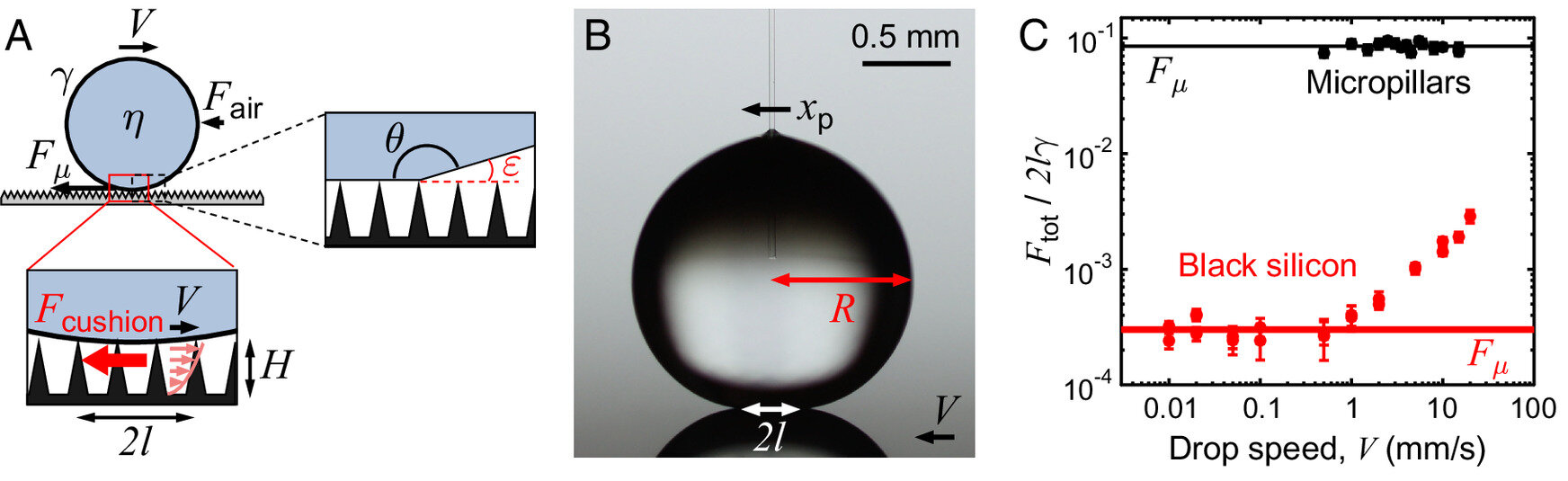
Physicists have identified and explained a previously unknown force that causes drag on water droplets moving across superhydrophobic surfaces, such as black silicon. This force, known as the shearing effect, arises from the movement of droplets on highly slippery surfaces and creates a drag-like force on the droplet itself. By developing a unique micropipette force sensor technology, researchers were able to measure these tiny forces and propose a solution for eliminating the drag force altogether, which could lead to the development of better superhydrophobic surfaces with improved performance.
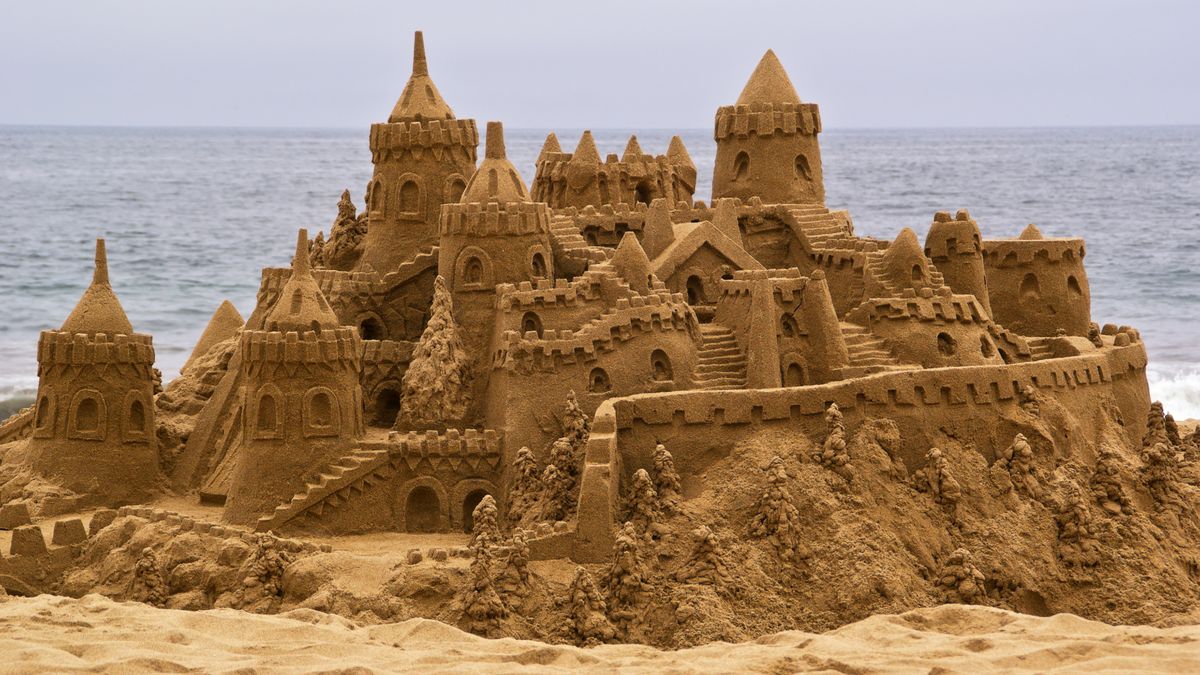
Sandcastles stay together through a combination of sand, water, and air. Water adheres to the surface of sand grains, forming small bridges that hold the grains together. The strength of these bridges is governed by the surface tension of water. The perfect sandcastle requires one part water for every eight parts dry sand. Angular grains with sharp corners interlock more, increasing stability. Adding a small fraction of clay to the sand helps create more water bridges for sturdier construction. Salt from seawater can help stabilize sandcastles, but they will eventually dry out and become fragile.
Researchers have developed a mechanistic formulation for inorganic membranes at the air-liquid interface, which could lead to the creation of new types of membranes for applications such as water purification and gas separation. The study focused on the interfacial tension between the membrane and the liquid, as well as the elasticity of the membrane. The researchers used a combination of theoretical modeling and experimental techniques to develop their formulation, which could be further refined using cellular automata simulations.