Silver’s industrial demand supports upside but also introduces price- and supply-related risk, while Bitcoin’s fixed supply and halving-driven scarcity make it the clearer long-term bet for 2026, despite volatility and custody considerations.
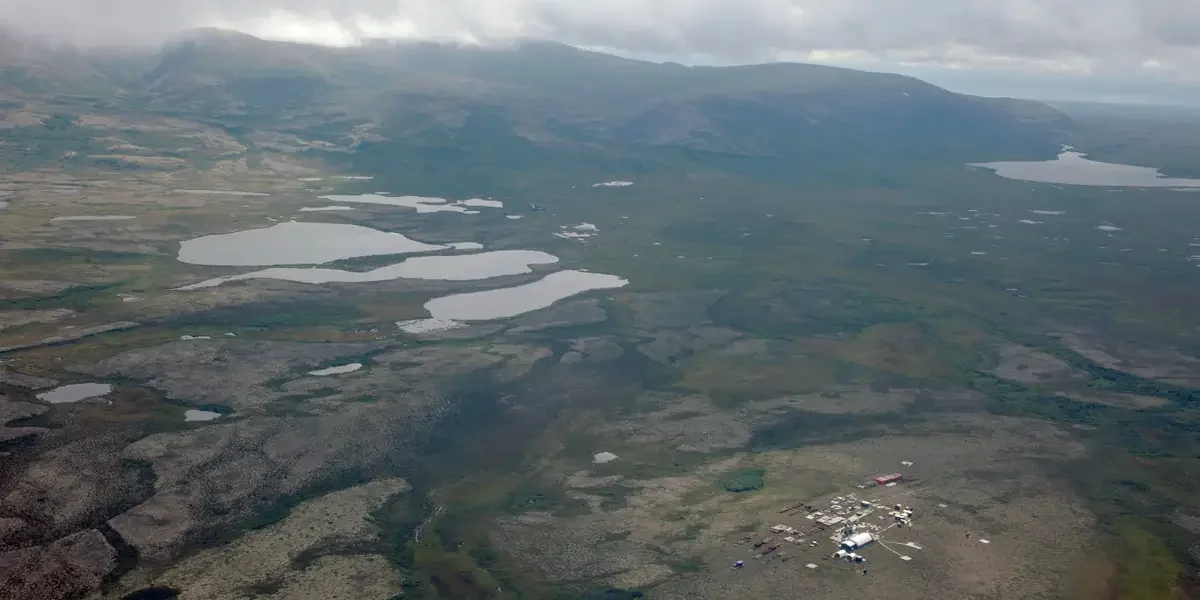
Copper prices are surging and demand is expected to outpace supply for the next decade. The Pebble Mine in Alaska sits on vast copper and gold deposits but has been blocked by an EPA veto since 2014, stalling what could be a key domestic source for AI-driven infrastructure. Projections from S&P Global warn of a roughly 10 million metric ton copper shortfall by 2040 unless new mines come online, reviving calls to reevaluate permitting and push for domestic production amid political and environmental opposition across administrations.
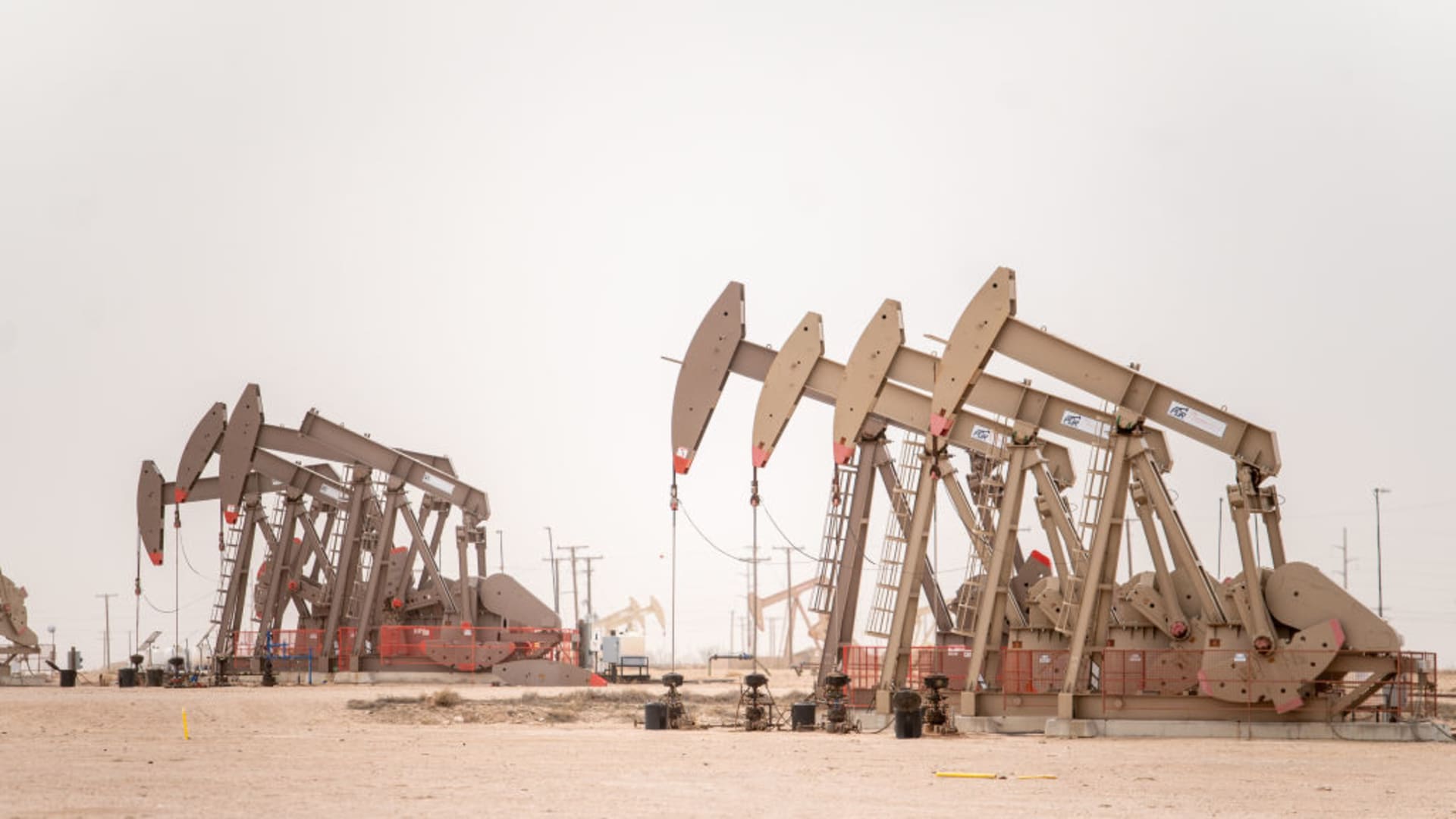
Oil prices retreat after a geopolitics-driven spike as the market shifts back to a glut narrative: global crude supplies are seen exceeding demand, with Goldman Sachs trimming 2026 Brent forecasts and U.S. output growth slowing. The U.S. has partly taken over Venezuela’s oil industry via crude sales, weighing on prices, while disruptions near the Black Sea and sanctions on sanctioned producers add volatility. Kazakhstan’s output decline, the EU’s Russian oil price cap, and renewed talk of geopolitical risk coexist with expectations of ongoing supply growth from the EIA/IEA and OPEC’s pauses, alongside record Chinese imports. Traders increasingly believe there is too much oil in the world, making precise price predictions unreliable.
Nintendo's president defends the $449 price of the Switch 2, highlighting its value and monitoring potential barriers for consumers, especially children. The company is addressing supply shortages, particularly in Japan, and exploring ways to manage rising development costs through innovative software development. Concerns about Game-Key Cards and game preservation are acknowledged, with Nintendo emphasizing collaboration with publishers to support diverse distribution methods.
OPEC+ will meet in Vienna on June 4 to decide on further production policy steps amid supply volatility, demand uncertainty, and a prospective recession. The group has lowered output by 2 million barrels per day since October 2020 to combat lower demand. Some members have also announced additional voluntary cuts totaling 1.6 million barrels per day in April. Saudi Arabia has warned oil market speculators they could face further pain ahead, in comments some have read as hinting further supply cuts could be in the cards. However, further output cuts are unlikely this weekend unless demand stays low in China.
Oil prices have stagnated near the $80 per barrel threshold, despite OPEC+ producers' decision to cut output earlier this month. Analysts attribute this to broader financial turmoil and recessionary concerns outweighing supply-demand fundamentals. China's reopening has been factored into current pricing, and Beijing's needs are being met by Russian oil. The International Energy Agency warns that the latest cuts risk exacerbating supply-demand strains, pushing both crude and product prices higher. The US, historically a defender of curbing prices at the pump, has been forced to reconsider its stance due to crude oil supply shortages and soaring gasoline prices.
Brent oil prices fell below $72 per barrel due to turmoil in the banking sector, with the downfall of Silicon Valley Bank and the takeover of Credit Suisse by UBS. OPEC+ delegates noted that the drop was likely temporary and not underpinned by supply-demand fundamentals surrounding the physical commodity, but stressed the need to monitor the potential effect on central bank interest rate decisions and inflation. Goldman Sachs cut their oil price outlook, now expecting Brent prices to hit $94 per barrel in the upcoming 12 months.