MIT scientists have successfully imaged 'second sound,' a wave-like heat propagation in superfluid quantum gases, using a novel thermography technique, which could have implications for understanding high-temperature superconductors and neutron stars.
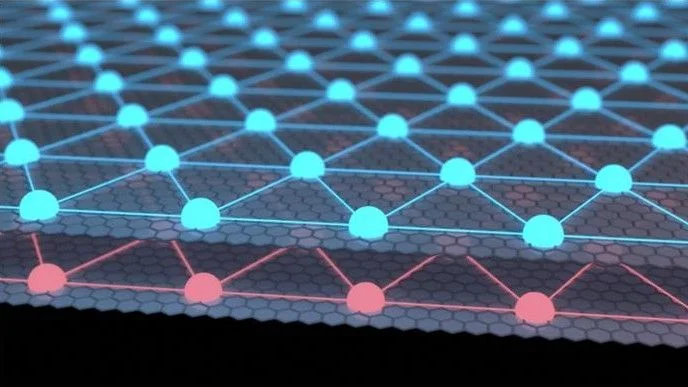
A new qubit technology involves trapping lone electrons on the surface of liquid helium, leveraging old physics and the superfluid properties of helium to potentially scale quantum computers more efficiently. The system uses low temperatures and unique trapping methods to control electrons, offering a promising alternative in quantum tech development.
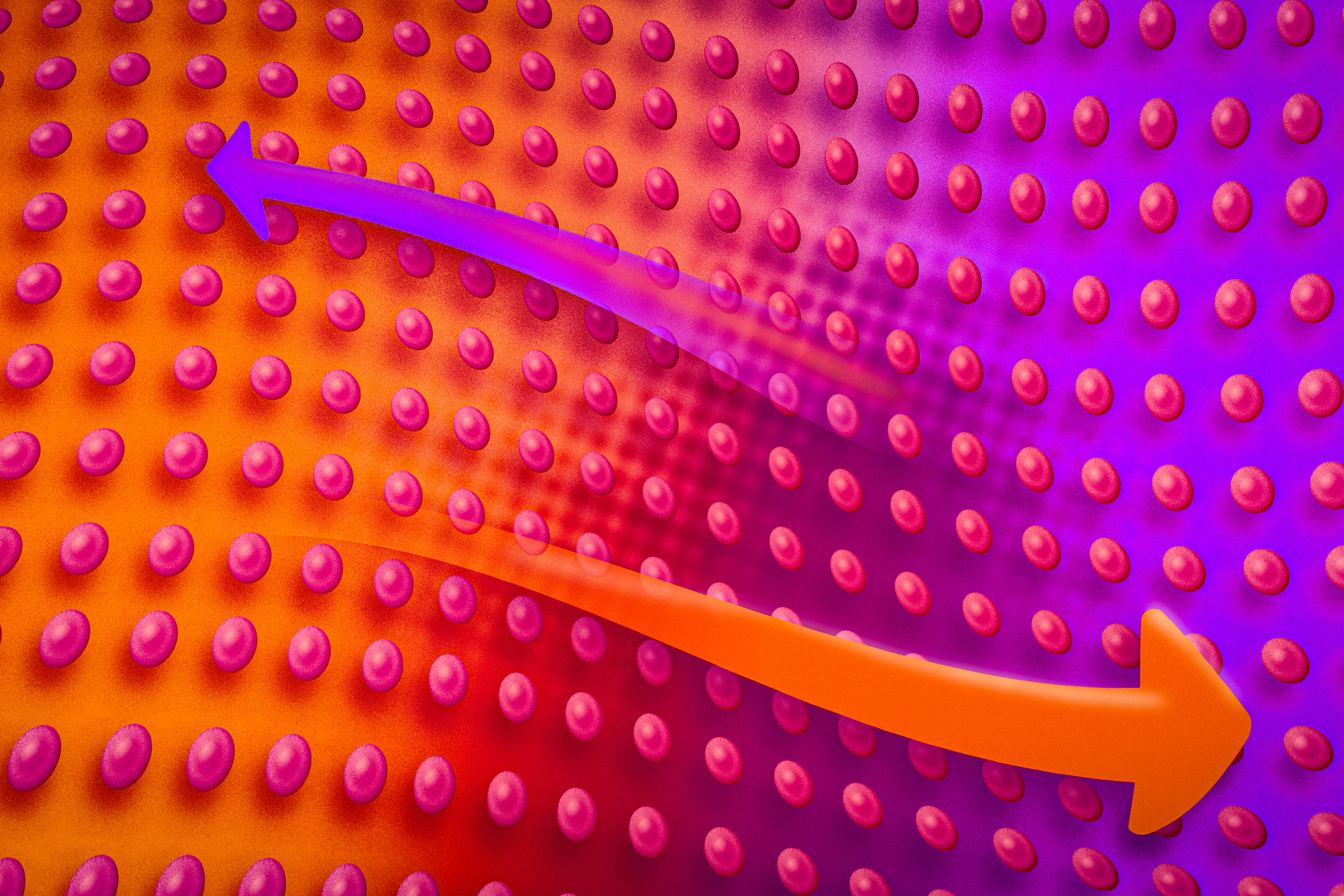
Scientists at MIT have captured the first direct images of 'second sound,' a wave-like movement of heat in superfluids, revealing heat bouncing like sound, which could advance understanding of heat flow in high-temperature superconductors and neutron stars.
MIT physicists have captured direct images of second sound, the movement of heat in a superfluid, for the first time. Using a new method of thermography, they were able to observe heat moving like a wave, independent of the physical motion of fermions in the superfluid. This breakthrough will help physicists gain a better understanding of how heat moves through superfluids and related materials, with potential applications in high-temperature superconductors and neutron stars.
Researchers have explored how it would feel to touch a quantum superfluid, specifically superfluid helium-3. At extremely low temperatures, helium can become a superfluid, flowing without losing kinetic energy. When touching a superfluid, it would feel like touching a 2D surface, with no sensation of the bulk fluid. The interaction would only occur with a 2D surface formed between the fingers and the superfluid, while the rest of the fluid remains passive. The study provides insights into the thermodynamic behavior of superfluid helium-3 and its two-dimensional nature.