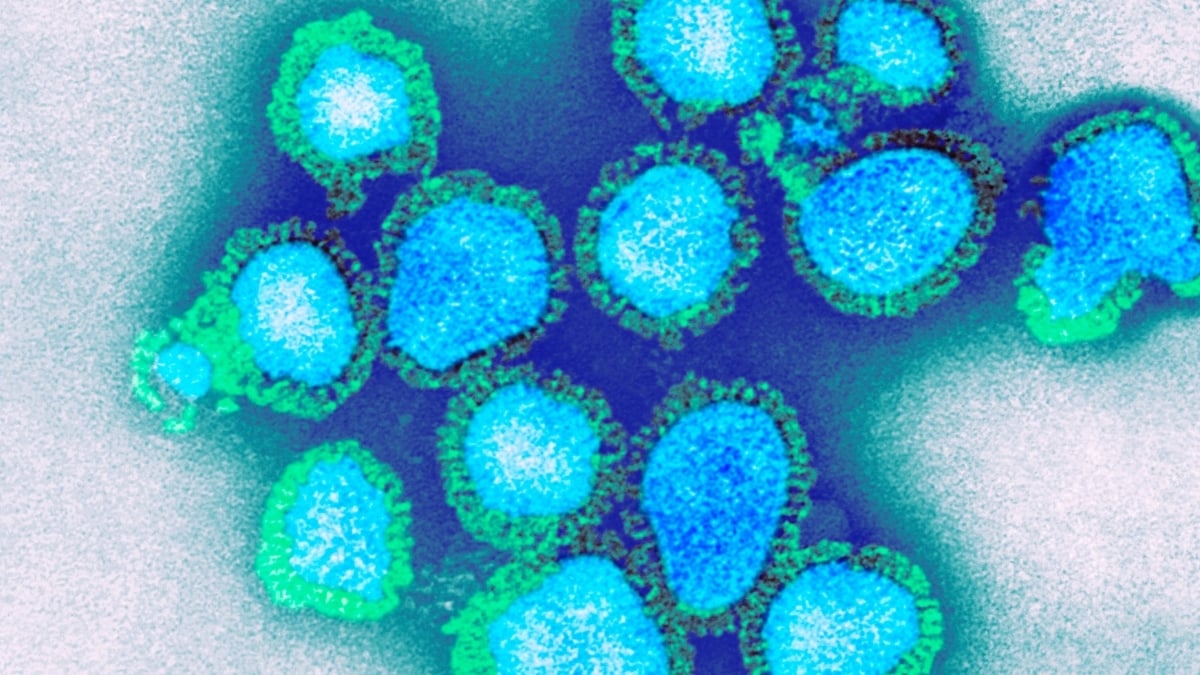
A new highly contagious flu strain called A/H3, dubbed 'super flu,' is causing the highest infection rates in 25 years in the U.S., particularly in NYC, with symptoms including cough, sore throat, and vomiting, especially in children. The strain shows some resistance to the current vaccine, and vaccination rates are low, increasing vulnerability. Hospitalizations are rising, and severe complications, especially in children, are a concern. Experts emphasize the importance of vaccination and early antiviral treatment.

Kansas City is experiencing a surge in cases of a new 'super flu' variant of Influenza A, leading to increased hospitalizations and deaths. Health officials emphasize the importance of vaccination and preventive measures like hand hygiene and masks to combat the ongoing outbreak, which is expected to continue for several weeks.
Amid a severe 'super flu' outbreak in 2026, New York hospitals are reinstating mask mandates to curb the spread of the highly contagious Influenza A/H3 virus, which has caused over 239,857 cases in the state, with the worst period between December and February.
The 2024-25 flu season in the US and UK is severe, driven by a new influenza A H3N2 variant called 'subclade K' that partially evades immunity, leading to early and widespread outbreaks. Despite the nickname 'super flu,' the virus's danger level is similar to previous strains, and existing vaccines remain effective in preventing severe illness. Preventive measures include vaccination, hand hygiene, masks, and good ventilation.
Doctors and health professionals criticize Dr. Oz for dismissing the flu shot and promoting self-care measures instead, amid rising flu cases and concerns over the effectiveness of the vaccine, with experts emphasizing the importance of vaccination to prevent severe illness.
Amid rising flu cases and the spread of the 'super flu' in North Carolina, health experts advise that it's still beneficial to get vaccinated, as immunity takes 1-3 weeks to develop and the flu season peaks later in January. Vaccination rates are lower than usual, partly due to vaccine hesitancy, but vaccines are available at pharmacies, stores, and healthcare providers. Preventive measures like masks and good hygiene are also recommended.
A new, more severe variant of influenza A H3N2 called 'super flu' has emerged, causing serious symptoms and spreading rapidly across the US, especially in densely populated areas like New York. Health officials recommend vaccination and antiviral treatments such as Tamiflu and Xofluza to combat it, and warn that this flu season could be particularly challenging.
Boston is experiencing a 114% increase in flu cases, especially among children, prompting health officials to urge residents to get vaccinated and attend upcoming clinics to prevent severe illness amid concerns over a highly contagious 'super flu' variant.
A new 'super flu' variant of influenza A H3N2, called subclade K, is causing a severe flu season in the UK and the US, with concerns about vaccine effectiveness due to mutations. Experts recommend getting vaccinated and using antiviral treatments like Tamiflu to reduce severity, as the season is expected to be particularly challenging.
The super flu strain, subclade K, is spreading rapidly across the US, especially in New York, Louisiana, and Colorado, with increased hospitalizations. While most recover quickly, the flu can cause serious complications, and the current flu shot does not cover this strain. Public health officials recommend getting vaccinated and being aware of symptoms like fever, chills, cough, and fatigue.
Health experts warn of a surge in flu cases due to a new 'super flu' variant, Subclade K, which is evading immunity, but vaccination is still recommended to prevent severe outcomes as flu activity increases this holiday season.
Cases of the 'super flu' are rising across the U.S., especially in states like New York, New Jersey, and Colorado, with the CDC reporting increased hospitalizations and the emergence of a new H3N2 variant, subclade K, which is more serious and spreading rapidly.
A new 'super flu' strain, not covered by this year's flu vaccine, is spreading across the US, especially in New York, Louisiana, and Colorado, leading to increased hospitalizations. Symptoms include fever, chills, cough, sore throat, and muscle aches, with some cases resulting in severe complications like pneumonia. Experts recommend getting the flu shot despite its limited coverage, as it can help reduce symptoms.
The UK is experiencing an early and severe flu season, often called 'super flu,' caused by the influenza A/H3N2 subtype, but this is within normal seasonal variations. The NHS is under pressure, especially in England's north and Midlands, with higher infection rates among children and vulnerable older adults. Vaccination remains the best protection, with effectiveness varying by age and vaccine type, and it is still advisable to get vaccinated even late in the season. People should stay home if sick and seek NHS guidance if symptoms worsen.