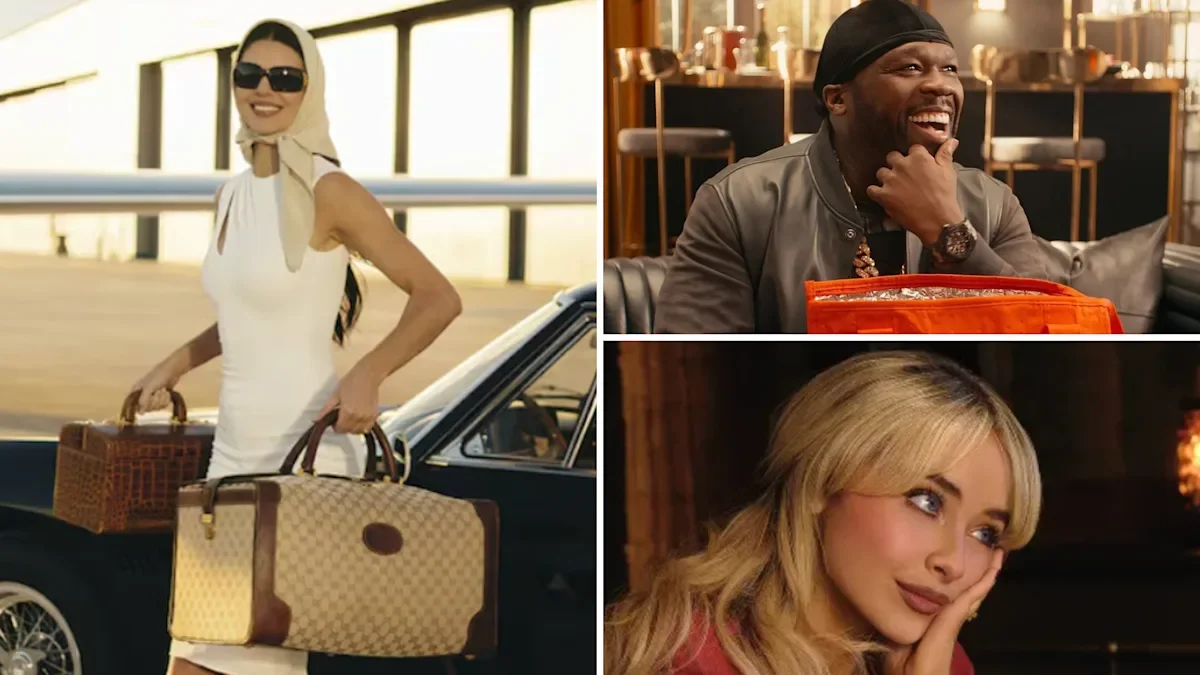
Online retailer Temu spent $15 million on giveaways and five Super Bowl ads to regain customers after a drop in sales, with its "Shop Like a Billionaire" slogan showcased during the game. The Chinese-backed firm, owned by Pinduoduo, paid for three ads during the game and two after, with broadcast slots selling at a higher price than last year. The ads led to a surge in online searches for Temu, which aims to offer accessible and affordable prices.
Temu, owned by China-based PDD, spent $21 million on three Super Bowl commercials and offered $15 million in promotions. The ads led to a spike in web searches, but the company has faced declining sales and negative customer feedback, including concerns about security and delivery issues. Despite impressive sales growth in 2023, a survey showed that nearly one-third of its users plan to shop less on the app in the next three months. Margins have declined, and profitability is a concern as the company continues to offer steep discounts and rebates to grow rapidly in the US.
Temu, the e-commerce company behind Super Bowl ads, is facing backlash and Congressional investigation for alleged use of forced labor and privacy concerns. The app has been accused of spying on customers and faces class action lawsuits over privacy violations. Despite denying the allegations and defending its privacy practices, Temu is under scrutiny for its alleged ties to China's communist party and the low quality of merchandise, refund issues, and shipping delays.
Temu, an e-commerce company that aired multiple Super Bowl ads, offers discounted products shipped directly from suppliers and manufacturers, resulting in longer shipping times. Despite reportedly questionable product quality and privacy concerns, the company has seen significant growth and user engagement. Temu's parent company, PDD Holdings Inc., has faced accusations related to cybersecurity and forced labor, but the company denies these claims.
Chinese e-commerce giant Pinduoduo's subsidiary Temu aired four Super Bowl ads to target US consumers and position itself as a budget-friendly alternative to Amazon. The ads, part of a $3 billion marketing budget, emphasized competitive pricing and showcased the platform's heavily-discounted marketplace. Despite recent downgrades from Morgan Stanley and Moody's, the company aims to increase its US user base and compete with Amazon by leveraging its Chinese manufacturing advantage.
A pair of Super Bowl ads by The Dawn Project targeted Tesla's self-driving technology, urging viewers to boycott the company and claiming its vehicles are unsafe. The ads featured an Autopilot-driven Tesla ignoring a stop sign and striking child-sized dummies. Tesla's Autopilot technology has faced scrutiny from regulators, with the National Highway Traffic Safety Administration (NHTSA) concluding that incorrect use of the software led to crashes. The company recalled about two million vehicles for mandated Autopilot updates, despite not agreeing with the NHTSA's findings. The software has been criticized for being easily fooled, and Tesla has been the subject of multiple recalls and safety investigations.
Temu, an e-commerce site advertised during the Super Bowl, offers products at low prices but has garnered warnings and complaints about wrong sizes, damaged goods, and poor customer service. The company, a sister of Chinese firm Pinduoduo, has a C+ rating from the Better Business Bureau and faces concerns about product quality, privacy, and identity theft. Lawmakers have also criticized the company, and it has sued its rival, Shein, over antitrust issues.
Bud Light, facing declining sales after a controversial partnership with transgender activist Dylan Mulvaney, is hoping to make a comeback through Super Bowl ads and new partnerships. An expert believes the brand has an opportunity for redemption by returning to its original branding and serving its customer base. However, the company must tread carefully in the culture war, as another misstep could be the "death knell" for the brand.
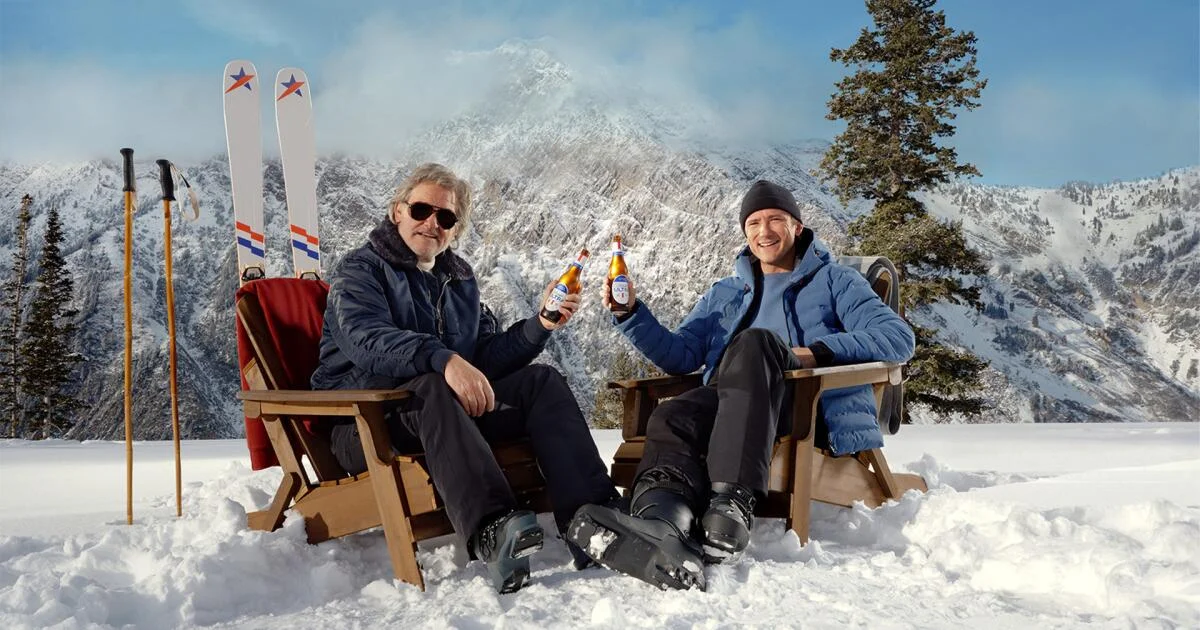
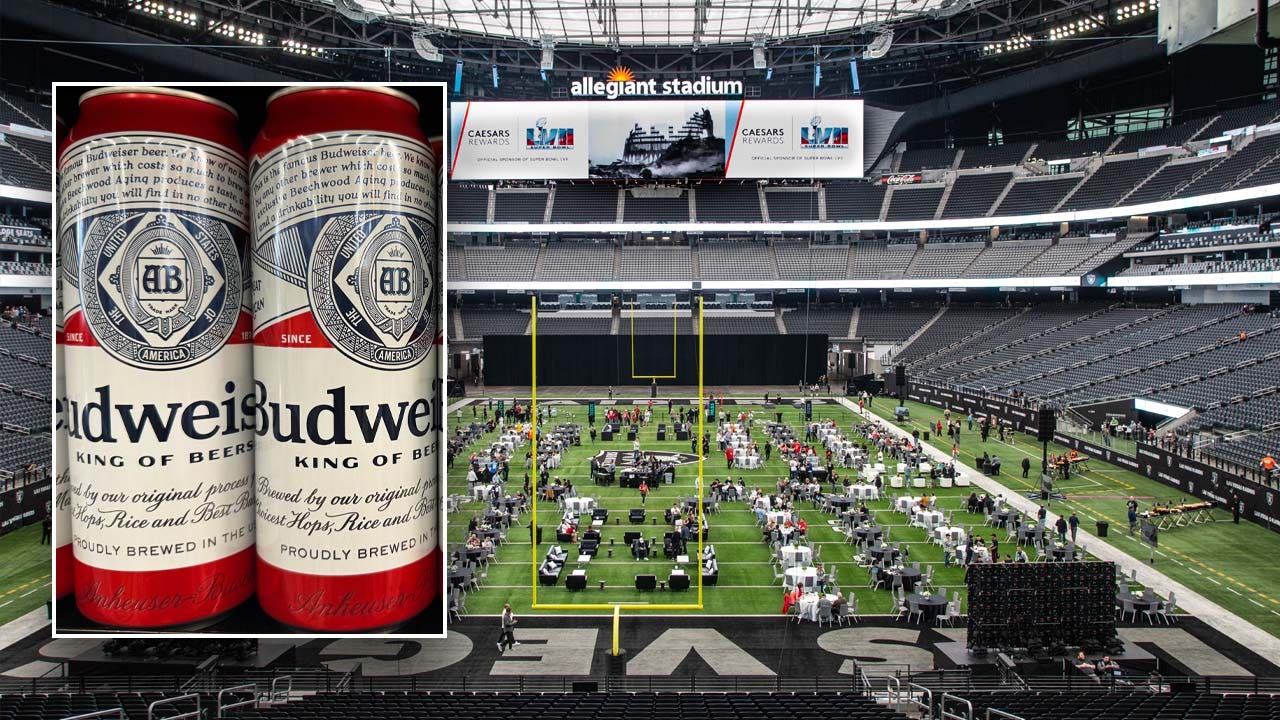
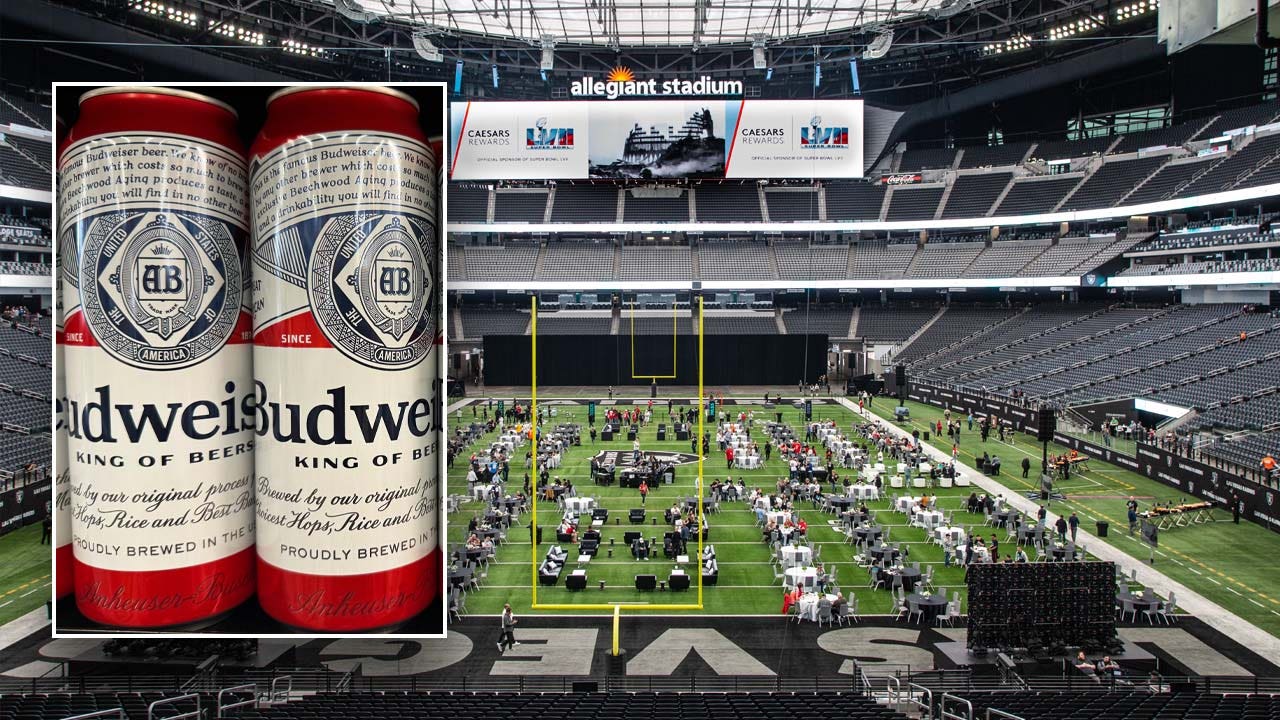
Anheuser-Busch is set to rebrand its beer brands, including Bud Light, Budweiser, and Michelob Ultra, with Super Bowl ads focusing on patriotism and humor to repair its image following a year of declining sales and controversy. The company aims to return to old successful themes and distance itself from past missteps, including a controversial influencer campaign that led to a boycott and falling sales. Anheuser-Busch has invested heavily in Super Bowl ad space, featuring sports stars, Clydesdale horses, and humorous characters from prior campaigns, with hopes of revitalizing its iconic brands.
Anheuser-Busch is set to rebrand its beer brands, including Bud Light, Budweiser, and Michelob Ultra, with Super Bowl ads focusing on patriotism and humor to repair its image following a year of declining sales and controversy. The company plans to feature sports stars, Clydesdale horses, and humorous characters from previous ad campaigns, aiming to distance itself from past missteps, including a controversial influencer partnership. With a significant ad spend for the Super Bowl, Anheuser-Busch hopes to revitalize its iconic brands and reconnect with its traditional customer base.