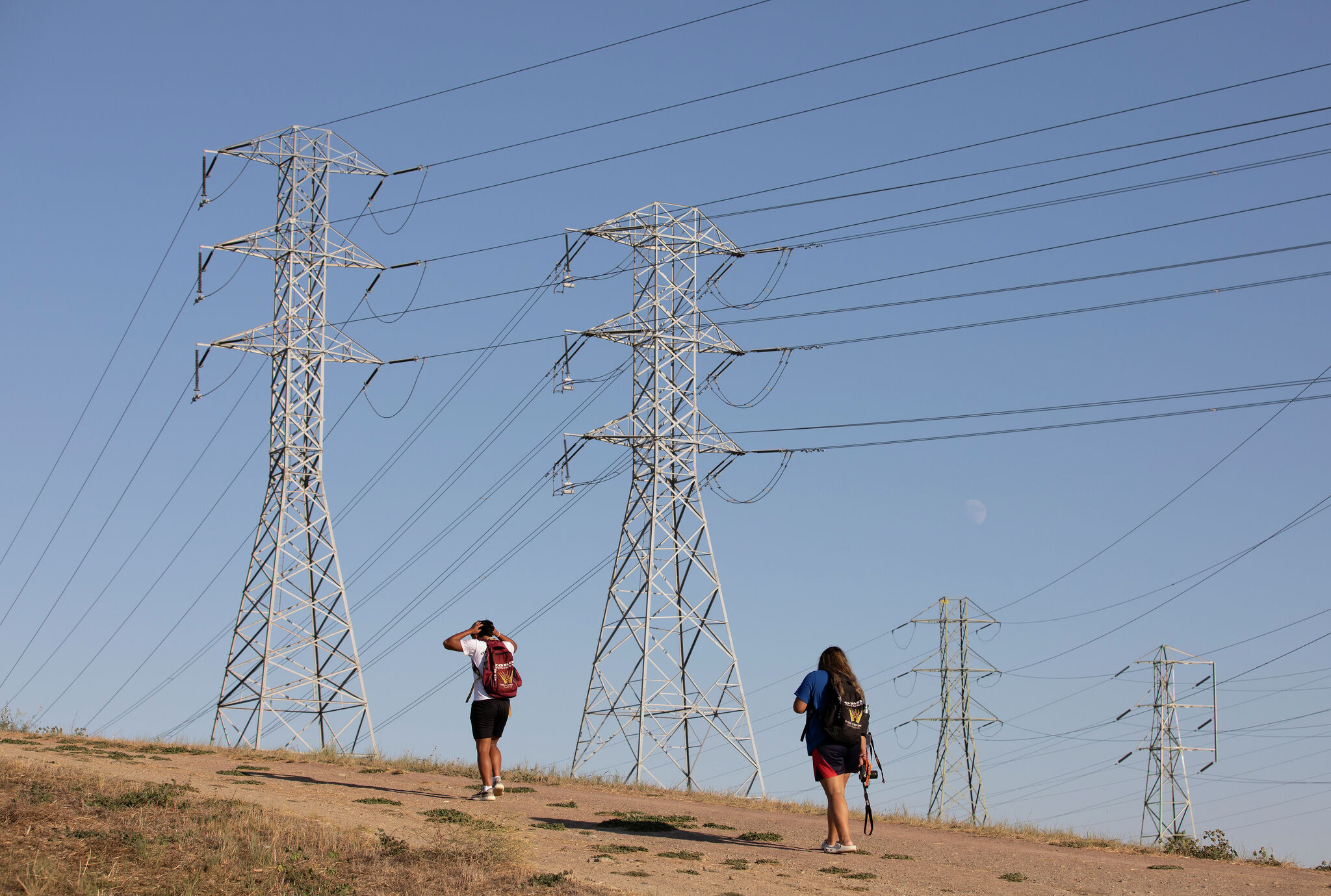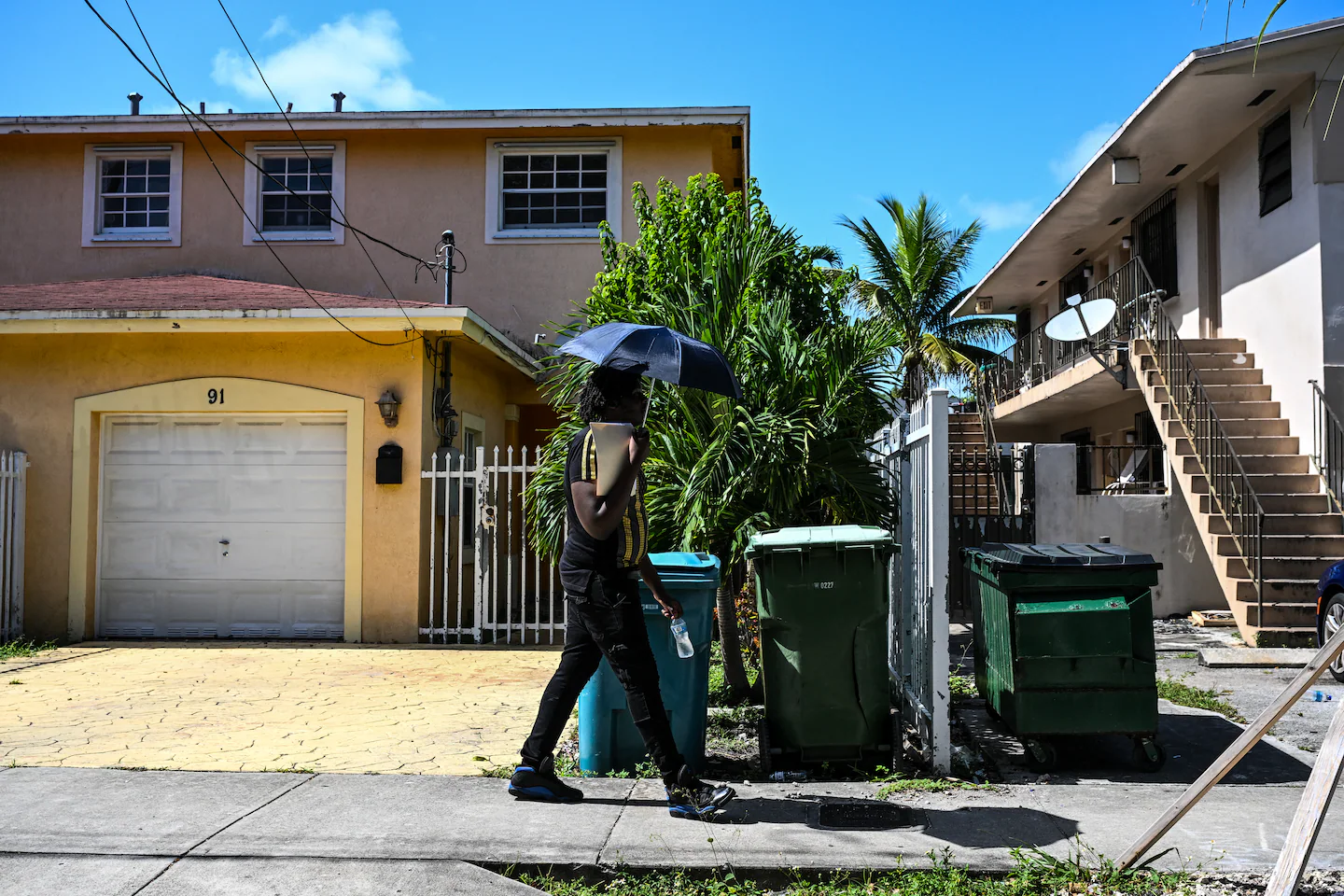
Nearly half of the U.S. population is under heat alerts due to a heat dome causing extreme temperatures across many major cities, including Orlando, New Orleans, and St. Louis, with others under lower-tier advisories.

The Philadelphia area is under a flood watch due to potential localized heavy rain of up to 5 inches from approaching storms associated with a slow-moving cold front, with conditions expected to cause flash flooding and persistent muggy weather throughout the week.
The D.C.-area can expect steamy summer days with afternoon storm chances continuing through the weekend. Highs will be in the upper 80s to lower 90s with moderate humidity, and there is a possibility of hit-or-miss showers and storms each day. Sunday is expected to have the most widespread showers and storms as a cool front approaches. Monday should be sunnier and less humid, with a lower chance of afternoon showers and storms.
The Bay Area experienced a heat wave over the weekend, with temperatures soaring to triple digits after a cool month. Some areas reached record highs, with Concord Airport hitting 105 degrees and Livermore Airport reaching 107 degrees. While no heat records were officially broken, temperatures are expected to remain above normal. A heat advisory is in effect, and people are advised to stay hydrated, avoid the sun, and check on vulnerable populations. The heat is unusual for this time of year, but by the Fourth of July, temperatures are expected to cool down.
A Marex analyst suggests that the longer-term forecast for natural gas prices in the U.S. will be influenced by summer weather conditions and the rig count. The analyst highlights the importance of monitoring these factors to gauge the future direction of natural gas prices.
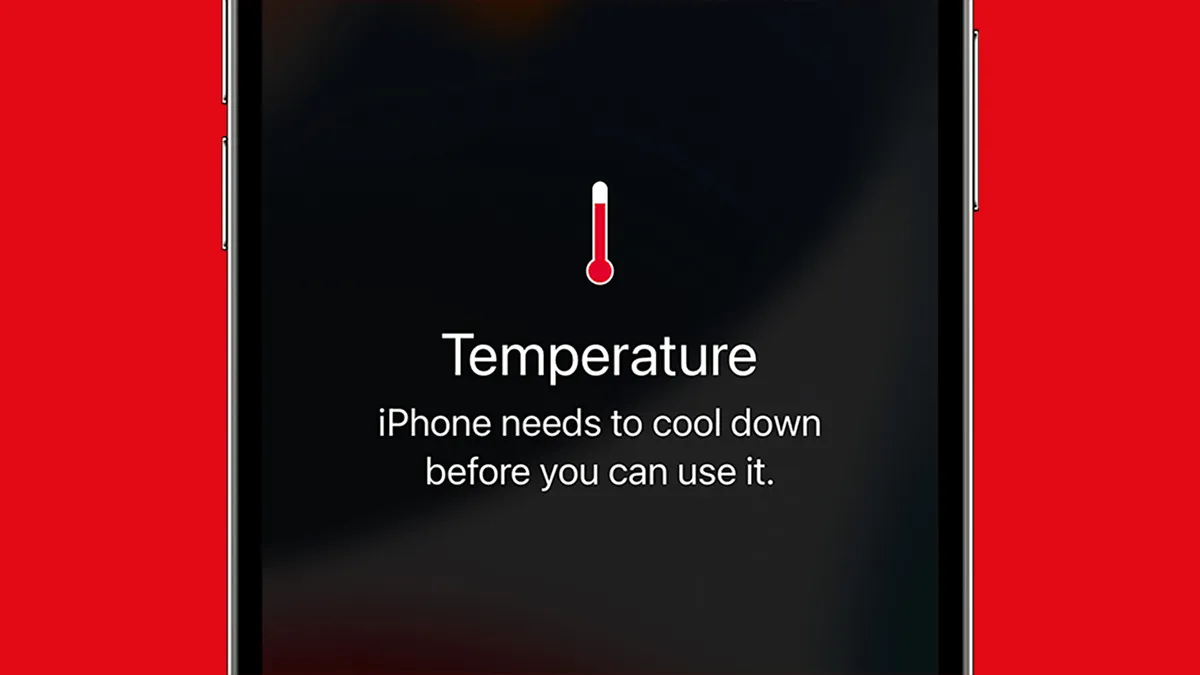
As we enter the summer months, the risk of your phone overheating increases. Overheating can impact the performance of your device, degrade the battery, and even cause permanent damage. To prevent overheating, keep your phone in environments that are suitably cooled and ventilated, avoid using it in extreme temperatures, and keep phone activity down to a minimum when it's overheating. Move the phone to a cooler and shadier spot as soon as possible, take it off its charger if it's charging, and remove the case if your phone has one.