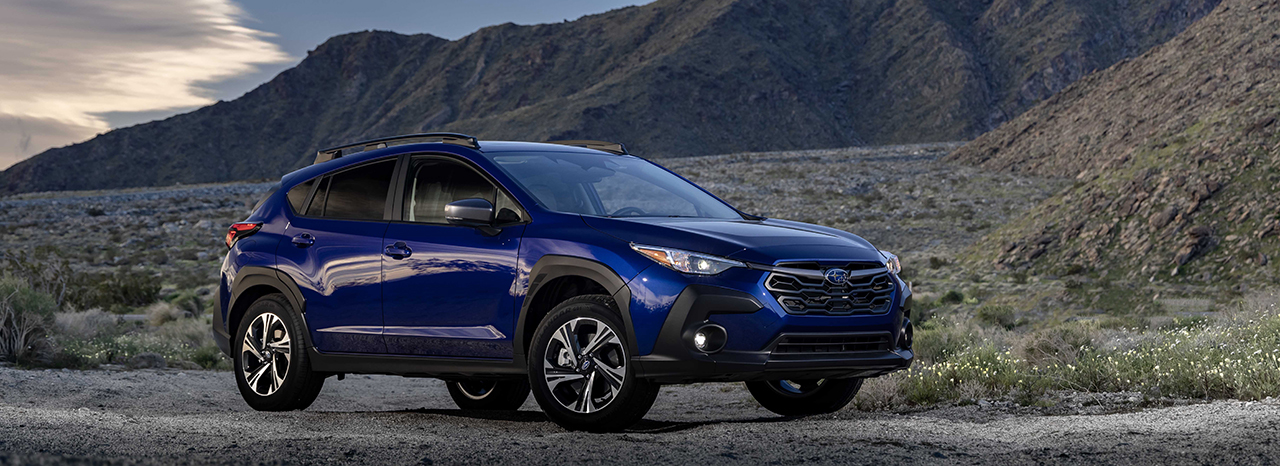
Subaru of America reported a 7.2% decrease in December 2025 sales with 57,437 vehicles sold, and a 3.6% decline for the year ending with 643,591 units. The Crosstrek was the top seller, achieving a record 191,724 units in 2025. The company emphasized its commitment to community through the annual Share the Love event, aiming to donate over $350 million since 2008. Despite the sales dip, Subaru remains focused on expanding its lineup and community engagement.
Subaru of America reported a 7.2% decrease in December 2025 sales with 57,437 vehicles sold, and a 3.6% decline for the year ending with 643,591 units. The Crosstrek was the top seller, achieving a record 191,724 units in 2025. The company emphasized its commitment to community through the annual Share the Love event, aiming to surpass $350 million in donations since 2008. Despite the sales dip, Subaru remains focused on expanding its lineup with new electric and hybrid models for 2026.
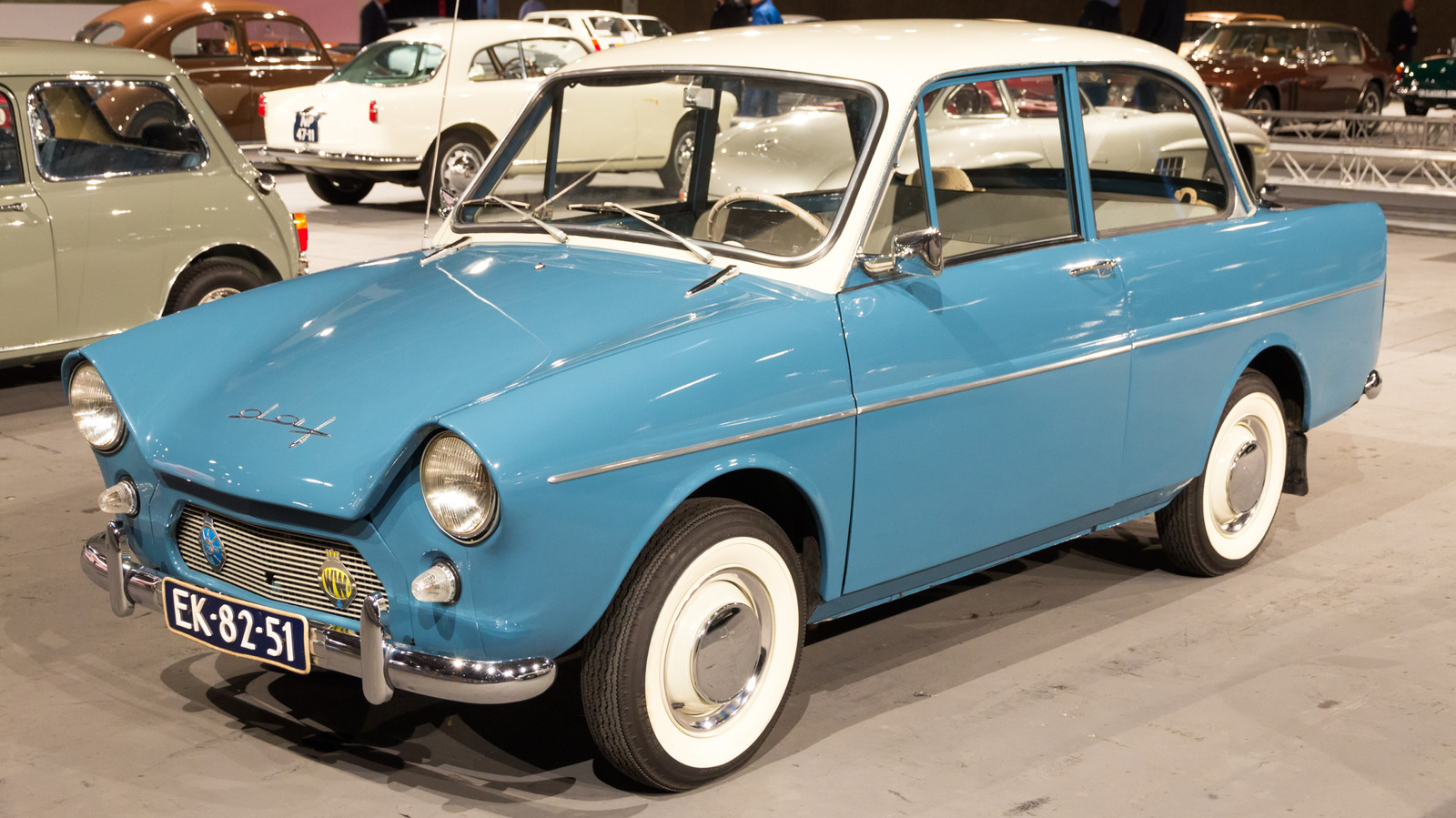
The Netherlands played a pioneering role in automotive transmission technology with DAF's 1959 Variomatic CVT, which used a belt and pulley system for infinite gear ratios, leading to improved fuel economy. This technology was later adapted by Subaru in 1989 with electronic controls, making CVTs more common in modern vehicles, especially hybrids. The Variomatic's legacy includes its influence on the development of automatic transmissions and its widespread use in cars and racing.
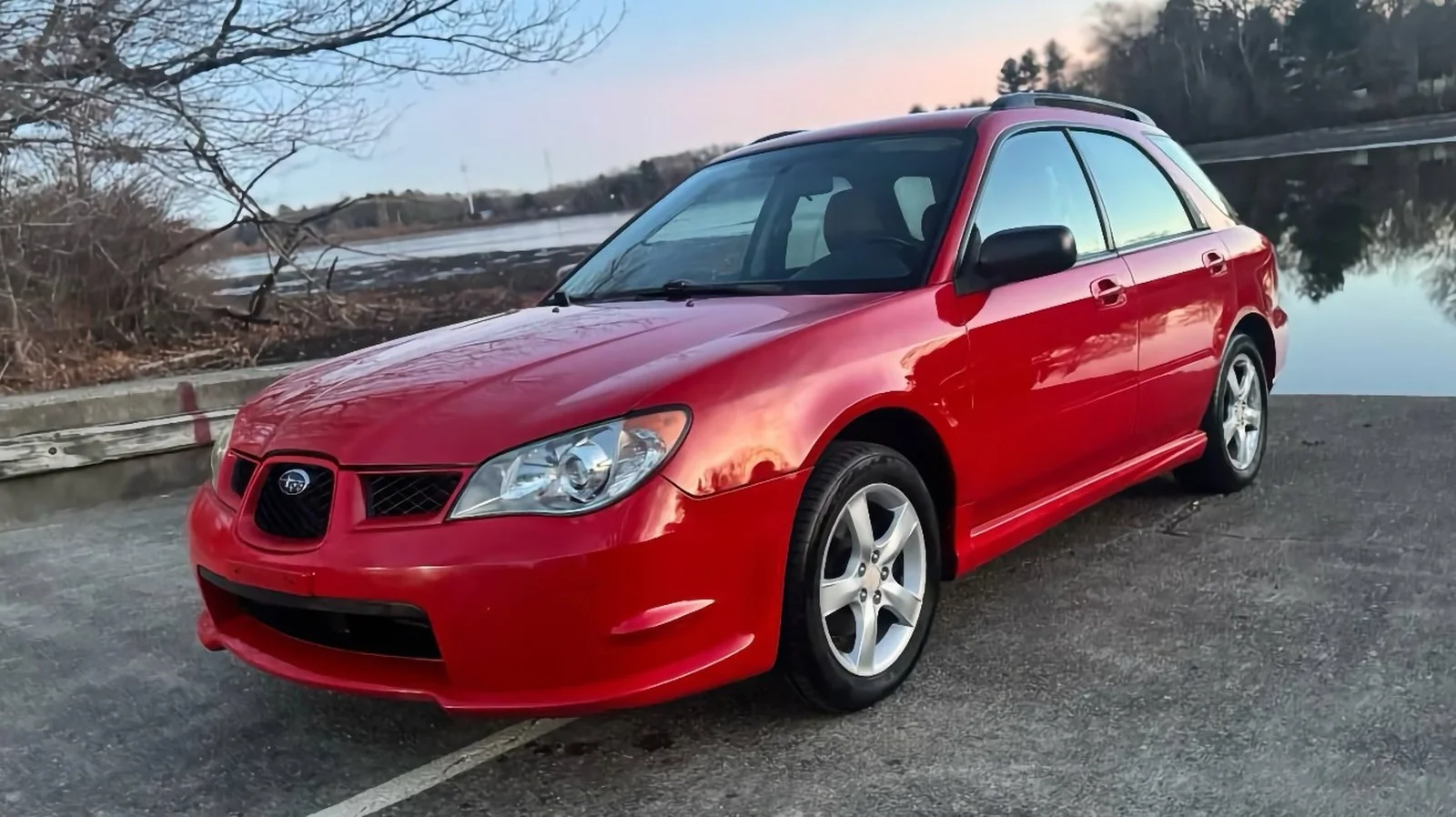
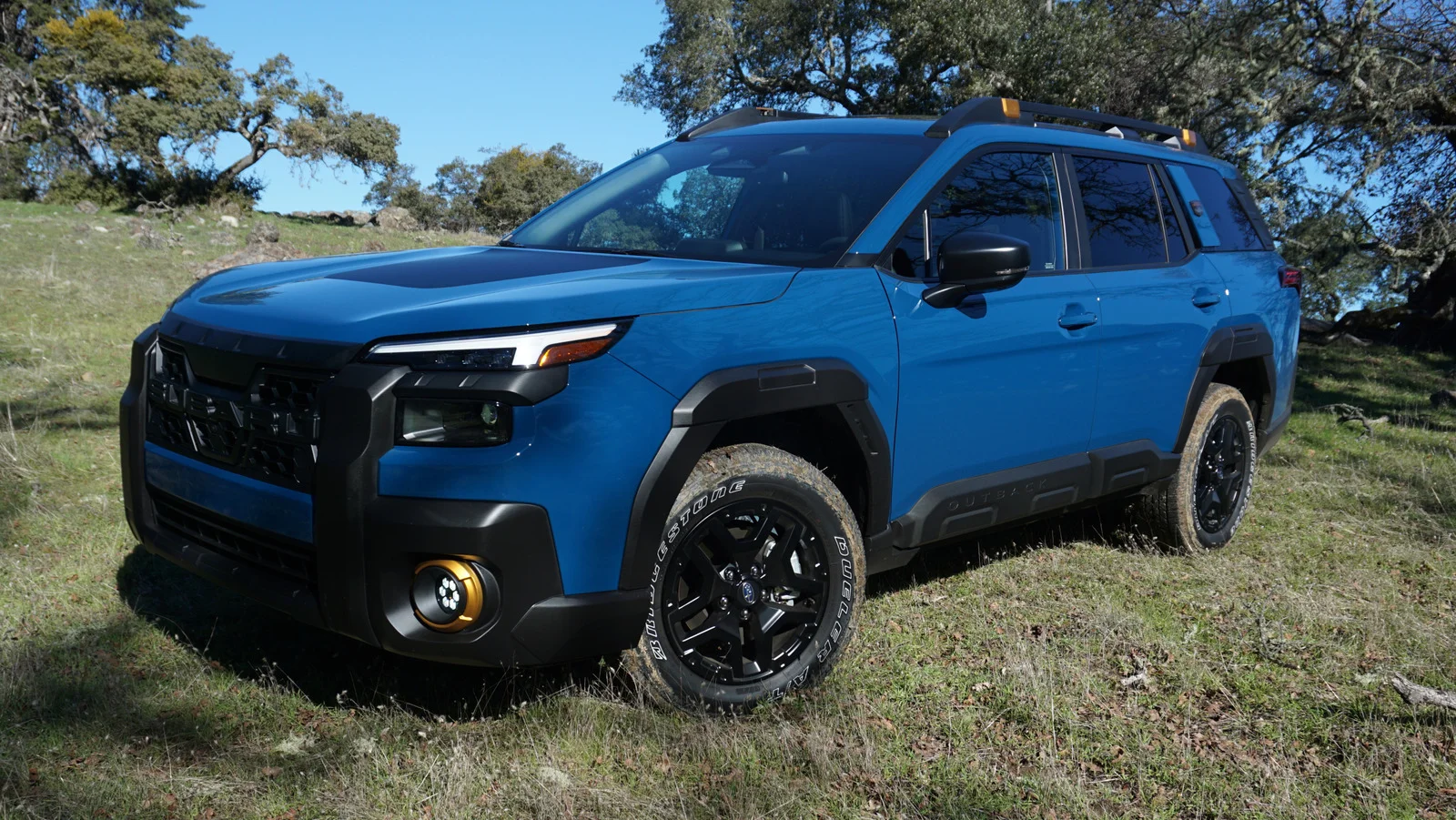
Subaru's 2026 lineup will be more expensive with notable model updates and discontinuations, including the end of the Legacy and base Impreza, while introducing new trims and a hybrid Crosstrek. Prices for models like the Outback, BRZ, and Forester have increased, reflecting redesigns and added features.
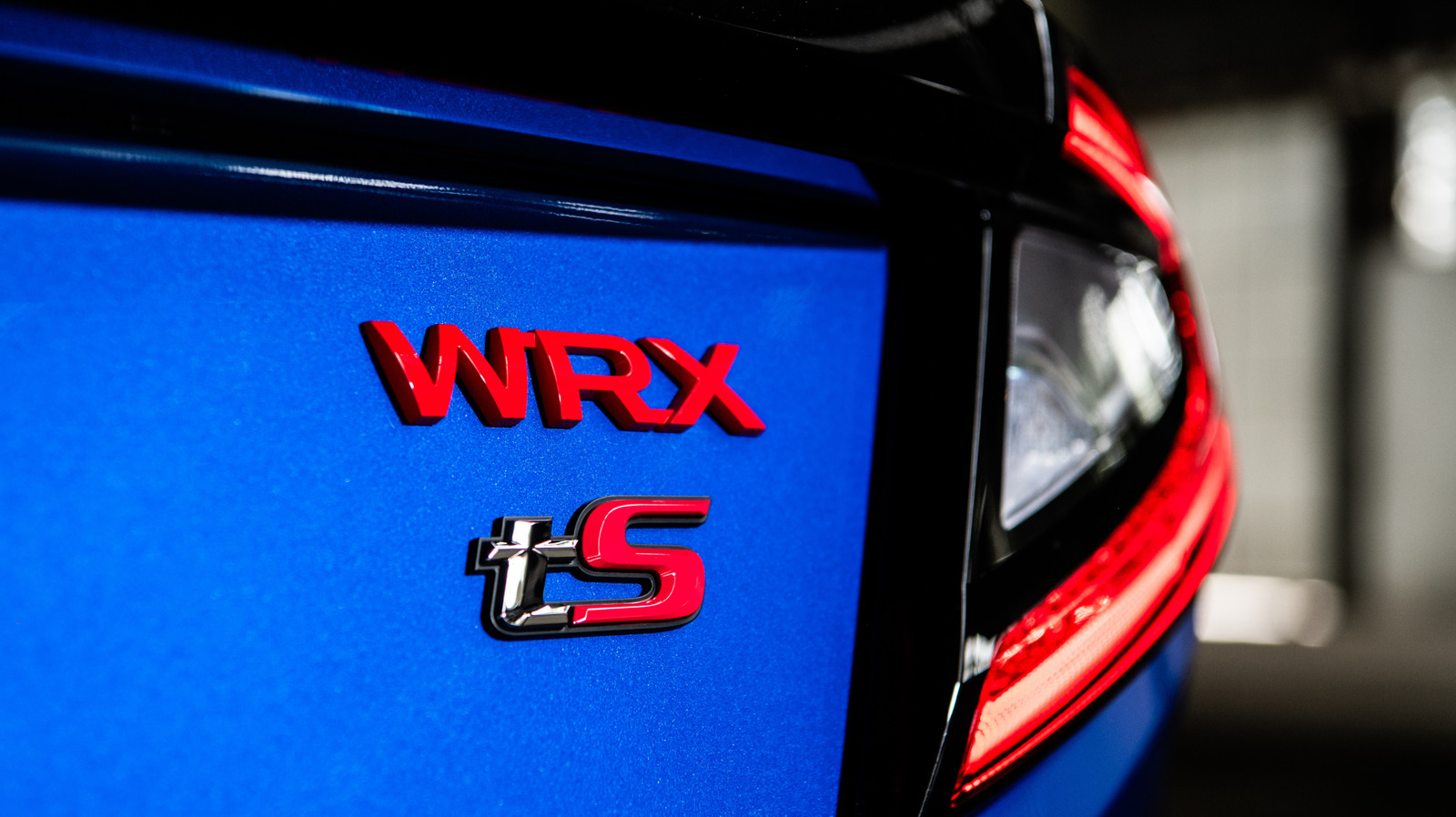
Subaru's WRX, standing for World Rally Experimental, was launched in 1992 as a rally-inspired performance car, achieving significant success in World Rally Championship and other competitions, and has evolved over the years into a standalone model with advanced performance and safety features, continuing its legacy of rally-bred performance into 2025.
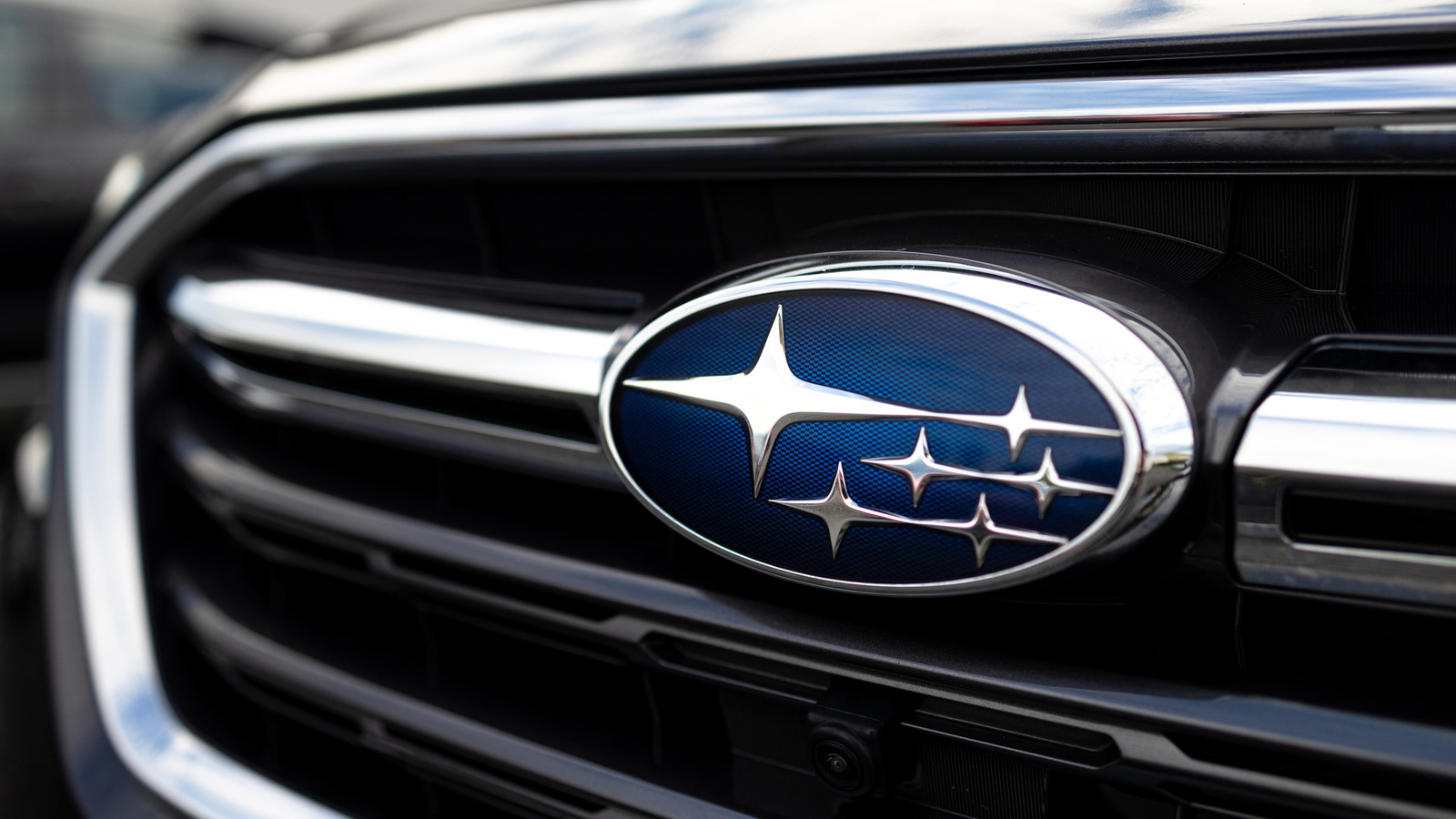
The Subaru logo features six stars representing the original five companies that merged to form Fuji Heavy Industries, with the central star symbolizing Subaru itself. The design is inspired by the Pleiades star cluster, also known as the Seven Sisters, with the arrangement subtly forming an 'S' to connect to the brand name. The colors blue and silver symbolize trust, dependability, quality, and engineering, while the Subaru STI performance brand uses a cherry blossom red color inspired by Japanese culture. The logo's symbolism reflects Subaru's history, brand identity, and commitment to innovation.
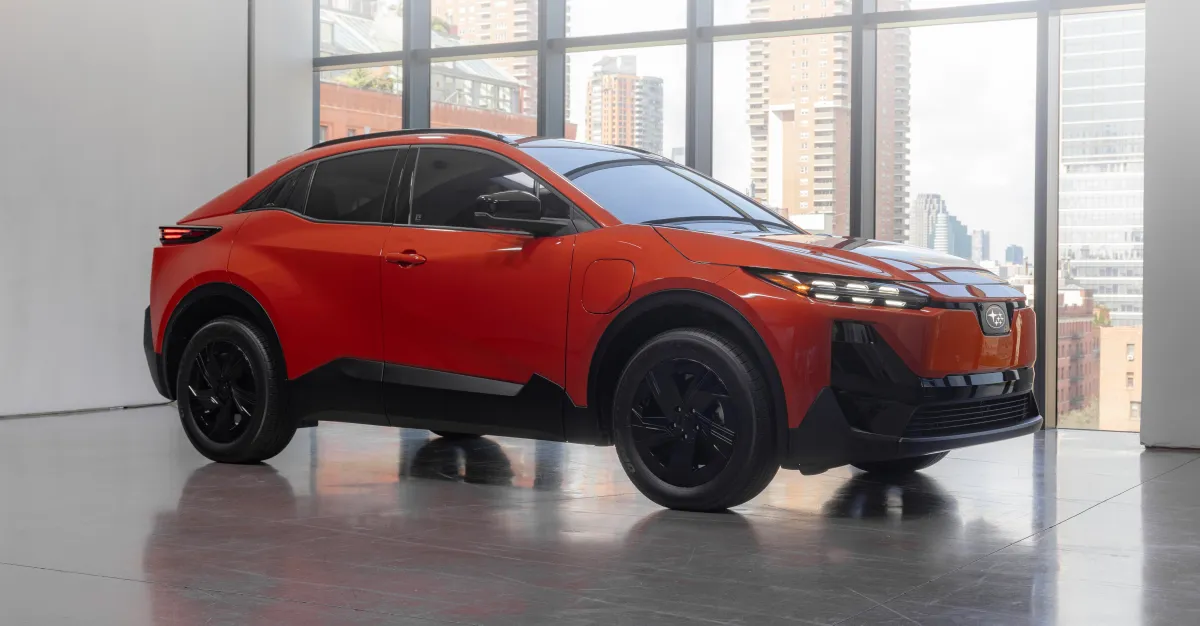
Subaru is launching the 2026 Uncharted, an electric crossover SUV built on Toyota’s E-TNGA platform, offering over 300 miles of range, sporty styling, and advanced features, signaling Subaru's renewed focus on electrification and leveraging Toyota's technology to expand its EV lineup.
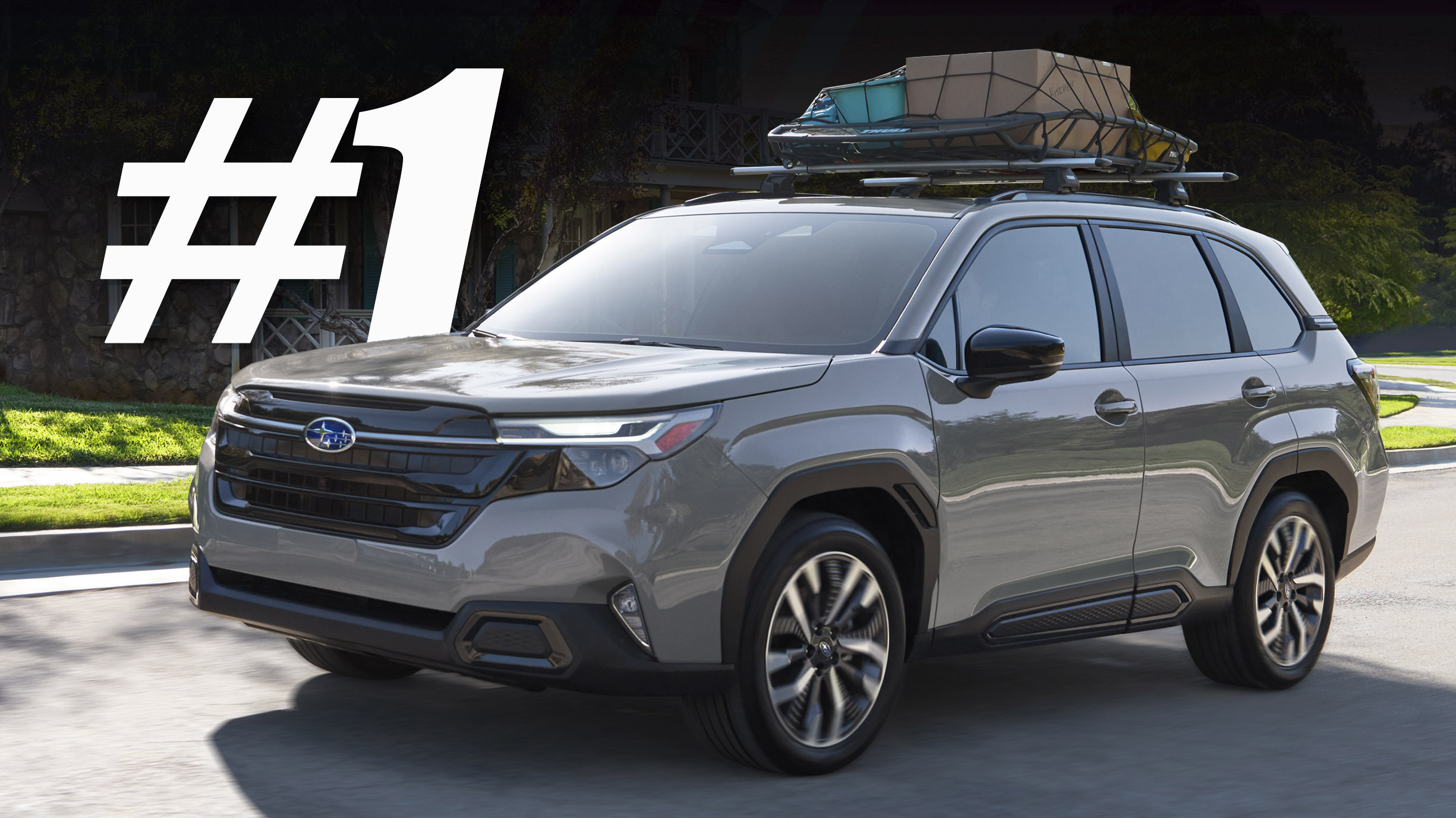
Subaru has been ranked the most reliable car brand for 2025 by Consumer Reports, surpassing Toyota and Honda, due to its conservative redesign approach, smaller model lineup, and shared components that reduce issues. While Toyota and Lexus also perform well, Toyota's broader model range and recent issues with certain trucks have impacted its ranking. The reliability scores are based on consumer feedback and data from over 300,000 vehicles.
Subaru has claimed the top spot in Consumer Reports' 2025 brand rankings, surpassing BMW and achieving the highest reliability score, overtaking Toyota and Lexus. Meanwhile, Jeep and Rivian are at the bottom of the list due to ongoing reliability issues. The rankings highlight the success of brands that focus on incremental improvements, with Asian manufacturers dominating the top 10. American brands, including Tesla and Ford, struggled with reliability, particularly in popular models like the Ford F-150 Hybrid and Chevrolet Blazer EV.
Subaru has overtaken Toyota and Lexus as the most reliable car brand according to Consumer Reports, marking the first time in years that Toyota or Lexus hasn't topped the list. Subaru's consistent use of reliable components and fewer recalls have contributed to its rise in reliability rankings. In contrast, Toyota has faced challenges with recalls and new engine designs, impacting its reliability perception.
Consumer Reports' latest study reveals that hybrids and gas-powered vehicles remain more reliable than electric vehicles (EVs), though EV reliability is improving. Subaru emerged as the most reliable brand, surpassing Toyota and Lexus. Despite reliability issues, Rivian topped owner satisfaction, indicating that consumers value aspects beyond reliability. The report highlights that while plug-in hybrids have more problems than pure hybrids, they are improving, and EVs still face challenges with powertrain and build quality.
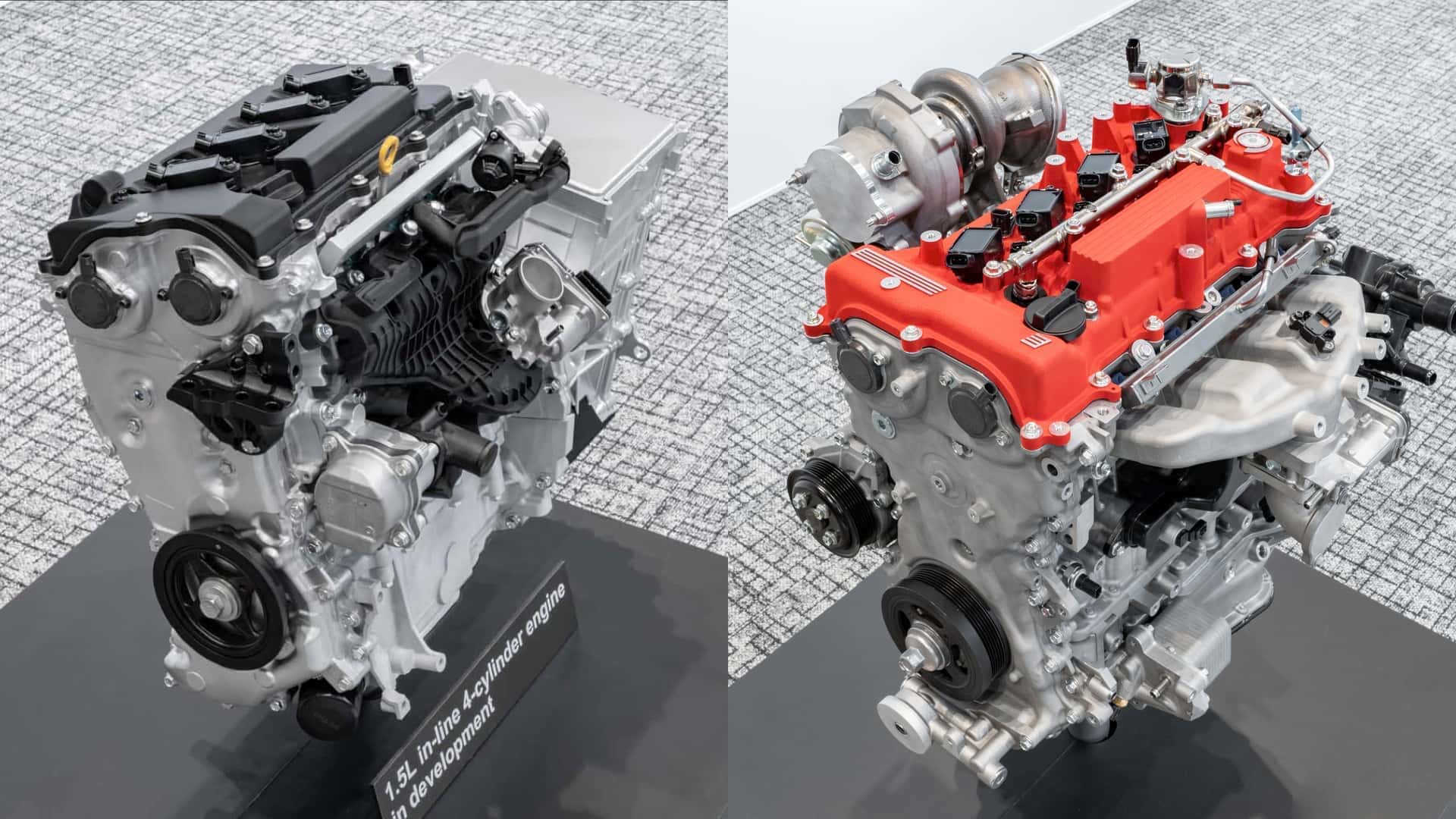
Toyota, Mazda, and Subaru are collaborating to develop new internal combustion engines that will be compatible with carbon-neutral fuels like liquid hydrogen, biofuel, and synthetic fuel. Each company will focus on their signature engine types: Toyota on inline-fours, Mazda on rotary engines, and Subaru on horizontally opposed boxers. The new engines aim to improve efficiency and performance while allowing for more aerodynamic and design flexibility in future models. Despite the collaboration, the companies will remain competitive with each other.
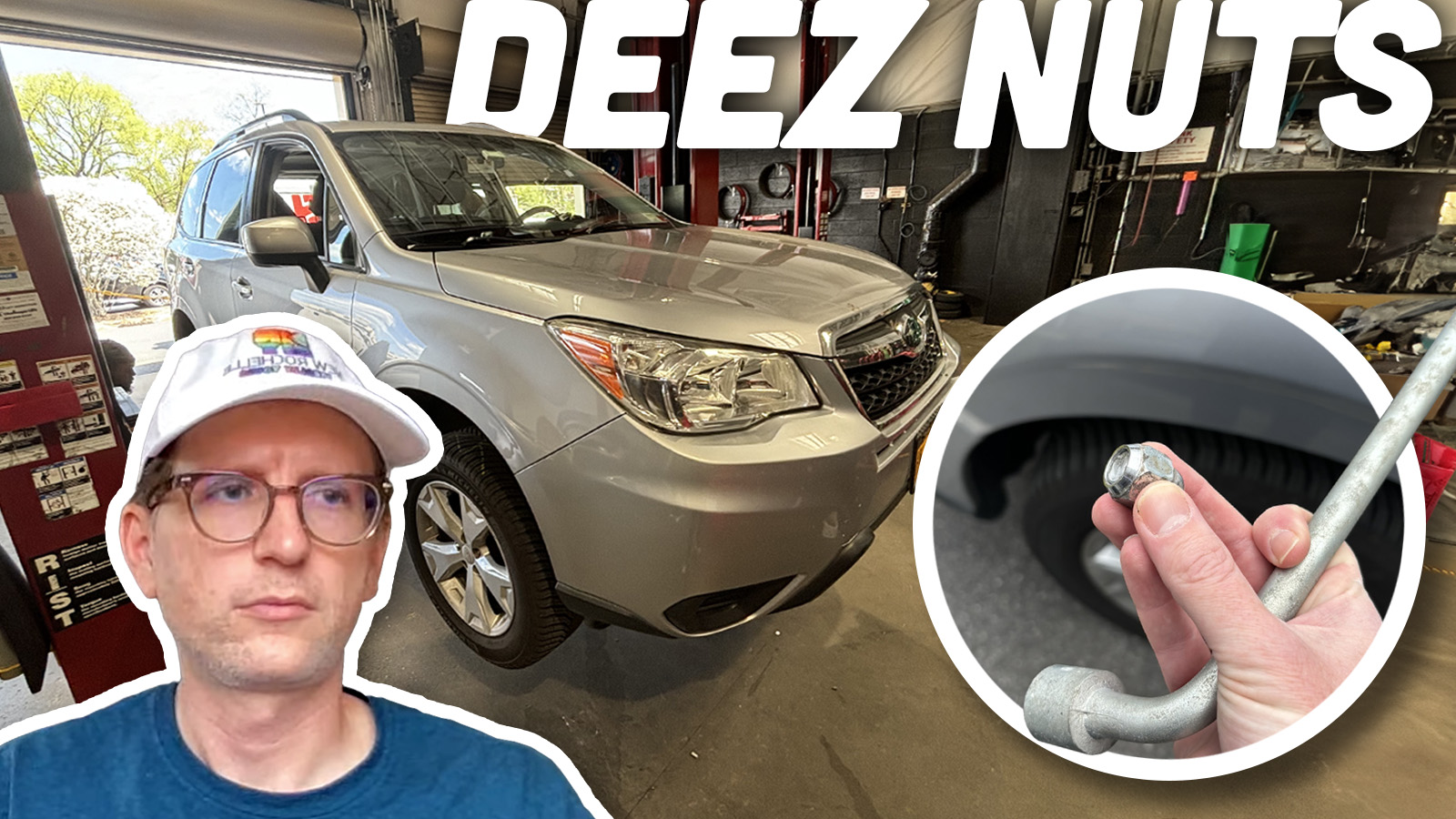
A Subaru owner expresses frustration with his 2016 Forester after encountering difficulties with the car's lug nuts during a tire rotation at Costco. The owner highlights the frequent need for headlight replacements and various other issues with the vehicle, ultimately expressing disappointment with the car's quality and engineering. The article also includes insights from other Subaru owners who have experienced similar problems, leading the author to reflect on the reliability of his high-mileage Volvo and ultimately decide to purchase a Toyota for his next car.
The National Highway Traffic Safety Administration issued recalls for over 551,000 vehicles, including Kia Telluride, Subaru, Ford, Kawasaki, and BMW models. The recalls range from potential rollaway issues to airbag failures and tire damage. Owners can check the NHTSA or USA TODAY's automotive recall database for more information and should contact their respective customer service for free repairs.
Subaru is recalling 118,000 SUVs and sedans in the US due to a faulty sensor that may prevent air bags from deploying in a crash. The recall covers various 2020 through 2022 model year Outback and Legacy vehicles, and is the third recall related to the same issue from parts produced by the same supplier. The National Highway Traffic Safety Administration (NHTSA) stated that a capacitor in the sensors for the Occupant Detection System (ODS) may crack and short circuit, preventing the front passenger air bag from deploying. Dealers will replace the ODS sensors, and Subaru has reported 23 technical issues and 253 warranty claims related to this condition, with no crashes or injuries.