The 2024 National Assessment of Educational Progress reveals declining student proficiency in key subjects, highlighting the ineffectiveness of increased spending and federal control. The Trump Administration advocates for returning education authority to states and promoting parental choice to improve outcomes.
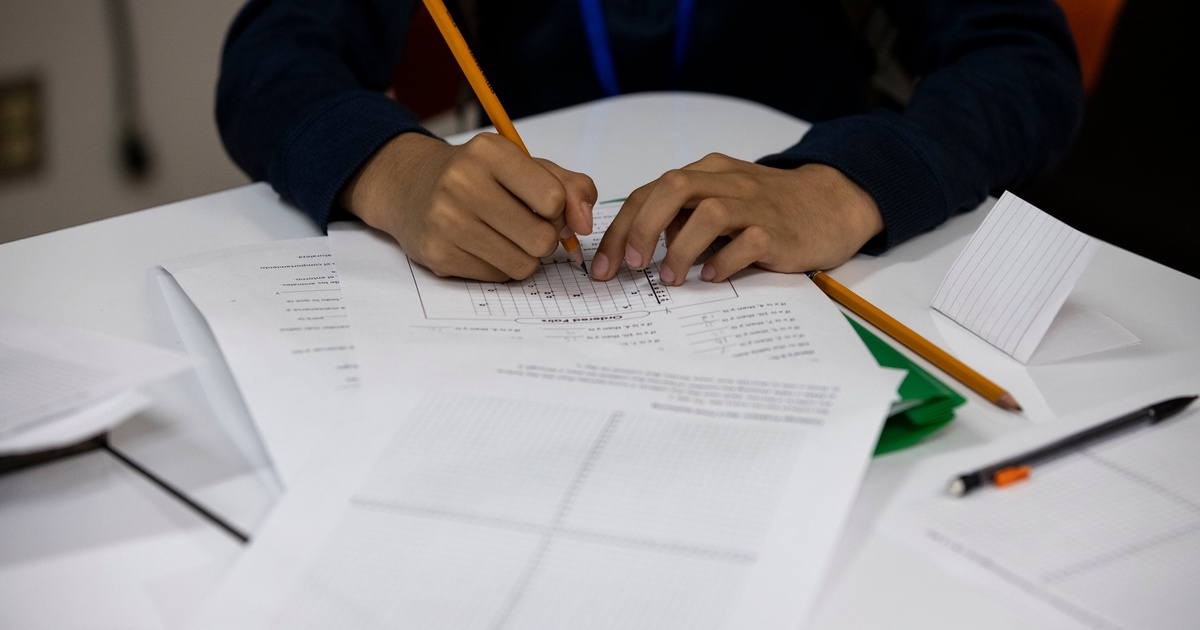
Recent Texas STAAR test scores show slight improvements in reading and math, with 54% of students meeting grade-level standards in reading and 43% in math. The test faces criticism for its length and impact on students, and efforts to replace it with shorter assessments have faced legislative hurdles. Test results influence district evaluations, with some schools, especially those with English language learners, struggling to meet standards.
An investigation into Texas' annual reading test reveals that the test's design, which adjusts difficulty each year to maintain consistent failure rates, masks actual student learning gains, raising concerns about the accuracy of standardized testing as a measure of educational progress.
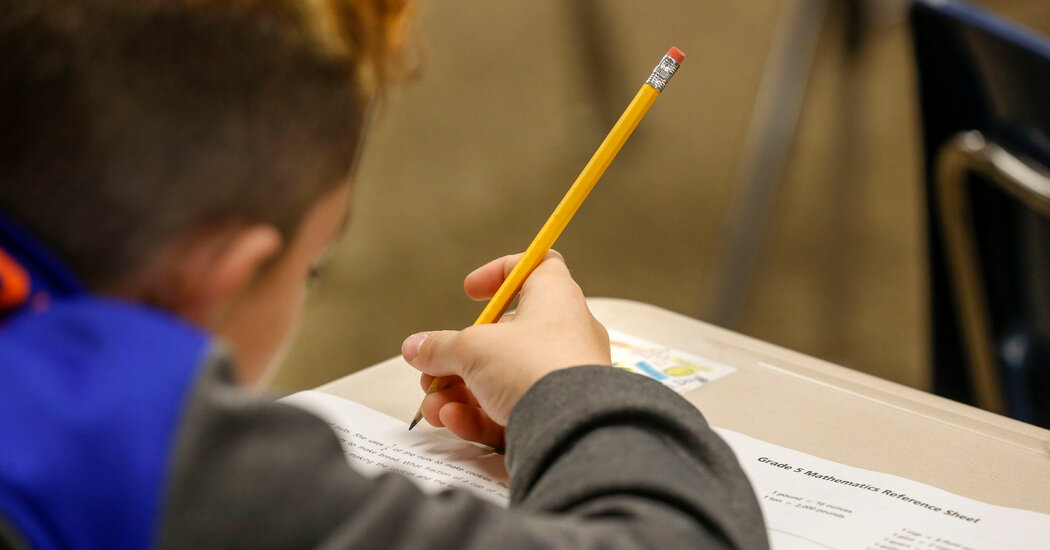
A study from the University of Vienna reveals that boredom during exams can significantly impact students' test scores, with boredom more likely when exams lack personal relevance. The 'abundance' hypothesis suggests that both over-challenging and under-challenging exams can lead to boredom and lower grades. To combat test boredom, teachers should create exam tasks that relate to students' lives and are appropriately challenging. The study emphasizes the importance of students feeling a sense of control and value in their academic work to avoid boredom and maintain motivation.
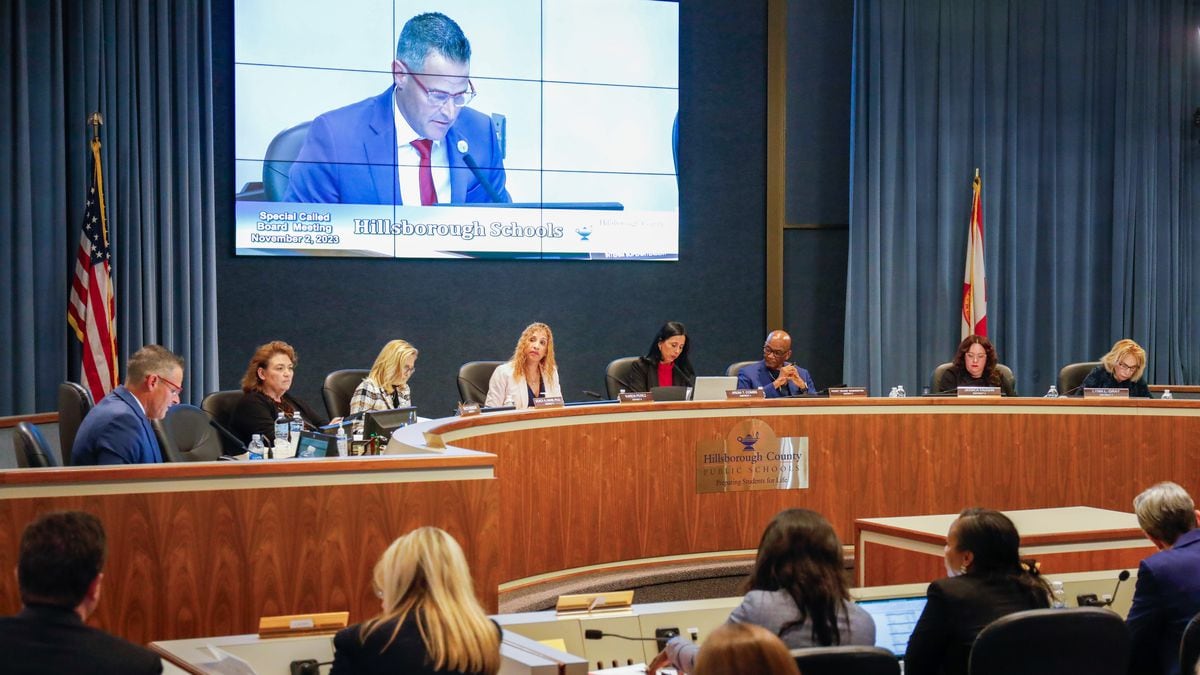
Hillsborough County School Board members are grappling with disappointing school grades that show a significant number of D and F schools in the district. The report revealed that many students are not demonstrating proficiency in English and math. While the state's change in standards and testing systems makes year-to-year comparisons impossible, the statistics were particularly bleak for Hillsborough's elementary schools, which saw a significant increase in D and F schools compared to the previous year. Superintendent Van Ayres acknowledged the significance of the report and expressed optimism for improvement in the future. Board members highlighted concerns about the readiness of younger students and the opportunity gap in marginalized communities.
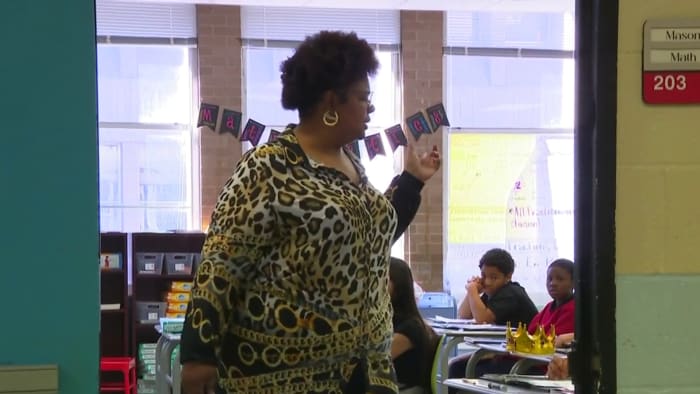
Lyndsy Mason, a first-year teacher at Fleming Middle School in Houston, discusses her experience with the New Education System (NES), a structured instructional model. Mason highlights the challenges of adjusting to standardized lesson plans and pacing, but emphasizes the importance of making the lessons enjoyable for students. Despite initial low assessment scores, Mason has seen significant growth in student performance after making necessary adjustments. She believes that the structured environment at Fleming Middle School has contributed to this progress and hopes to change the perception of the community based on their zip code.
A new Texas law requires middle school students who test in a certain percentile to be automatically placed in advanced math classes, aiming to eliminate the equity gap. Central Texas school districts, including Hays CISD, have already implemented this policy, resulting in increased diversity in advanced math classes. The law, modeled after a successful pilot program, allows parents to opt their children out if they choose. Over the past three years, the equity gap between Black, Latino, and White students has closed by about 91%.
Approximately half of New York City students demonstrated proficiency in math and reading exams this year, indicating a rise compared to last year. However, the results cannot be directly compared due to the overhaul of the exams. Experts suggest that a clearer understanding of student progress and achievement gaps will only be possible when students take a federal exam next year. Despite improvements, significant disparities remain between white and Asian students and their Black and Latino peers. The changes in the exams have made it challenging to assess academic recovery and educational progress in the city.
The Texas Education Agency (TEA) has released the results of the spring 2023 State of Texas Assessments of Academic Readiness (STAAR) for students in grades 3-8. The results show that reading-language arts proficiency remains largely unchanged, while math scores indicate encouraging signs of improvement. Emergent Bilingual students and students receiving special education services also showed progress. The redesigned STAAR assessments incorporated more classroom-like questions and emphasized writing. Individual STAAR report cards are available for parents to view online, providing specific recommendations to support their child's academic growth.
National test scores for 13-year-olds in the US show major drops in math and reading scores, with the average reading score back to where it was in 2004 and the average math score back to the 1990 level. Scores fell the most for students already at the bottom of the scale, and students of all races and ethnicities fell in math. The pandemic has exacerbated the decline in student performance, and action is needed to identify effective methods for teachers and schools.
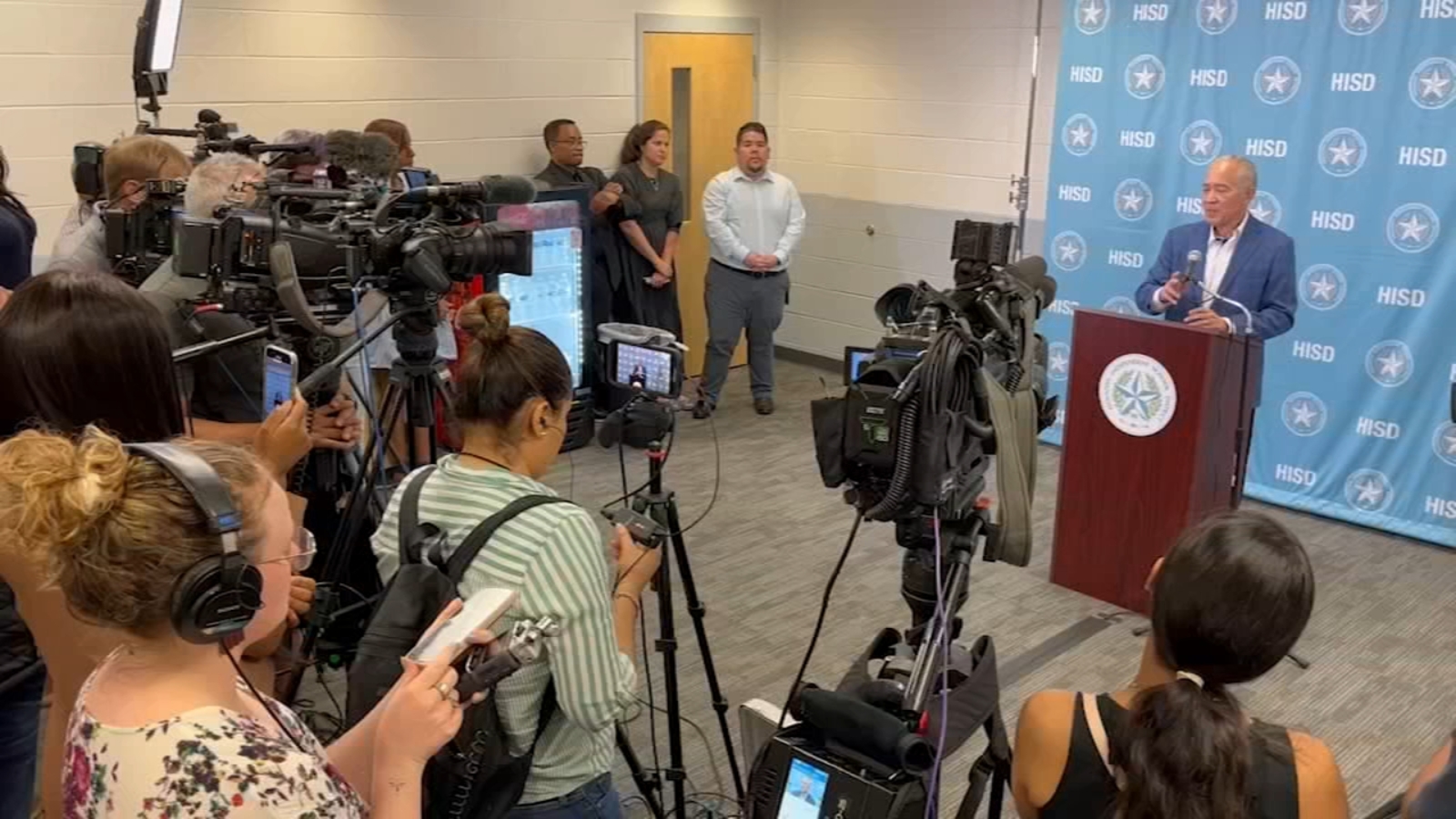
Houston ISD's new superintendent, Mike Miles, has announced a "New Education System" plan, starting with 29 schools, which includes raising teacher compensation to a record $96,000 a year at those schools. All employees of the Wheatley, Kashmere, and North Forest feeder systems will have to reapply for their jobs this summer, and soon all district employee pay will be tied to student performance. The Texas Education Agency has consistently ranked those three schools as the worst in the district.
U.S. Secretary of Education Miguel Cardona blames book "banning" and censorship for dismal U.S. history and civics scores released by the National Assessment of Educational Progress (NAEP). The latest declines are the latest indication of COVID-era school policies' lasting impacts on student performance. Cardona partly blamed book "banning" and censorship for the dismal outcome, seemingly taking a jab at Republicans like Florida Gov. Ron DeSantis who notoriously cracked down on allegedly divisive rhetoric in classrooms across The Sunshine State and even rejected a proposed outline for an AP African American Studies course.
Several Brazos Valley School Districts, including Somerville ISD, Snook ISD, and Hearne ISD, have narrowly avoided a takeover by the Texas Education Agency (TEA) in recent years. These districts focused on improving student performance and accountability, resulting in improved scores and ratings from the TEA. The TEA is currently preparing to take over Houston ISD, Snyder ISD, and Shepard ISD.